Introduction
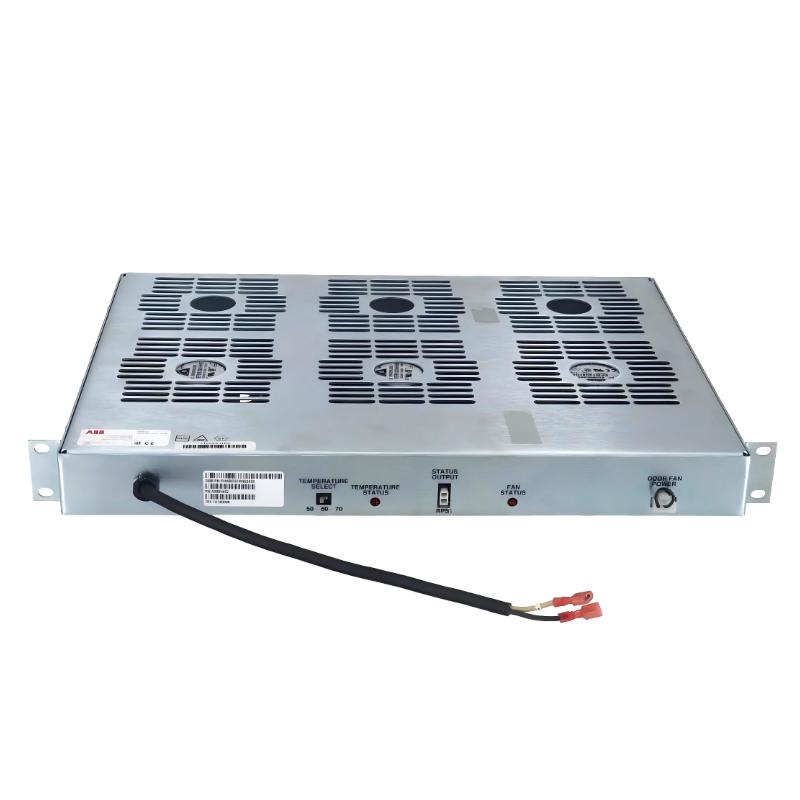
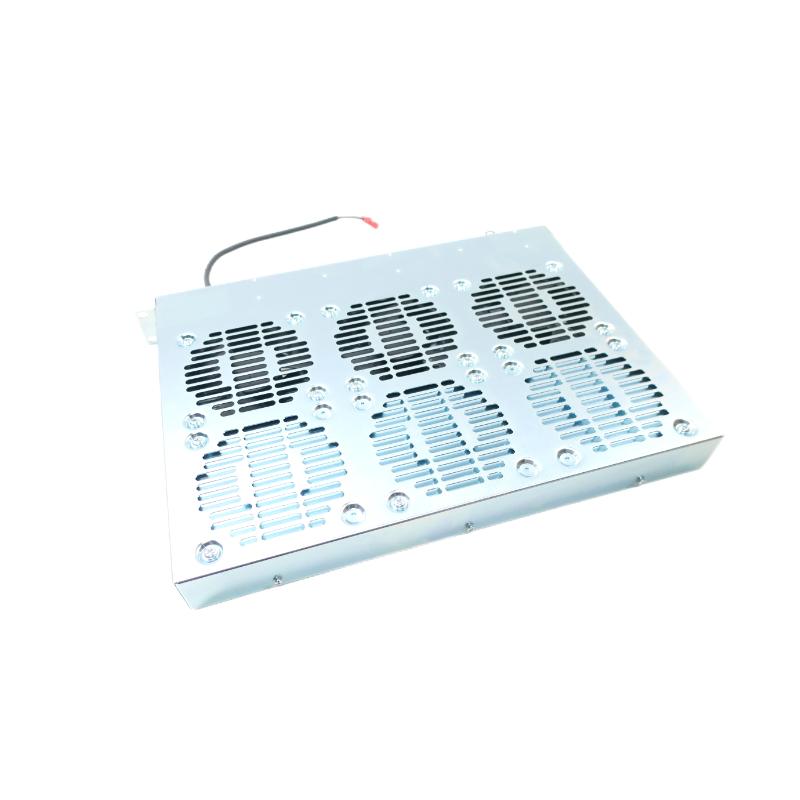
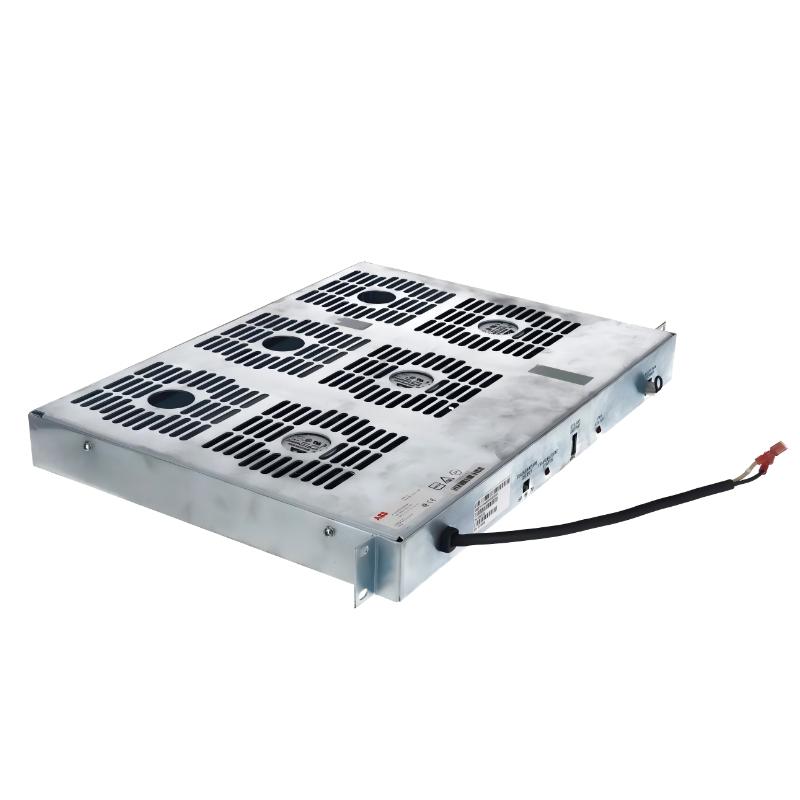
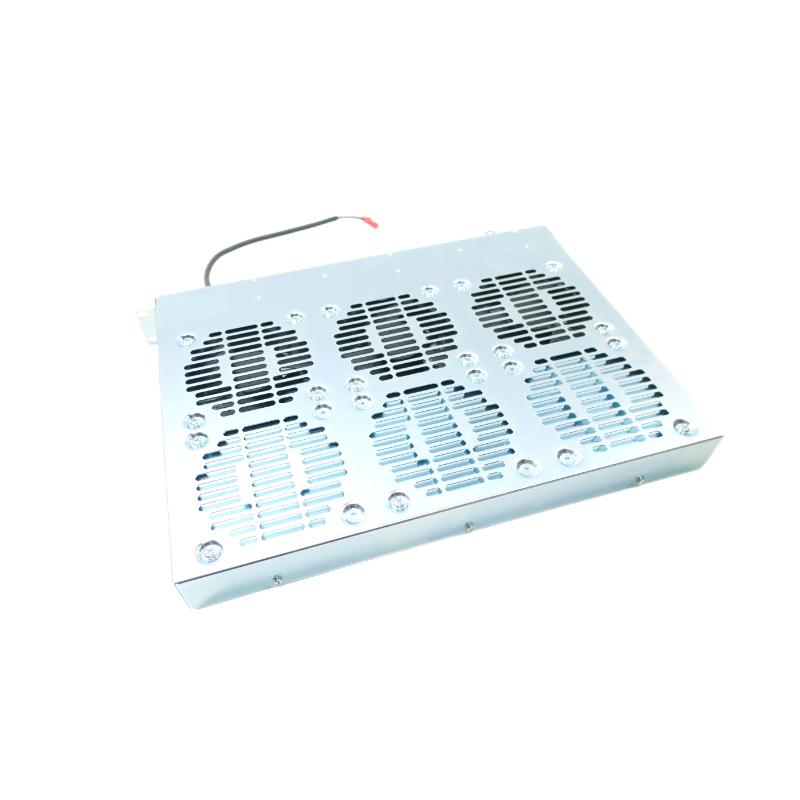
The ABB Bailey MPS FAN PHARPSFAN03000 System Monitoring and Cooling Fan Module is an integral part of cabinet thermal management in ABB Bailey Modular Power System environments. Its primary role is to circulate air within automation cabinets, removing excess heat produced by power supplies and electronic control modules.
Industrial automation cabinets often contain numerous electronic components operating continuously. Without adequate airflow, heat accumulation can affect system performance and reliability. The PHARPSFAN03000 module ensures that cooling airflow is maintained across internal components, helping maintain stable operating conditions.
Due to its robust design and compatibility with ABB Bailey power system infrastructure, this cooling module is commonly used in power generation facilities, process control plants, and large-scale industrial automation installations.
Technical Specifications
| Parameter | Specification |
|---|
| Manufacturer | ABB Bailey |
| Model | MPS FAN PHARPSFAN03000 |
| Module Type | System Monitoring and Cooling Fan Module |
| System Platform | ABB Bailey Modular Power System (MPS) |
| Function | Cabinet cooling and airflow management |
| Application | Thermal management for control system equipment |
| Installation | Control cabinet / power system enclosure |
| Operating Mode | Continuous ventilation |
| Industrial Usage | Power generation, petrochemical plants, industrial automation |
| Dimensions | 55 × 170 × 450 mm |
| Weight | 6.668 kg (14.70 lb) |
Thermal Management in Distributed Control Cabinets
The ABB Bailey MPS FAN PHARPSFAN03000 System Monitoring and Cooling Fan Module is engineered to provide active cooling and airflow management within ABB Bailey Modular Power System (MPS) cabinets. In distributed control systems, power modules and electronic control components generate heat during continuous operation, and proper ventilation is essential to maintain stable system performance.
This cooling module ensures consistent air circulation through the cabinet, helping dissipate heat from power supply units and control electronics. By maintaining proper operating temperatures, the module contributes to longer equipment lifespan and improved system reliability.
Common industrial applications include:
-
Cooling infrastructure for modular power supply cabinets
-
Thermal management in distributed control system racks
-
Ventilation support for automation power modules
-
Control cabinet airflow management in power plants
-
Industrial electronics cooling in petrochemical facilities
-
Process automation equipment enclosures
Through controlled airflow and system-level monitoring capability, the cooling fan module helps protect critical automation hardware from thermal stress.
Operational Benefits
Active Cabinet Cooling
Provides continuous airflow to dissipate heat generated by power supply and control modules.
Designed for Modular Power Systems
Specifically built to support the ABB Bailey Modular Power System architecture.
Improved Electronic Component Longevity
Maintaining proper internal temperatures helps reduce thermal stress on control electronics.
Stable Operation for High-Density Cabinets
Supports reliable operation in cabinets containing multiple high-power modules.
Integrated Monitoring Capability
Enables system-level observation of fan operation to ensure cooling performance remains within acceptable limits.
Technical FAQs
1. What is the main function of the PHARPSFAN03000 module?
It provides active cooling and airflow management for control system cabinets.
2. Which system platform typically uses this cooling module?
It is used within ABB Bailey Modular Power System (MPS) infrastructures.
3. Why is cabinet cooling important in automation systems?
Electronic components generate heat, and proper cooling prevents overheating and system instability.
4. What equipment typically benefits from this cooling module?
Power supply modules, processors, communication interfaces, and other cabinet-mounted electronics.
5. Where is the fan module installed?
Inside control cabinets or power system enclosures.
6. Can it operate continuously in industrial environments?
Yes, it is designed for continuous operation in automation cabinets.
7. How does airflow improve system reliability?
Effective airflow reduces internal temperature buildup and improves component lifespan.
8. What industries commonly use such cooling systems?
Industries including power generation, chemical processing, oil and gas, and heavy manufacturing.
9. Does the module support high-density equipment racks?
Yes, it helps manage heat generated by multiple power modules and control electronics.
10. How does cooling influence power module performance?
Stable temperature conditions help maintain consistent electrical performance and system stability.
 A DCS Q Co., Ltd. - PLC and DCS Industrial Control Equipment Wholesale