Field Wiring Interface for Industrial Control Systems
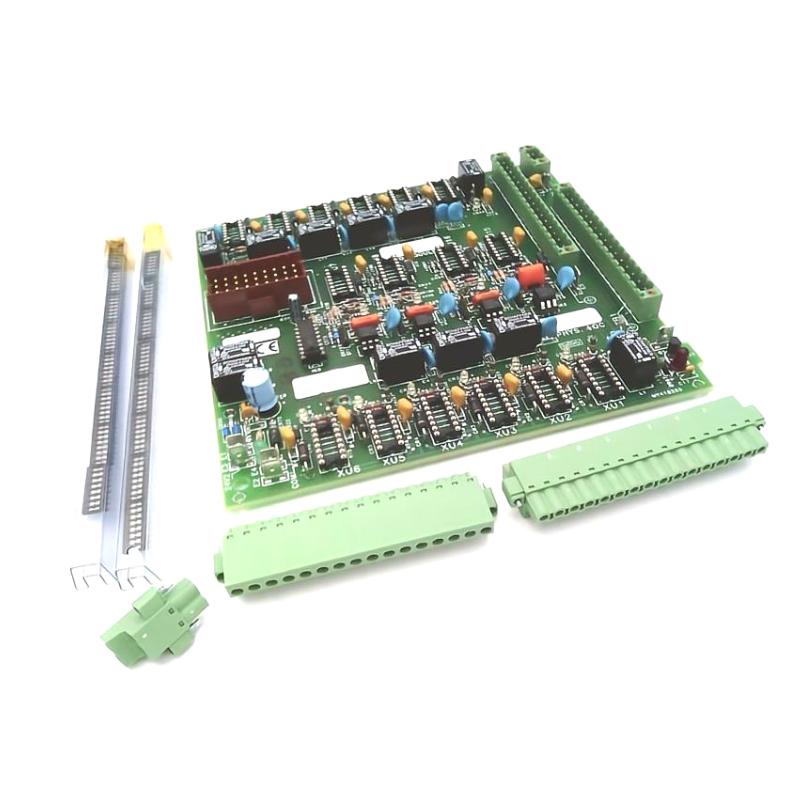
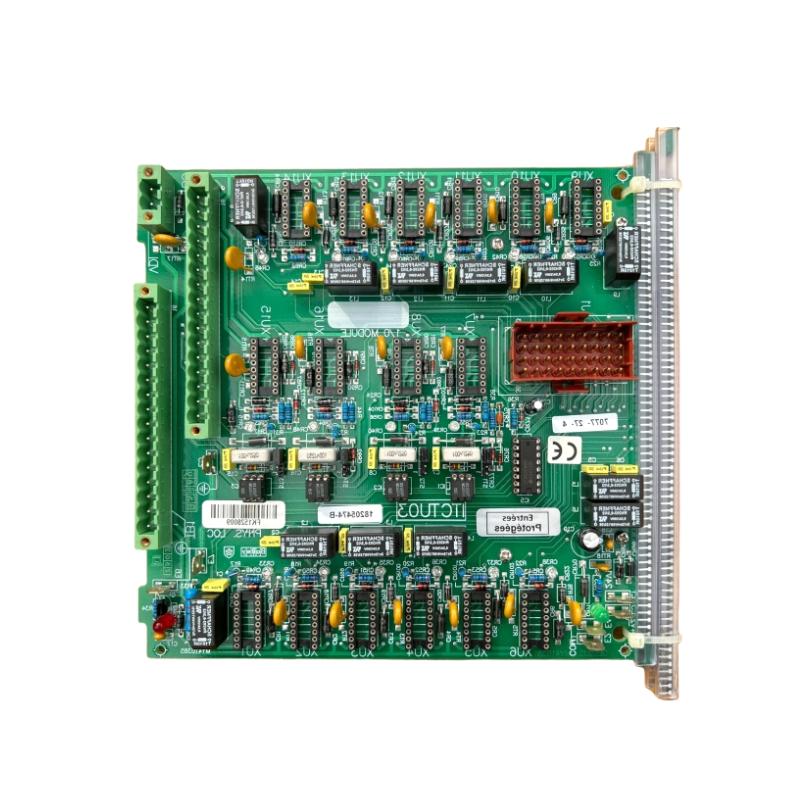
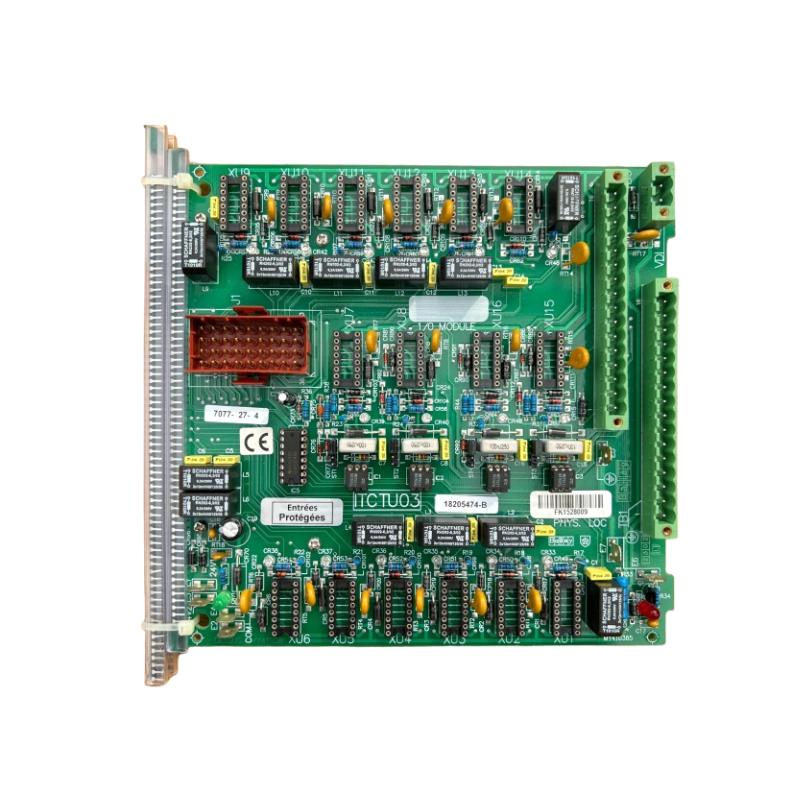
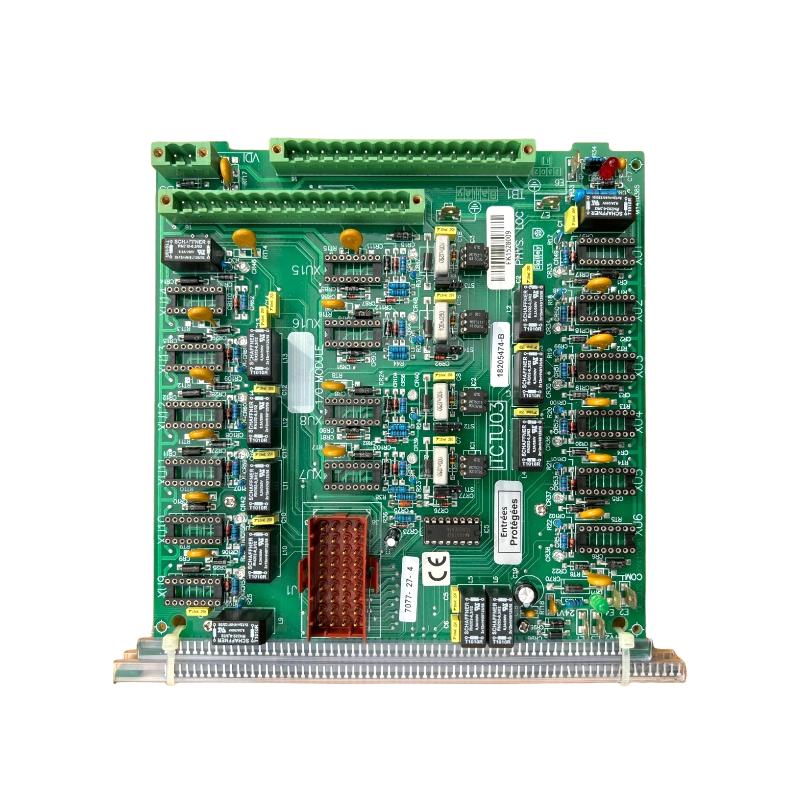
The ABB Bailey ITCTU03 Terminal Unit is a compact field interface component used within ABB Bailey INFI 90 distributed control systems. Terminal units serve as the physical connection point between field instrumentation wiring and control system modules, allowing signals from sensors, transmitters, and actuators to be routed safely into the control infrastructure.
In large-scale automation environments, terminal units simplify field wiring organization, reduce installation complexity, and improve signal reliability. The ITCTU03 provides a structured connection interface that allows technicians to connect multiple field signals while maintaining clear wiring management within control cabinets.
Typical industrial deployment scenarios include:
-
Field signal termination for instrumentation systems
-
Interface between sensors and distributed control modules
-
Industrial control cabinet wiring management
-
Process automation signal routing infrastructure
-
Equipment panels in power generation plants
-
Instrumentation interface systems in petrochemical facilities
By providing an organized connection point for field devices, the ITCTU03 helps maintain stable communication between process instrumentation and control system hardware.
Practical Engineering Benefits
Structured Field Wiring Interface
Provides clearly organized terminal points for connecting sensors, transmitters, and other instrumentation devices.
Simplified Installation and Maintenance
Technicians can easily route, label, and maintain field wiring through dedicated terminal connections.
Reliable Signal Transmission
Stable electrical contacts help ensure accurate signal delivery between field devices and control modules.
Compatible with INFI 90 Architecture
Designed for integration within ABB Bailey distributed control cabinets and rack systems.
Compact Cabinet Integration
Its compact design allows efficient use of cabinet space while supporting multiple signal connections.
Technical FAQs
1. What is the primary role of the ITCTU03 terminal unit?
It serves as a field wiring termination interface between instrumentation devices and control modules.
2. Which control system architecture commonly uses this unit?
It is typically installed in ABB Bailey INFI 90 distributed control systems.
3. What types of signals can pass through this terminal unit?
Signals from sensors, transmitters, switches, and other instrumentation devices.
4. Why are terminal units important in industrial control systems?
They provide organized wiring, reliable electrical contact, and simplified maintenance access.
5. Where is the ITCTU03 usually installed?
Inside industrial control cabinets or instrumentation panels.
6. Does the terminal unit provide electrical isolation?
Terminal units generally act as connection interfaces rather than signal processing or isolation modules.
7. How does it help with system troubleshooting?
Clearly labeled wiring points allow technicians to trace signals and diagnose faults quickly.
8. Can the terminal unit support multiple field devices?
Yes, it is designed to connect multiple signal lines from field instruments.
9. What industries typically deploy terminal interface units like this?
Industries such as power generation, oil and gas, chemical processing, and manufacturing automation.
10. What operational advantage does organized terminal wiring provide?
It improves system reliability, maintenance efficiency, and electrical safety.
 A DCS Q Co., Ltd. - PLC and DCS Industrial Control Equipment Wholesale