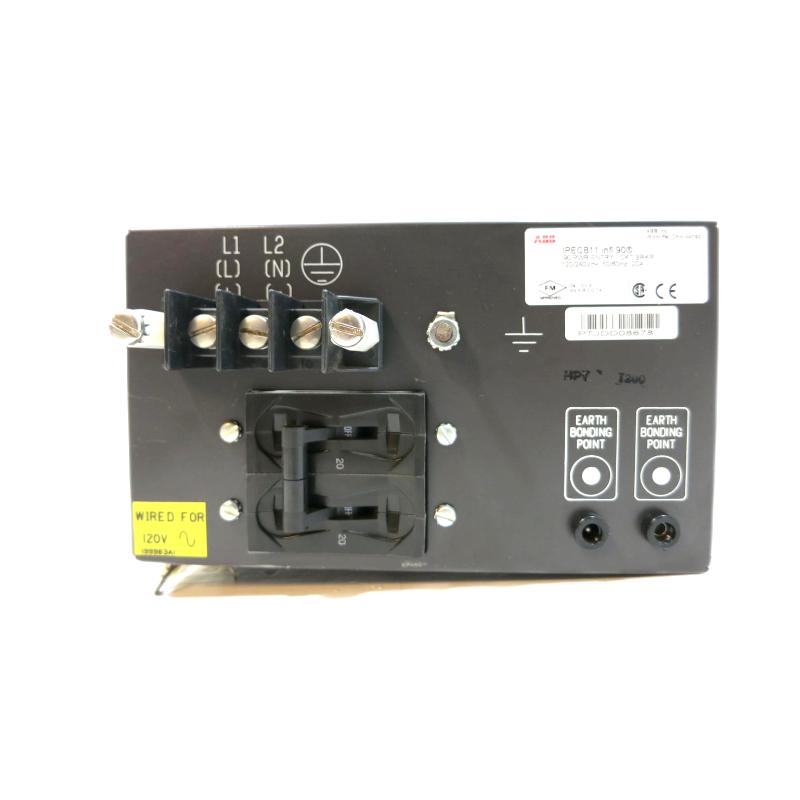
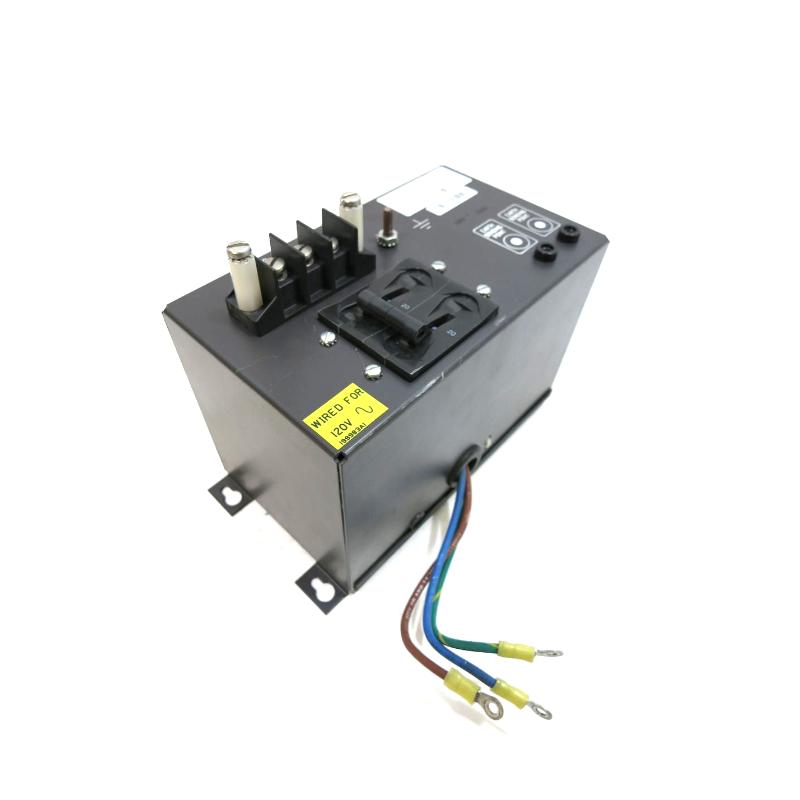
Product Introduction
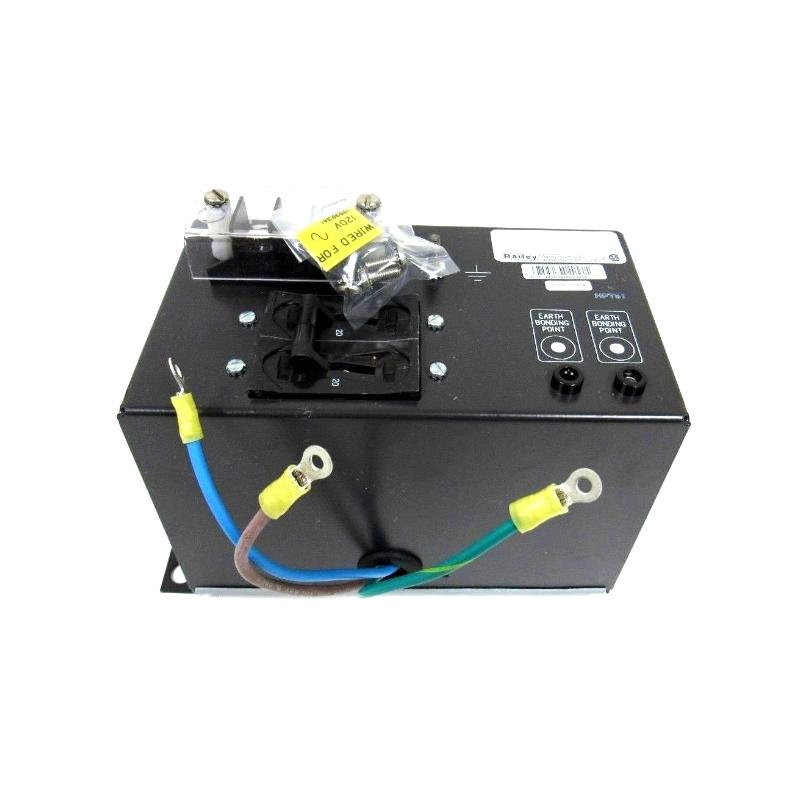
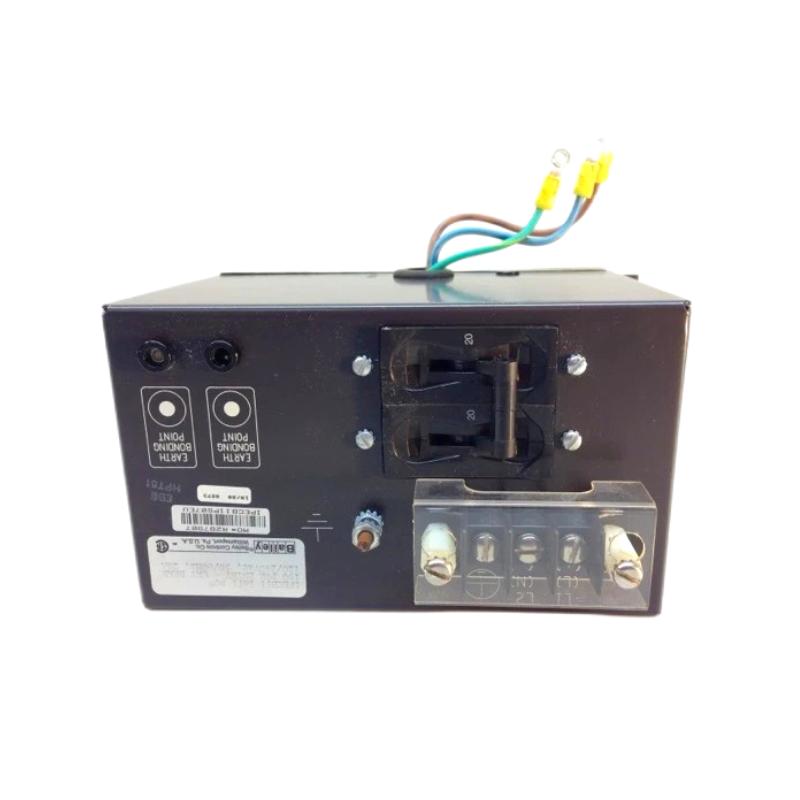
The ABB Bailey IPECB11 Power Input Circuit Breaker is a protective electrical component designed to safeguard power inputs within ABB Bailey INFI 90 distributed control systems. It acts as the first line of defense against electrical faults that could otherwise damage sensitive control modules.
In complex industrial control environments, electrical stability and protection are essential. The IPECB11 breaker monitors incoming power conditions and interrupts the circuit if abnormal current levels occur. This helps prevent equipment damage and improves the overall reliability of automation infrastructure.
The module is typically installed in control cabinets and electrical distribution panels used in power plants, chemical processing facilities, and other industrial automation systems.
Technical Specifications
| Parameter | Specification |
|---|
| Manufacturer | ABB Bailey |
| Model | IPECB11 |
| Module Type | Power Input Circuit Breaker |
| System Platform | INFI 90 Distributed Control System |
| Function | Power input protection and circuit isolation |
| Application | Electrical protection for control system power supply |
| Installation | Control cabinet / rack-mounted protection module |
| Operating Mode | Automatic fault protection and manual isolation |
| Industrial Usage | Power plants, petrochemical facilities, manufacturing systems |
| Dimensions | 114.3 × 193.04 × 162.56 mm |
| Weight | 2.55 kg (5.62 lb) |
Power Protection in Industrial Control Systems
The ABB Bailey IPECB11 Power Input Circuit Breaker is designed to protect control system power inputs within ABB Bailey INFI 90 distributed control environments. The module serves as a protective device that safeguards power supply circuits from electrical faults such as overloads or short circuits.
In large industrial automation systems, stable electrical protection is essential to maintain continuous operation and protect sensitive control modules. The IPECB11 circuit breaker provides a reliable mechanism to isolate power when abnormal electrical conditions occur, preventing damage to control system infrastructure.
Typical industrial installations include:
-
Power protection in INFI 90 control cabinets
-
Distributed control system power input safeguarding
-
Industrial automation panel protection
-
Process plant electrical protection systems
-
Power distribution safety in control rooms
-
Electrical fault isolation in automation infrastructure
By ensuring controlled power interruption during fault conditions, the module helps maintain operational safety and equipment integrity.
Functional Advantages
Reliable Overcurrent Protection
The module automatically interrupts power flow when abnormal current conditions are detected, protecting control system equipment.
Designed for INFI 90 System Integration
The circuit breaker is engineered specifically for ABB Bailey INFI 90 installations, ensuring compatibility with system power architectures.
Enhanced Equipment Safety
It protects sensitive control modules from damage caused by electrical faults or power surges.
Industrial-Grade Construction
Built for continuous operation within demanding industrial control environments.
Simplified Power Isolation
Provides a clear mechanism for isolating system power during maintenance or troubleshooting operations.
Technical FAQs
1. What is the main function of the IPECB11 module?
It provides circuit breaker protection for the power input of control system equipment.
2. Which system platform typically uses this module?
It is commonly used in ABB Bailey INFI 90 distributed control systems.
3. What electrical conditions does the circuit breaker protect against?
It protects against overcurrent, short circuits, and abnormal electrical loads.
4. Why is circuit breaker protection important in control systems?
It prevents damage to sensitive automation modules caused by electrical faults.
5. Can the breaker isolate power during maintenance?
Yes, it allows operators to safely disconnect power from the control system when required.
6. Is the module designed for continuous industrial operation?
Yes, it is built to operate reliably in 24/7 industrial environments.
7. Where is the circuit breaker typically installed?
It is installed within control cabinets or power distribution panels.
8. How does the module contribute to system reliability?
By preventing electrical faults from damaging critical automation hardware.
9. What industries commonly deploy this type of protection module?
Industries such as power generation, petrochemical processing, and manufacturing automation.
10. Does the circuit breaker help reduce downtime?
Yes, by isolating electrical faults quickly, it helps protect equipment and maintain system availability.
 A DCS Q Co., Ltd. - PLC and DCS Industrial Control Equipment Wholesale