Typical Industrial Use Cases
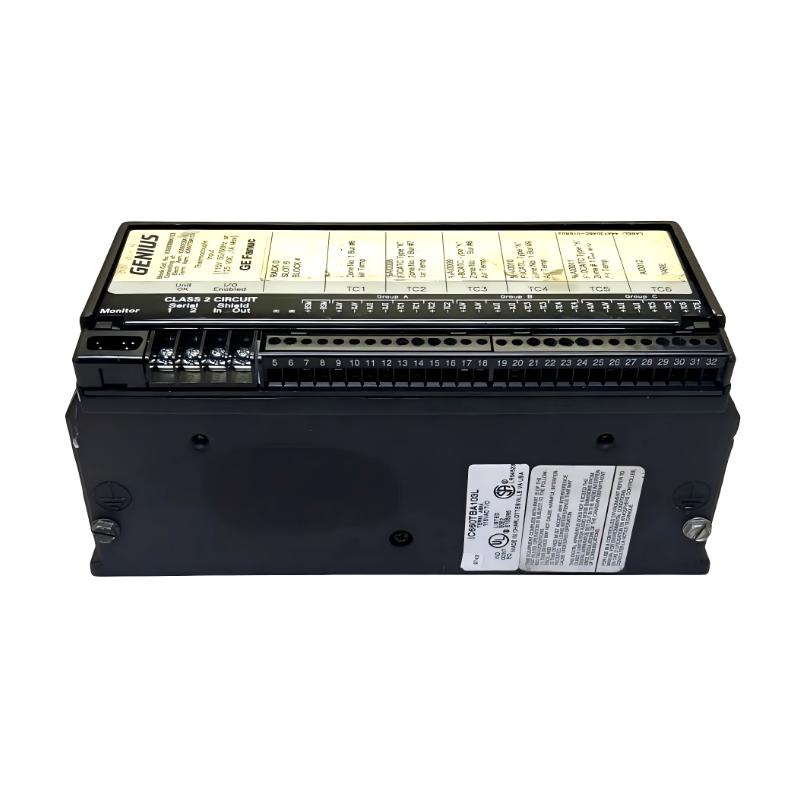
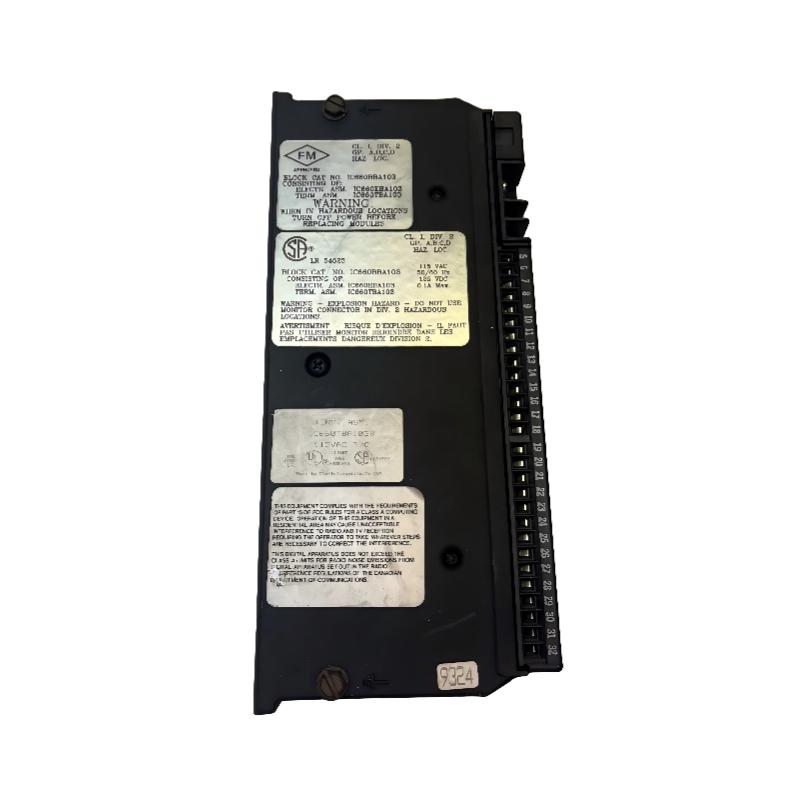
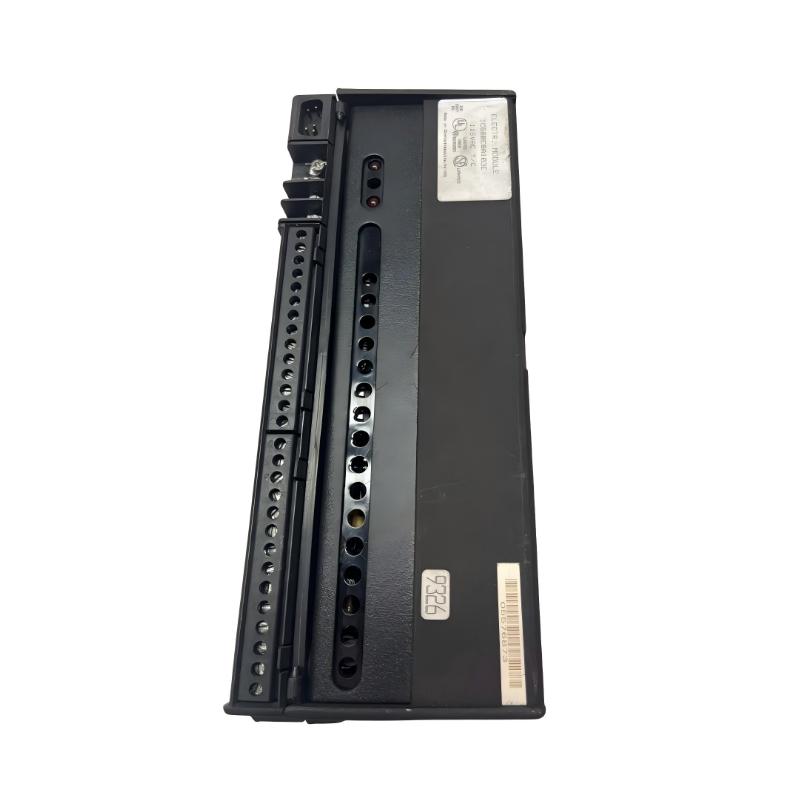
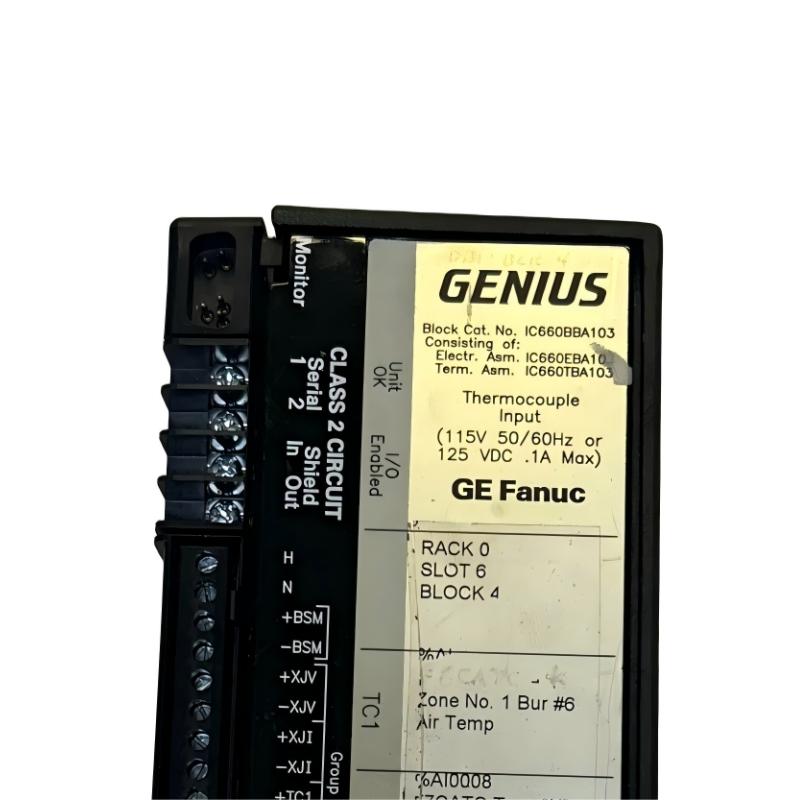
The GE Fanuc IC660BBA103 Thermocouple Input Module is designed for industrial automation systems that require reliable temperature monitoring through thermocouple sensors. As a component of the Genius distributed I/O platform, the module allows temperature data from remote sensing points to be transmitted efficiently to a central PLC controller.
This module is commonly used in industries where temperature is a critical process variable. Typical industrial implementations include:
-
Metal processing and heat treatment equipment
-
Industrial furnace and kiln temperature monitoring
-
Chemical and petrochemical process plants
-
Power generation and turbine monitoring systems
-
Plastics extrusion and injection molding machinery
-
Large manufacturing plants requiring distributed temperature sensing
Through integration with the Genius I/O communication network, the module enables centralized monitoring of multiple temperature points across complex production environments.
Key Performance Advantages
Reliable Thermocouple Signal Acquisition
The module is optimized to receive and process thermocouple signals, enabling accurate temperature measurements across industrial processes.
Distributed Temperature Monitoring
Using the Genius I/O architecture, temperature data can be collected from remote locations and transmitted to the PLC without extensive field wiring.
Industrial-Grade Design
The hardware is engineered to operate reliably in industrial conditions with electrical interference, vibration, and long operating cycles.
Integrated Diagnostic Capabilities
LED indicators provide real-time operational status and help technicians quickly detect communication or sensor faults.
Flexible Automation System Integration
The module integrates easily with GE Fanuc PLC systems that support Genius distributed I/O networks, supporting scalable automation architecture.
Technical FAQs for Industrial Engineers
1. What type of sensors are compatible with the IC660BBA103 module?
The module is designed to work with thermocouple temperature sensors.
2. Can the module operate within distributed I/O systems?
Yes, it is built to function as part of the Genius distributed I/O communication network.
3. Which industrial processes typically require thermocouple monitoring?
Processes involving high temperatures, such as furnace operation, heat treatment, and chemical processing.
4. Does the module provide fault detection for thermocouple circuits?
Yes, it can detect abnormal sensor conditions such as open thermocouple circuits.
5. How does the module transmit temperature data to the PLC?
Temperature data is communicated through the Genius I/O bus to the host controller.
6. Is the module suitable for harsh industrial environments?
Yes, it is designed to maintain stable operation in electrically noisy and demanding factory environments.
7. Can multiple thermocouple inputs be monitored simultaneously?
Yes, the module supports multiple thermocouple channels depending on the system configuration.
8. Does the module include diagnostic indicators?
Yes, LED indicators display module status and communication activity.
9. Can this module be integrated into existing Genius I/O systems?
Yes, it is compatible with established Genius distributed control architectures.
10. Is it suitable for continuous production facilities?
Yes, the module is designed for continuous operation in industrial automation systems.
 A DCS Q Co., Ltd. - PLC and DCS Industrial Control Equipment Wholesale