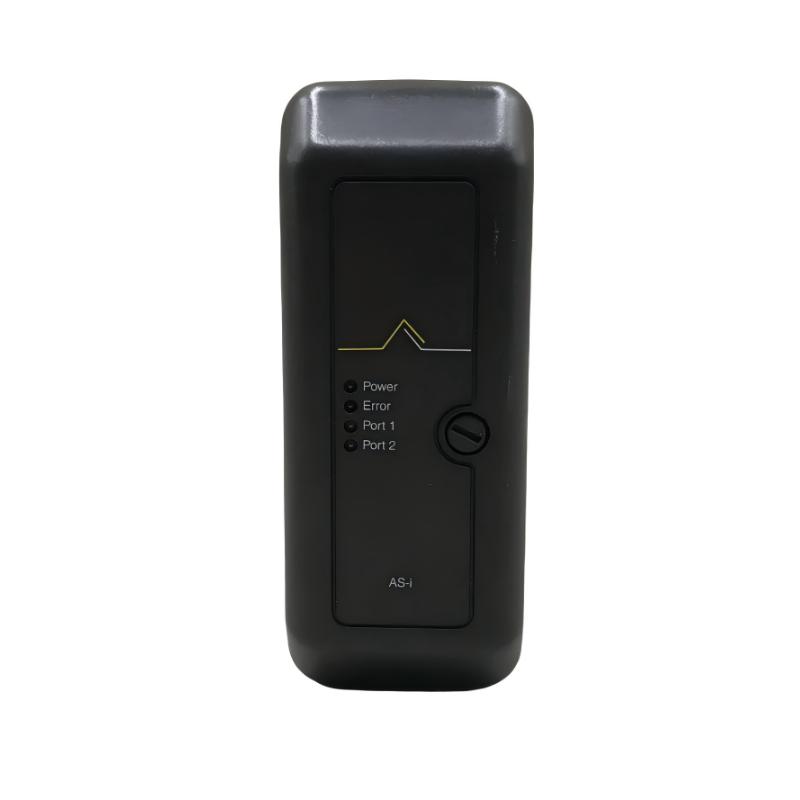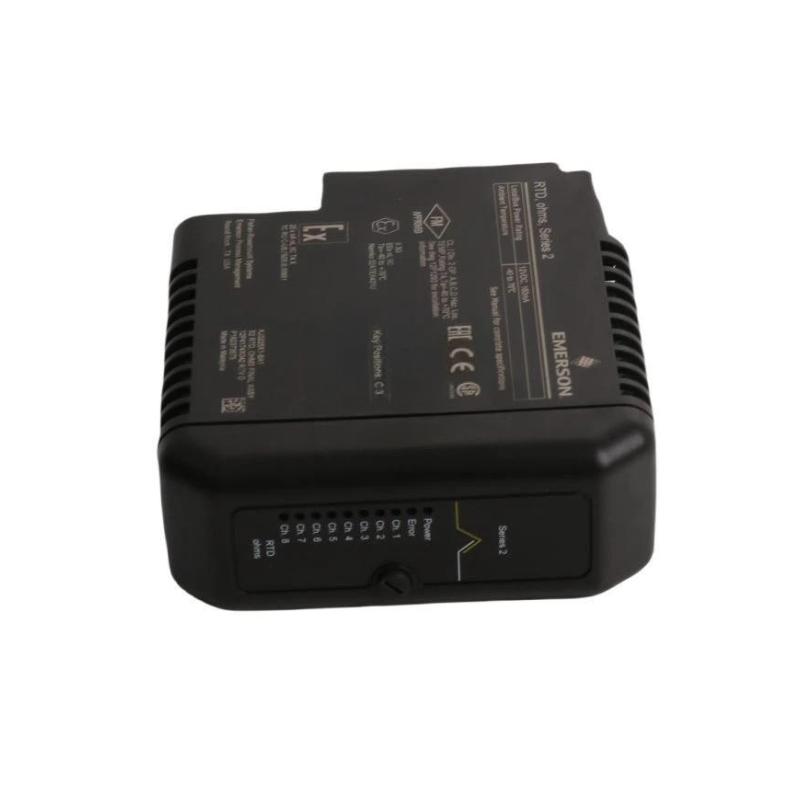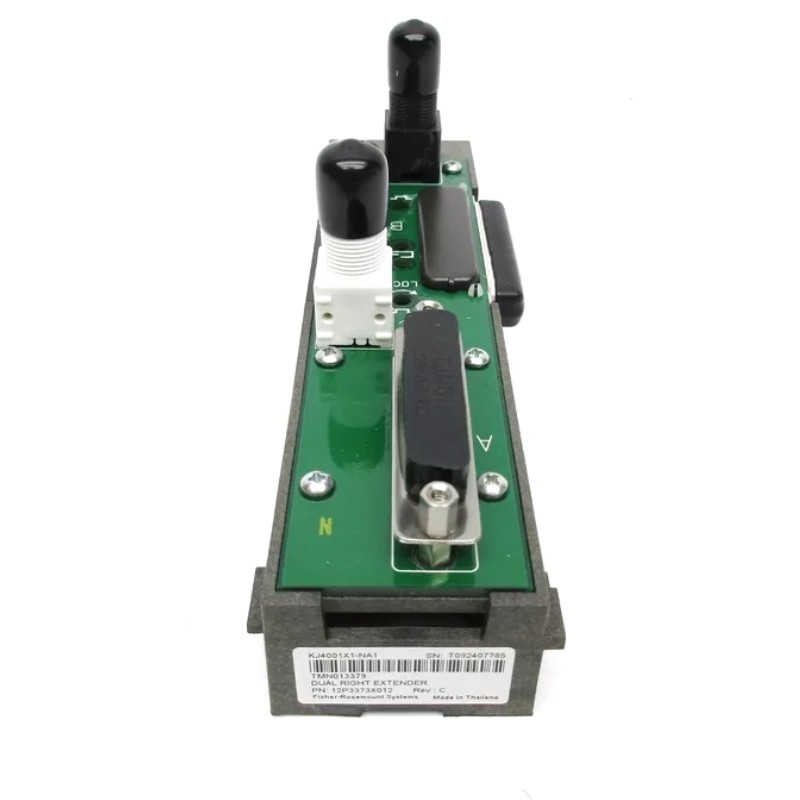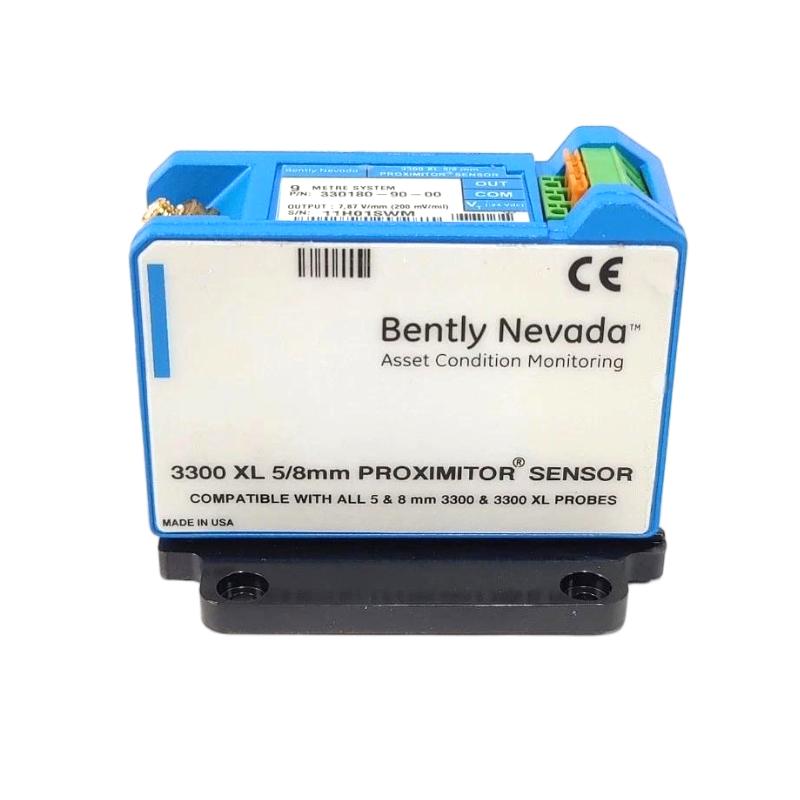
Product Introduction
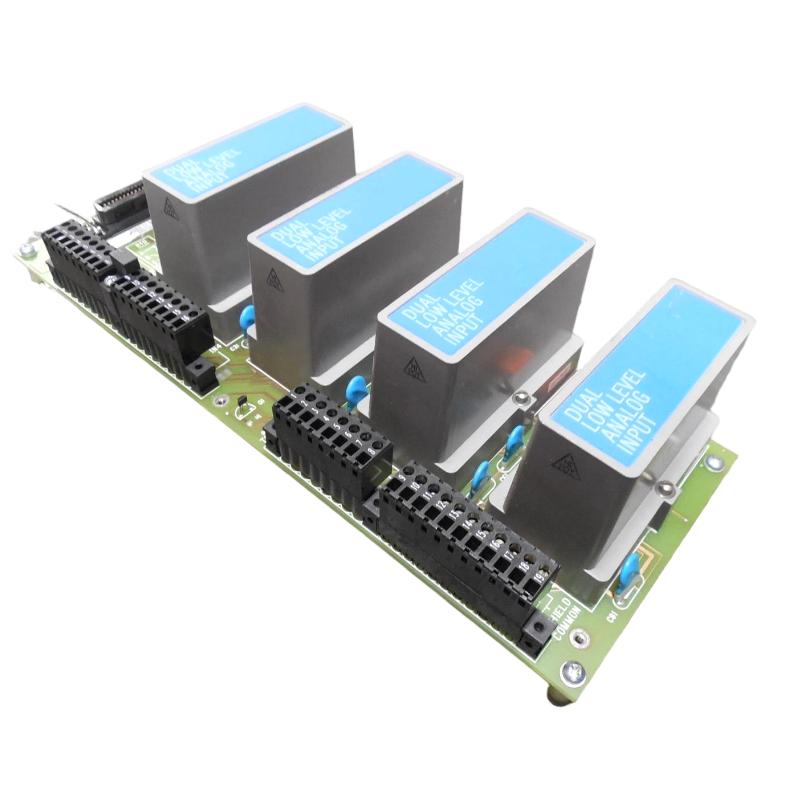
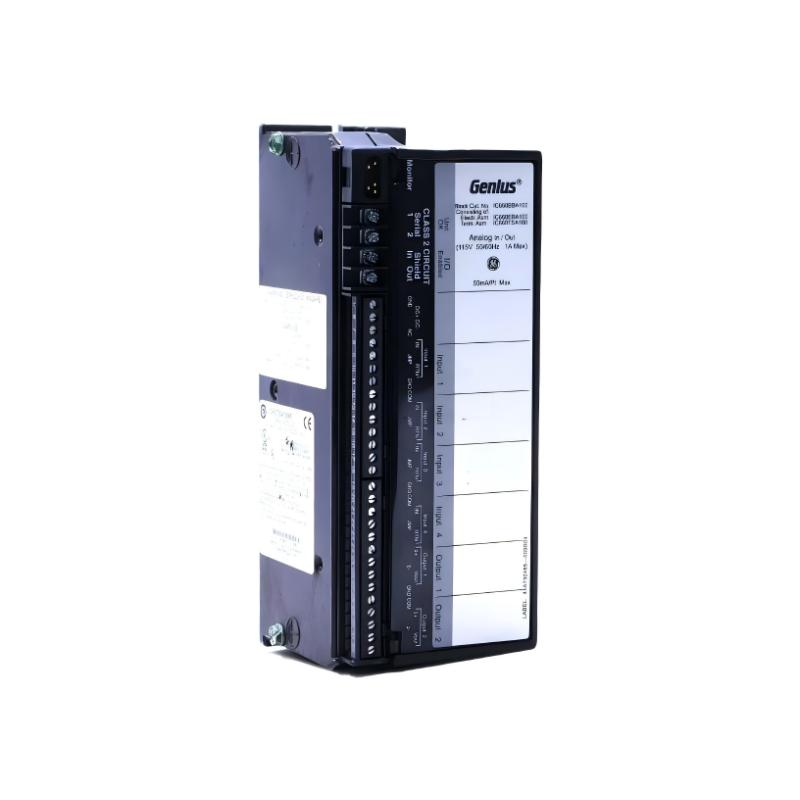
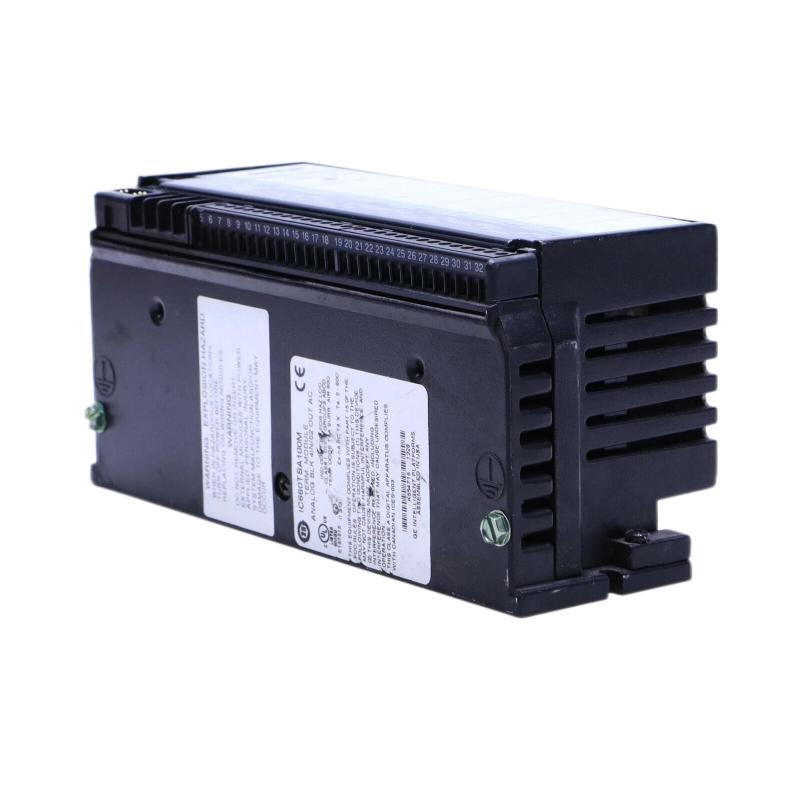
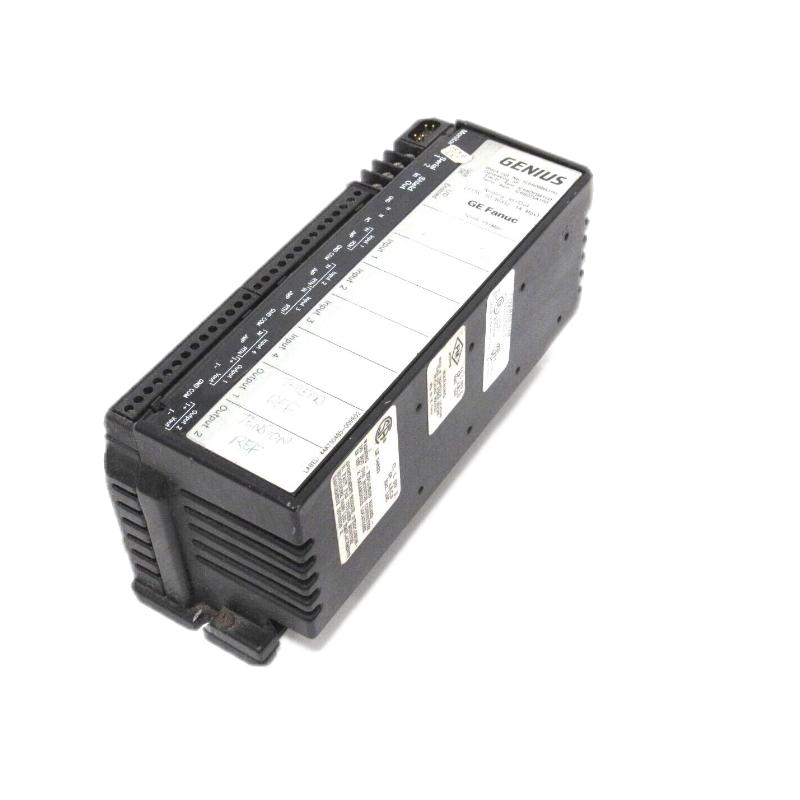
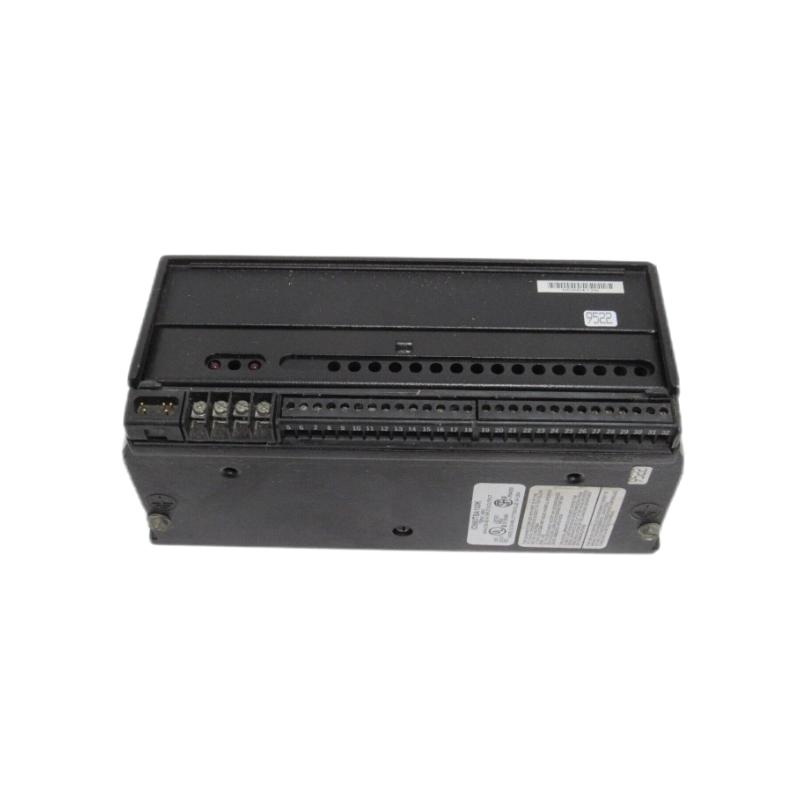
The GE Fanuc IC660BBA100 Current Source Analog I/O Module is a specialized component within the Genius distributed I/O platform, developed to interface industrial controllers with field instrumentation that uses current-based analog signals.
In many industrial facilities, process variables such as pressure, temperature, and flow are transmitted as current signals. This module allows those signals to be collected from remote locations and transferred to a central PLC system for monitoring and control.
Engineers rely on this module when designing automation systems that require stable and accurate analog signal processing within distributed network architectures. Its compatibility with Genius I/O infrastructure allows seamless integration into existing GE Fanuc automation systems.
Technical Specifications
| Parameter | Specification |
|---|
| Manufacturer | GE Fanuc |
| Model | IC660BBA100 |
| Module Type | Current Source Analog I/O Module |
| System Compatibility | Genius I/O Architecture |
| Signal Type | Current Source Analog Signals |
| Installation Method | Rack / Panel Mount |
| Diagnostic Features | LED Status Indicators |
| Industrial Application | Process Monitoring and Control |
| Dimensions | 224.4 × 88.9 × 100 mm |
| Weight | 1.81 kg (3.99 lb) |
Industrial Application Scenarios
The GE Fanuc IC660BBA100 Current Source Analog I/O Module is designed for distributed industrial control environments where precise analog signal handling is required. As part of the Genius I/O family, this module allows automation systems to interface with field instruments that operate using current-based signals.
This module is commonly implemented in systems where accurate analog measurement and control are essential. Typical industrial applications include:
-
Process industries such as chemical production and refining
-
Industrial flow, pressure, and level monitoring systems
-
Power plant instrumentation networks
-
Distributed process control systems in manufacturing facilities
-
Environmental monitoring and control equipment
-
Automation systems requiring 4–20 mA current signal communication
The module enables reliable analog data acquisition and signal transmission across the Genius distributed I/O network.
Key Advantages for Process Automation
Precise Current Signal Handling
The module is designed to support current-based analog signals, allowing accurate acquisition and transmission of process measurements.
Distributed Control Integration
Through the Genius I/O architecture, the module allows analog signals from field devices to be transmitted efficiently to centralized PLC systems.
Industrial Reliability
Engineered for demanding industrial environments, the module maintains stable performance in areas with electrical noise and continuous operational loads.
Efficient Monitoring and Diagnostics
Integrated LED indicators provide operational feedback, helping technicians quickly verify module status and communication activity.
Flexible System Expansion
The module can be incorporated into existing Genius-based control networks, enabling easy expansion of analog monitoring capabilities.
Technical FAQs for Automation Engineers
1. What type of signals does the IC660BBA100 module process?
It processes current-based analog signals typically used in industrial instrumentation systems.
2. What types of field devices commonly connect to this module?
Flow transmitters, pressure sensors, level transmitters, and other industrial instruments that output current signals.
3. Can the module operate in distributed I/O architectures?
Yes, it is designed to function within the Genius distributed I/O communication network.
4. Is the module suitable for process control applications?
Yes, it is widely used in process industries where accurate analog signal monitoring is required.
5. Does the module provide diagnostic indicators?
Yes, LED indicators display operational status and communication conditions.
6. Can it be integrated with GE Fanuc PLC systems?
Yes, it is compatible with automation systems that support Genius I/O architecture.
7. How does the module improve plant monitoring capabilities?
By collecting analog signals from remote devices and transmitting them to the PLC for analysis and control.
8. Is the module designed for continuous industrial operation?
Yes, it is built for long-term operation in demanding industrial environments.
9. Can the module be installed in standard industrial control cabinets?
Yes, it is designed for rack or panel installation within automation enclosures.
10. Does the module support multiple analog channels?
Yes, it can manage multiple analog current inputs depending on system configuration.
 A DCS Q Co., Ltd. - PLC and DCS Industrial Control Equipment Wholesale