Typical Deployment Environments
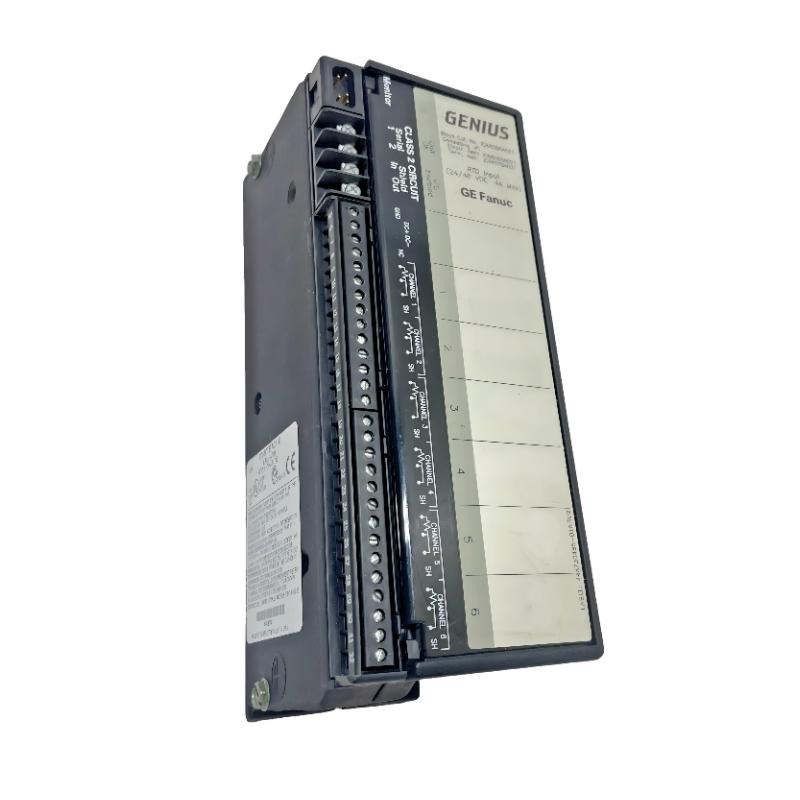
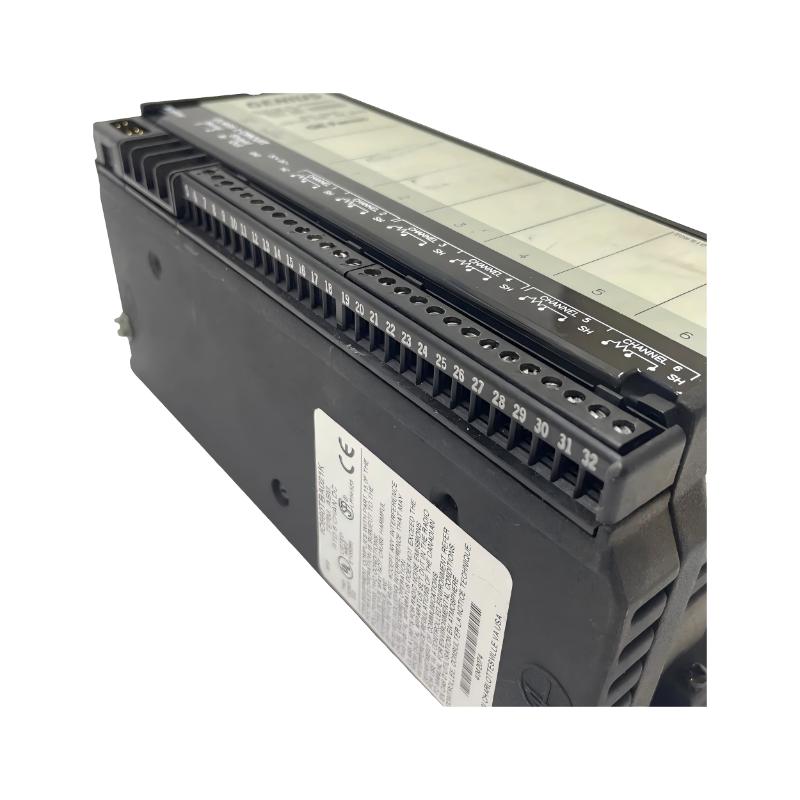
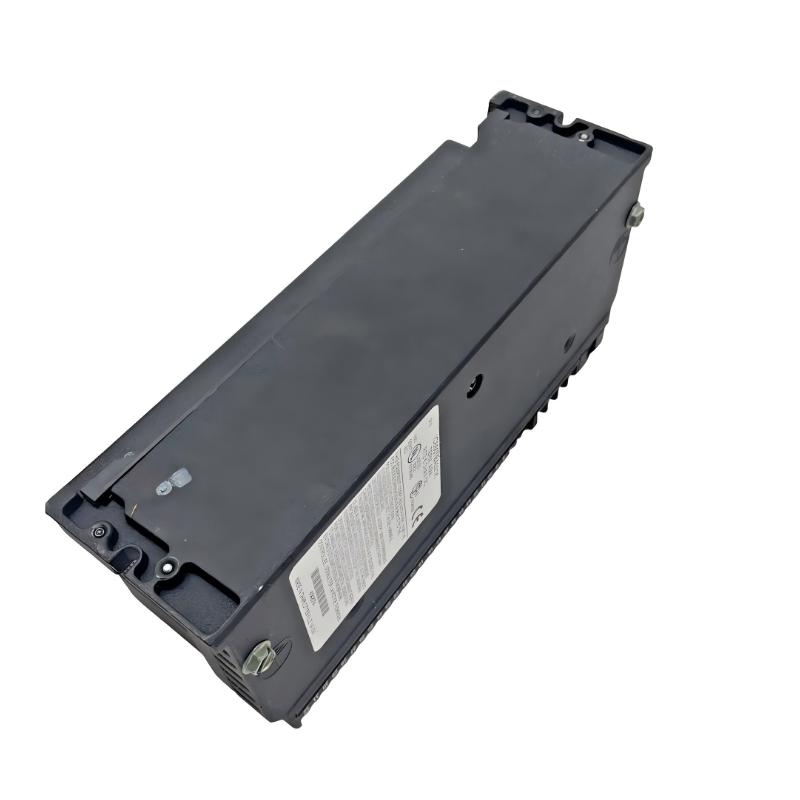
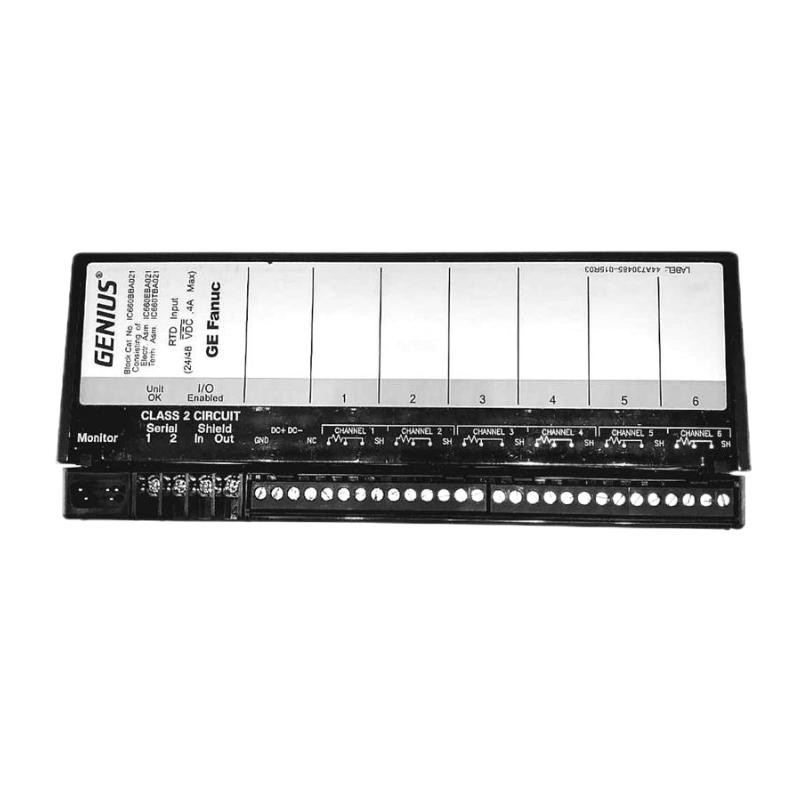
The GE Fanuc IC660BBA021 PLC Module is designed for distributed industrial automation systems that require reliable I/O communication between field devices and centralized controllers. As part of the Genius I/O family, the module functions as a Bus Controller, enabling efficient data exchange across industrial networks.
It is commonly deployed in the following environments:
-
Distributed manufacturing control systems
-
Automated conveyor and material handling lines
-
Power generation and utility monitoring systems
-
Industrial packaging machinery
-
Automotive assembly automation
-
Process monitoring systems with remote I/O requirements
Because of its robust communication capabilities, the module is well suited for installations where field-level devices must communicate efficiently with a central PLC or control platform.
Operational Strengths and System Advantages
Reliable Distributed I/O Communication
The module acts as a bus controller for Genius I/O networks, enabling stable communication between the host PLC and remote I/O blocks.
Efficient Network Data Handling
Designed to handle multiple data channels simultaneously, the controller ensures consistent data exchange across distributed automation systems.
Industrial Durability
The hardware is engineered to perform reliably in demanding factory environments with electrical noise, vibration, and continuous operation.
Flexible System Integration
It integrates with multiple GE Fanuc PLC architectures, allowing engineers to design scalable control networks.
Simplified Diagnostics
Status indicators and built-in diagnostics assist maintenance teams in identifying network or module communication issues quickly.
Technical Questions Frequently Raised by Engineers
1. What is the primary function of the IC660BBA021 module?
It operates as a Genius Bus Controller, managing communication between the PLC and Genius distributed I/O devices.
2. Which communication network does this module support?
It is designed for the Genius I/O communication network used in GE Fanuc automation systems.
3. How many I/O devices can be connected through the Genius network?
The network can support multiple Genius I/O blocks depending on system configuration and network design.
4. Does the module provide diagnostic indicators?
Yes, LED indicators are provided to display module status, network activity, and fault conditions.
5. Can the module operate in distributed automation architectures?
Yes, it is specifically designed to manage remote I/O networks across distributed industrial installations.
6. What type of PLC systems typically use this module?
It is commonly integrated with GE Fanuc PLC systems that support the Genius I/O communication architecture.
7. How does the module handle network fault detection?
Built-in diagnostic monitoring detects communication interruptions or device faults within the network.
8. Is the module suitable for high-noise industrial environments?
Yes, the design includes electrical noise immunity suitable for factory automation installations.
9. Can the module support continuous industrial operation?
Yes, it is engineered for long-term continuous operation in industrial control systems.
10. Does the module require special configuration software?
Configuration is typically performed through the PLC programming environment used with the Genius I/O network.
 A DCS Q Co., Ltd. - PLC and DCS Industrial Control Equipment Wholesale