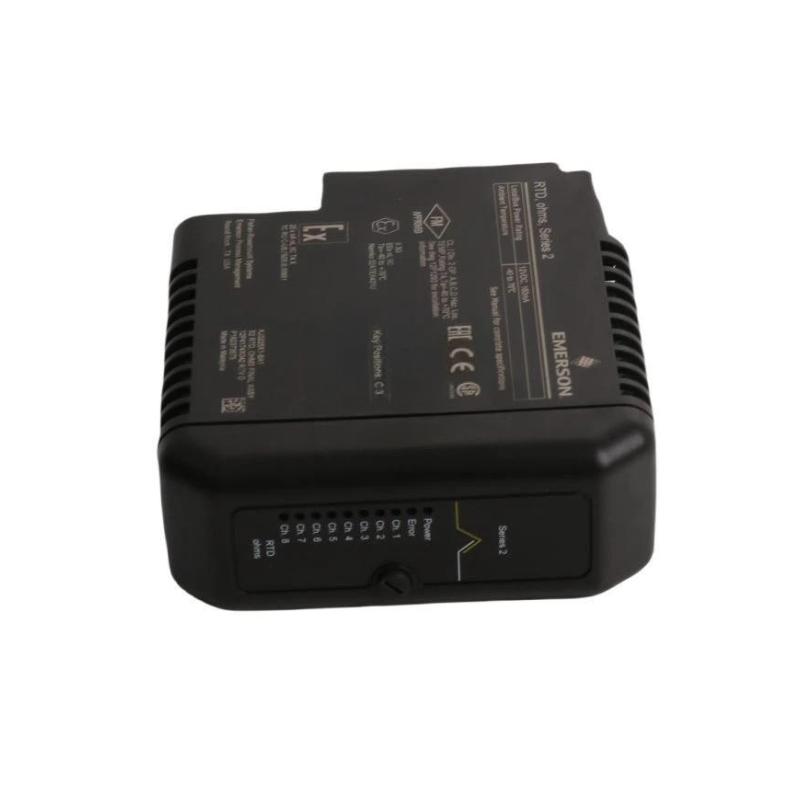
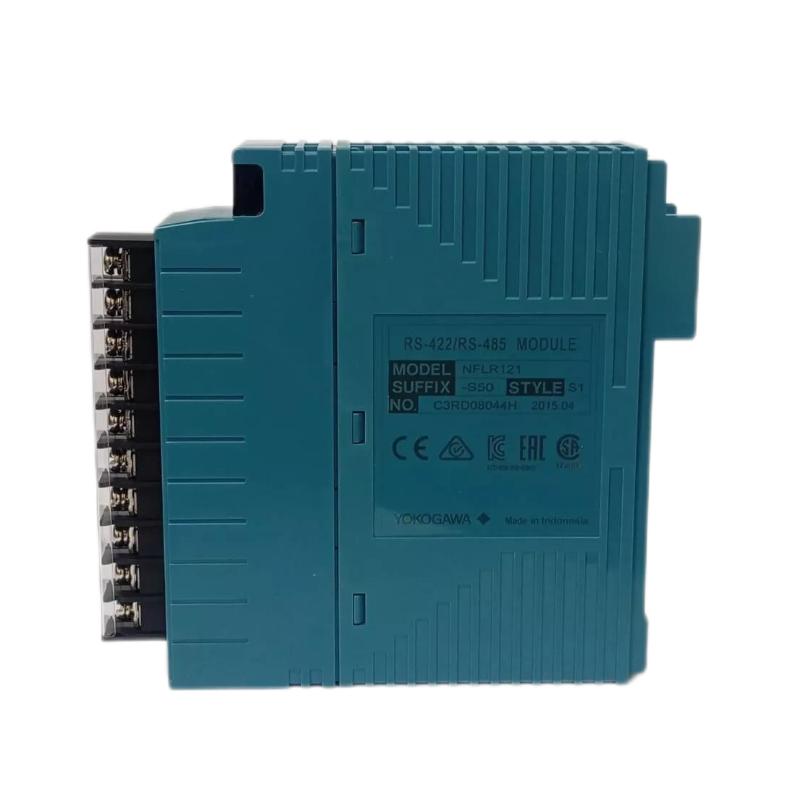
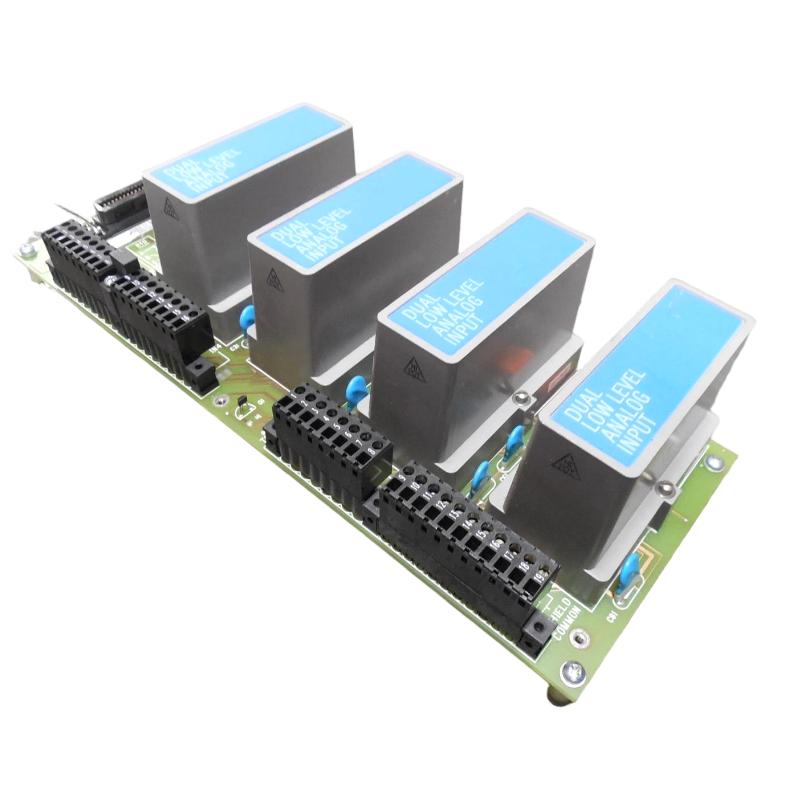
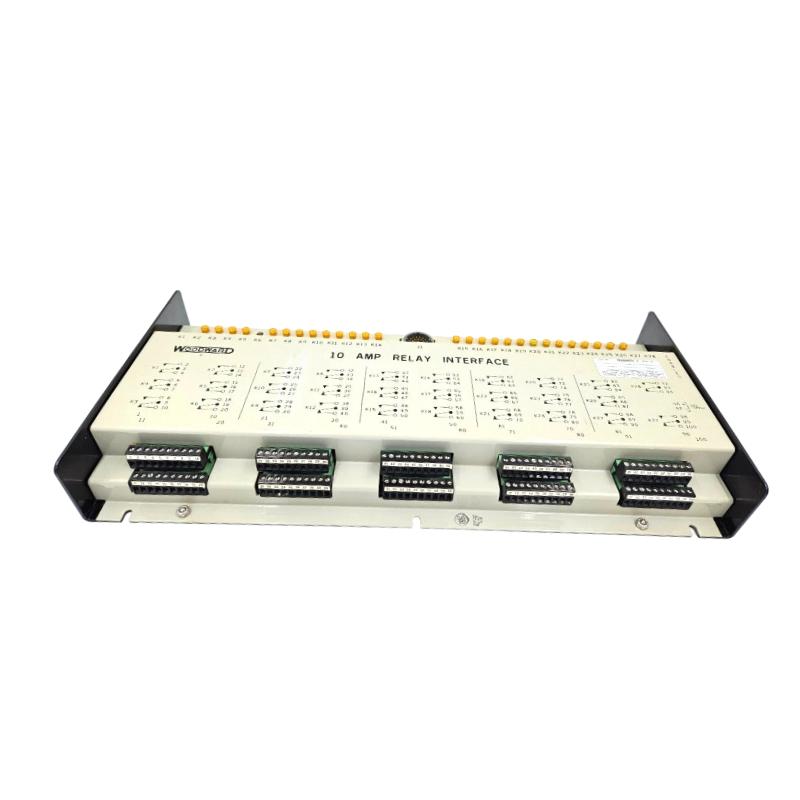
Deployment in Machinery Protection and Monitoring Systems
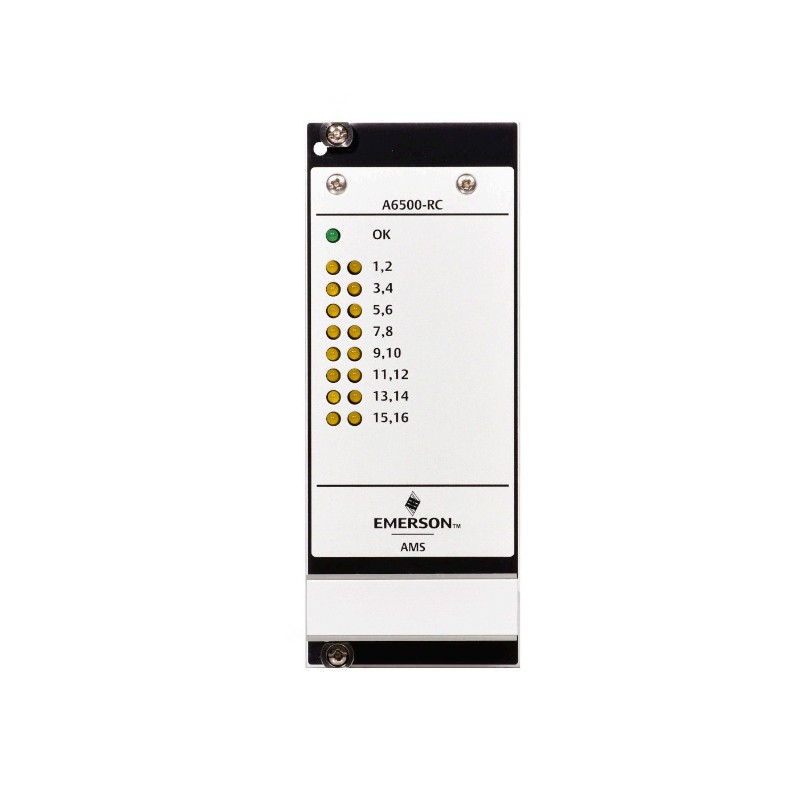
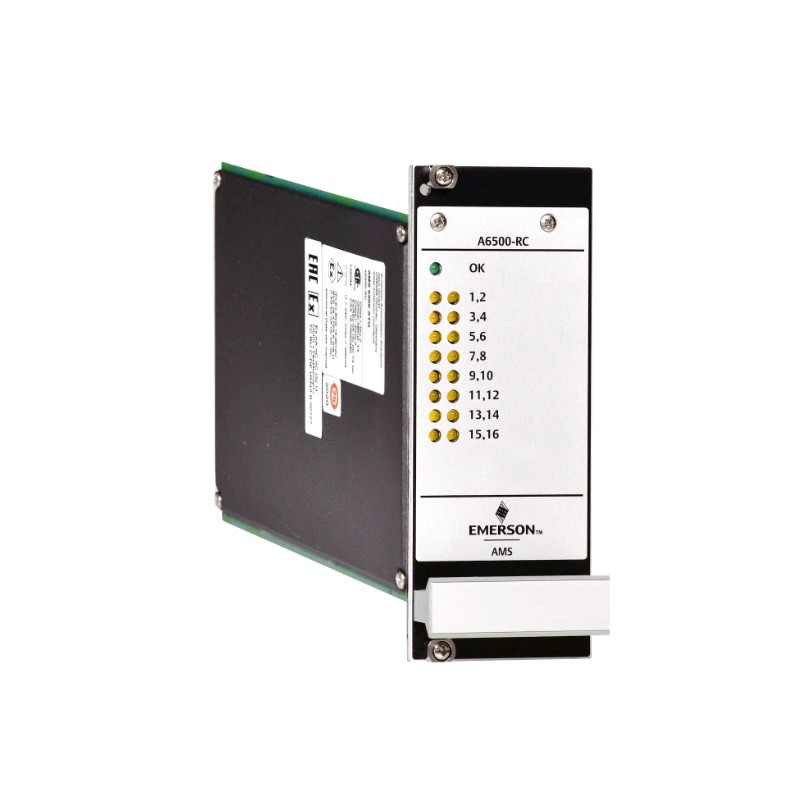
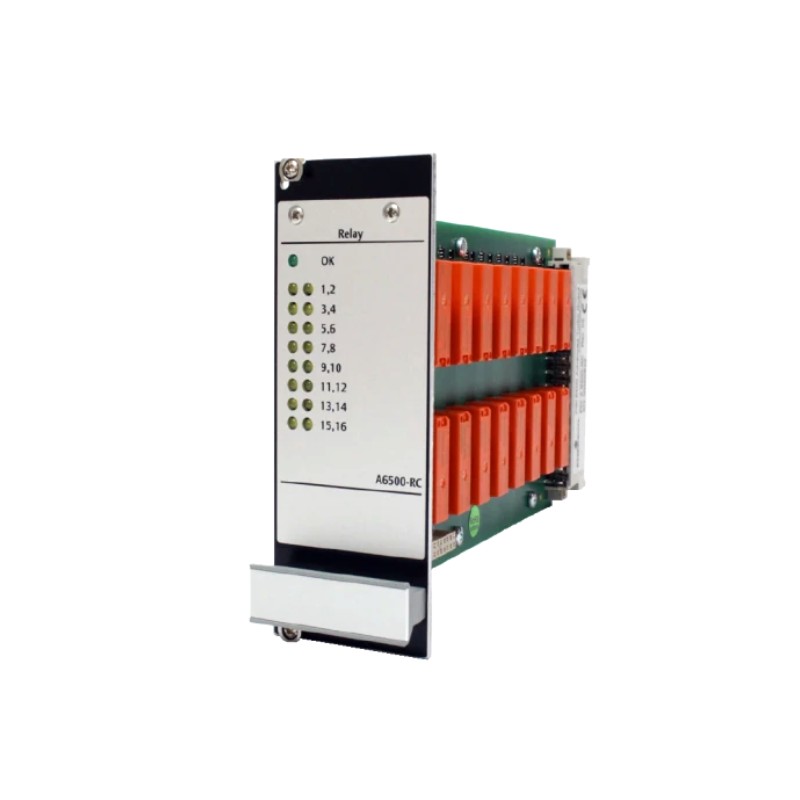
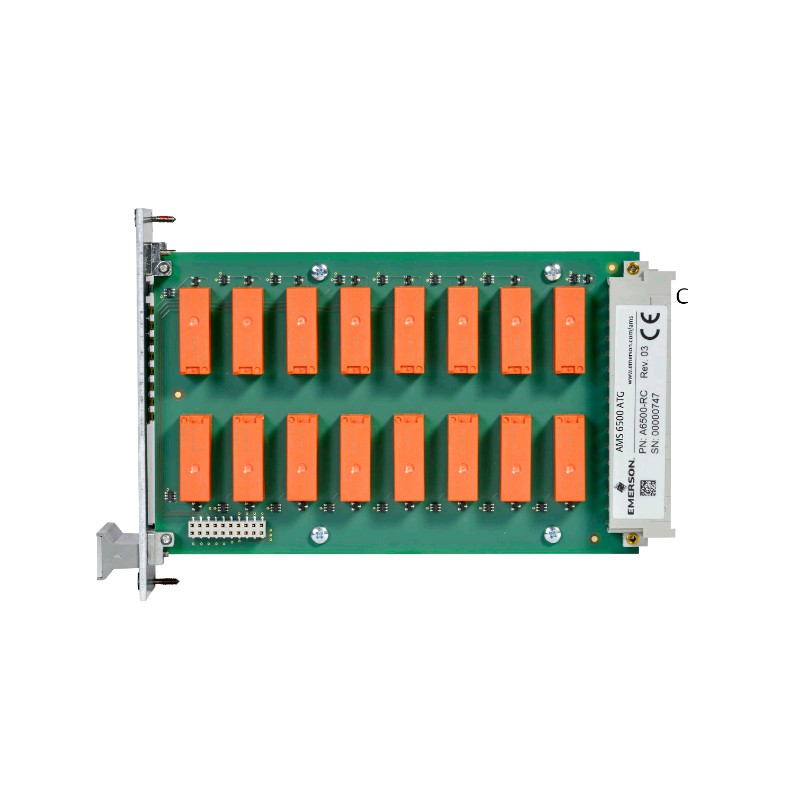
The Emerson A6500-RC Relay Card is designed to provide relay-based output functions within industrial machinery monitoring and protection systems. Relay cards are essential for converting monitoring signals into actionable outputs such as alarms, shutdown triggers, or control commands.
This module is commonly implemented in applications including:
-
Turbine protection systems in power generation plants
-
Compressor monitoring platforms in petrochemical facilities
-
Rotating machinery protection systems in oil and gas operations
-
Industrial equipment safety monitoring infrastructures
-
Integrated machinery condition monitoring networks
By enabling relay outputs from monitoring systems, the card allows automated responses when operational parameters exceed defined safety limits.
Operational Advantages in Industrial Protection Systems
Reliable Alarm and Shutdown Outputs
The relay card enables monitoring systems to activate alarms or initiate shutdown procedures.
Integration with Machinery Protection Platforms
It works alongside vibration monitors, speed monitors, and other protection modules.
Fast Response to Critical Conditions
Relay outputs provide immediate response signals when abnormal conditions are detected.
Improved Equipment Safety
The module contributes to automated protective actions that safeguard critical machinery.
Flexible System Integration
Relay outputs can interface with plant control systems, safety circuits, or annunciator panels.
Technical FAQs
1. What is the primary function of the A6500-RC relay card?
It provides relay outputs that allow monitoring systems to trigger alarms or protective actions.
2. How does a relay card operate in a monitoring system?
It converts electronic signals from monitoring modules into switching outputs for external circuits.
3. What types of actions can relay outputs initiate?
They can activate alarms, stop machinery, trigger safety interlocks, or send control signals.
4. What equipment commonly uses relay output modules?
Turbines, compressors, generators, and other critical industrial machinery.
5. Can relay outputs connect to plant safety systems?
Yes, they can interface with safety circuits or control systems to initiate protective responses.
6. Why are relay outputs important in machinery protection systems?
They provide the physical switching mechanism needed to activate alarms or shutdown procedures.
7. Where is the relay card typically installed?
It is usually installed in machinery monitoring racks or control cabinets.
8. What industries commonly use relay output cards?
Power generation, oil and gas processing, petrochemical plants, and heavy industrial manufacturing.
9. How do relay modules improve operational safety?
They allow automatic responses when monitoring systems detect unsafe operating conditions.
10. What maintenance practices help ensure reliable relay operation?
Periodic testing of relay switching functions, inspection of connections, and verification of alarm circuits.
 A DCS Q Co., Ltd. - PLC and DCS Industrial Control Equipment Wholesale