Application Scope in Thermal Expansion Monitoring
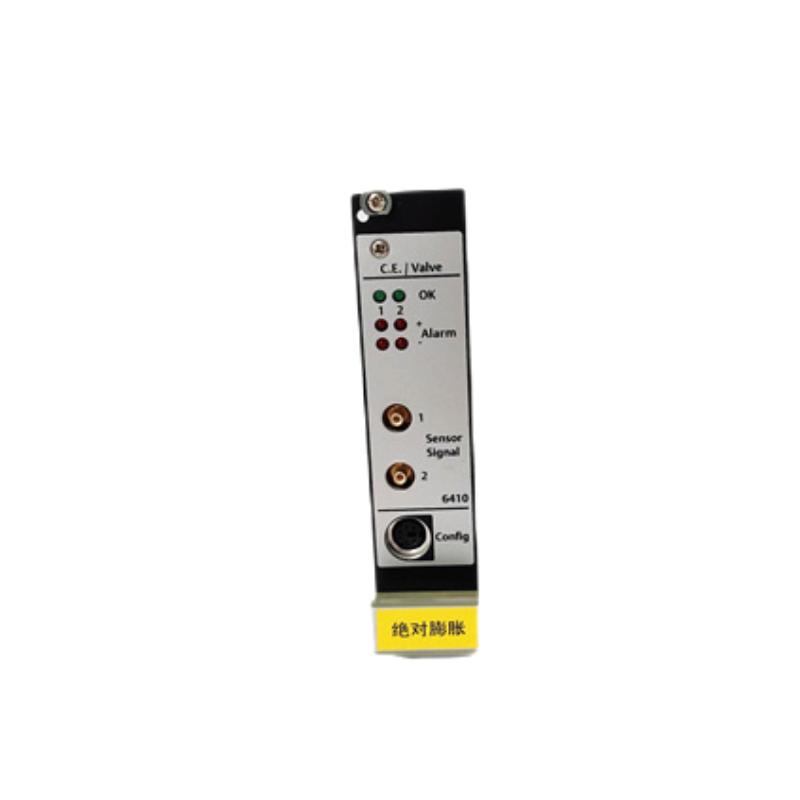
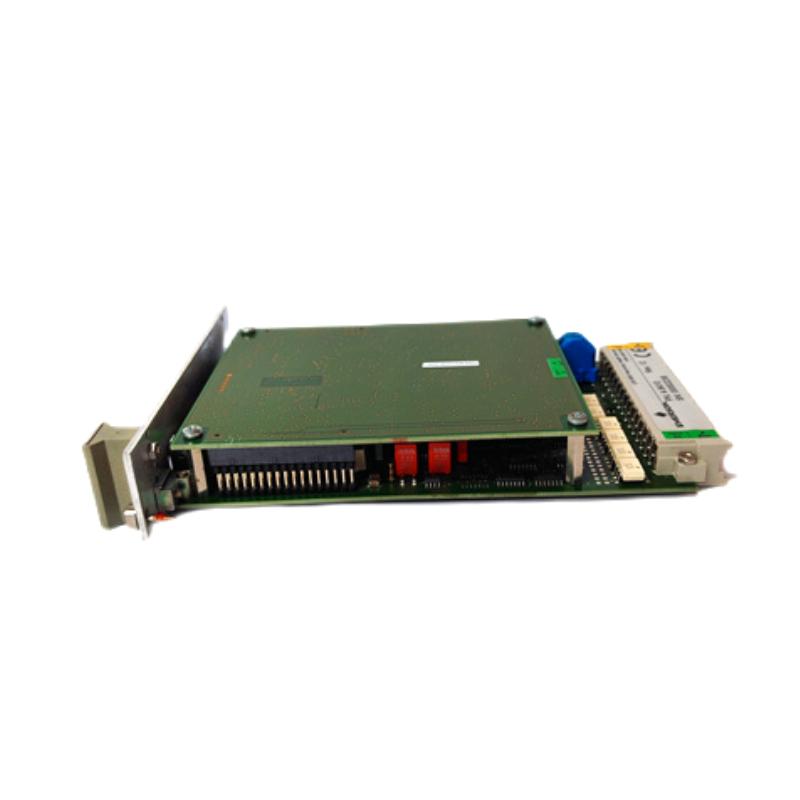
The Emerson A6410 Valve and Housing Expansion Monitor is designed to measure and supervise thermal expansion in industrial machinery components such as valves and equipment housings. In high-temperature operating environments, components naturally expand due to thermal effects, and monitoring this expansion is critical for maintaining safe and stable machine operation.
This monitor is typically implemented in systems such as:
-
Steam turbine valve monitoring systems in power plants
-
Thermal expansion supervision for turbine casings and housings
-
High-temperature process equipment in petrochemical facilities
-
Valve actuation systems in refinery operations
-
Industrial machinery requiring precise thermal expansion tracking
By continuously measuring expansion levels, the module helps operators detect abnormal conditions that could affect mechanical alignment or system integrity.
Operational Advantages in Expansion Monitoring
Accurate Thermal Expansion Measurement
The monitor tracks expansion changes in machine housings and valve assemblies caused by temperature variations.
Early Detection of Mechanical Stress
Unusual expansion patterns can indicate potential mechanical stress or alignment issues.
Improved Equipment Safety
Continuous monitoring helps prevent damage resulting from excessive thermal movement.
Integration with Machinery Monitoring Systems
The module can be incorporated into plant-wide machinery condition monitoring platforms.
Supports Predictive Maintenance Programs
Operators can analyze expansion trends to anticipate maintenance requirements.
Technical FAQs
1. What is the main function of the A6410 expansion monitor?
It measures thermal expansion in valves and machine housings during equipment operation.
2. Why is thermal expansion monitoring important in industrial machinery?
Excessive expansion can cause mechanical stress, misalignment, or structural damage.
3. What types of sensors are typically used with expansion monitors?
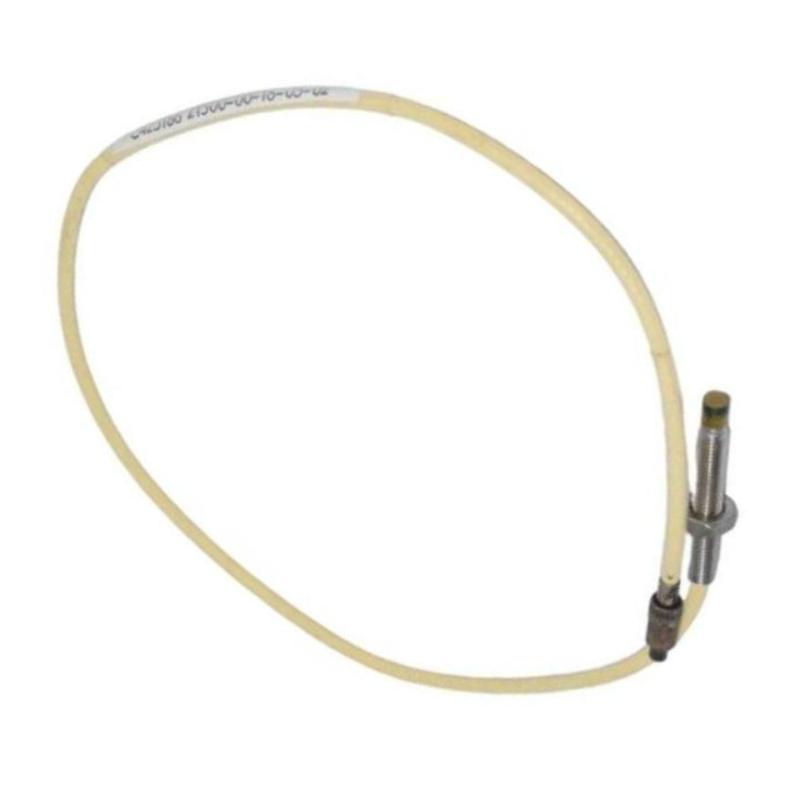
Linear displacement sensors or proximity probes are commonly used.
4. Which equipment commonly requires expansion monitoring?
Steam turbines, large valves, compressors, and other high-temperature machinery.
5. How does thermal expansion affect machinery performance?
Uncontrolled expansion can alter component alignment and reduce equipment efficiency.
6. Can this monitor integrate with plant control systems?
Yes, monitoring outputs can connect to control systems or condition monitoring platforms.
7. Where is the monitor typically installed?
It is usually installed in machinery monitoring racks or control cabinets.
8. How does the monitor help prevent mechanical failures?
It provides early warning of abnormal expansion that could damage equipment components.
9. What industries benefit from expansion monitoring systems?
Power generation, oil and gas processing, petrochemical production, and heavy manufacturing.
10. What maintenance practices are recommended for expansion monitoring systems?
Regular sensor inspection, calibration checks, and verification of signal connections.
 A DCS Q Co., Ltd. - PLC and DCS Industrial Control Equipment Wholesale