Typical Deployment in Distributed Control Systems
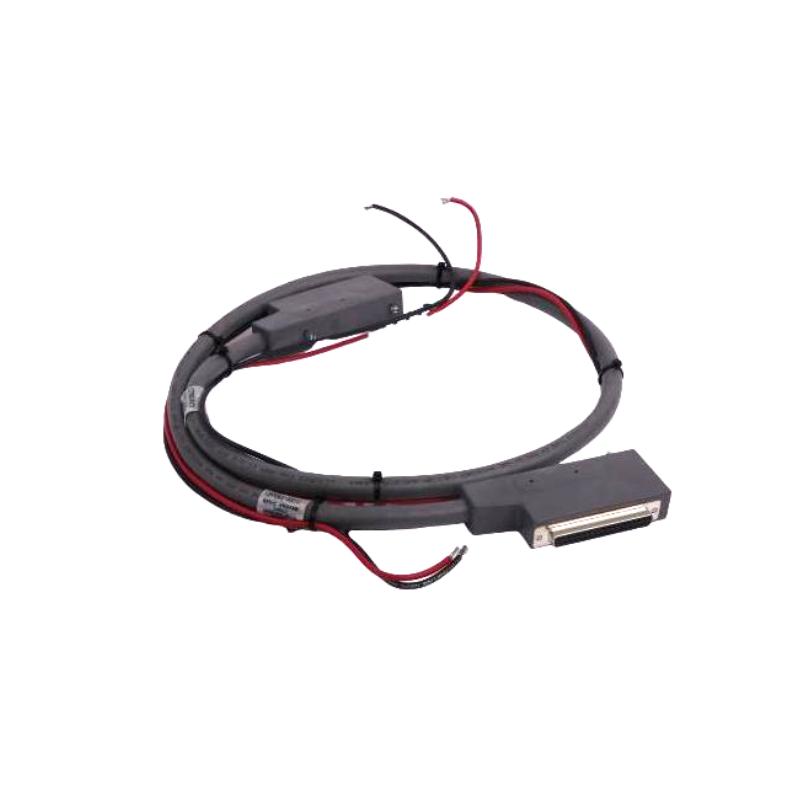
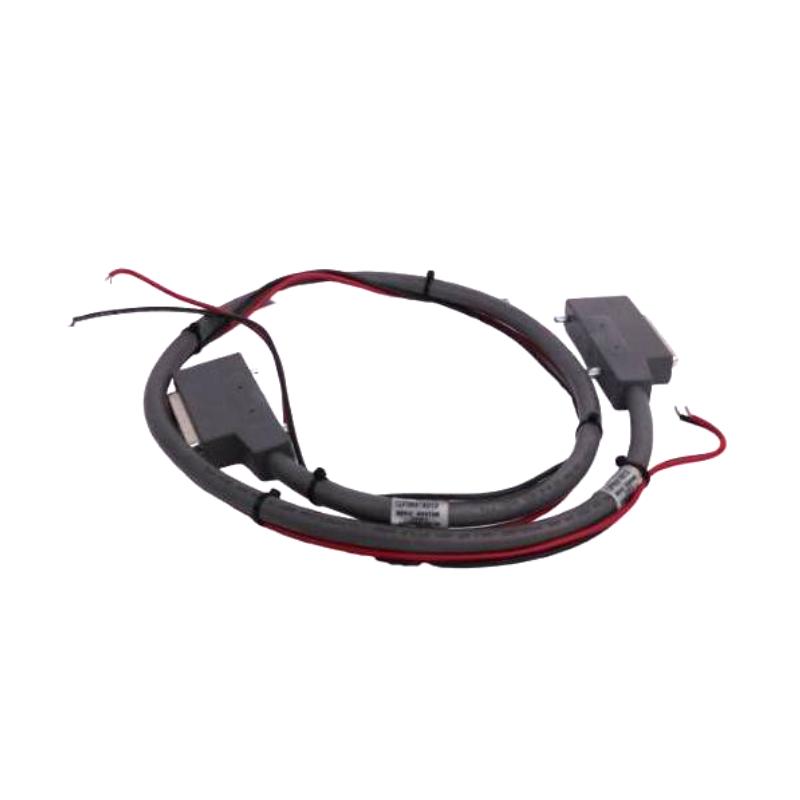
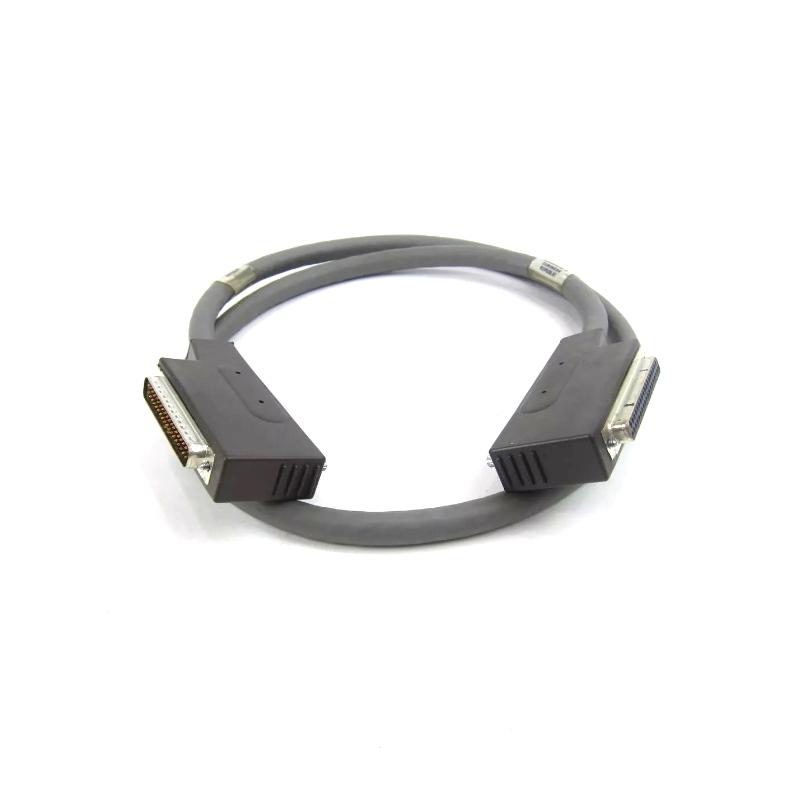
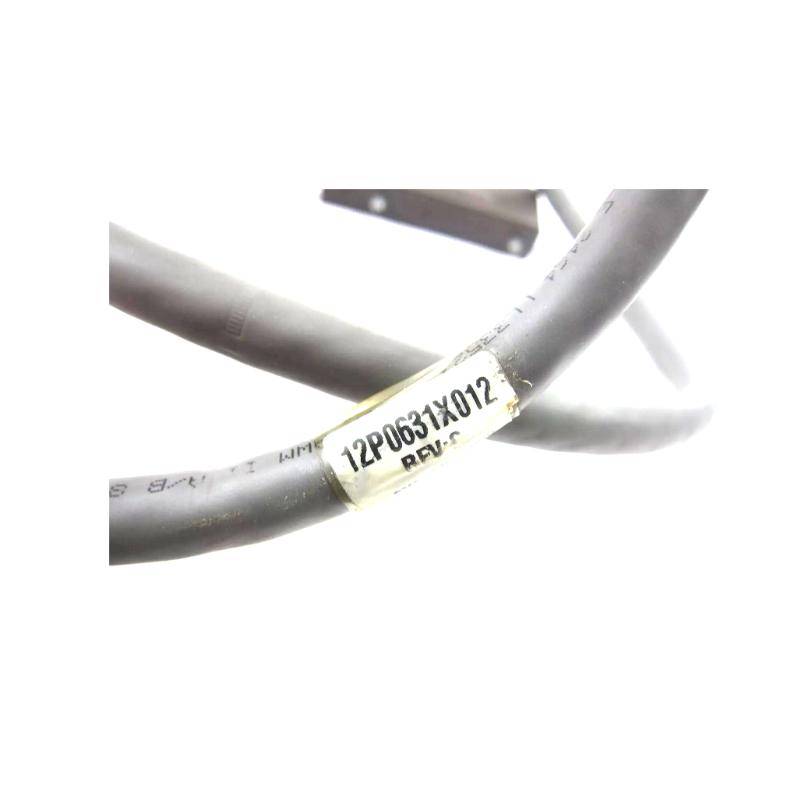
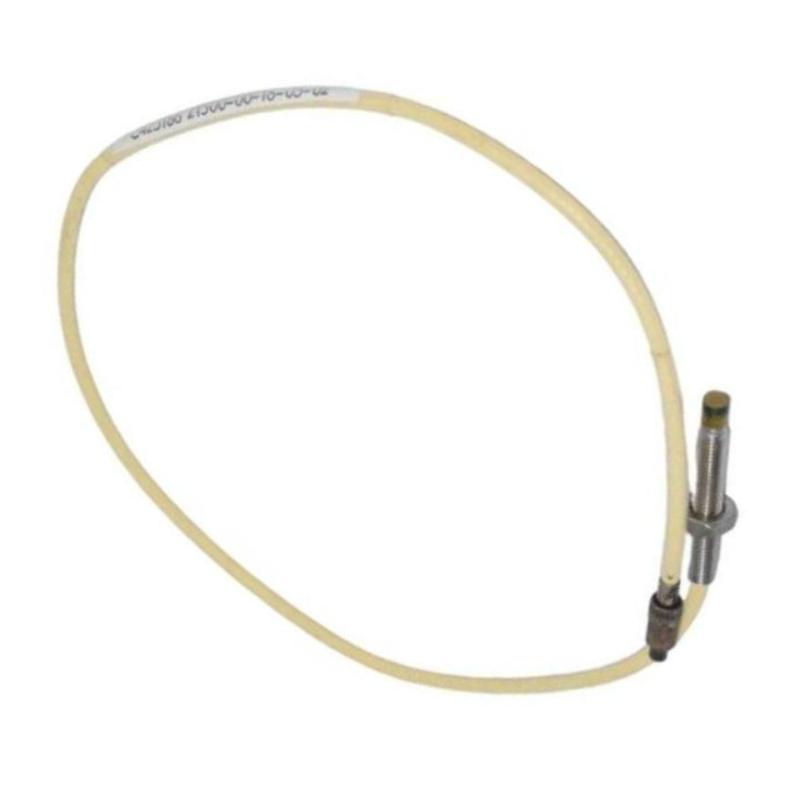
The Emerson 12P0631X012 DeltaV 1.2-Meter Cable is designed for signal and power connectivity within distributed control system (DCS) architectures. In automation environments, high-reliability cabling plays a crucial role in ensuring stable communication and electrical continuity between system components.
This cable is commonly used in:
-
DeltaV distributed control system cabinet installations
-
Interconnection between I/O interface modules and terminal blocks
-
Industrial control cabinets in power plants and refineries
-
Process automation systems in chemical and pharmaceutical facilities
-
Control network infrastructure within large-scale automation platforms
Its defined cable length allows precise installation routing within control panels while maintaining reliable connectivity between system modules.
Functional Advantages for Control Infrastructure
Reliable Signal Transmission
The cable supports stable data and electrical signal transfer between automation components.
Optimized for DeltaV Systems
Designed for compatibility with DeltaV distributed control platforms used in process automation.
Industrial-Grade Construction
Manufactured to withstand typical electrical cabinet environments and continuous operation.
Consistent Cable Length for Panel Layouts
The fixed 1.2-meter length allows predictable wiring paths in structured control cabinet designs.
Supports System Stability
Proper cabling reduces the risk of signal loss or communication interruptions between modules.
Technical FAQs
1. What is the primary purpose of the 12P0631X012 DeltaV cable?
It provides electrical and communication connectivity between components within DeltaV automation systems.
2. Where is this cable typically installed?
It is generally installed inside control cabinets connecting interface modules, I/O units, or terminal assemblies.
3. Why are dedicated system cables used in DCS platforms?
Specialized cables ensure correct signal integrity, compatibility, and reliable operation within the control architecture.
4. What type of signals can the cable transmit?
Depending on system configuration, it can support control signals, communication data, or power connections between modules.
5. How does cable quality impact system performance?
High-quality cabling minimizes electrical noise, signal degradation, and communication errors.
6. Can this cable be used in process automation systems?
Yes, it is suitable for industrial environments such as refineries, chemical plants, and energy facilities.
7. What factors should be considered when routing the cable in a cabinet?
Proper separation from high-voltage wiring, adequate bending radius, and secure cable management.
8. Why is standardized cable length important in automation panels?
Consistent lengths simplify system installation and help maintain organized wiring layouts.
9. How does cabling affect communication reliability in DCS systems?
Correct cable specifications help maintain stable data transmission between control modules.
10. What maintenance checks are recommended for industrial control cables?
Periodic inspection for insulation wear, secure connectors, and proper cable routing.
 A DCS Q Co., Ltd. - PLC and DCS Industrial Control Equipment Wholesale