Industrial Implementation in Automation Systems
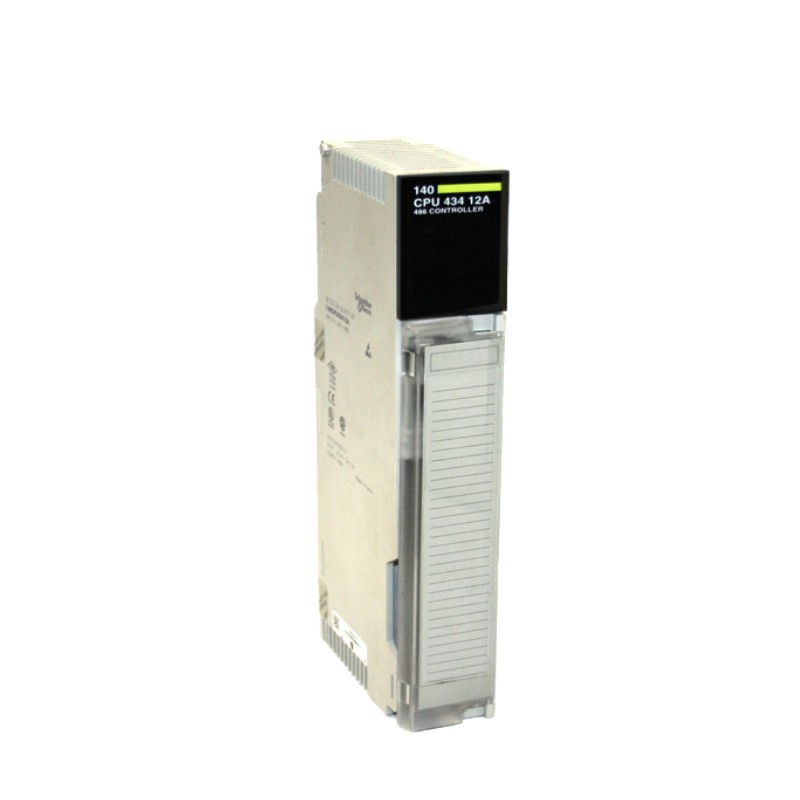
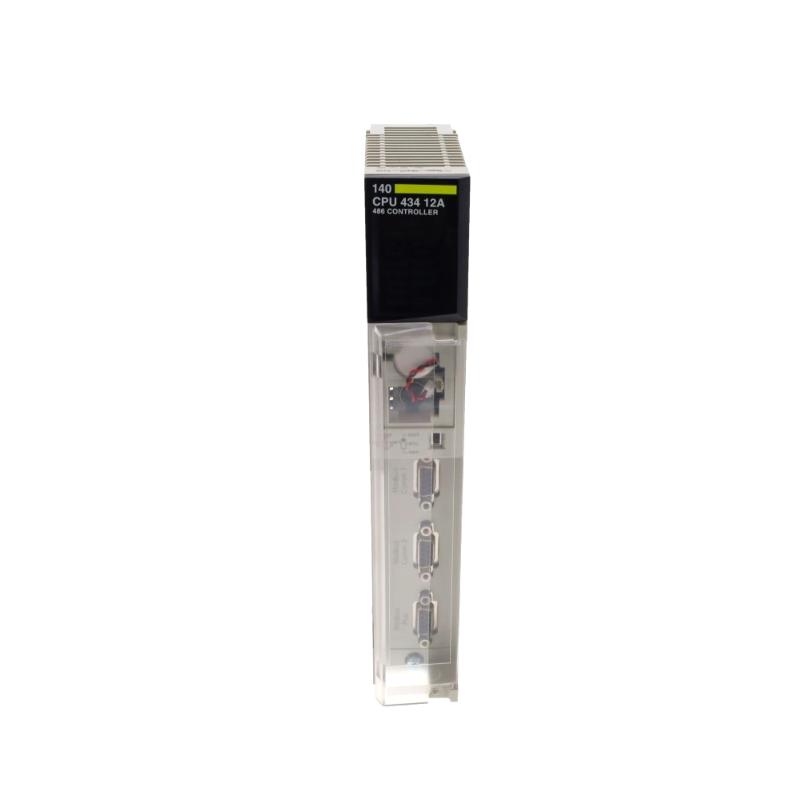
The Schneider 140CPU43412A Unity Processor serves as the core processing unit in modular PLC automation platforms. As part of an industrial control architecture, the CPU module is responsible for executing control programs, managing system communication, and coordinating input and output operations across connected automation devices.
This processor module is typically used in the following environments:
-
High-speed manufacturing production lines
-
Continuous process plants such as chemical and petrochemical facilities
-
Power generation systems controlling turbines and plant auxiliaries
-
Oil and gas processing operations requiring reliable automation control
-
Utility infrastructures including water treatment and distribution systems
Through its real-time processing capability, the CPU module supports stable automation performance and efficient process control.
Operational Benefits in Control Architectures
Advanced Processing Capability
The processor executes complex PLC programs responsible for controlling industrial equipment and processes.
Real-Time Data Coordination
It continuously evaluates input signals from sensors and updates outputs that drive actuators and machinery.
Efficient Network Communication
The CPU manages data exchange between rack modules and communication interfaces within the automation system.
Optimized Rack Integration
Designed for installation within PLC racks alongside power supplies and I/O modules.
Reliable Performance in Continuous Operation
Built for demanding industrial environments where automation systems must run without interruption.
Technical FAQs
1. What is the role of the 140CPU43412A Unity processor?
It functions as the central processing unit that executes automation programs and manages system operations.
2. What programming platform is typically used with this processor?
It is generally configured using Unity-based PLC programming environments designed for industrial automation.
3. How does the CPU interact with input and output modules?
The processor reads sensor inputs through I/O modules and sends control commands to actuators.
4. What is the PLC scan cycle in CPU operation?
It is the repetitive sequence where the CPU reads inputs, processes logic, and updates outputs.
5. Can this CPU communicate with supervisory systems?
Yes, it can exchange information with SCADA systems and other industrial monitoring platforms through communication modules.
6. Why is processor stability critical in automation systems?
The CPU governs the execution of control logic; instability could interrupt industrial operations.
7. How does the processor support distributed automation systems?
It coordinates multiple I/O modules and communication interfaces within the PLC rack.
8. What industries rely heavily on Unity processor modules?
Manufacturing, energy production, oil and gas processing, and infrastructure automation.
9. What installation considerations are important for CPU modules?
Proper power supply, controlled cabinet temperature, and adequate ventilation.
10. What routine maintenance supports processor reliability?
Monitoring system diagnostics, maintaining firmware compatibility, and verifying communication connections.
 A DCS Q Co., Ltd. - PLC and DCS Industrial Control Equipment Wholesale