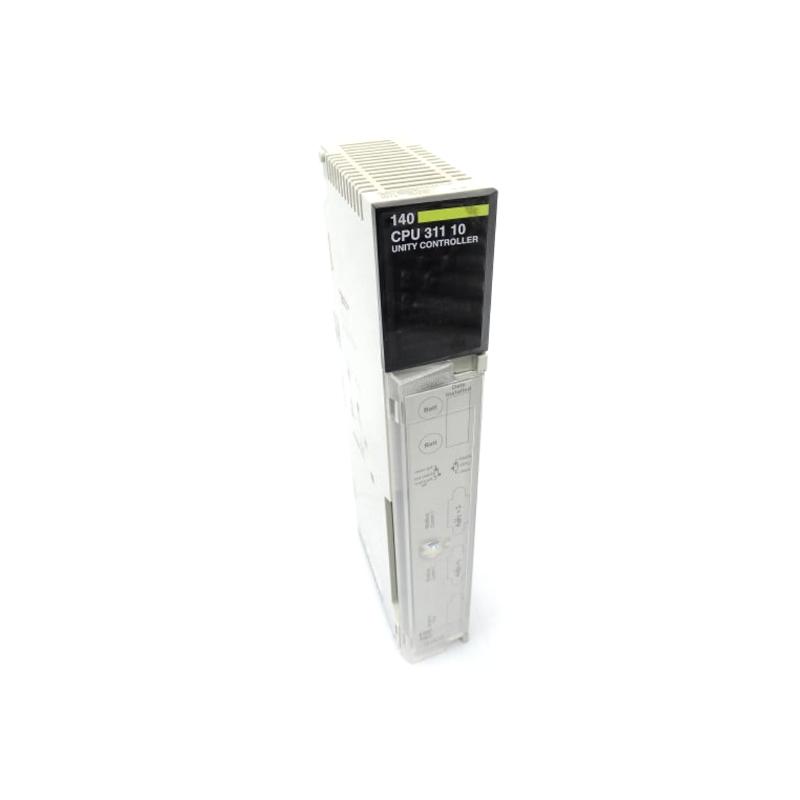
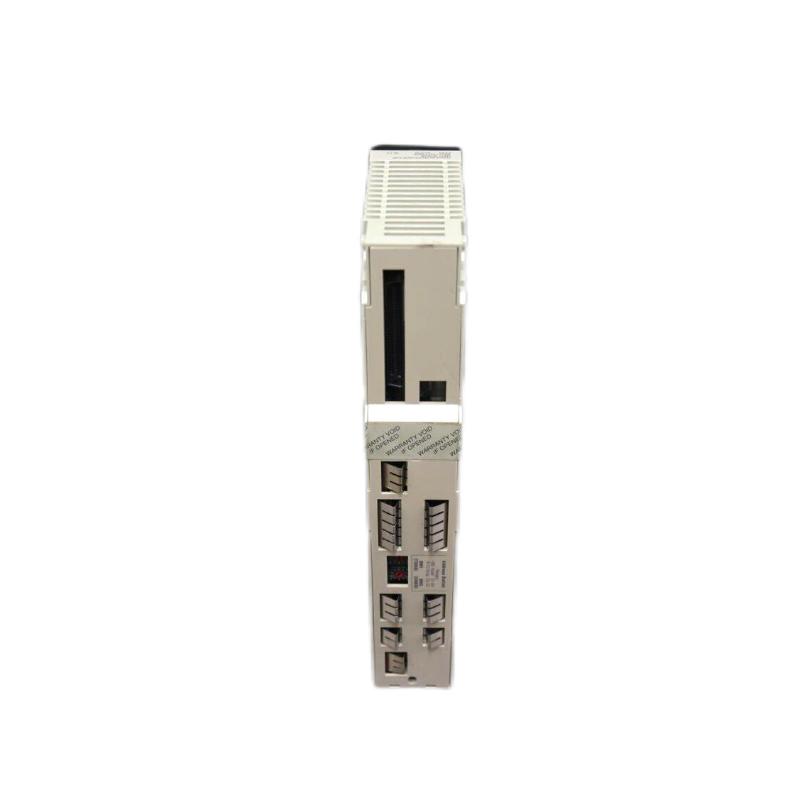
Processor Module Overview
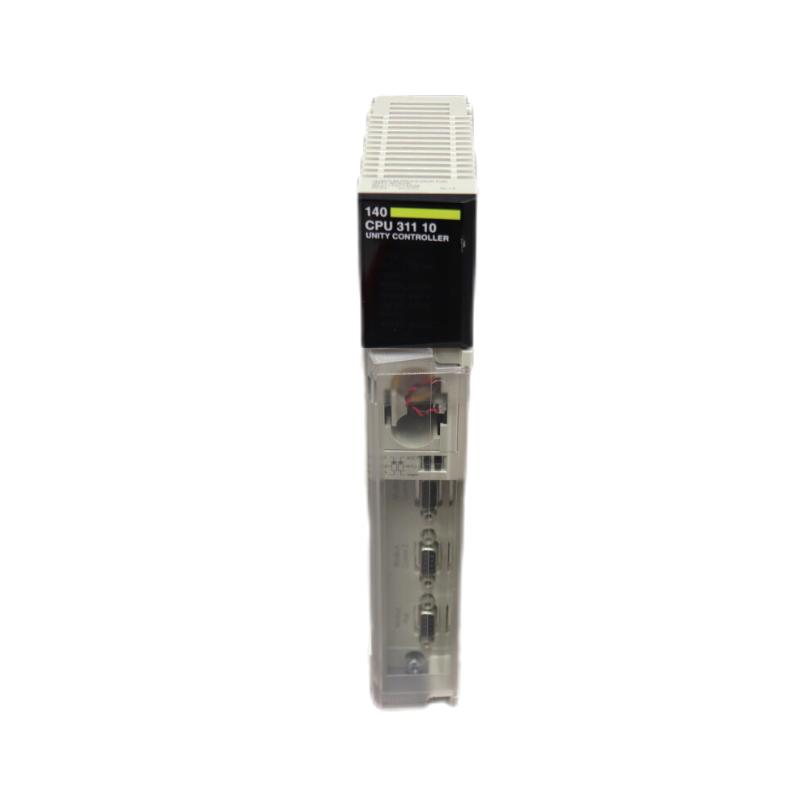
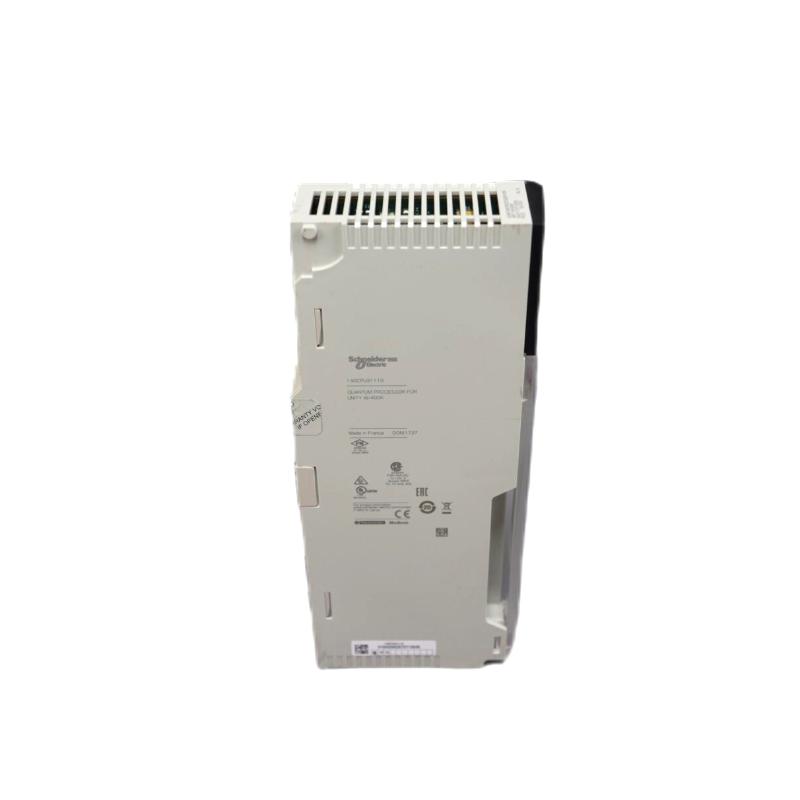
The Schneider N140CPU31110 Unity Processor is designed to act as the computational core of PLC-based automation systems. Within industrial control architectures, the processor executes automation logic that governs equipment operation, process control, and system communication.
Installed within the PLC rack, the processor works alongside power modules, communication units, and I/O modules to create a coordinated automation environment. It continuously evaluates input signals, processes control algorithms, and updates outputs to maintain operational stability.
With its modular design and dependable processing capability, the N140CPU31110 CPU module is suitable for demanding automation infrastructures where reliable control and real-time processing are essential.
Technical Specifications
| Parameter | Specification |
|---|
| Product Type | CPU Module |
| Manufacturer | Schneider Electric |
| Model Number | N140CPU31110 |
| Function | PLC Central Processing Unit |
| Installation | PLC Rack / Control Cabinet |
| Typical Applications | Industrial Automation and Process Control |
| Operating Environment | Industrial Control Systems |
| Dimensions | 103.9 mm × 40.3 mm × 250 mm |
| Weight | 0.748 kg (1.65 lb) |
Industrial Automation Implementation Scenarios
The Schneider N140CPU31110 Unity Processor functions as the primary processing unit within modular PLC automation platforms. Acting as the control engine of the system, this CPU executes automation programs, processes field data, and coordinates communication across distributed industrial devices.
The module is widely used in automation systems including:
-
Manufacturing assembly lines requiring precise PLC coordination
-
Process industries such as chemical production and refinery operations
-
Power generation plants controlling turbines and balance-of-plant systems
-
Oil and gas production platforms supervising valves, pumps, and sensors
-
Water treatment and infrastructure facilities operating automated pumping and monitoring systems
With its ability to process real-time control logic, the processor helps maintain stable and efficient industrial operations.
Functional Advantages for Control Systems
High-Efficiency Control Processing
The processor executes automation programs responsible for coordinating industrial machinery and process workflows.
Real-Time Signal Management
It reads input signals from field sensors and generates control outputs for actuators and process equipment.
Integrated System Communication
The CPU coordinates communication between PLC modules, communication interfaces, and supervisory systems.
Modular Rack Integration
Designed for installation within PLC racks, allowing seamless interaction with power supplies and I/O modules.
Reliable Continuous Operation
Built for industrial environments where automation systems must run continuously with minimal interruption.
Technical FAQs
1. What is the primary role of the N140CPU31110 processor?
It serves as the central processing unit of the PLC system, executing control programs and managing automation tasks.
2. What programming environments are typically used with Unity processors?
They are commonly configured using Unity-based PLC programming environments for industrial control logic.
3. How does the processor interact with I/O modules?
It continuously scans input signals from sensors and sends commands to output devices through the PLC backplane.
4. What is a PLC scan cycle?
It is the repeated sequence in which the CPU reads inputs, processes control logic, and updates outputs.
5. Can the processor communicate with supervisory control systems?
Yes, it can exchange data with SCADA and other monitoring platforms through communication modules.
6. Why is processor reliability critical in automation systems?
The CPU controls all automation logic; any failure could interrupt production or industrial processes.
7. How does the CPU coordinate multiple automation modules?
It manages data exchange and synchronization across I/O modules and communication interfaces in the rack.
8. What industries typically use Unity processor modules?
Manufacturing, energy production, oil and gas processing, and infrastructure automation.
9. What environmental considerations apply when installing the CPU?
Stable power supply, proper cabinet ventilation, and controlled industrial temperature conditions.
10. What maintenance practices help ensure processor stability?
Routine diagnostics monitoring, firmware management, and inspection of system communication connections.
 A DCS Q Co., Ltd. - PLC and DCS Industrial Control Equipment Wholesale