Product Introduction
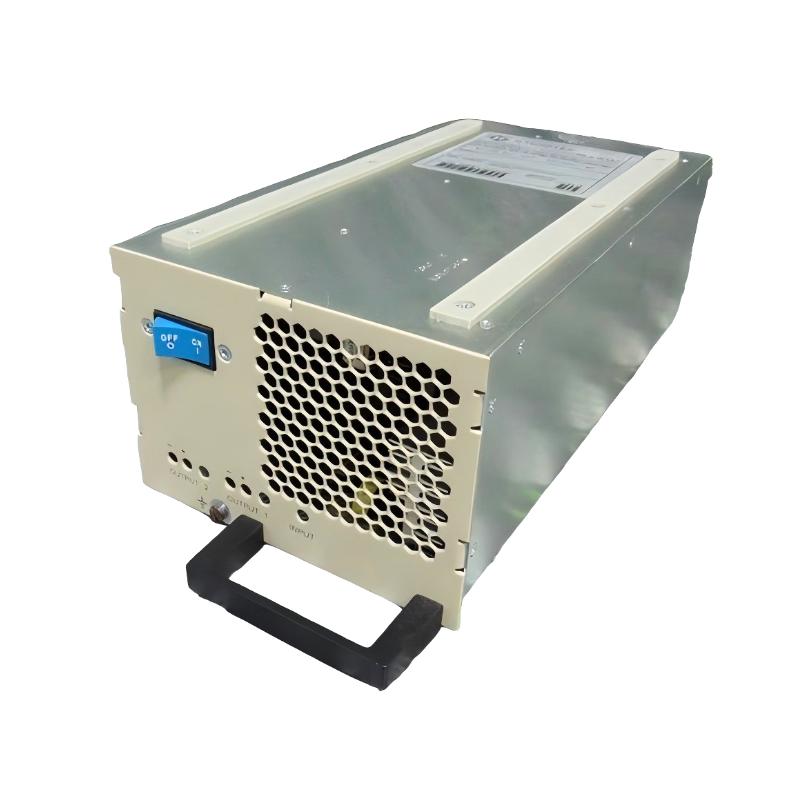
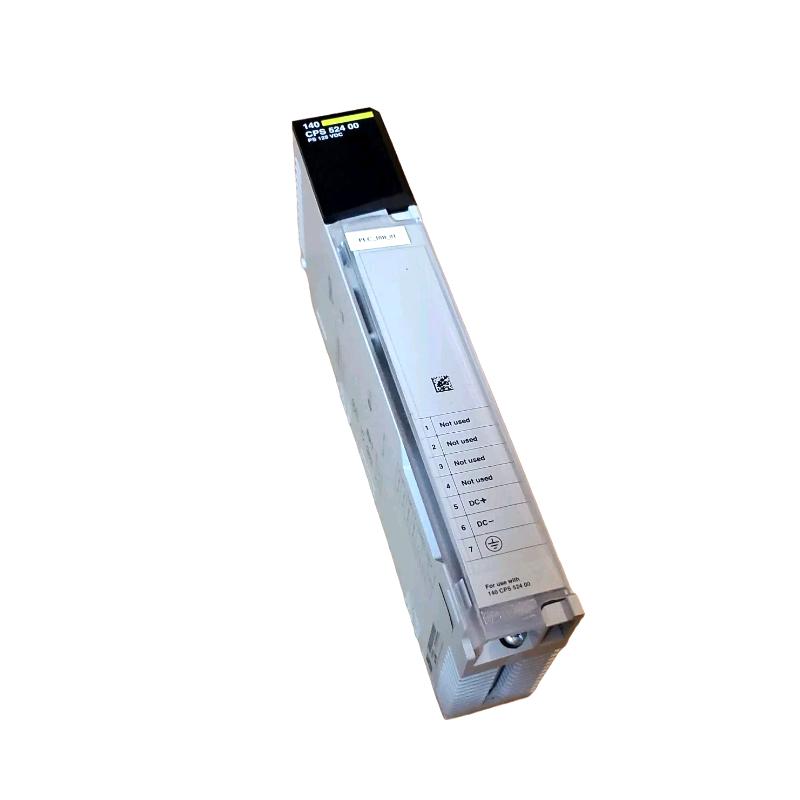
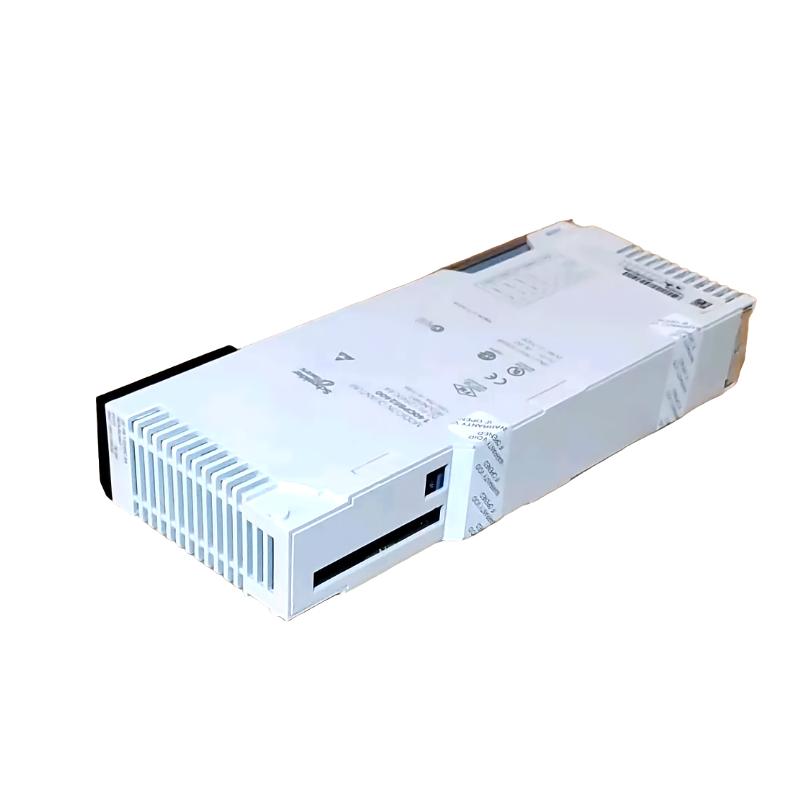
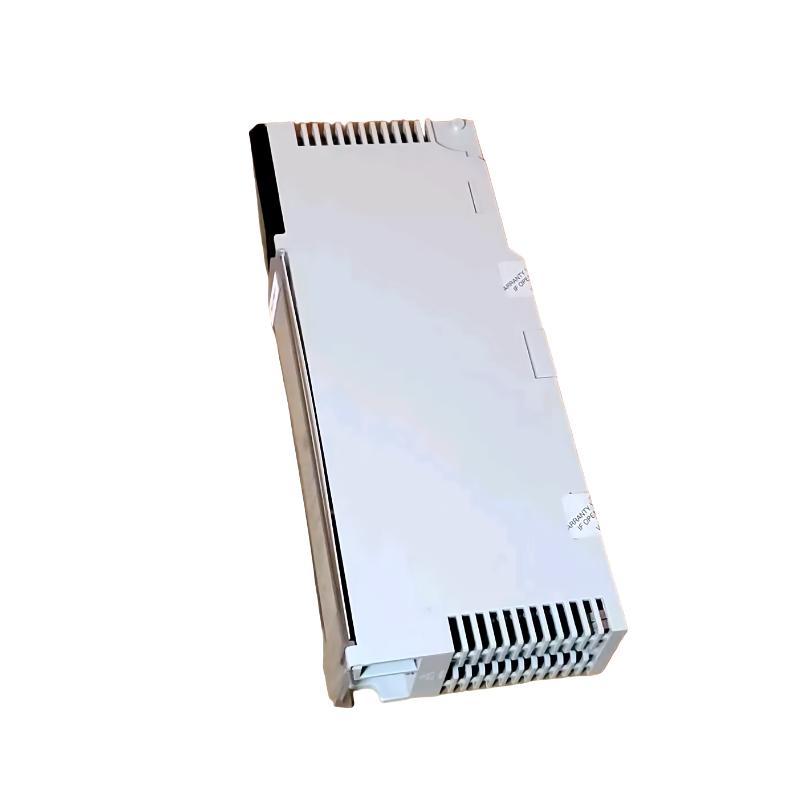
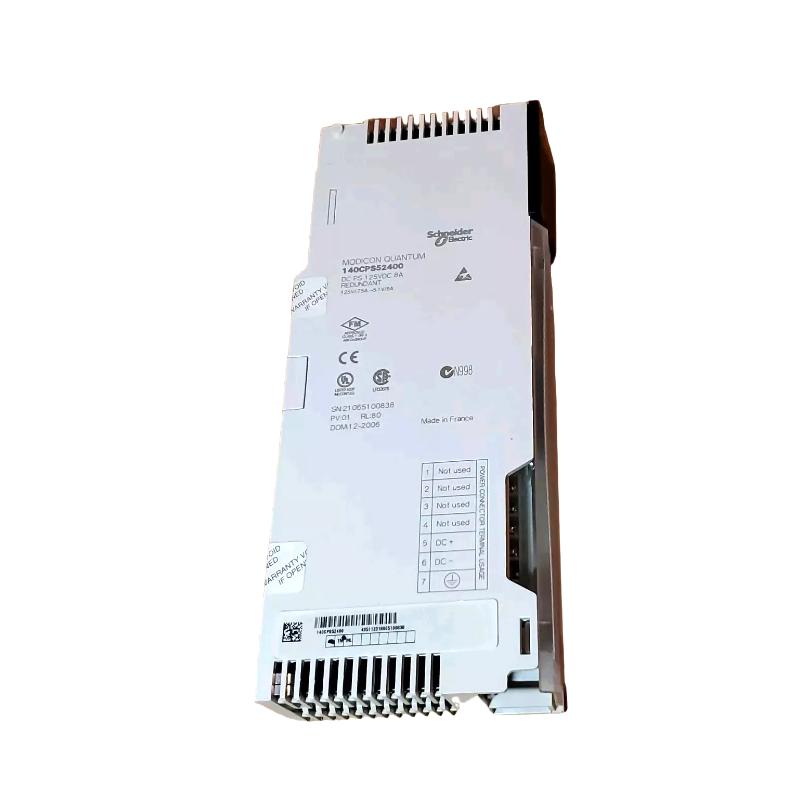
The Schneider 140CPS52400C Power Module is a rack-mounted power supply designed for modular PLC systems used in industrial automation environments. Control systems rely heavily on stable power distribution to maintain consistent processing, communication, and I/O operations.
Installed directly within the PLC rack, the module supplies electrical energy through the internal backplane to connected automation components. This integrated design simplifies wiring while ensuring reliable electrical distribution throughout the control system.
With its durable construction and dependable power output, the 140CPS52400C module is commonly deployed in industrial facilities where continuous operation and system reliability are essential.
Technical Specifications
| Parameter | Specification |
|---|
| Product Type | Power Module |
| Manufacturer | Schneider Electric |
| Model Number | 140CPS52400C |
| Function | Power Supply for PLC Rack Systems |
| Installation | PLC Rack / Control Cabinet |
| Typical Applications | Industrial Automation and Process Control |
| Operating Environment | Industrial Automation Infrastructure |
| Dimensions | 103.9 mm × 40.3 mm × 250 mm |
| Weight | 0.65 kg (1.43 lb) |
Integration Within PLC Control Cabinets
The Schneider 140CPS52400C Power Module functions as a dedicated power supply unit for modular PLC rack systems. In industrial automation architectures, reliable power distribution is essential to ensure that processors, communication interfaces, and I/O modules operate consistently without disruption.
This power module is widely implemented in automation infrastructures such as:
-
PLC-based manufacturing control systems
-
Continuous process plants in chemical and petrochemical industries
-
Power generation facilities controlling turbines and auxiliary equipment
-
Oil and gas production and pipeline monitoring systems
-
Utility automation such as water treatment and pumping stations
Through stable backplane power delivery, the module helps maintain dependable control system performance across multiple connected modules.
Operational Advantages in Automation Platforms
Stable Power for Rack Modules
The module delivers regulated electrical energy to PLC components through the rack backplane.
Designed for Continuous Industrial Operation
It supports control systems that run continuously in demanding industrial environments.
Efficient Cabinet Installation
The module integrates easily into modular PLC chassis, simplifying control cabinet layout.
Reliable Support for Multiple Modules
A single power module can supply energy to various processors, I/O modules, and communication units.
Improved System Stability
Consistent power output helps prevent automation faults caused by voltage fluctuations.
Technical FAQs
1. What is the primary purpose of the 140CPS52400C power module?
It supplies regulated electrical power to PLC rack systems and the modules installed within them.
2. Which components rely on the module for operation?
PLC CPUs, digital and analog I/O modules, communication modules, and other rack-mounted devices.
3. How is power distributed inside the PLC rack?
The module delivers electrical power through the rack backplane to connected modules.
4. Why is a dedicated PLC power supply necessary?
Automation systems require stable and regulated voltage to maintain reliable control system performance.
5. Where is the power module installed?
It is installed in a designated slot within the PLC rack or chassis.
6. Can the module operate in continuous industrial processes?
Yes, it is designed for systems that operate 24/7 in industrial environments.
7. What issues can occur if power becomes unstable?
Controller resets, communication interruptions, or process control faults may occur.
8. Can PLC systems use redundant power supplies?
Certain configurations allow redundant modules to increase system reliability.
9. What industries commonly use PLC power modules like this?
Manufacturing, energy production, oil and gas processing, and infrastructure automation sectors.
10. What routine maintenance is recommended?
Periodic inspection of electrical connections, monitoring of system indicators, and ensuring adequate cabinet ventilation.
 A DCS Q Co., Ltd. - PLC and DCS Industrial Control Equipment Wholesale