Introduction
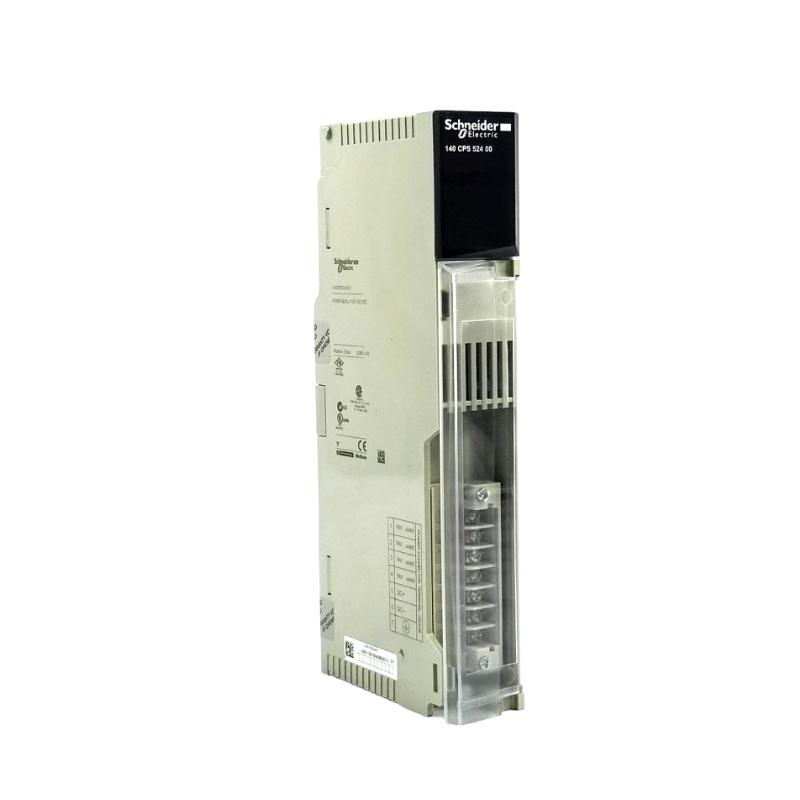
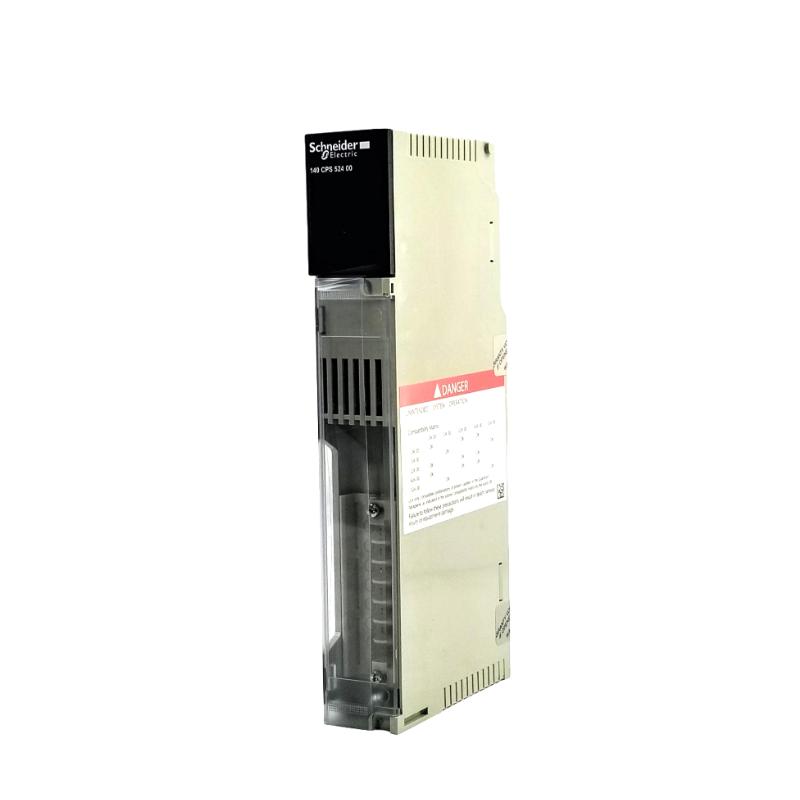
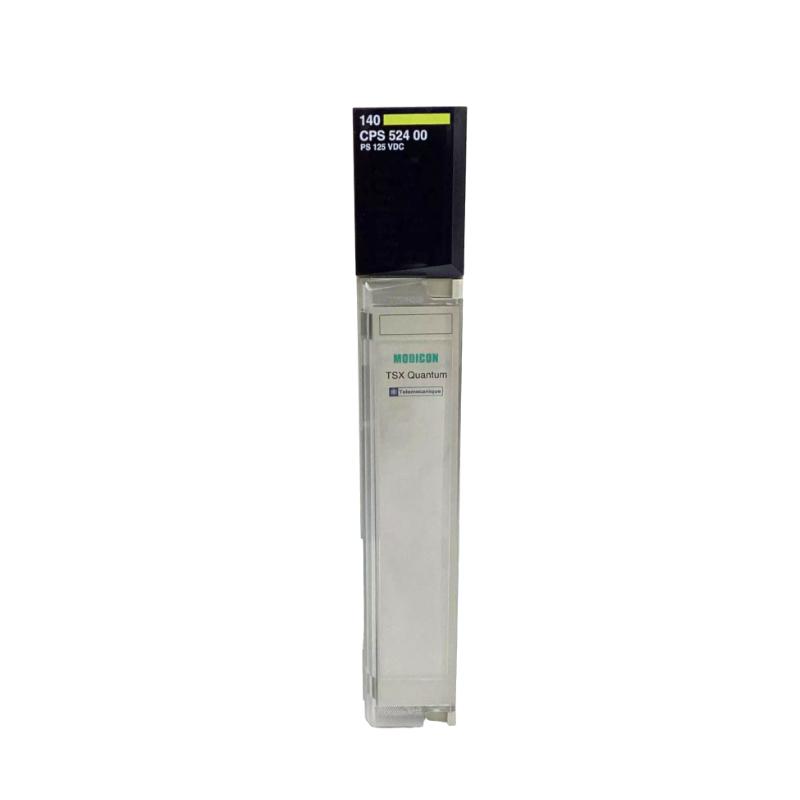
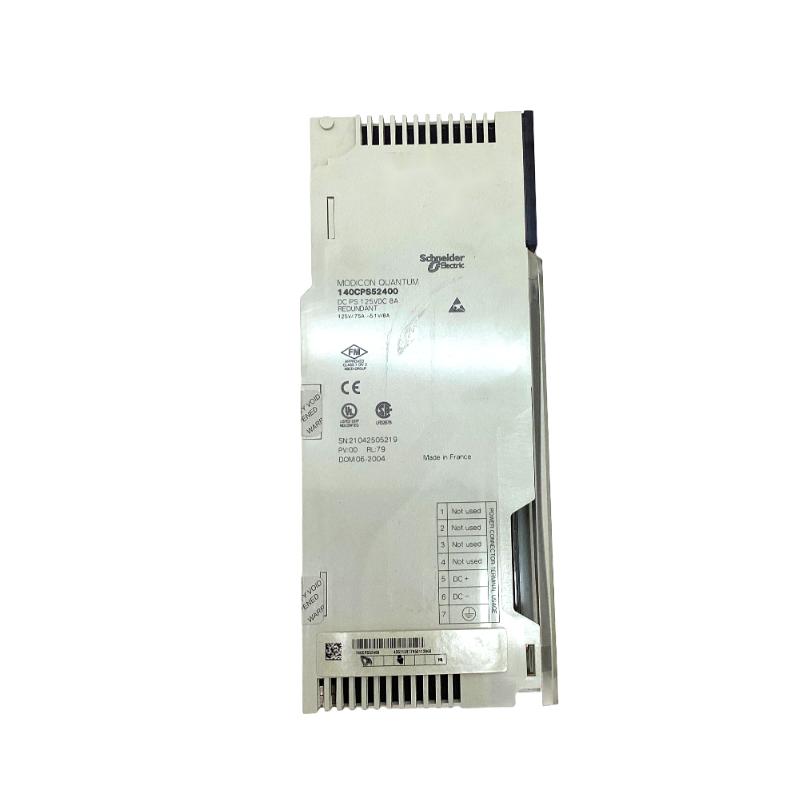
The Schneider 140CPS52400 Power Supply Module is a critical infrastructure component used to provide stable electrical power within industrial automation systems. In rack-based control architectures, multiple electronic modules rely on dependable power to perform monitoring, communication, and process control tasks.
This module converts incoming electrical power into regulated output designed for industrial automation equipment. By delivering consistent voltage and current levels, it ensures reliable operation of system controllers and interface modules.
Because of its dependable performance and compatibility with industrial control platforms, the module is widely deployed in control cabinets across manufacturing facilities, energy production plants, and large-scale industrial automation environments.
Technical Specifications
| Parameter | Specification |
|---|
| Manufacturer | Schneider Electric |
| Model | 140CPS52400 |
| Module Type | Power Supply Module |
| Function | Industrial automation power supply |
| Application | Power distribution for control system modules |
| Installation | Rack-mounted automation system |
| Operating Mode | Continuous industrial operation |
| Industrial Usage | Manufacturing, power generation, petrochemical automation |
| Dimensions | 103.9 × 40.3 × 250 mm |
| Weight | 0.65 kg (1.43 lb) |
Power Management in Distributed Automation Systems
The Schneider 140CPS52400 Power Supply Module is designed to deliver stable and regulated electrical power to components within industrial automation platforms. In large-scale control architectures, reliable power distribution is essential for maintaining consistent system operation and protecting sensitive electronic modules.
This power supply module is typically deployed within rack-based control systems where controllers, communication modules, and I/O devices require continuous and stable power. By converting incoming electrical power into regulated output suitable for automation hardware, the module ensures dependable operation of the entire control infrastructure.
Typical industrial use scenarios include:
-
Power supply for distributed control systems
-
Industrial automation racks in manufacturing plants
-
Process control systems in chemical and petrochemical facilities
-
Power distribution in industrial control cabinets
-
Energy production automation platforms
-
Industrial equipment monitoring systems
Through stable voltage regulation and reliable electrical output, the module supports continuous system operation in demanding industrial environments.
Engineering Advantages
Stable Power Regulation
Delivers consistent electrical output to control system modules and automation equipment.
Designed for Industrial Automation Platforms
Optimized for integration within rack-based industrial control systems.
Reliable Continuous Operation
Supports long-term operation in environments where control system uptime is critical.
Efficient Cabinet Integration
Compact design enables installation in automation racks without occupying excessive space.
Protection for Control Electronics
Helps safeguard sensitive automation modules from unstable power conditions.
Technical FAQs
1. What is the primary function of the 140CPS52400 module?
It supplies regulated electrical power to automation system modules.
2. Which types of systems typically use this power supply module?
Industrial distributed control systems and rack-based automation platforms.
3. What components usually receive power from this module?
Controllers, communication interfaces, and input/output modules.
4. Why is regulated power important in automation systems?
Stable voltage prevents malfunctions, communication errors, and hardware damage.
5. Where is the module typically installed?
Inside industrial control racks or automation cabinets.
6. Can the module operate continuously in industrial environments?
Yes, it is designed for continuous duty in automation systems.
7. What industries commonly use this power supply module?
Manufacturing, petrochemical processing, power generation, and industrial automation.
8. How does reliable power improve system performance?
It ensures consistent operation of controllers and field interface modules.
9. Does the module support large automation infrastructures?
Yes, it can supply power to multiple modules within a control system rack.
10. What happens if unstable power reaches automation equipment?
It can cause unexpected system faults, data errors, or equipment shutdowns.
 A DCS Q Co., Ltd. - PLC and DCS Industrial Control Equipment Wholesale