Industrial Use Cases in PLC-Based Automation
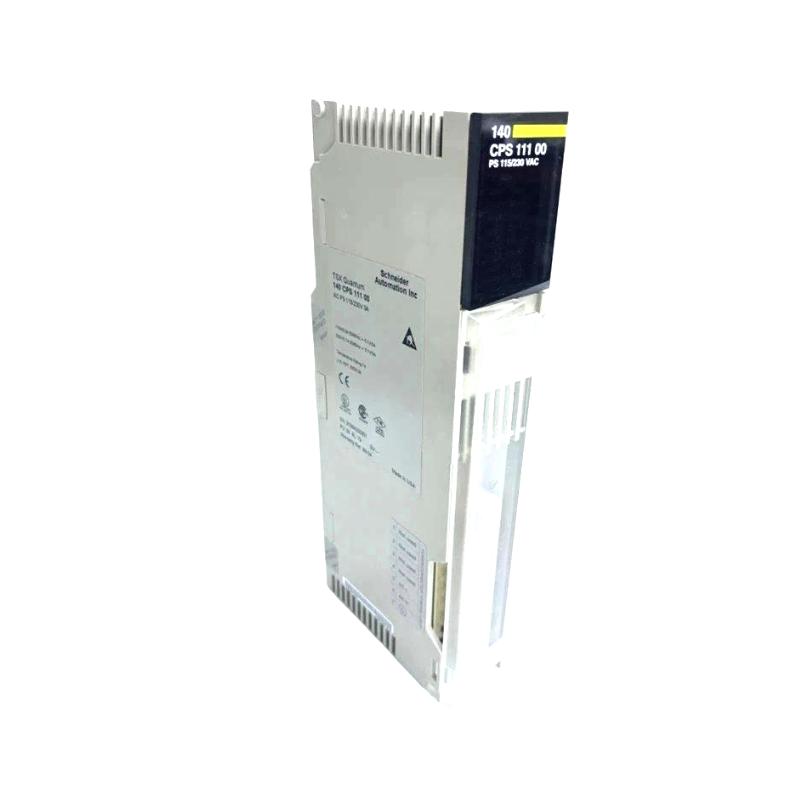
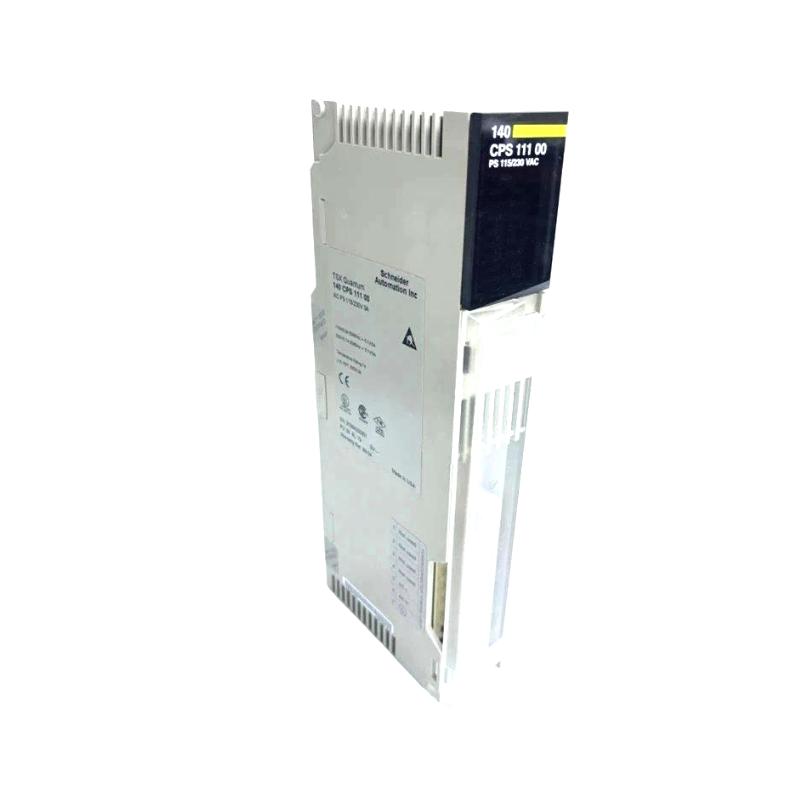
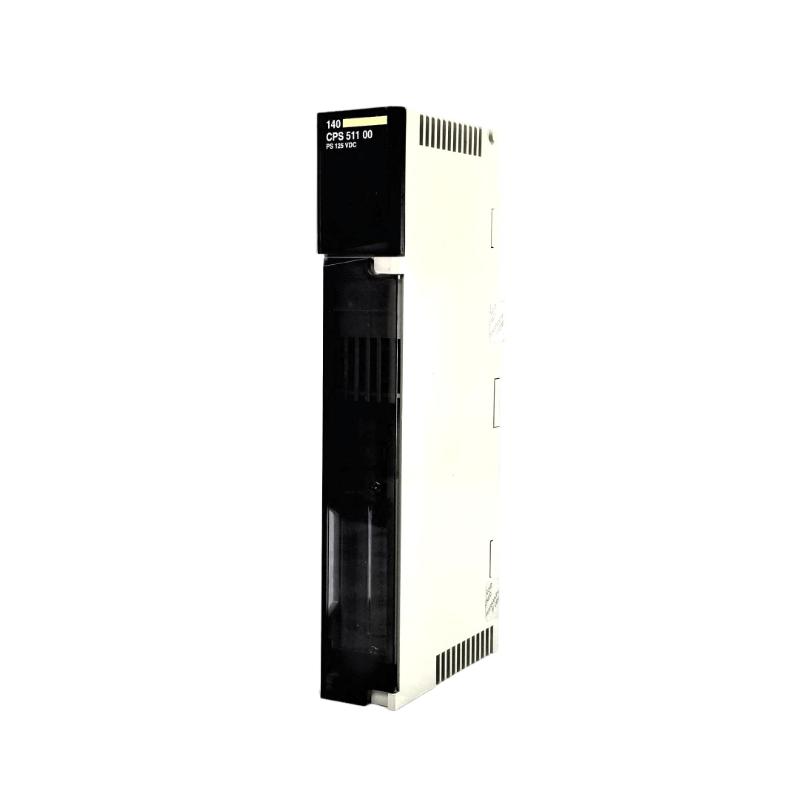
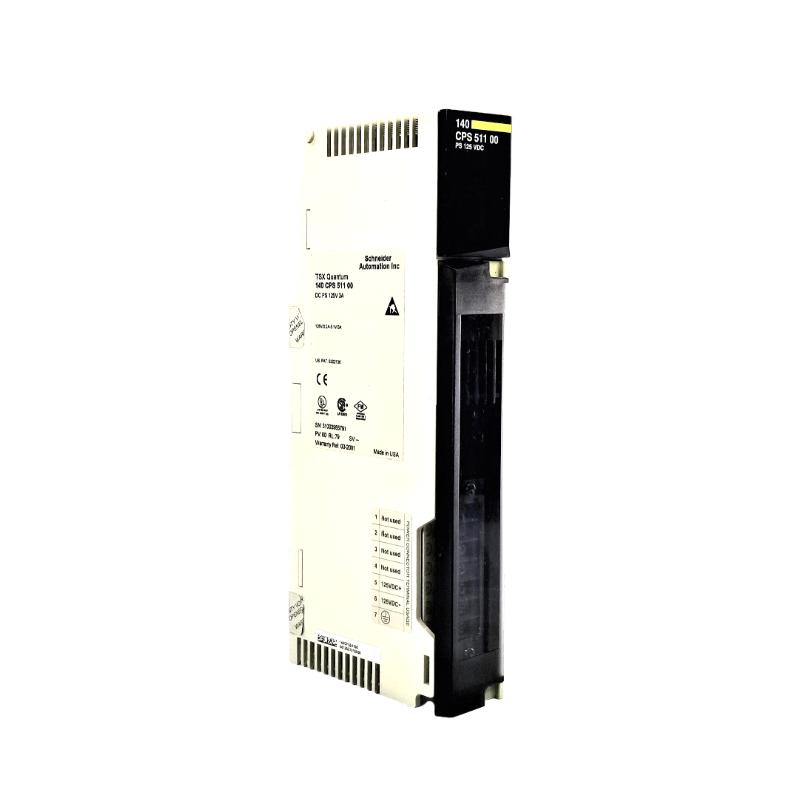
The Schneider 140CPS51100 Power Module is designed to supply regulated power to PLC rack systems used in complex industrial automation environments. Reliable power distribution is fundamental for maintaining continuous operation of processors, I/O modules, and communication components within programmable automation systems.
This module is typically implemented in:
-
Large-scale manufacturing lines using PLC-controlled production systems
-
Process industries such as chemical processing and refining plants
-
Power generation facilities monitoring turbines and auxiliary systems
-
Oil and gas installations managing pipeline and processing operations
-
Infrastructure automation such as water treatment and pumping stations
By providing stable electrical energy to the automation rack, the module ensures that control logic and monitoring functions remain operational without unexpected interruptions.
Operational Advantages for Control Systems
Reliable Rack-Level Power Distribution
The module supplies power through the PLC backplane, allowing multiple system modules to operate from a single regulated source.
Stable Electrical Output
Consistent voltage regulation helps protect sensitive PLC electronics from fluctuations in incoming power.
Continuous Industrial Operation
Engineered for demanding environments where automation equipment must operate 24 hours a day.
Efficient Cabinet Integration
Its compact design enables straightforward installation into standard PLC racks used in industrial control cabinets.
Support for Modular Automation Architectures
The power module supports systems built with multiple processors, I/O modules, and communication interfaces.
Technical FAQs
1. What is the main role of the 140CPS51100 power module?
It provides regulated electrical power to PLC racks and the modules installed within the automation system.
2. Which system components rely on this power module?
PLC CPUs, digital and analog I/O modules, and communication interface modules.
3. How is power distributed from the module to other components?
The module feeds power through the rack backplane to all installed modules.
4. Why are dedicated PLC power modules used instead of standard power supplies?
PLC power modules are engineered specifically for automation systems and provide stable voltage and integrated system compatibility.
5. Where is the module installed in an automation system?
It is installed in a dedicated slot within the PLC rack or chassis.
6. Can the power module support continuous operation in industrial environments?
Yes, it is designed for long-term operation in automation systems that run continuously.
7. What happens if the power supply becomes unstable?
Unstable power can cause controller resets or communication interruptions, which is why reliable power modules are essential.
8. Can automation systems use redundant power modules?
Some systems allow redundant configurations to improve system availability and reliability.
9. What industries frequently use PLC power modules like this?
Manufacturing, power generation, oil and gas processing, and infrastructure automation sectors.
10. What maintenance practices are recommended?
Regular inspection of electrical connections, monitoring of system diagnostics, and ensuring adequate ventilation in the control cabinet.
 A DCS Q Co., Ltd. - PLC and DCS Industrial Control Equipment Wholesale