Typical Use in Industrial Control Platforms
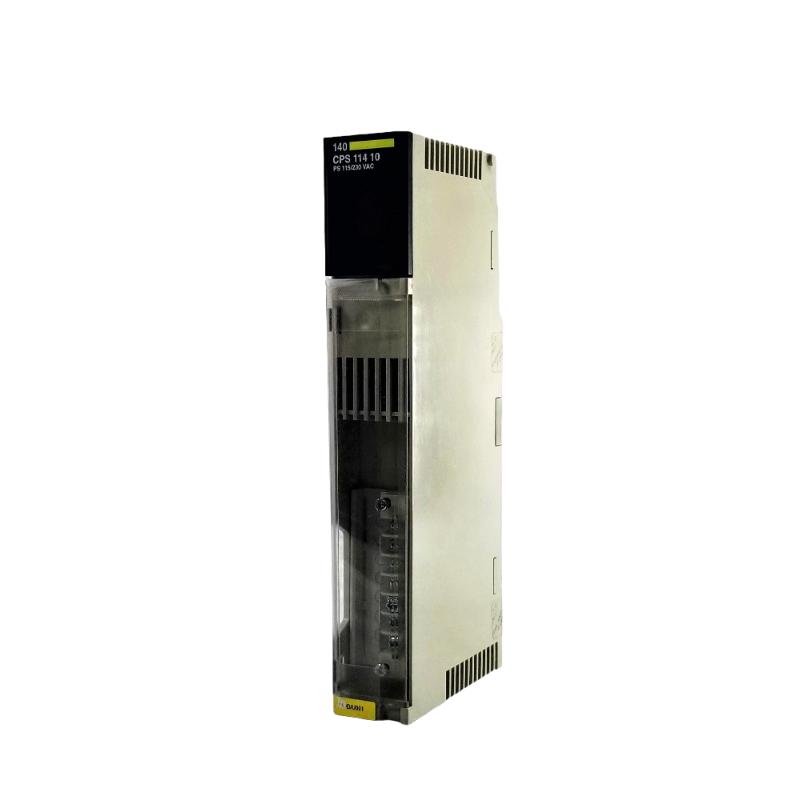
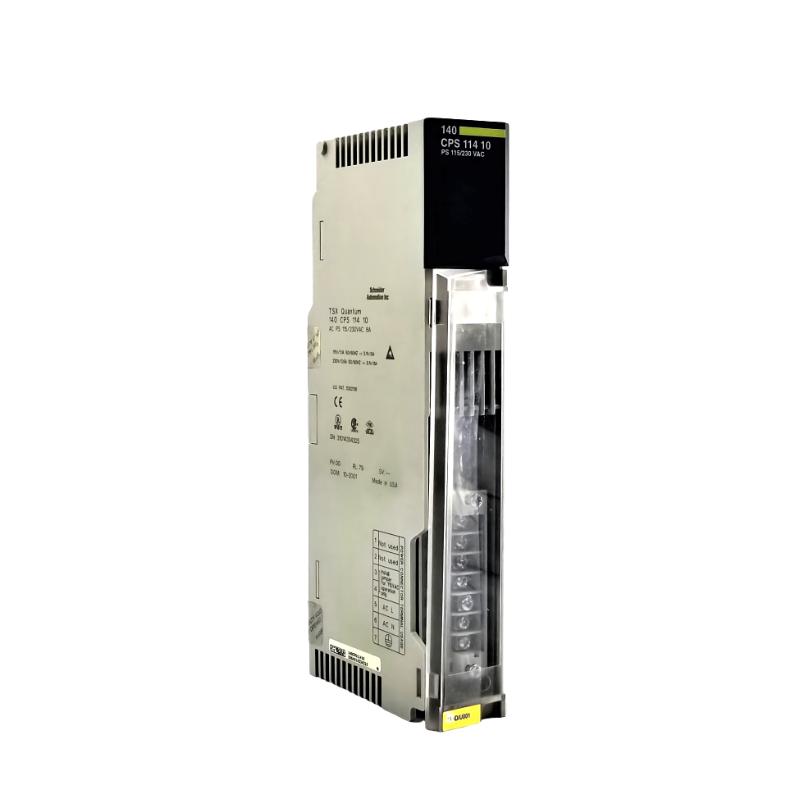
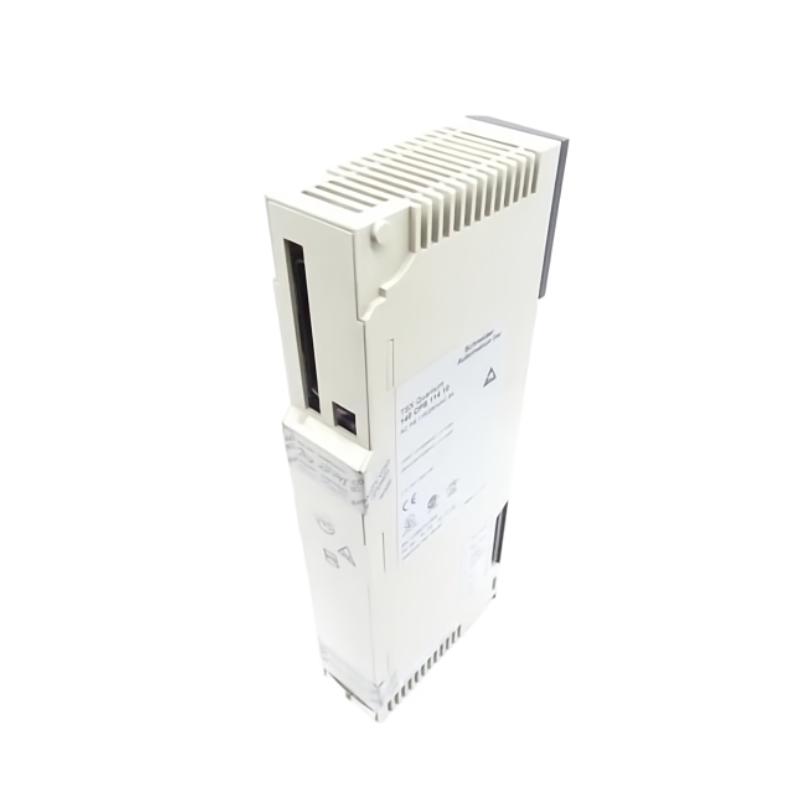
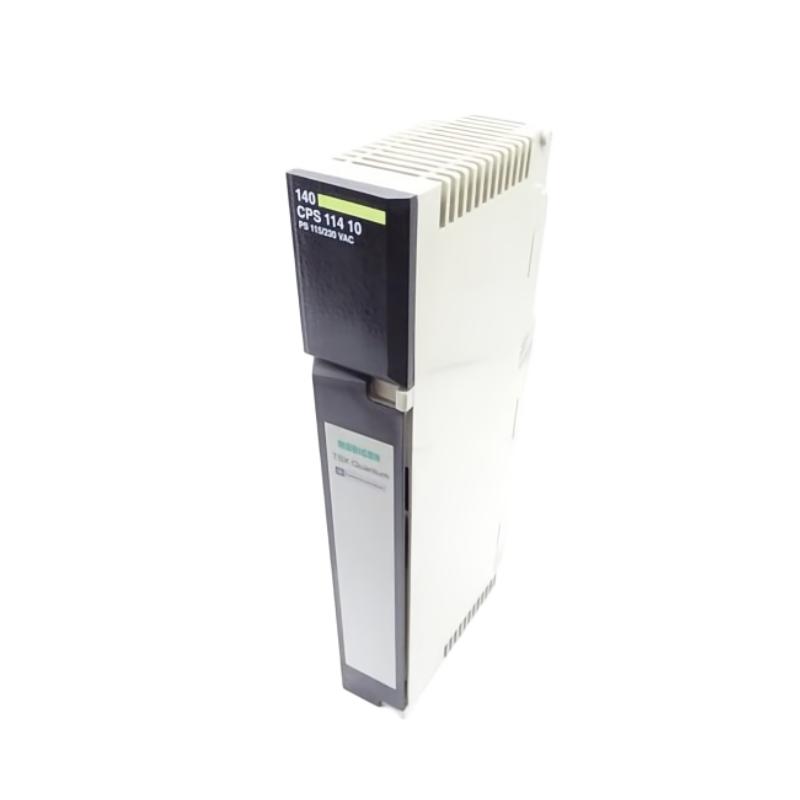
The Schneider 140CPS11410C Power Module is designed to supply regulated power to automation system components installed in modular PLC racks. In industrial automation architectures, power modules play a critical role by providing stable voltage and current to controllers, I/O modules, and communication interfaces.
This module is commonly installed in environments such as:
-
Industrial manufacturing systems using modular PLC control racks
-
Process automation installations in chemical and petrochemical plants
-
Power generation control systems monitoring turbines and auxiliary equipment
-
Oil and gas processing facilities with distributed automation cabinets
-
Infrastructure control systems such as water treatment plants and pumping stations
By delivering consistent electrical power to system modules, the power supply helps maintain uninterrupted automation operations.
Performance Advantages in Automation Systems
Stable Power Delivery
The module ensures consistent voltage supply for PLC processors and connected I/O modules.
Optimized Rack Integration
Designed to fit into modular PLC rack systems, the unit simplifies installation within control cabinets.
Reliable Operation in Industrial Environments
Built to operate under demanding conditions where automation equipment runs continuously.
Support for Multi-Module Systems
The power module supplies energy to multiple installed modules through the system backplane.
Reduced System Downtime
Reliable power management hel
Technical FAQs
1. What is the main function of the 140CPS11410C power module?
It supplies regulated electrical power to PLC racks and connected automation modules.
2. What types of systems typically use this power module?
Industrial PLC-based automation systems that require stable power distribution within the rack.
3. Does the module power only the CPU or the entire rack?
It provides power to the entire rack through the backplane, including CPU and I/O modules.
4. Why is a dedicated PLC power module important?
Dedicated modules ensure consistent voltage regulation and protection for sensitive control electronics.
5. Where is the module installed within the system?
It is mounted directly into the PLC rack or chassis within the control cabinet.
6. Can the module operate continuously in industrial environments?
Yes, it is designed for 24/7 operation in automated industrial facilities.
7. How does the module contribute to system reliability?
Stable power delivery helps prevent controller resets or communication interruptions.
8. Can multiple power modules be used in large automation racks?
In some system designs, redundant or additional modules may be used to support higher power requirements.
9. What maintenance is recommended for power modules?
Routine inspection of ventilation, electrical connections, and system diagnostics is recommended.
10. What components depend on the power module for operation?
PLC CPUs, I/O modules, communication interfaces, and other rack-mounted automation components.
 A DCS Q Co., Ltd. - PLC and DCS Industrial Control Equipment Wholesale