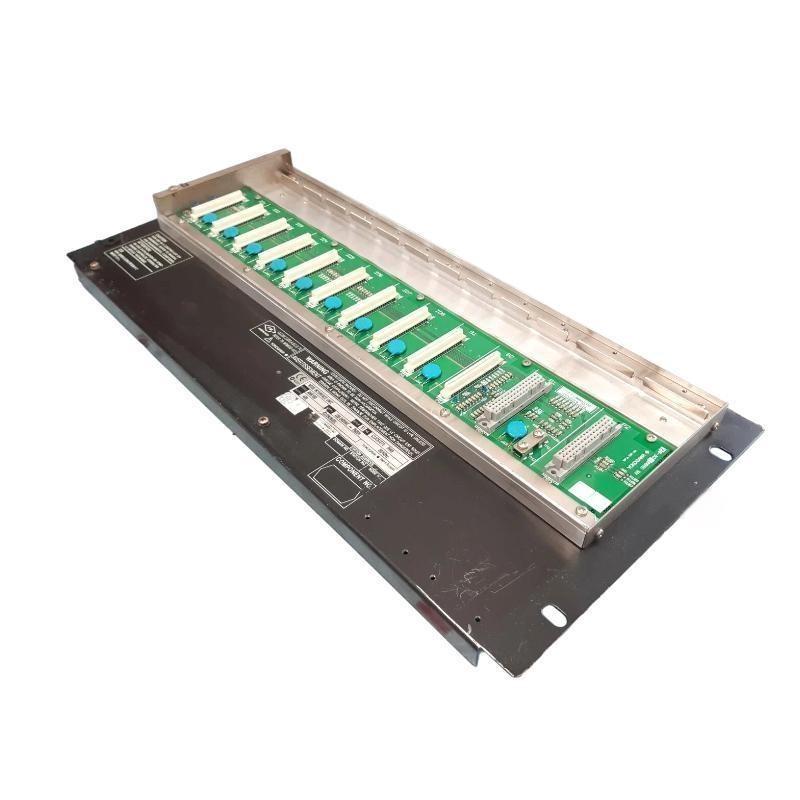
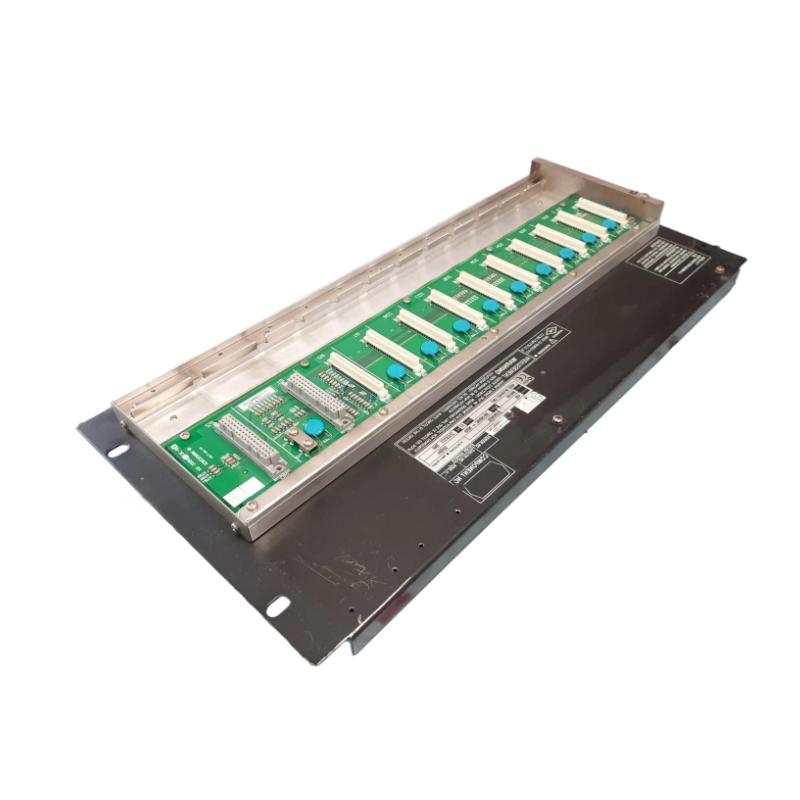
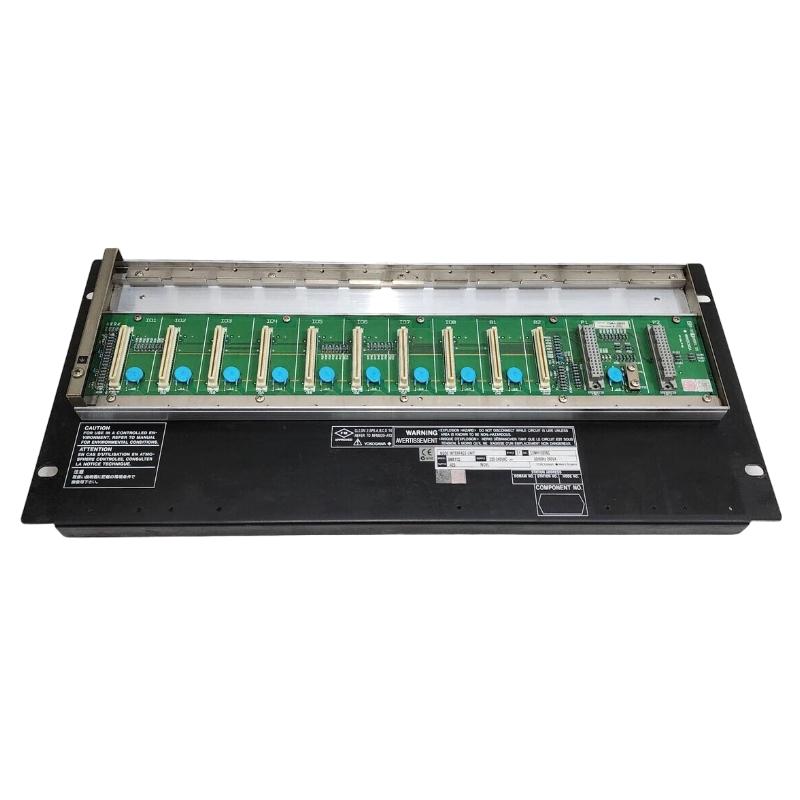
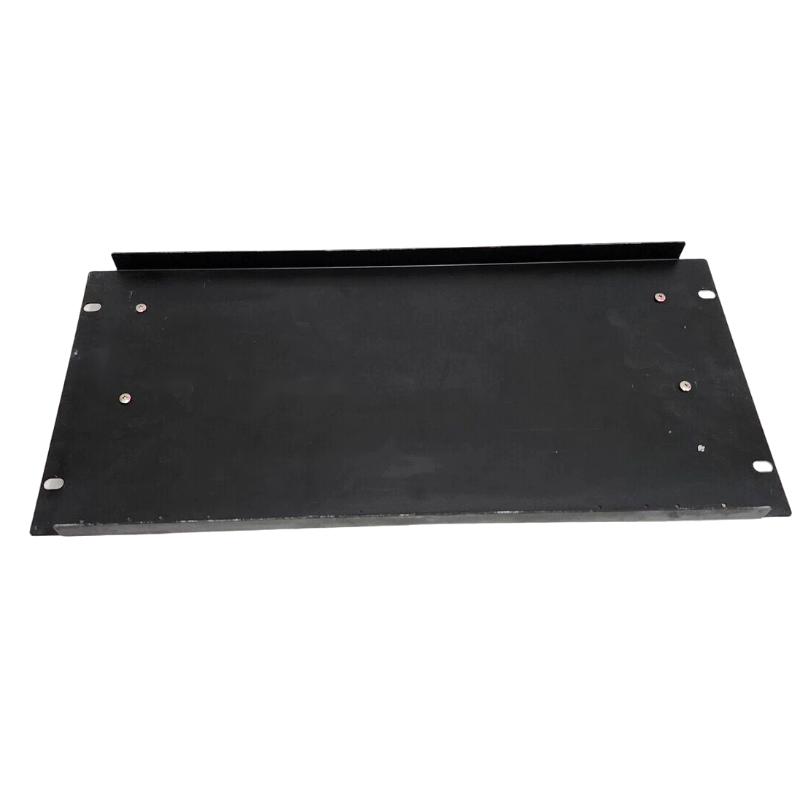
Product Introduction
The Yokogawa AFG84D Dual-Factory Control Station Migration Toolkit is an engineering support package designed to facilitate control system modernization projects. Industrial automation systems often operate for decades, and upgrading them requires careful migration of configurations, operational parameters, and system logic.
This toolkit provides a structured platform that assists engineers in transferring control station data between system environments while maintaining operational consistency. By enabling safe and efficient migration processes, it reduces the risks associated with replacing or upgrading critical automation infrastructure.
With its robust design and support for complex control system architectures, the AFG84D migration toolkit is particularly useful in large industrial plants where automation systems must evolve without compromising production reliability.
Technical Specifications
| Parameter | Specification |
|---|
| Product Type | Dual-Factory Control Station Migration Toolkit |
| Manufacturer | Yokogawa |
| Model Number | AFG84D |
| Function | Control System Migration and Upgrade Support |
| Typical Applications | Distributed Control System Modernization Projects |
| Installation | Engineering Workstation or System Migration Environment |
| Operating Environment | Industrial Automation Engineering Infrastructure |
| Dimensions | 207 mm × 265.9 mm × 482.6 mm |
| Weight | 8 kg (17.64 lb) |
Migration and System Upgrade Scenarios
The Yokogawa AFG84D Dual-Factory Control Station Migration Toolkit is designed to support system transition and modernization within industrial automation environments. In facilities where control systems evolve over time, migration toolkits help engineers move configurations, operational logic, and system data from legacy control stations to updated platforms without disrupting production operations.
The toolkit is typically utilized in the following situations:
-
Modernization projects upgrading legacy distributed control systems
-
Industrial plants consolidating control stations across multiple production units
-
Power generation facilities migrating to newer automation architectures
-
Large chemical processing plants updating supervisory control infrastructures
-
Oil and gas operations transitioning from older control hardware to modern platforms
By providing structured tools and hardware interfaces, the migration toolkit helps ensure that critical system configurations and operational continuity are preserved during upgrades.
System-Level Advantages for Migration Projects
Structured Control System Transition
The toolkit supports systematic migration of control station configurations and system data.
Reduced Operational Downtime
Engineers can perform migration activities in a controlled environment, minimizing interruptions to plant operations.
Compatibility with Dual-Factory Environments
The toolkit supports systems where multiple control environments or redundant control infrastructures must be maintained.
Simplified Engineering Workflow
Migration tools help automate portions of the conversion process, reducing manual configuration work.
Support for Large-Scale System Upgrades
The toolkit is well suited for complex automation infrastructures where multiple control stations must be updated simultaneously.
Technical FAQs
1. What is the main purpose of the AFG84D migration toolkit?
It assists engineers in migrating control station configurations and operational data from legacy systems to newer platforms.
2. What does “Dual-Factory Control Station” refer to?
It typically refers to control system architectures where two system environments or redundant factories are maintained for reliability and operational continuity.
3. Why are migration toolkits important in industrial upgrades?
They help ensure that system transitions occur smoothly without losing critical configuration data.
4. Can the toolkit help reduce migration errors?
Yes, structured migration tools reduce the risk of manual configuration mistakes during system upgrades.
5. In which industries is this toolkit commonly used?
Industries such as power generation, petrochemical processing, oil and gas production, and manufacturing automation.
6. Does the toolkit replace the control station hardware?
No, it assists in migrating configurations and data between control system platforms.
7. How does the toolkit help maintain operational continuity?
By enabling controlled migration processes that allow verification before systems are fully switched over.
8. Is the toolkit used during system commissioning?
Yes, it is frequently used during modernization projects and control system commissioning phases.
9. Can it support large multi-unit industrial plants?
Yes, the toolkit is designed for complex facilities with multiple control stations and automation layers.
10. What preparation is recommended before using the migration toolkit?
Engineers should perform system backups, configuration verification, and migration planning to ensure a smooth transition.
 A DCS Q Co., Ltd. - PLC and DCS Industrial Control Equipment Wholesale











