Practical Deployment in Industrial Control Panels
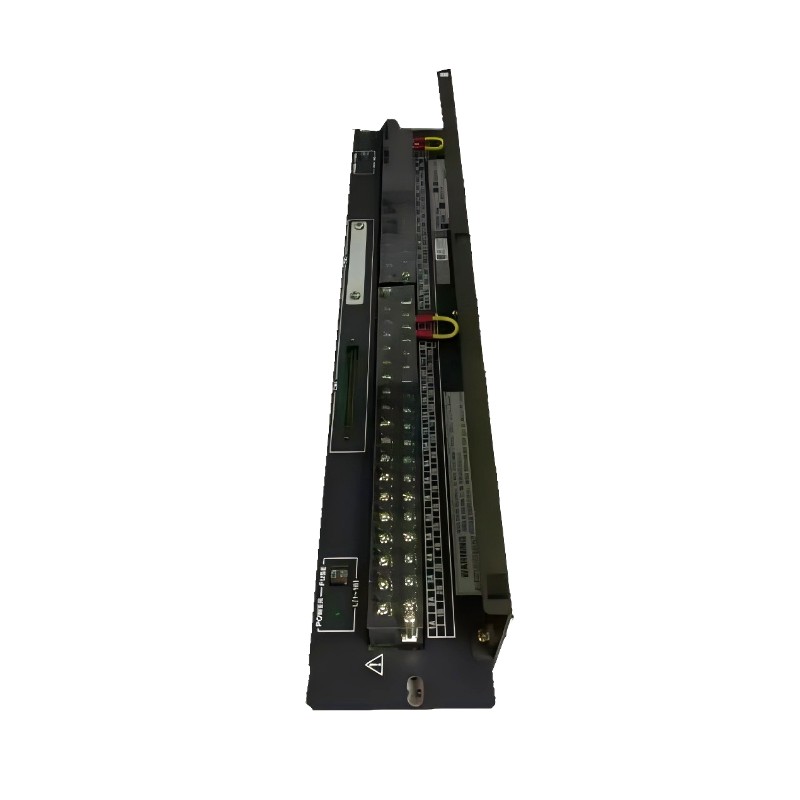
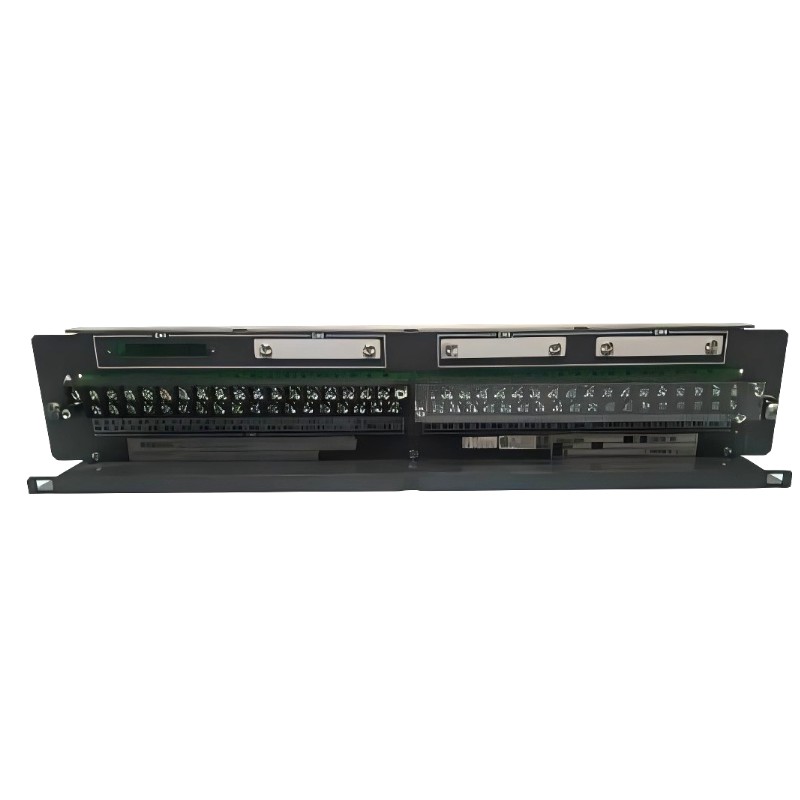
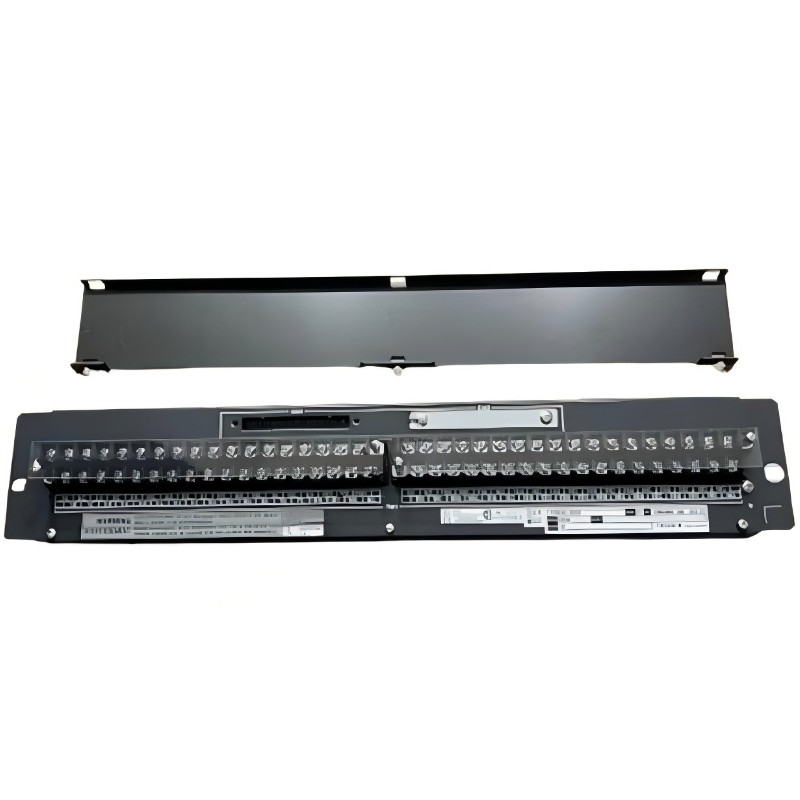
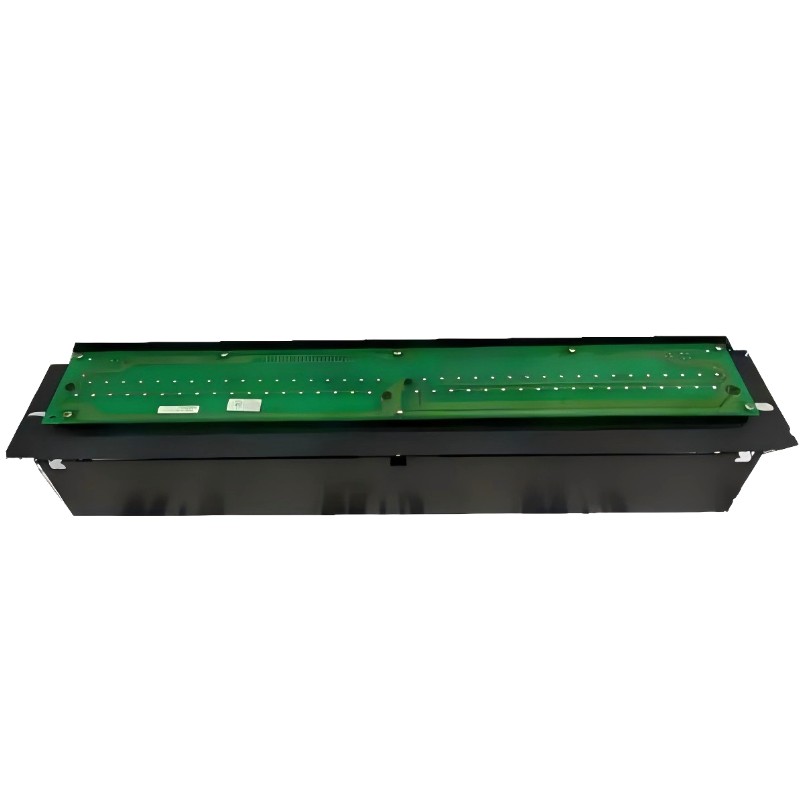
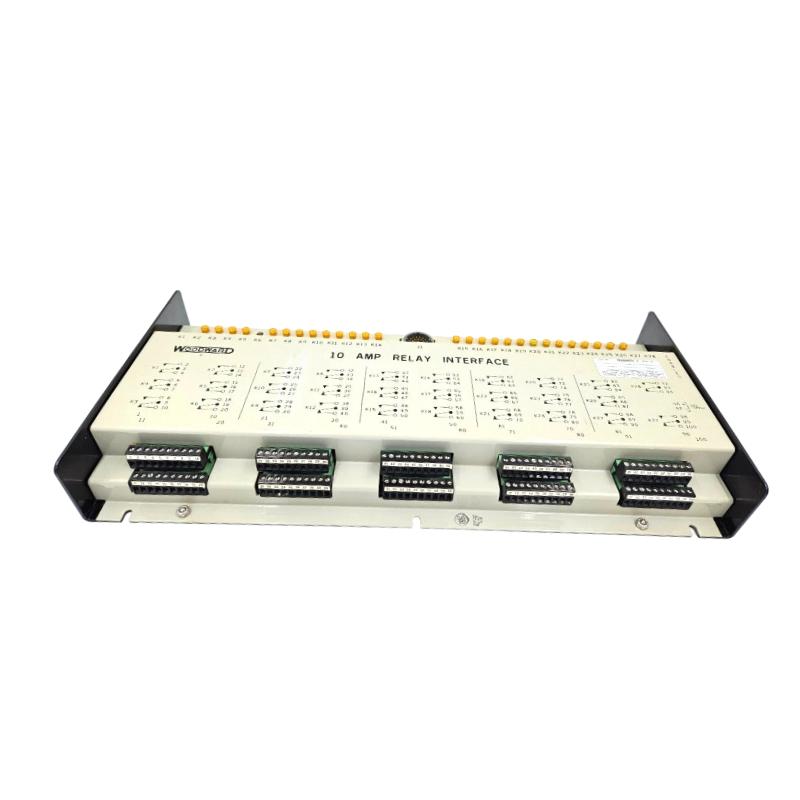
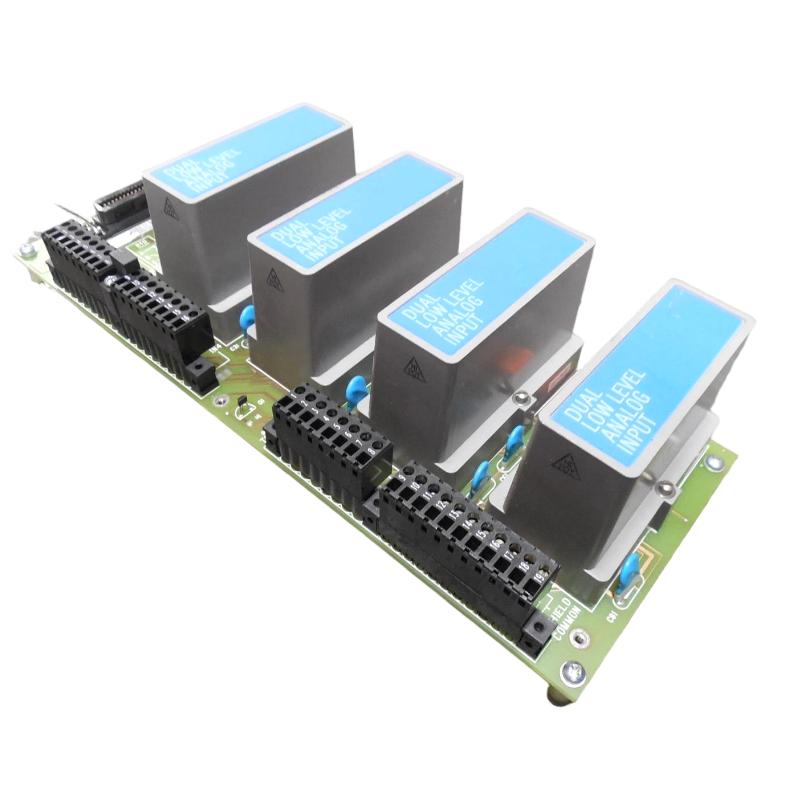
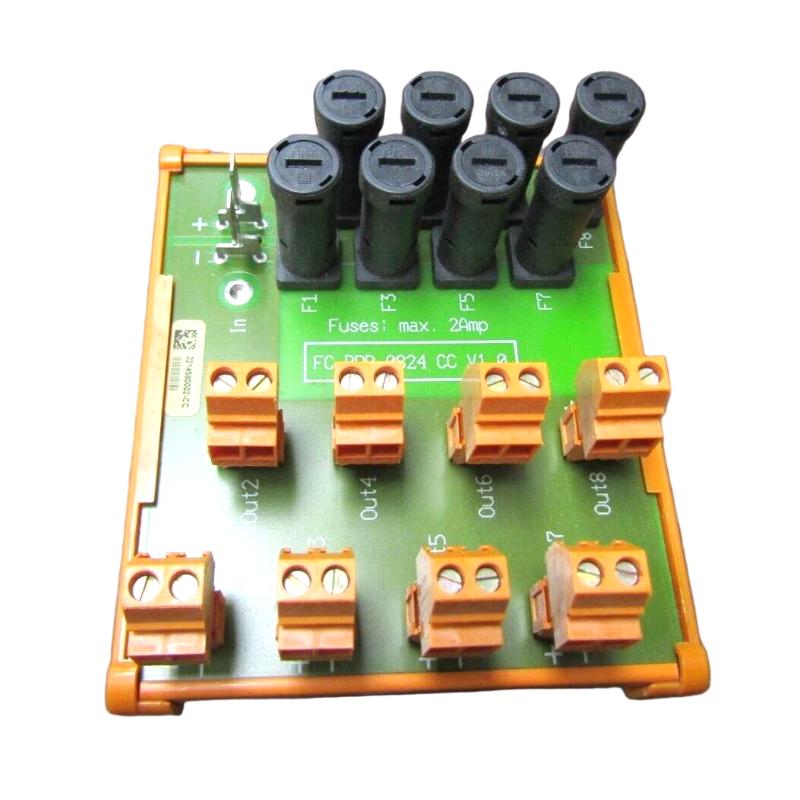
The Yokogawa AER4D-05 Terminal Board serves as a structured wiring interface used in industrial automation systems. In control cabinets containing numerous instrumentation signals, terminal boards help organize connections between field devices and the control system modules.
This board is typically integrated into automation infrastructures such as:
-
Distributed control systems used in large process industries
-
Power plant control cabinets supervising multiple equipment signals
-
Manufacturing automation systems handling numerous sensor connections
-
Oil and gas installations requiring reliable signal termination
-
Water and wastewater facilities managing pump and valve control wiring
By consolidating field wiring in a clearly structured interface, the terminal board helps engineers maintain an orderly and reliable control cabinet layout.
Engineering Benefits for Wiring Infrastructure
Structured Signal Termination
The board provides organized terminals that simplify the connection of field devices to the automation system.
Reduced Wiring Complexity
Centralized connection points minimize cable congestion inside control cabinets.
Improved Maintenance Accessibility
Technicians can easily inspect and troubleshoot wiring connections when system diagnostics are required.
Stable Electrical Connections
Secure terminal contacts help maintain consistent signal transmission across connected systems.
Adaptability to Large Automation Installations
The board is suitable for environments where numerous control signals must be routed reliably.
Technical FAQs
1. What is the primary function of the AER4D-05 terminal board?
It provides organized termination points for field wiring connected to automation control systems.
2. Why are terminal boards used in industrial automation cabinets?
They simplify wiring management and help maintain reliable signal connections between field devices and control modules.
3. What types of devices connect to the terminal board?
Sensors, switches, actuators, transmitters, and other field instrumentation devices.
4. Does the terminal board perform signal processing?
No, it primarily acts as a wiring interface rather than an active signal processing component.
5. Where is the board typically installed?
Inside industrial control cabinets or instrumentation panels as part of the automation wiring structure.
6. Can the terminal board support distributed control systems?
Yes, it is commonly used in DCS environments where multiple field signals must be organized efficiently.
7. How does the board assist maintenance technicians?
Clearly arranged terminals allow faster signal tracing and easier wiring inspection.
8. What industries commonly use terminal boards like the AER4D-05?
Process industries such as chemical production, power generation, oil and gas, and manufacturing.
9. Can additional field wiring be added after installation?
Yes, terminal boards allow system expansion by providing structured connection points.
10. What routine maintenance is recommended?
Periodic inspection of terminal tightness and wiring integrity ensures stable long-term operation.
 A DCS Q Co., Ltd. - PLC and DCS Industrial Control Equipment Wholesale