Product Introduction
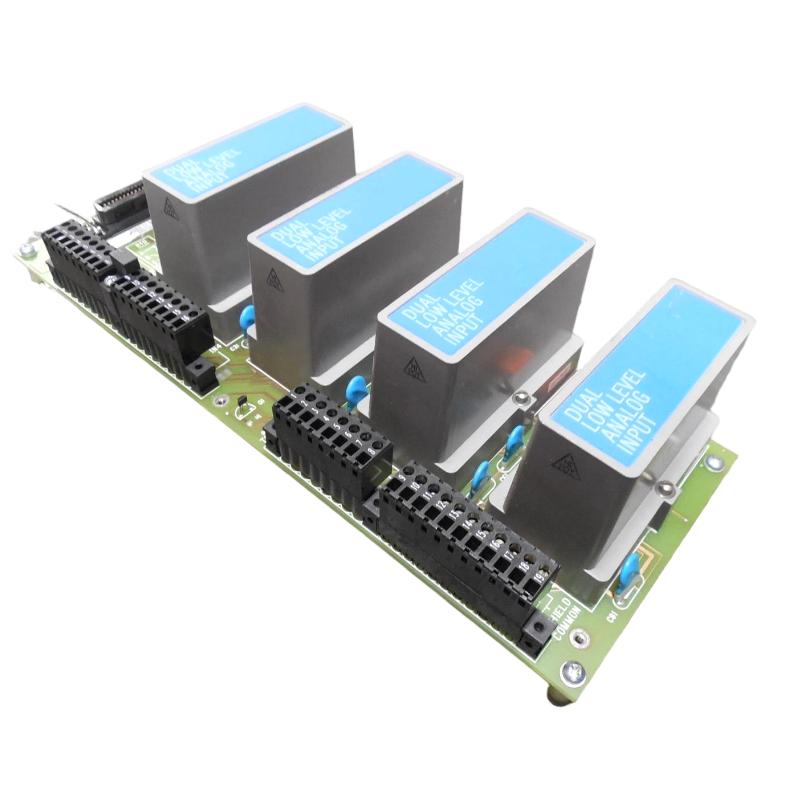
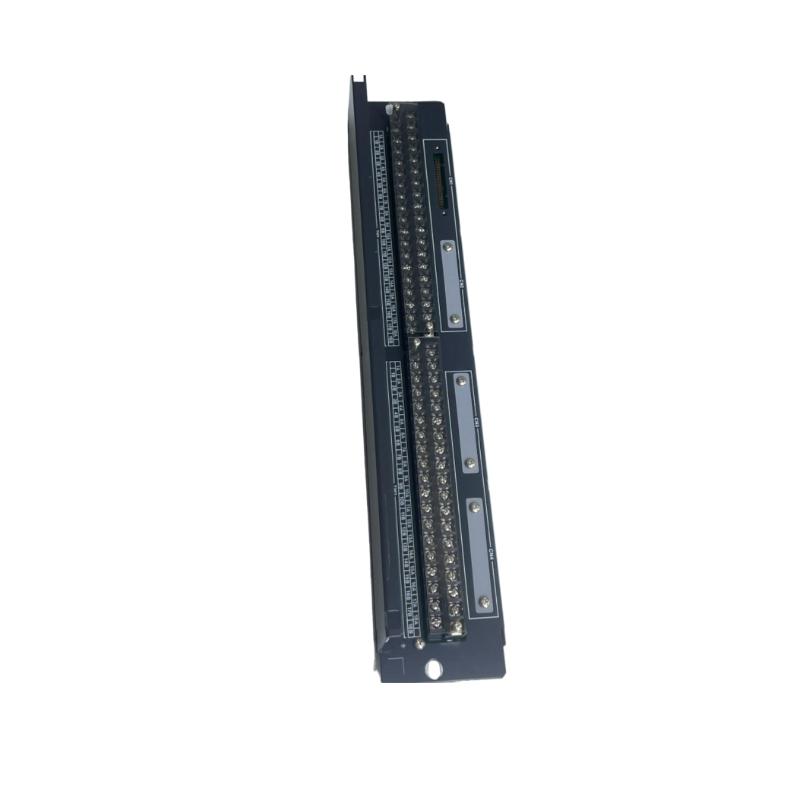
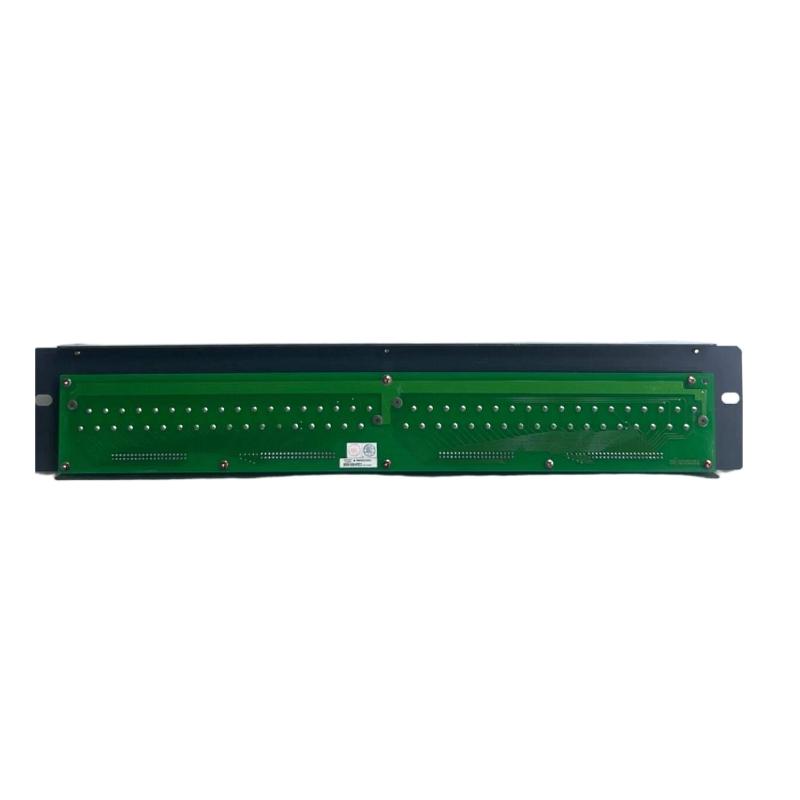
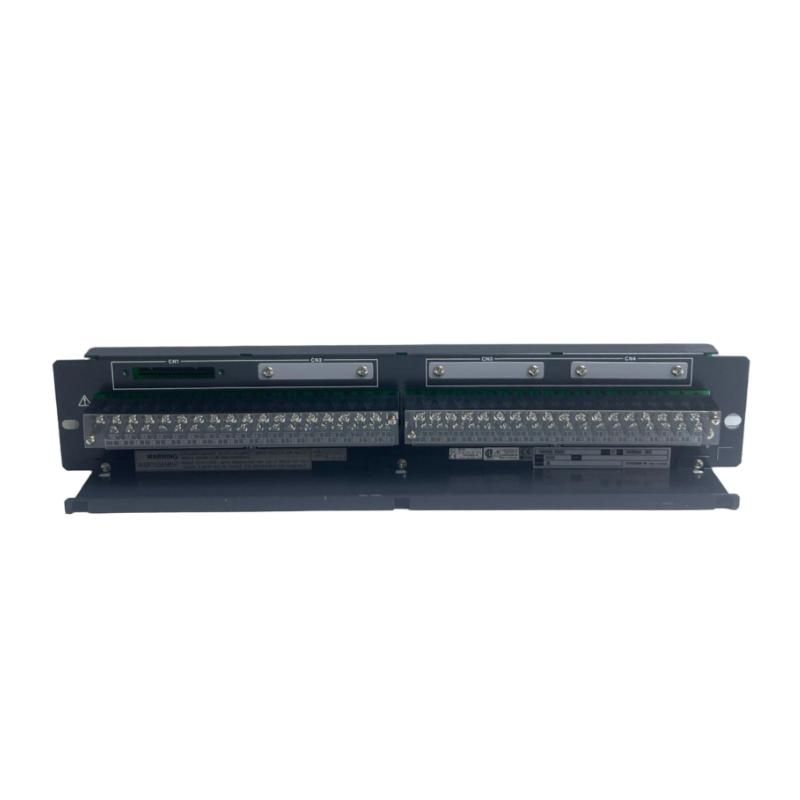
The Yokogawa AER4D-00 S1 Terminal Board is an industrial wiring interface designed to organize and manage field connections within automation cabinets. In complex control systems, numerous signals from sensors, transmitters, switches, and actuators must be routed reliably to the control modules.
This terminal board serves as a structured termination platform, allowing engineers to connect field wiring in a clear and systematic manner. By separating field wiring from control modules, the board also simplifies system maintenance and reduces the risk of accidental wiring disturbances during servicing.
Its robust construction and panel-friendly layout make the AER4D-00 S1 suitable for industrial installations where reliable signal connections and organized cabinet wiring are essential for system stability.
Technical Specifications
| Parameter | Specification |
|---|
| Product Type | Terminal Board |
| Manufacturer | Yokogawa |
| Model Number | AER4D-00 S1 |
| Function | Field Wiring Interface for Industrial Automation Systems |
| Installation | Control Cabinet or Instrumentation Panel |
| Typical Applications | Distributed Control Systems and Industrial Automation |
| Operating Environment | Industrial Process Control Infrastructure |
| Dimensions | 482.6 mm × 88.1 mm × 85 mm |
| Weight | 1.5 kg (3.31 lb) |
Typical Control Cabinet Applications
The Yokogawa AER4D-00 S1 Terminal Board is designed to provide a structured interface for field wiring connections in industrial automation systems. Terminal boards are essential components in control cabinets because they serve as the organized connection point between field devices and control modules.
This board is commonly used in environments where large numbers of signals must be terminated and managed efficiently, including:
-
Distributed control systems in chemical and petrochemical plants
-
Power generation facilities handling extensive instrumentation wiring
-
Industrial manufacturing automation with multiple sensors and actuators
-
Oil and gas production systems requiring reliable signal routing
-
Infrastructure automation such as water treatment and pumping stations
By centralizing wiring connections, the terminal board simplifies both installation and ongoing maintenance.
Functional Advantages in System Wiring
Structured Wiring Organization
The terminal board provides clearly arranged terminals that help engineers manage complex wiring layouts within control panels.
Improved Maintenance Efficiency
Technicians can easily trace and inspect wiring connections, reducing troubleshooting time during maintenance.
Stable Signal Transmission
Secure terminal connections help maintain reliable signal paths between field devices and automation modules.
Support for Large Automation Installations
The board accommodates multiple signal connections, making it suitable for large instrumentation systems.
Optimized Control Cabinet Layout
Its panel-friendly design helps maintain a clean and accessible cabinet wiring structure.
Technical FAQs
1. What is the primary function of the AER4D-00 S1 terminal board?
It provides connection points for field wiring between sensors, actuators, and automation control modules.
2. Why are terminal boards important in industrial control cabinets?
They organize wiring connections and improve system maintainability and signal reliability.
3. What types of signals can be connected to the terminal board?
Digital control signals, analog instrumentation signals, and other field wiring connections.
4. Can the terminal board support distributed control systems?
Yes, it is commonly used in DCS environments where numerous field signals must be connected.
5. How does the terminal board improve maintenance operations?
Clear wiring layout and accessible terminals make inspection and signal tracing easier for technicians.
6. Where is the terminal board typically installed?
It is mounted inside industrial control cabinets or instrumentation panels.
7. Does the board process signals or only provide connections?
It primarily functions as a wiring interface rather than a signal processing device.
8. Can the board support expansion of system wiring?
Yes, structured termination points make it easier to add additional wiring connections if needed.
9. What industries commonly use terminal boards like the AER4D-00 S1?
Process industries, energy production, manufacturing automation, and infrastructure control systems.
10. What maintenance is recommended for terminal boards?
Periodic inspection of terminal tightness, wiring integrity, and labeling clarity ensures reliable operation.
 A DCS Q Co., Ltd. - PLC and DCS Industrial Control Equipment Wholesale