Industrial Deployment and System Integration
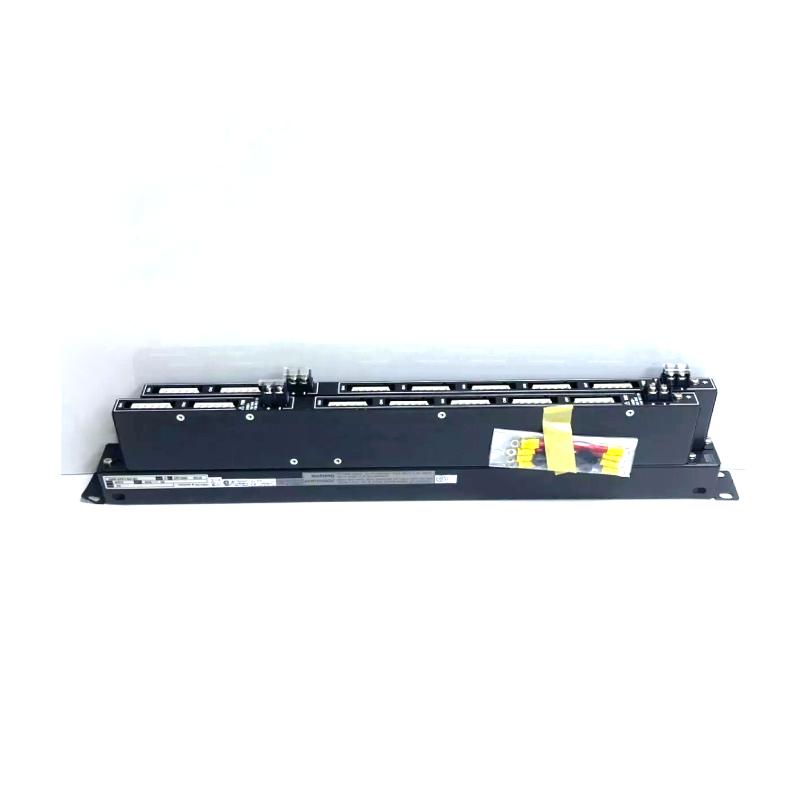
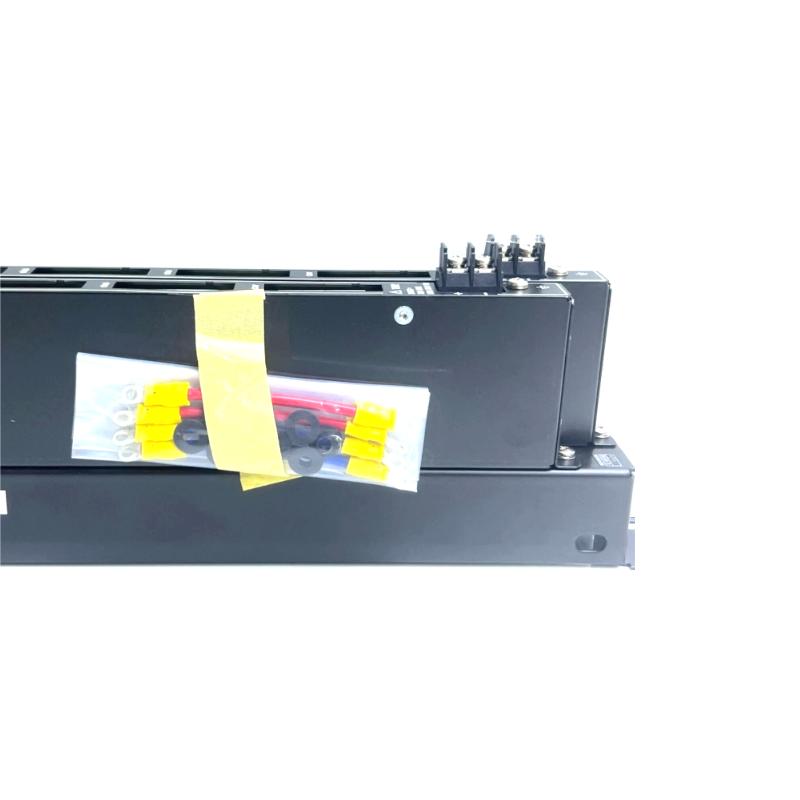
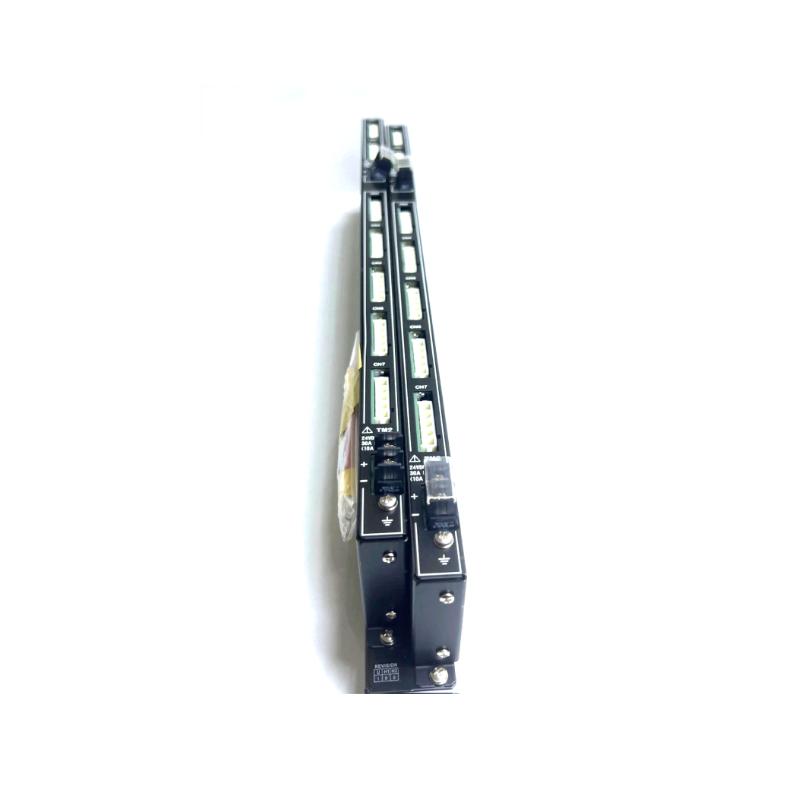
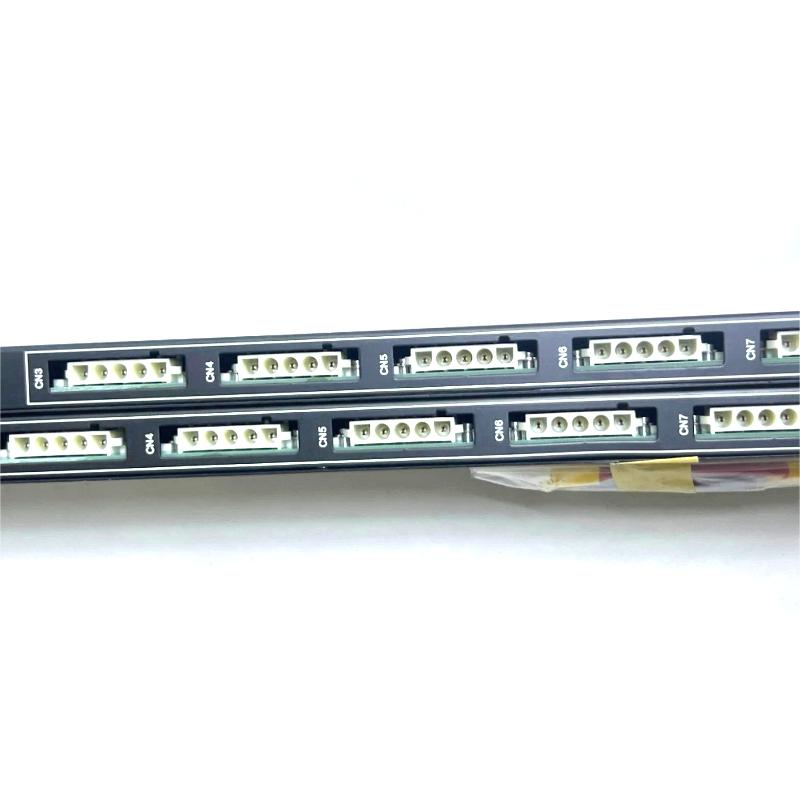
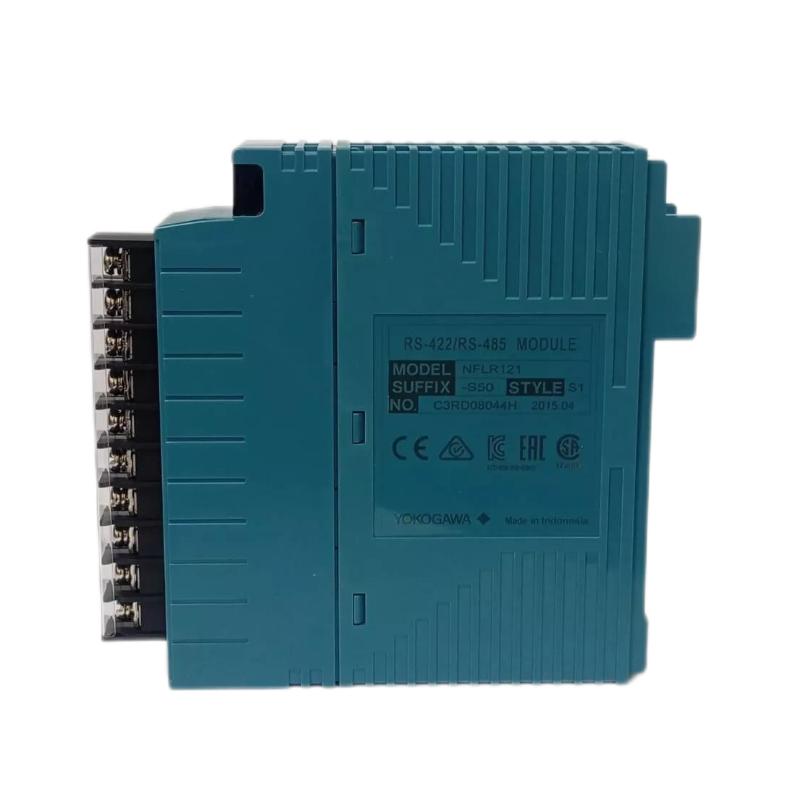
The Yokogawa AEPV7D Power Bus Unit is engineered to distribute electrical power across modular automation platforms within industrial control systems. In large automation environments, multiple I/O modules and controllers must receive stable and consistent power through a centralized internal bus structure. The AEPV7D performs this role by acting as the power distribution backbone within the rack system.
It is commonly installed in:
-
Distributed control systems used in oil and gas processing plants
-
Power generation facilities operating complex automation racks
-
Industrial production lines with modular control architectures
-
Chemical processing plants with extensive instrumentation networks
-
Infrastructure automation systems such as water treatment facilities
By supplying regulated power through the system backplane, the unit ensures that connected modules operate reliably under continuous industrial workloads.
Key Operational Advantages
Centralized Power Distribution
The unit efficiently delivers power to multiple connected modules through a shared internal bus structure.
Improved System Stability
Stable power distribution helps maintain consistent performance across controllers and I/O modules.
Optimized Rack Architecture
By consolidating power routing within the bus unit, wiring complexity inside control cabinets is significantly reduced.
High Reliability for Continuous Operations
The device is designed for industrial environments where control systems must remain operational without interruption.
Compatibility with Modular Automation Systems
It integrates seamlessly into Yokogawa control platforms that rely on rack-mounted module architectures.
Technical FAQs
1. What is the primary function of the AEPV7D power bus unit?
It distributes electrical power to multiple automation modules through the system backplane.
2. Why are power bus units important in automation systems?
They ensure that all connected modules receive stable and properly routed power.
3. What systems typically use a power bus unit like the AEPV7D?
Distributed control systems and modular industrial automation platforms.
4. Does the unit regulate power or only distribute it?
Its primary function is power distribution, while overall power regulation is typically handled by dedicated power supply modules.
5. Can the power bus unit support large automation racks?
Yes, it is designed to provide power distribution across multiple modules within the rack system.
6. Where is the unit installed within an automation cabinet?
It is typically installed within the rack structure that houses controllers and I/O modules.
7. How does the unit contribute to system reliability?
Consistent power delivery helps prevent module instability and communication interruptions.
8. Can the unit operate continuously in demanding environments?
Yes, it is built for industrial environments where systems operate around the clock.
9. What types of modules receive power from the bus unit?
Controllers, communication modules, and various I/O modules.
10. What maintenance practices are recommended?
Routine inspection of bus connections and system power diagnostics ensures stable long-term operation.
 A DCS Q Co., Ltd. - PLC and DCS Industrial Control Equipment Wholesale