Typical Deployment in Control Architectures
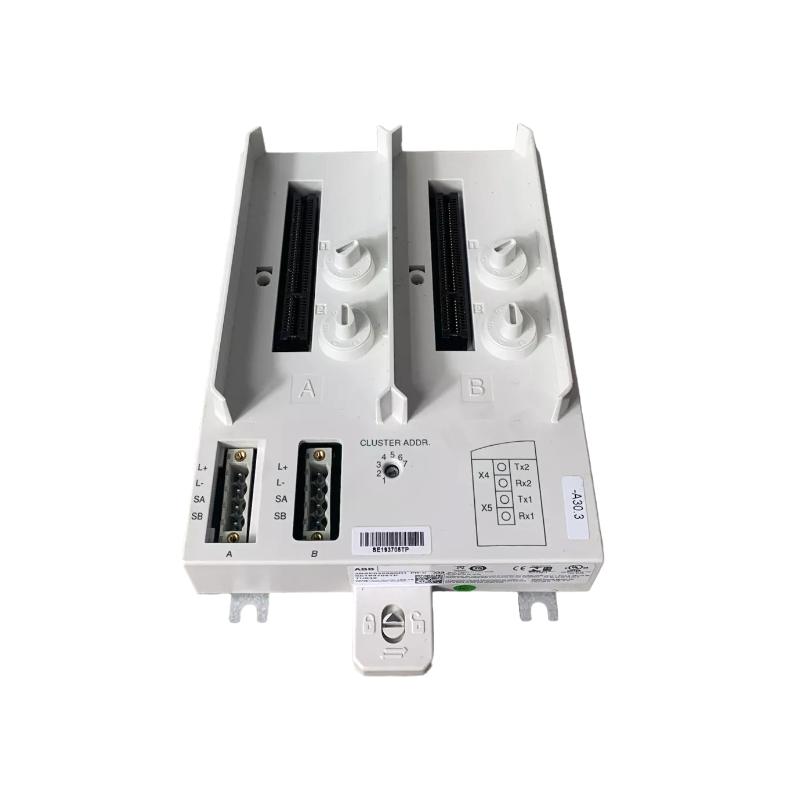
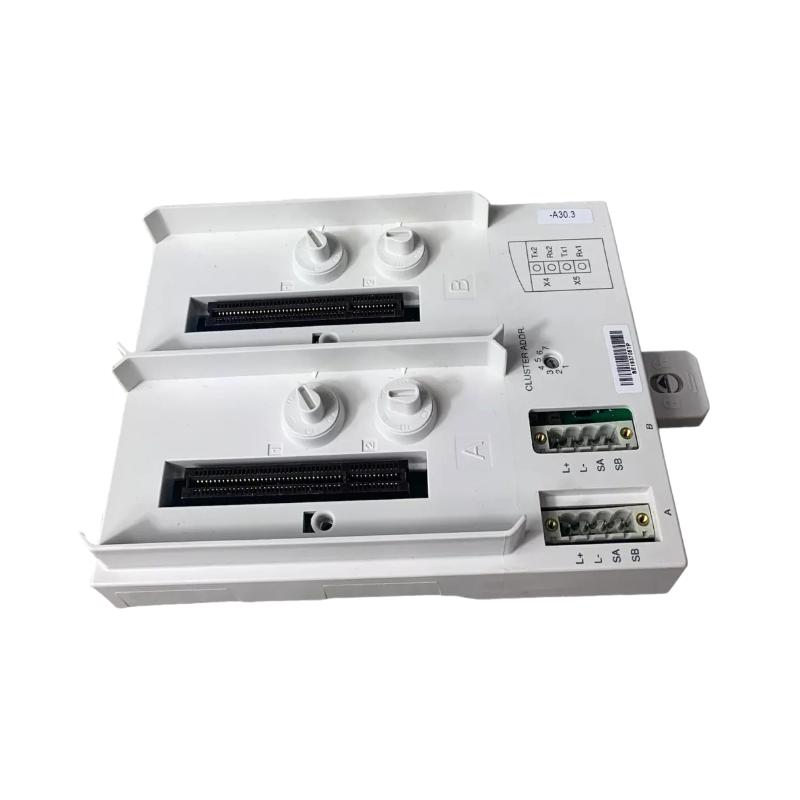
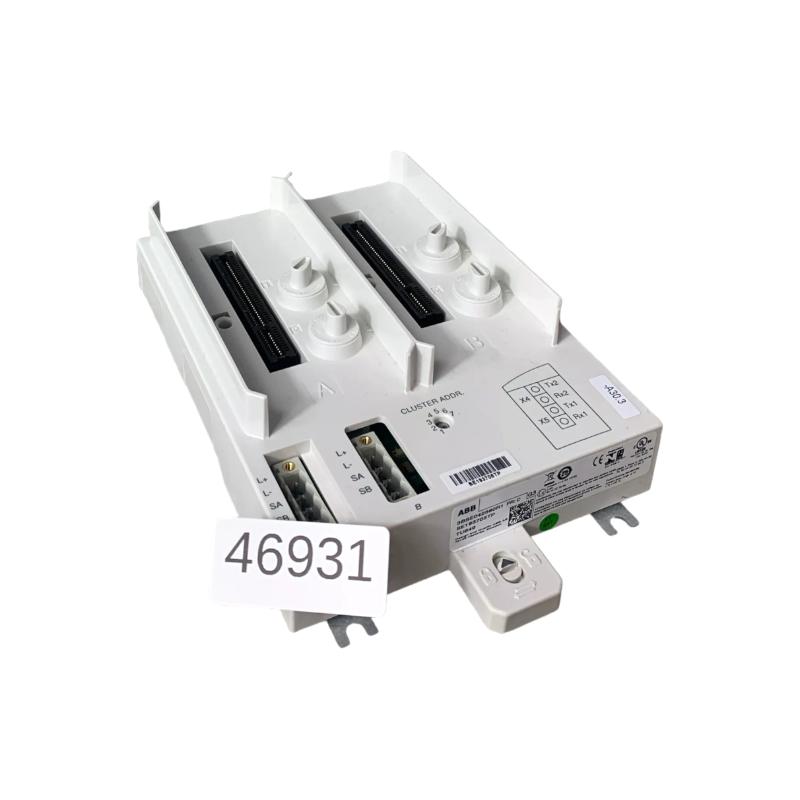
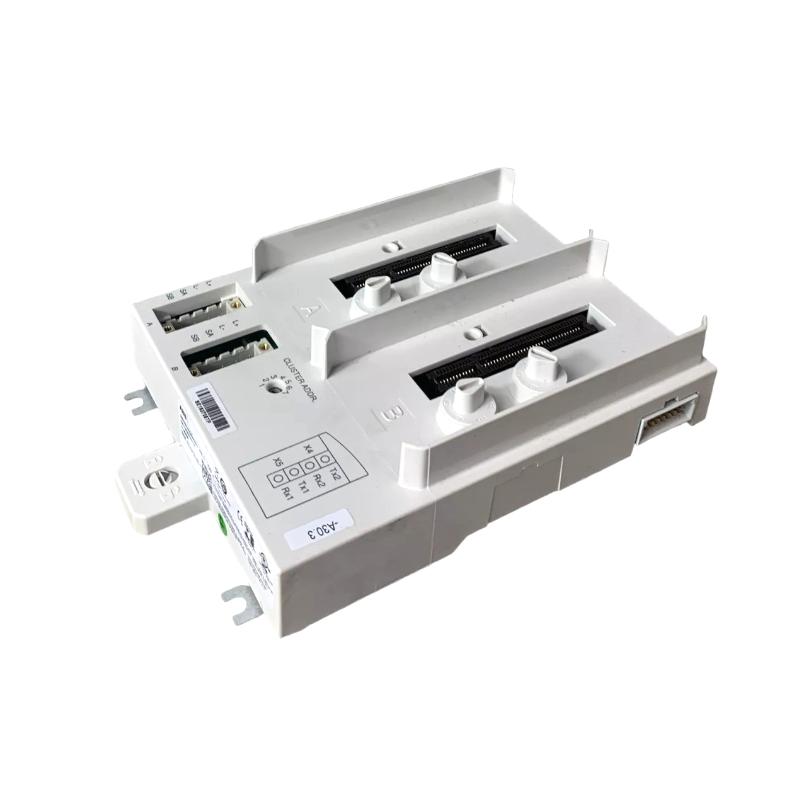
The ABB TU849 3BSE042560R1 Module Termination Unit is designed to provide organized signal termination and wiring interfaces for industrial automation modules. In modular control systems, termination units simplify the connection between field wiring and controller I/O modules, improving installation efficiency and long-term maintainability.
This unit is frequently deployed in:
-
Distributed control systems used in power generation plants
-
Industrial automation cabinets within manufacturing facilities
-
Process control installations in chemical and petrochemical plants
-
Oil and gas production monitoring systems
-
Water and wastewater treatment automation infrastructures
By serving as an intermediary connection interface, the termination unit helps ensure stable signal transmission between field devices and control modules.
Practical Advantages for Control Panel Engineering
Simplified Field Wiring Management
The termination unit provides clearly arranged connection points, making field wiring more organized and easier to maintain.
Improved System Reliability
Structured signal termination reduces the risk of wiring errors and improves the overall reliability of automation systems.
Efficient Maintenance and Troubleshooting
Technicians can quickly identify and isolate signal connections during maintenance or system diagnostics.
Compatibility with Modular Control Platforms
The unit integrates seamlessly with industrial automation modules and rack-based controller systems.
Compact Cabinet Integration
Its compact structure allows installation in control cabinets where space efficiency and wiring accessibility are important.
Technical FAQs
1. What is the main function of the TU849 module termination unit?
It provides a structured interface for connecting field wiring to automation modules within industrial control systems.
2. Why are termination units important in automation systems?
They organize signal connections, reduce wiring complexity, and improve maintainability of control cabinets.
3. What types of signals typically connect through this unit?
Industrial control signals such as digital inputs, digital outputs, and analog instrumentation signals.
4. Can the termination unit be used in distributed control systems?
Yes, it is commonly used in distributed automation platforms where multiple modules and field devices must be connected efficiently.
5. Does the unit perform signal processing?
No, it primarily functions as a wiring interface rather than a signal processing component.
6. How does the unit help maintenance technicians?
Clearly labeled termination points allow faster identification of wiring paths and easier troubleshooting.
7. Is the unit suitable for industrial environments with vibration or temperature changes?
Yes, it is designed for use in industrial control cabinets where environmental conditions may vary.
8. Where is the module typically installed?
It is mounted inside automation racks or control panels near the associated I/O modules.
9. Can the termination unit support system expansion?
Yes, organized wiring interfaces simplify future expansion of automation modules.
10. What maintenance practices are recommended?
Periodic inspection of terminal connections and wiring integrity helps ensure long-term system reliability.
 A DCS Q Co., Ltd. - PLC and DCS Industrial Control Equipment Wholesale