Industrial Integration Context
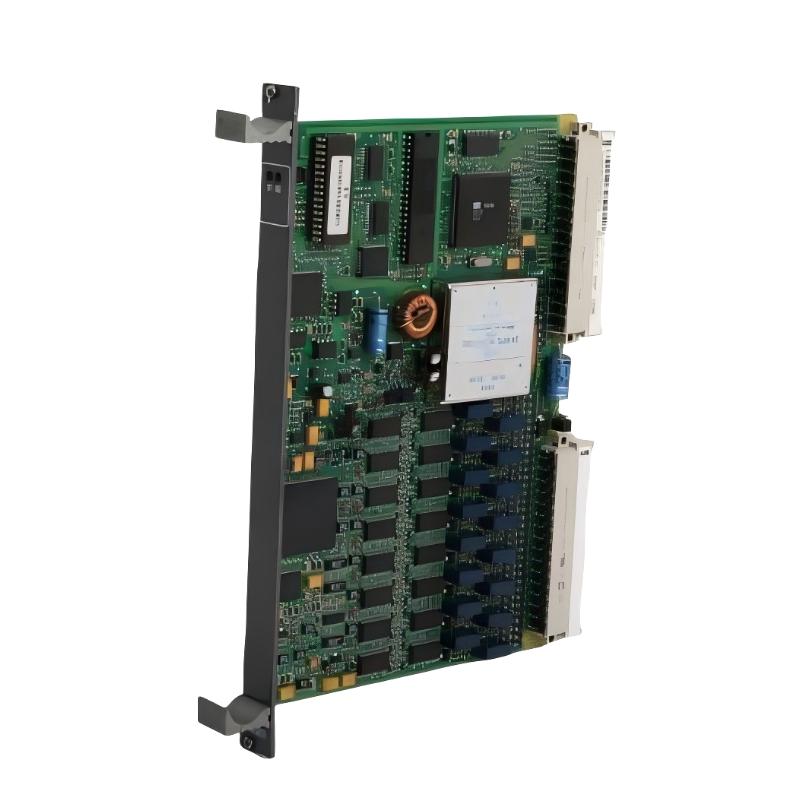
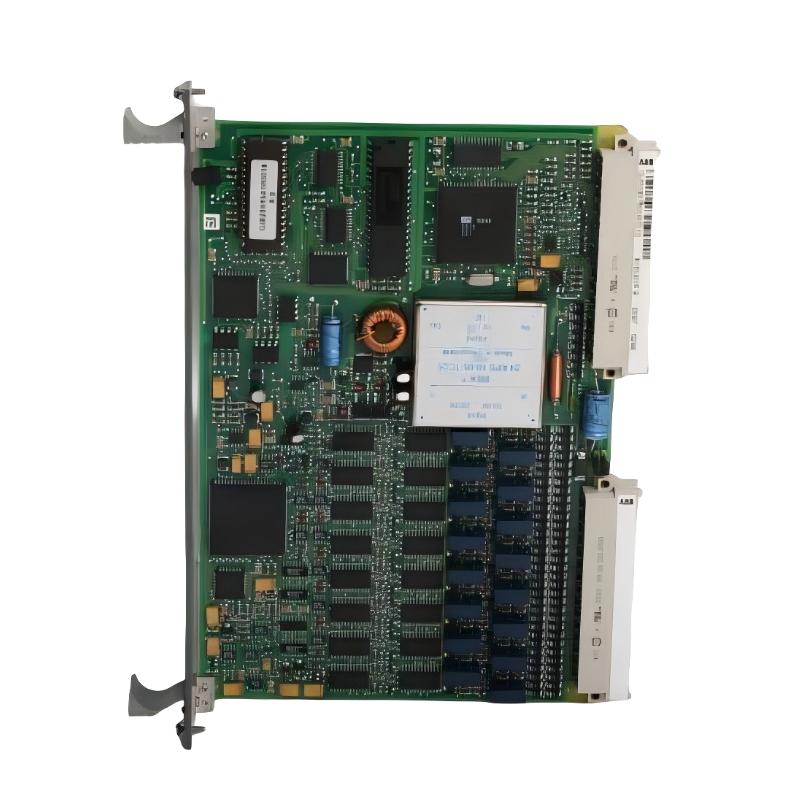
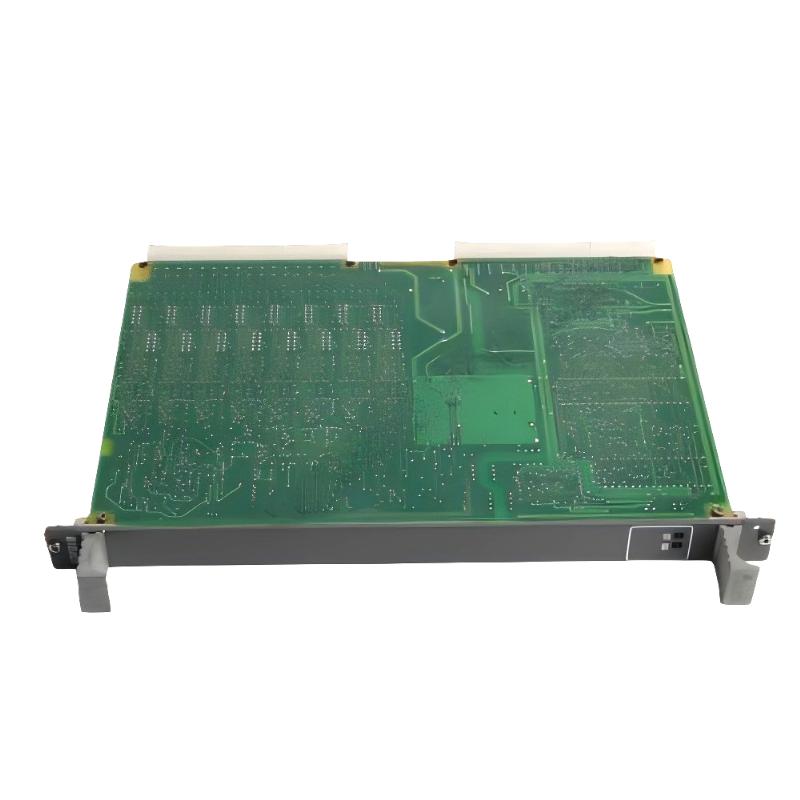
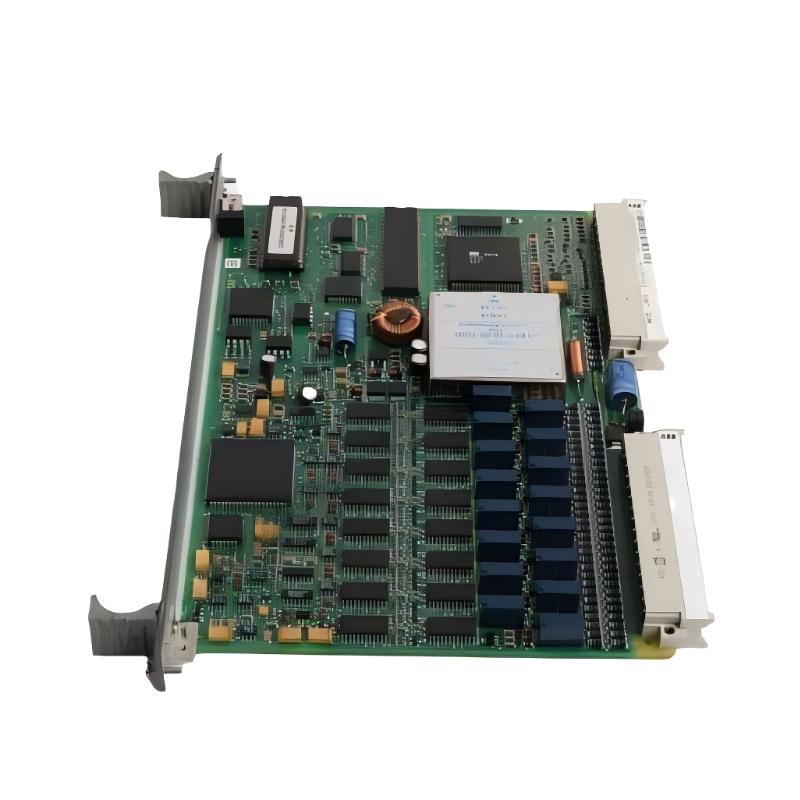
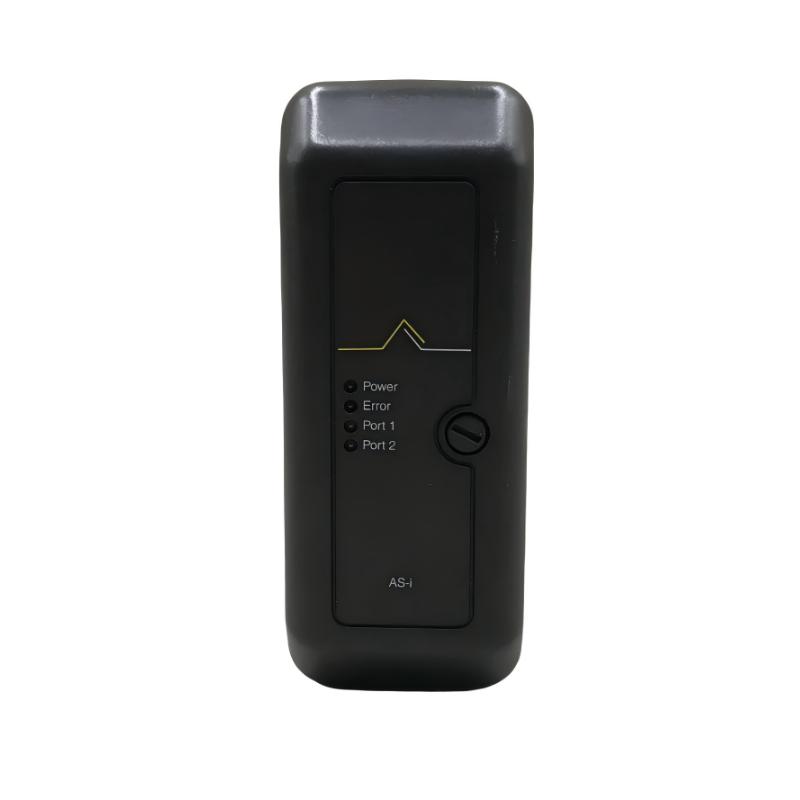
The ABB 89IL07A-E GJR2394300R0100 Remote Bus Coupling Module is designed to connect distributed automation components to a central control bus within industrial control systems. Remote bus coupling modules serve as communication bridges, enabling reliable data exchange between remote I/O stations and the main automation controller.
Typical applications include:
-
Distributed control systems used in power generation plants
-
Industrial manufacturing lines with remote I/O architectures
-
Oil and gas facilities requiring communication between field instrumentation and control rooms
-
Large process automation installations in chemical plants
-
Infrastructure control systems such as water treatment and pumping stations
By enabling remote communication across automation networks, the module allows engineers to design scalable and flexible control architectures.
System-Level Advantages
Reliable Communication Between Control Nodes
The module ensures stable data exchange between remote devices and the central control system.
Support for Distributed Automation Architectures
It allows remote I/O stations to operate as part of a larger automation network.
Improved System Scalability
Additional remote stations can be integrated into the network without major modifications to the main controller.
Efficient Data Transfer
The module helps maintain consistent communication performance for industrial process control.
Industrial-Grade Construction
Designed for installation in demanding environments where automation infrastructure operates continuously.
Technical FAQs
1. What is the main function of the 89IL07A-E remote bus coupling module?
It connects remote I/O systems to the central automation bus, enabling communication between distributed components.
2. Why are remote bus coupling modules used in industrial automation?
They allow control systems to manage equipment located far from the central controller.
3. Can this module support distributed control systems?
Yes, it is commonly used in distributed automation architectures where remote devices communicate with central controllers.
4. What types of systems typically use remote bus coupling modules?
Large industrial control systems, including manufacturing plants, power stations, and process automation facilities.
5. Does the module improve system scalability?
Yes, it allows additional remote devices or I/O stations to be added to the automation network.
6. How is the module installed within a control system?
It is typically mounted within a control rack or automation cabinet as part of the system communication infrastructure.
7. Can the module operate continuously in industrial environments?
Yes, it is designed for long-term operation in demanding automation environments.
8. What role does the module play in data transmission?
It transfers control signals and status data between remote devices and the main controller.
9. Is diagnostic monitoring available for communication status?
Industrial communication modules typically provide status indicators to assist with network diagnostics.
10. What maintenance is recommended for reliable operation?
Regular inspection of communication connections and system diagnostics helps maintain stable network performance.
 A DCS Q Co., Ltd. - PLC and DCS Industrial Control Equipment Wholesale