Industrial Signal Distribution Scenarios
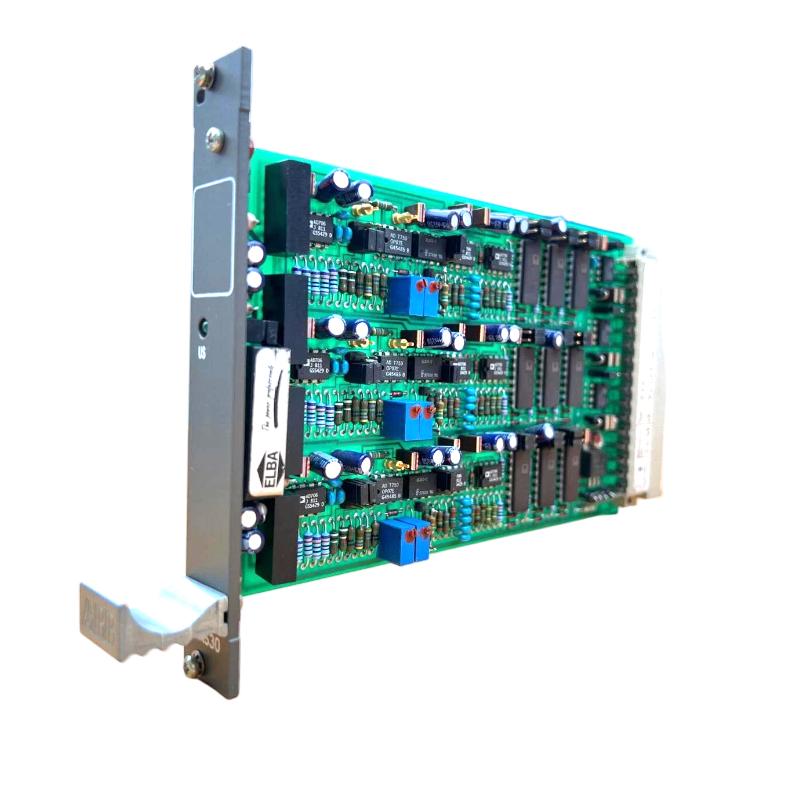
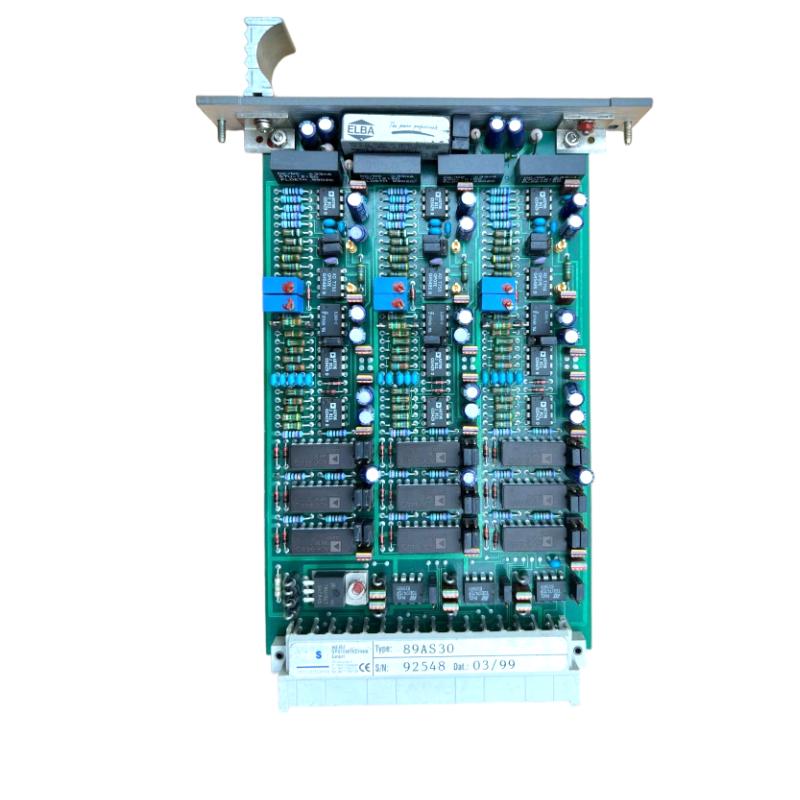
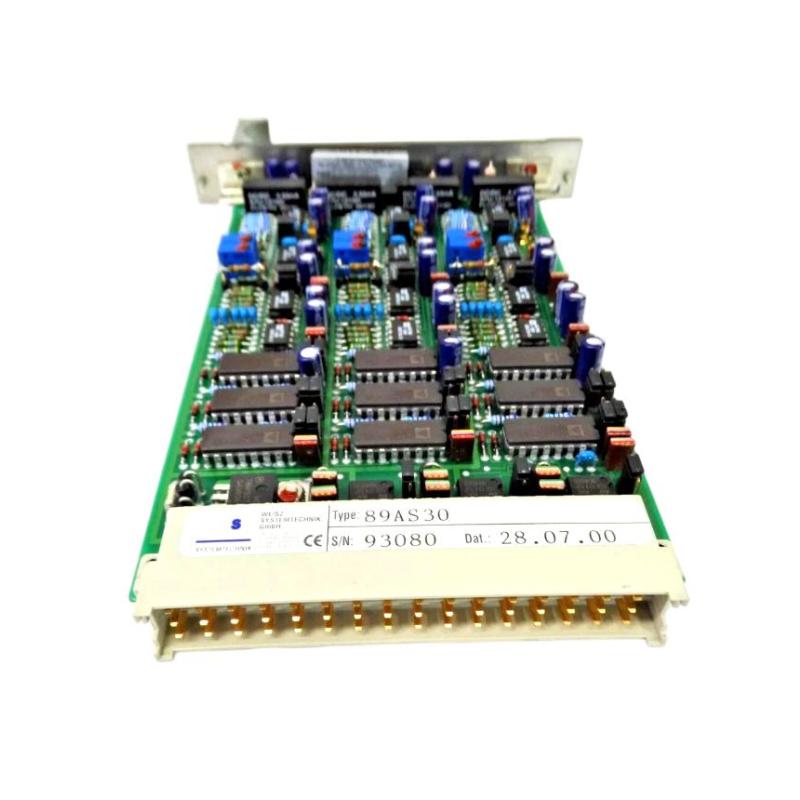
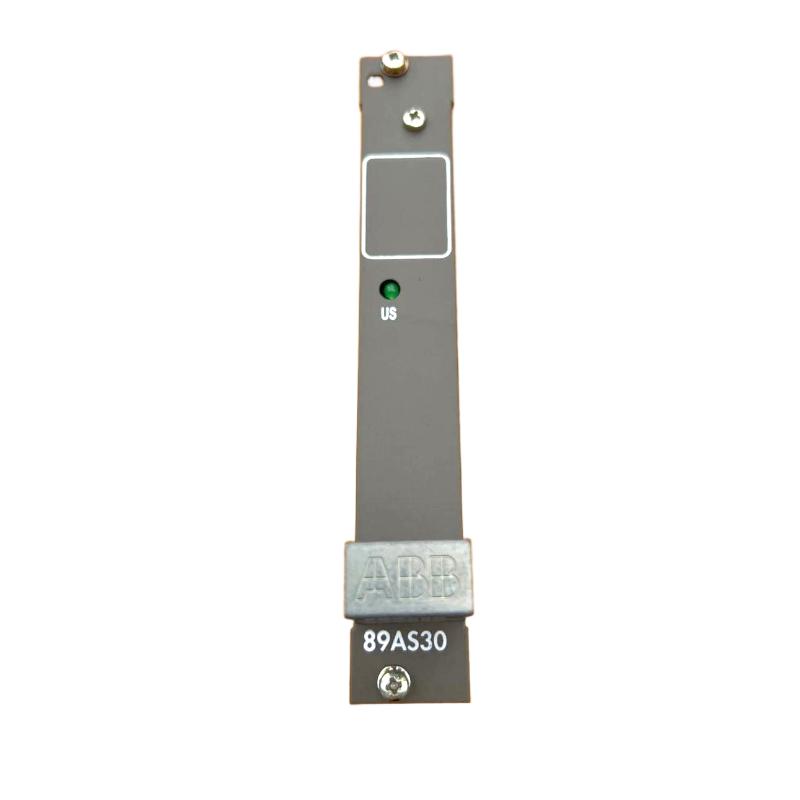
The ABB 89AS30 GKWN000317R0100 Analog Signal Multiplier is designed to replicate and distribute analog signals within industrial automation and control systems. In complex process environments, a single sensor signal often needs to be transmitted simultaneously to multiple monitoring or control devices. This module performs that task by multiplying an incoming analog signal and delivering identical outputs to several destinations.
Typical deployment environments include:
-
Process control systems in chemical and petrochemical plants
-
Distributed control systems (DCS) used in power generation facilities
-
Industrial automation cabinets in manufacturing plants
-
Instrumentation panels within oil and gas production systems
-
Monitoring infrastructure in water and wastewater treatment plants
By ensuring consistent signal replication, the module helps maintain reliable data transmission across interconnected control systems.
Engineering Benefits for Signal Management
Accurate Signal Replication
The module duplicates an incoming analog signal while maintaining signal integrity, ensuring that multiple systems receive consistent measurement data.
Improved System Integration
It enables one sensor to feed several control or monitoring devices without degrading signal quality.
Reduced Signal Interference Risk
Signal multiplication helps isolate measurement circuits, reducing potential interference between connected systems.
Compact Industrial Design
Its small footprint allows convenient installation in control cabinets and instrumentation panels.
Reliable Operation in Process Environments
Designed for industrial conditions, the module supports stable operation in facilities where instrumentation signals must remain precise.
Technical FAQs
1. What is the primary function of the 89AS30 analog signal multiplier?
It replicates a single analog input signal and distributes it to multiple output channels.
2. Why are signal multipliers used in automation systems?
They allow multiple control or monitoring devices to receive the same measurement signal from one sensor.
3. What types of signals can typically be multiplied?
Common industrial analog signals such as current or voltage-based instrumentation signals.
4. How does signal multiplication help maintain signal quality?
The module isolates outputs so connected systems do not interfere with each other.
5. Can this module be used in distributed control systems?
Yes, it is commonly integrated into DCS and industrial automation infrastructures.
6. Is the module suitable for continuous operation?
Yes, it is designed for long-term operation in industrial process environments.
7. Where is the signal multiplier typically installed?
It is usually mounted within instrumentation panels or control cabinets.
8. Does the module require calibration after installation?
Calibration may be required depending on the signal configuration and system requirements.
9. What types of equipment typically receive the multiplied signals?
Controllers, data acquisition systems, monitoring devices, and protection systems.
10. What maintenance is recommended for signal multipliers?
Routine inspection of wiring connections and verification of signal integrity helps ensure reliable operation.
 A DCS Q Co., Ltd. - PLC and DCS Industrial Control Equipment Wholesale