Industrial Usage Landscape
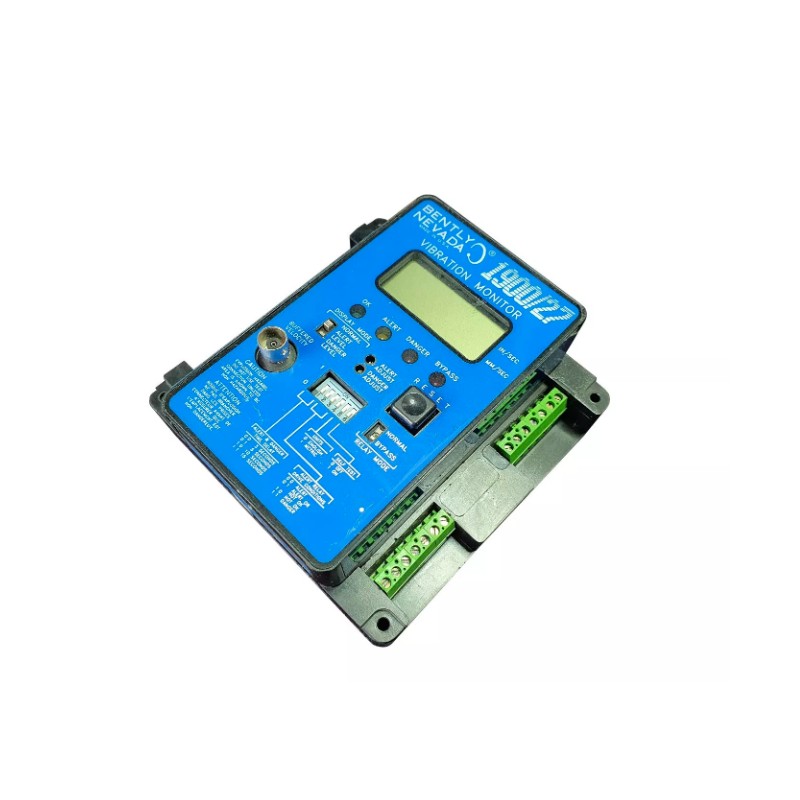
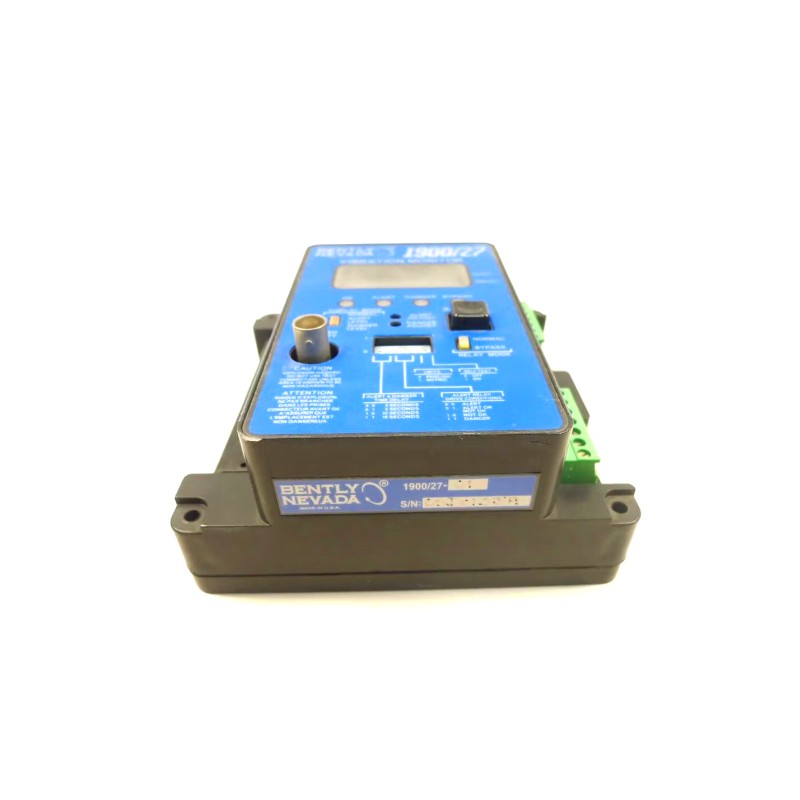
The Bently Nevada 1900/27-03 Vibration Monitor is engineered to provide reliable vibration monitoring for rotating industrial equipment. In industries where machinery operates continuously under demanding conditions, vibration analysis is an essential diagnostic method used to evaluate machine health and prevent unexpected breakdowns.
Typical deployment scenarios include:
-
Monitoring pumps and compressors in petrochemical facilities
-
Supervising turbine-generator sets in power plants
-
Protecting high-speed motors in manufacturing environments
-
Condition monitoring of industrial fans and blowers
-
Pump station monitoring in water and wastewater treatment facilities
By continuously analyzing vibration signals, the monitor enables early detection of mechanical irregularities and supports predictive maintenance strategies.
Functional Strengths for Equipment Protection
Continuous Condition Monitoring
The device measures machine vibration levels in real time, allowing operators to track equipment performance throughout operation.
Early Detection of Mechanical Anomalies
Abnormal vibration patterns can indicate developing faults such as imbalance, misalignment, or bearing deterioration.
Compact Control Panel Integration
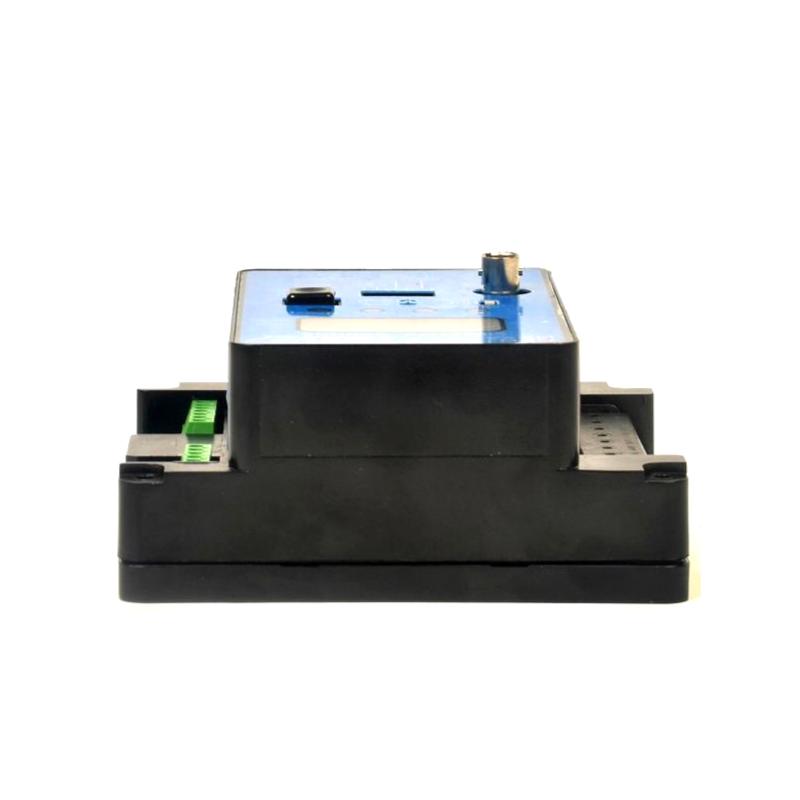
The monitor’s form factor supports convenient panel mounting within equipment monitoring cabinets or control systems.
Reliable Alarm Capability
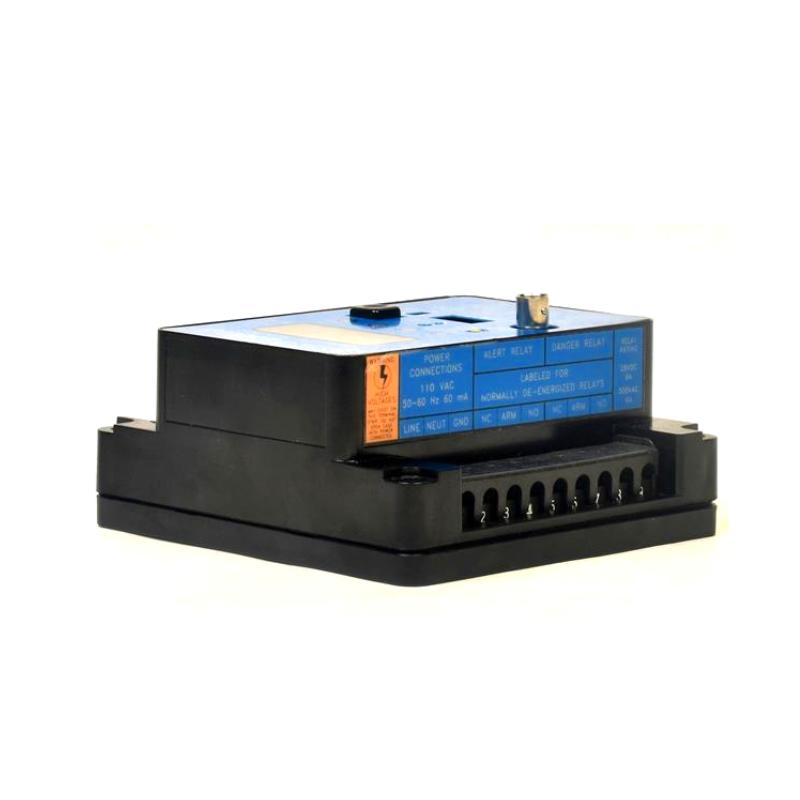
Alarm outputs can be configured to notify operators when vibration thresholds are exceeded, improving response time.
Robust Industrial Design
Built for continuous-duty service, the monitor performs reliably in demanding industrial environments where machines operate non-stop.
Technical FAQs
1. What is the main role of the 1900/27-03 vibration monitor?
It continuously measures vibration levels from rotating machinery and provides real-time condition monitoring.
2. What types of equipment are commonly monitored with this device?
Industrial motors, pumps, turbines, compressors, and fans are typical machines monitored using vibration systems.
3. How does vibration monitoring help avoid mechanical failures?
It identifies abnormal vibration patterns that often appear before serious mechanical damage occurs.
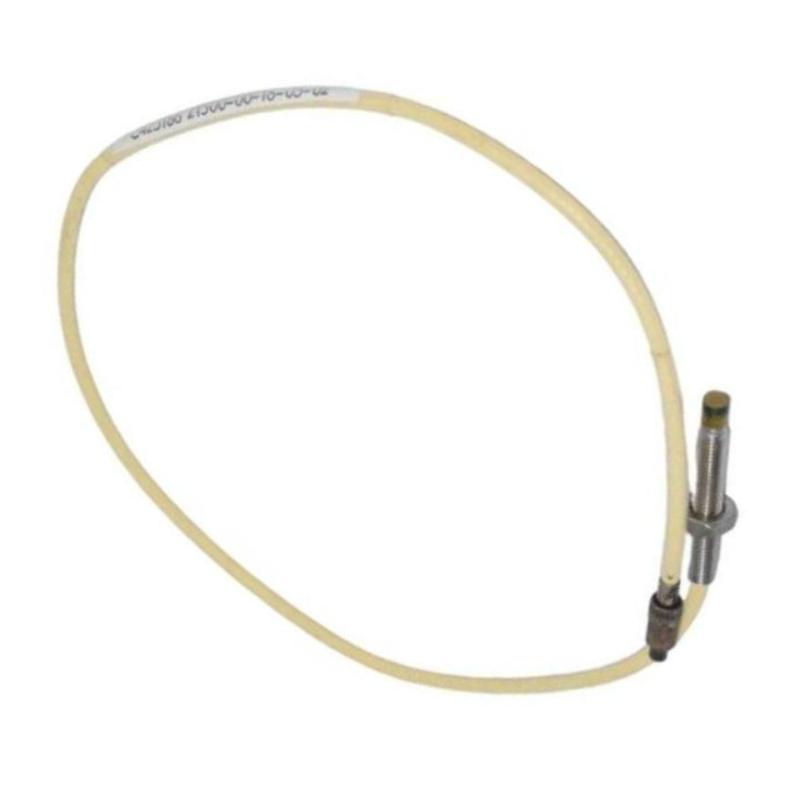
4. What sensors are generally used with this vibration monitor?
Accelerometers or velocity-based vibration sensors are typically connected to the monitor.
5. Can the monitor trigger alarms when vibration exceeds limits?
Yes, configurable alarm thresholds allow the system to alert operators or activate protective actions.
6. Is the device suitable for long-term industrial operation?
Yes, it is designed to operate continuously in industrial environments with minimal interruption.
7. How is the unit installed within an industrial facility?
It is typically mounted in control panels or dedicated machinery monitoring cabinets.
8. What mechanical issues can vibration monitoring detect?
It can detect imbalance, shaft misalignment, mechanical looseness, bearing wear, and structural resonance.
9. Can this monitor be integrated into plant monitoring systems?
Yes, vibration monitors can be connected to larger condition monitoring or automation systems.
10. What routine maintenance is recommended for vibration monitoring equipment?
Periodic sensor inspection, wiring checks, and system calibration verification help maintain measurement accuracy.
 A DCS Q Co., Ltd. - PLC and DCS Industrial Control Equipment Wholesale