Typical Industrial Implementations
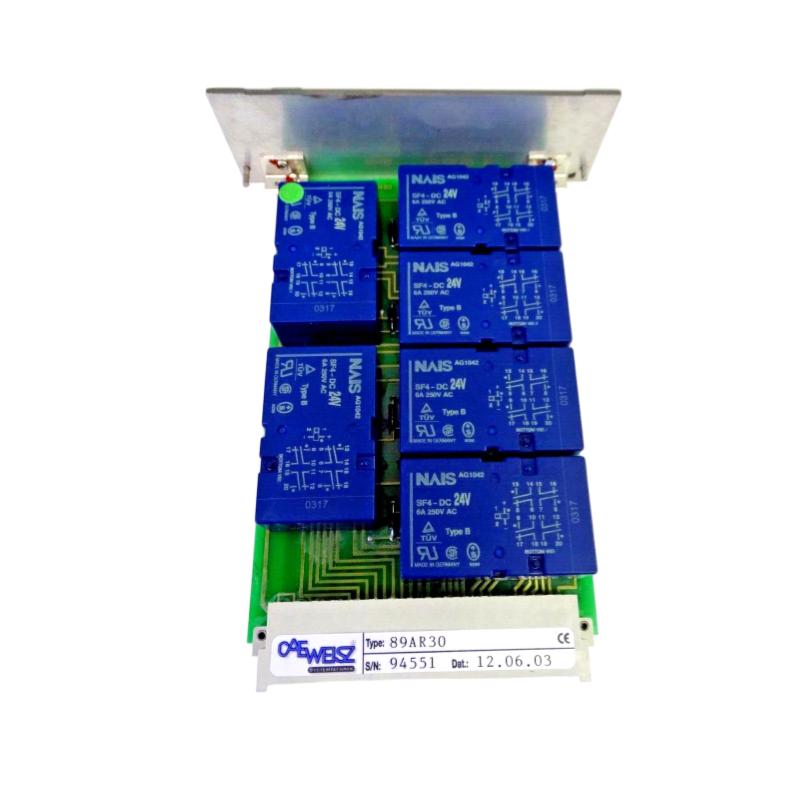
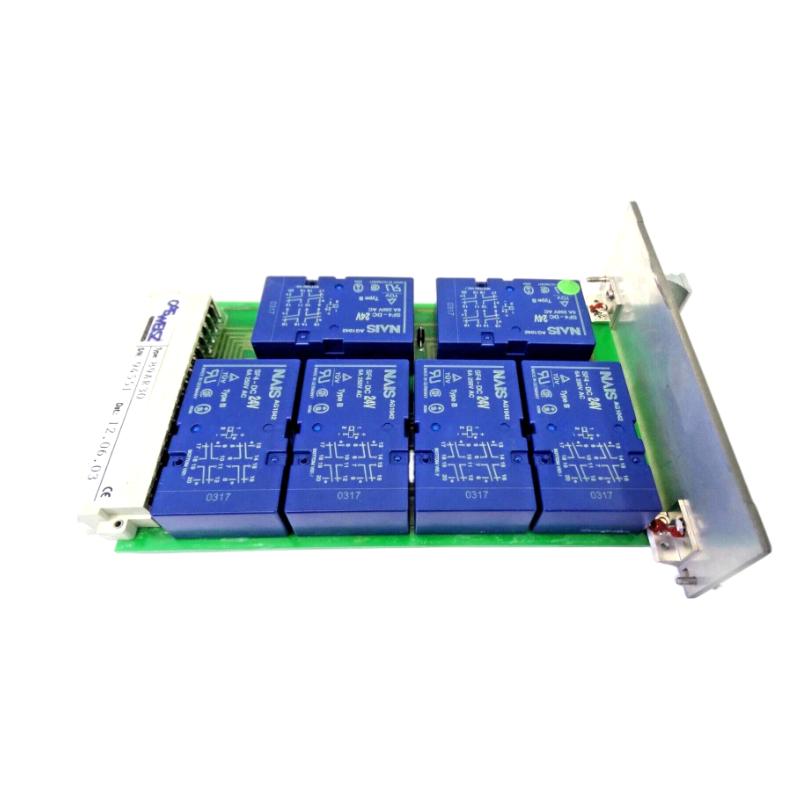
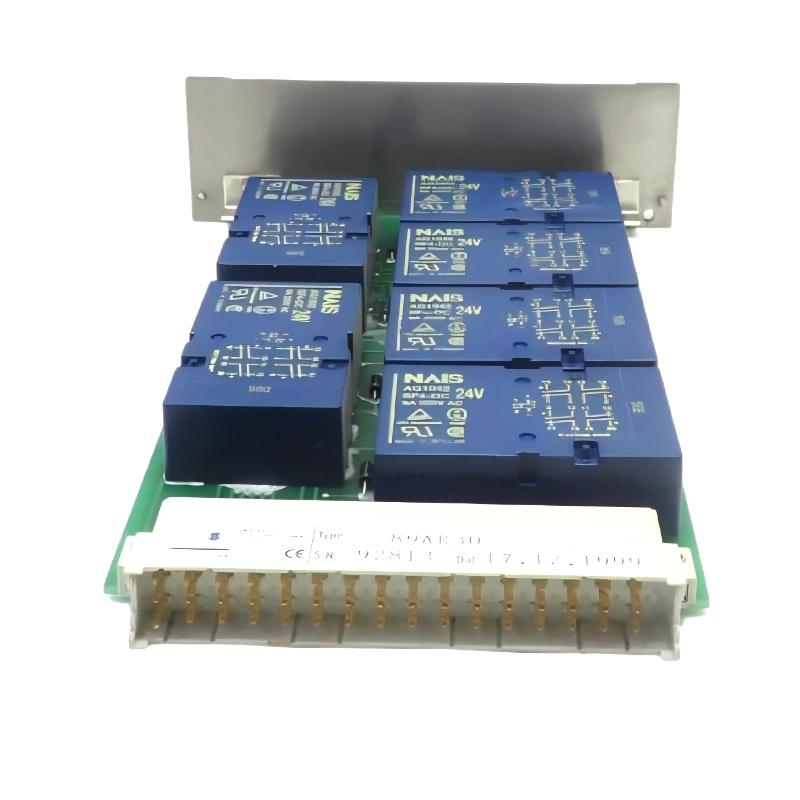
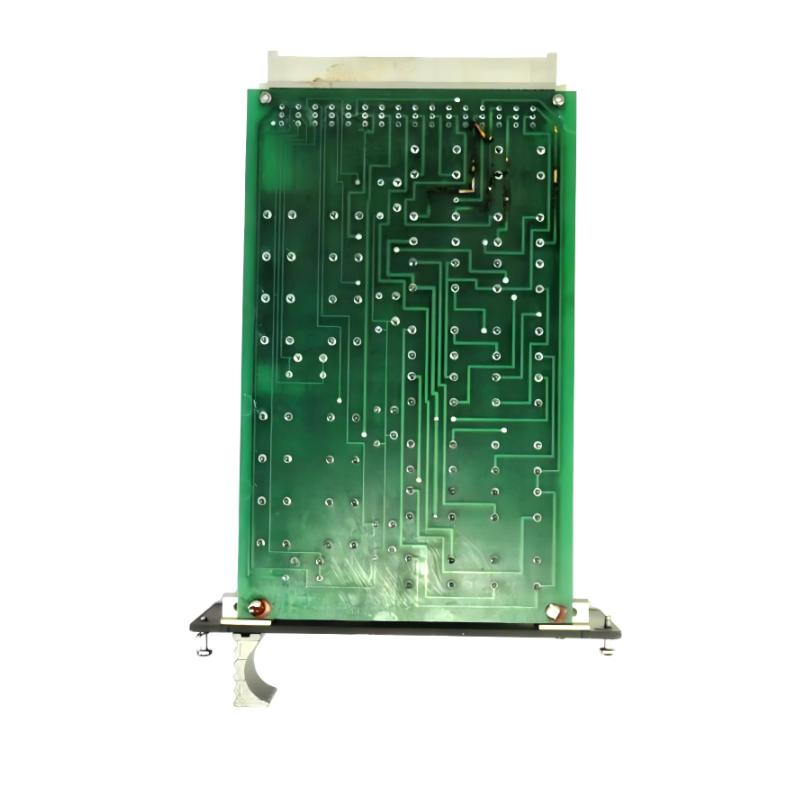
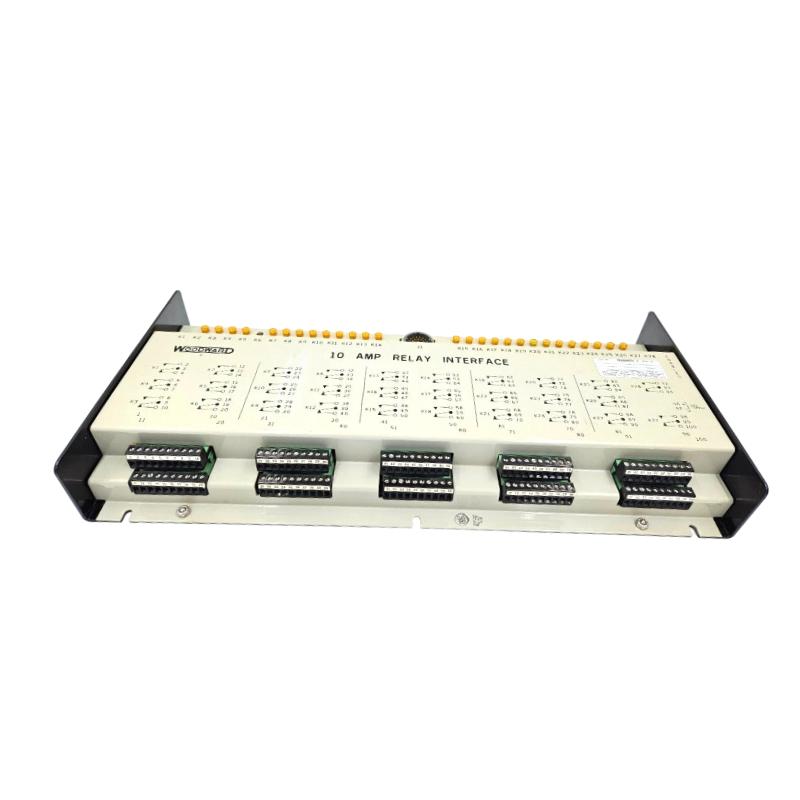
The ABB 89AR30/R0100 Relay Unit is designed to perform signal switching and protection control functions within industrial automation and electrical control systems. Relay units like this serve as critical interface components that allow low-power control circuits to safely manage higher-power electrical loads.
In practical industrial settings, the relay unit is frequently used in:
-
Power distribution and protection panels
-
Industrial machine control systems
-
Process automation environments such as chemical or pharmaceutical plants
-
Motor control centers (MCC) managing industrial drive equipment
-
Electrical safety and interlocking circuits in production facilities
By providing reliable switching and isolation between control signals and power circuits, the relay unit supports stable operation across a wide range of automation applications.
Engineering Advantages in Control Systems
Reliable Electrical Isolation
The relay unit separates control circuits from power circuits, reducing the risk of electrical interference or equipment damage.
Stable Switching Performance
Designed for industrial environments, the relay mechanism ensures dependable switching cycles under frequent operational demands.
Compatibility with Automation Panels
Its design allows easy integration into industrial control cabinets alongside controllers, protection relays, and monitoring modules.
Durable Industrial Construction
The relay unit is built to withstand continuous operation, making it suitable for long-term use in demanding industrial environments.
Simplified System Maintenance
Clear wiring connections and accessible installation design allow technicians to service or replace the unit efficiently when required.
Technical FAQs
1. What is the primary role of the 89AR30/R0100 relay unit?
It provides controlled electrical switching, allowing automation systems to activate or deactivate circuits based on control signals.
2. In what types of systems is this relay unit typically installed?
It is commonly used in industrial control panels, power distribution systems, and automation safety circuits.
3. How does a relay unit improve system safety?
It isolates sensitive control electronics from higher voltage power circuits, helping prevent damage and electrical faults.
4. Can this relay unit be used in motor control applications?
Yes, relay units are frequently integrated into motor control circuits for command and protection functions.
5. What kind of signals typically activate the relay?
Relays are typically triggered by control voltage signals from PLCs, protection systems, or automation controllers.
6. Does the relay unit support continuous operation?
Yes, it is designed for long-duration industrial service where frequent switching operations may occur.
7. How is the relay typically mounted in a control panel?
It is generally installed within control racks or mounted inside electrical panels as part of a modular control system.
8. What maintenance procedures are recommended for relay units?
Periodic inspection of wiring connections and monitoring of switching performance helps ensure reliable operation.
9. Can the relay unit operate in harsh industrial environments?
Yes, it is designed to function in environments where vibration, temperature variation, and electrical noise may occur.
10. What happens if a relay contact fails?
A malfunctioning contact may interrupt circuit operation, which is why relay diagnostics and periodic maintenance are important.
 A DCS Q Co., Ltd. - PLC and DCS Industrial Control Equipment Wholesale