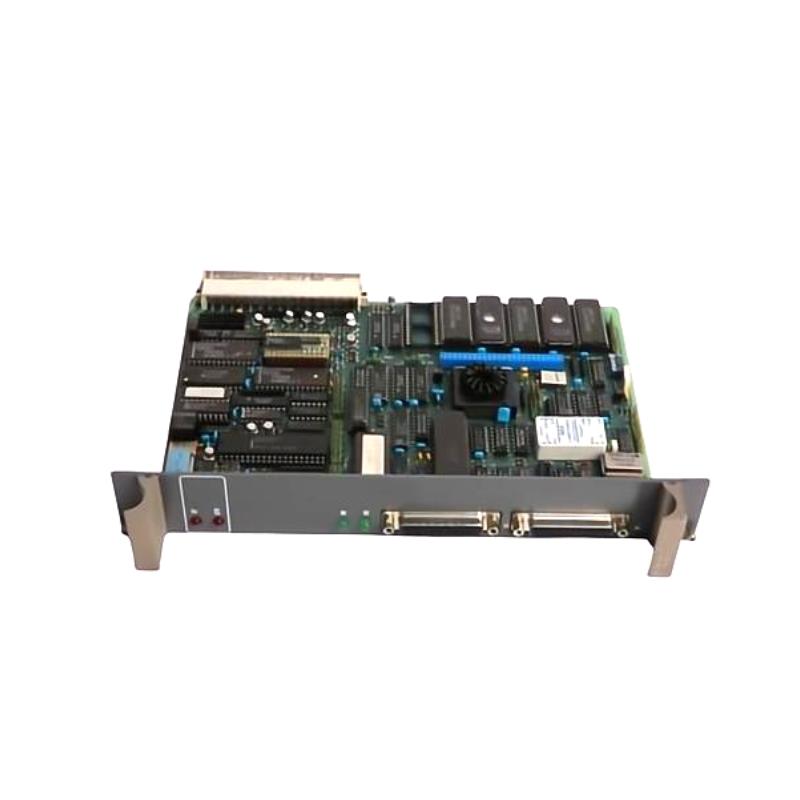
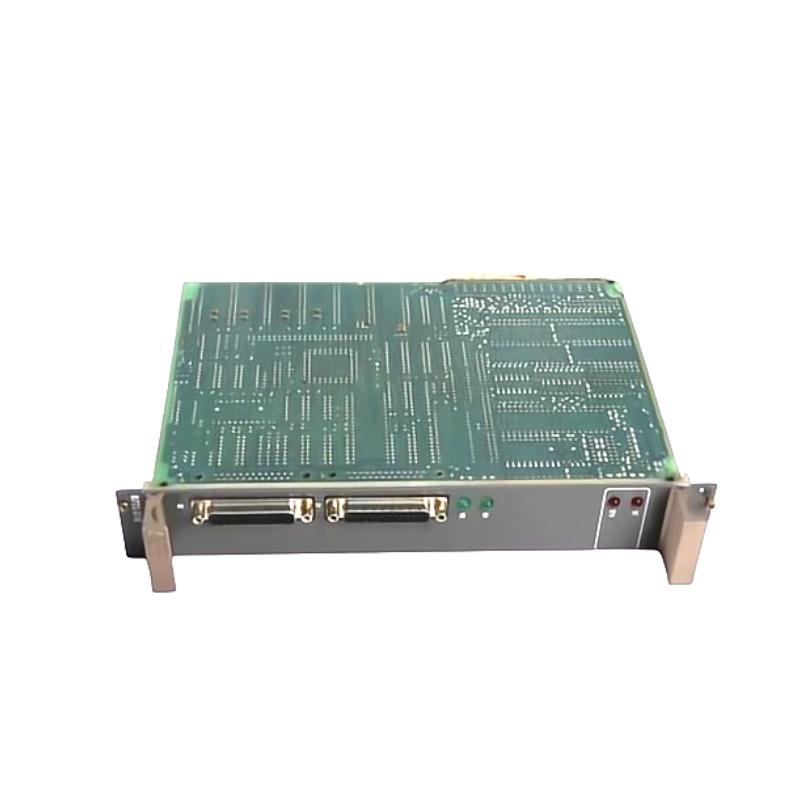
Product Overview
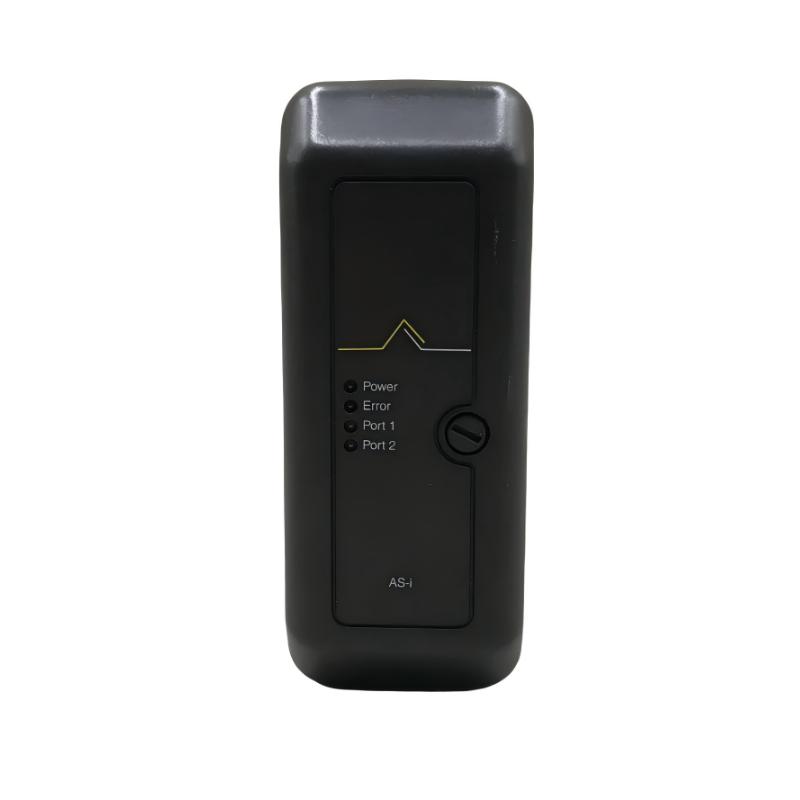
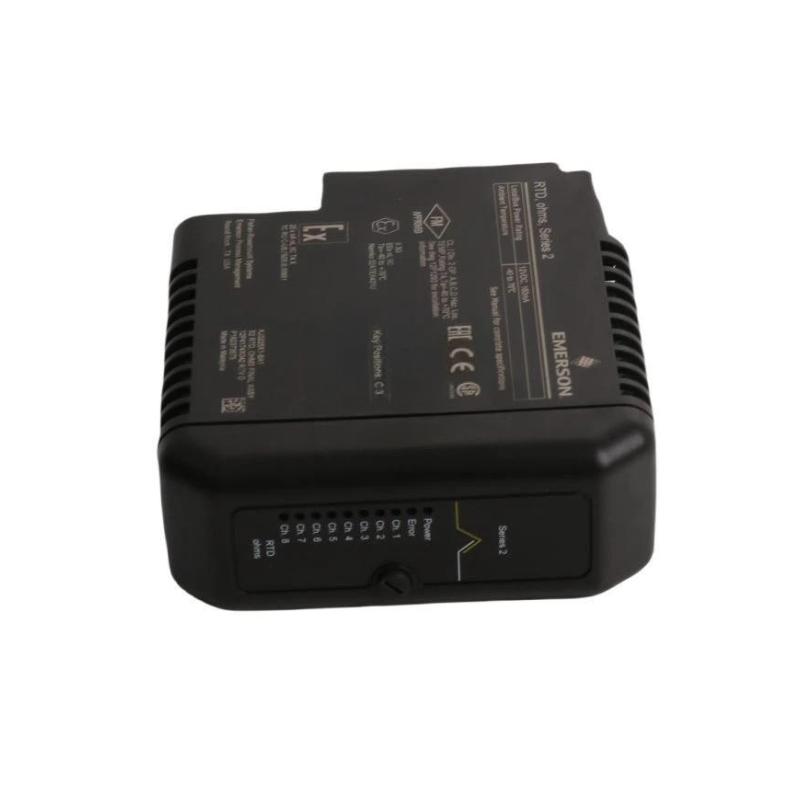
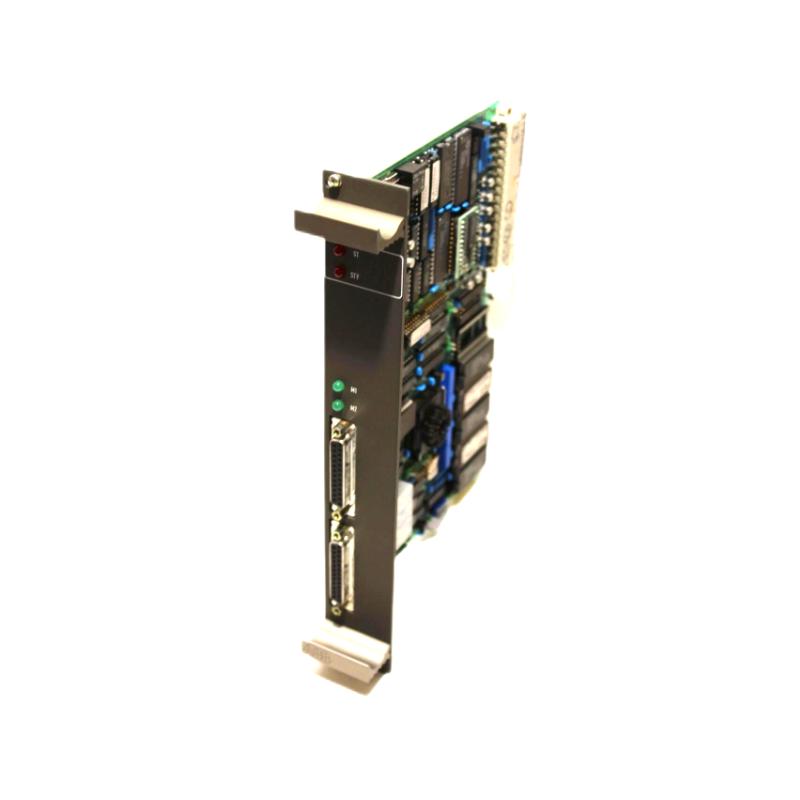
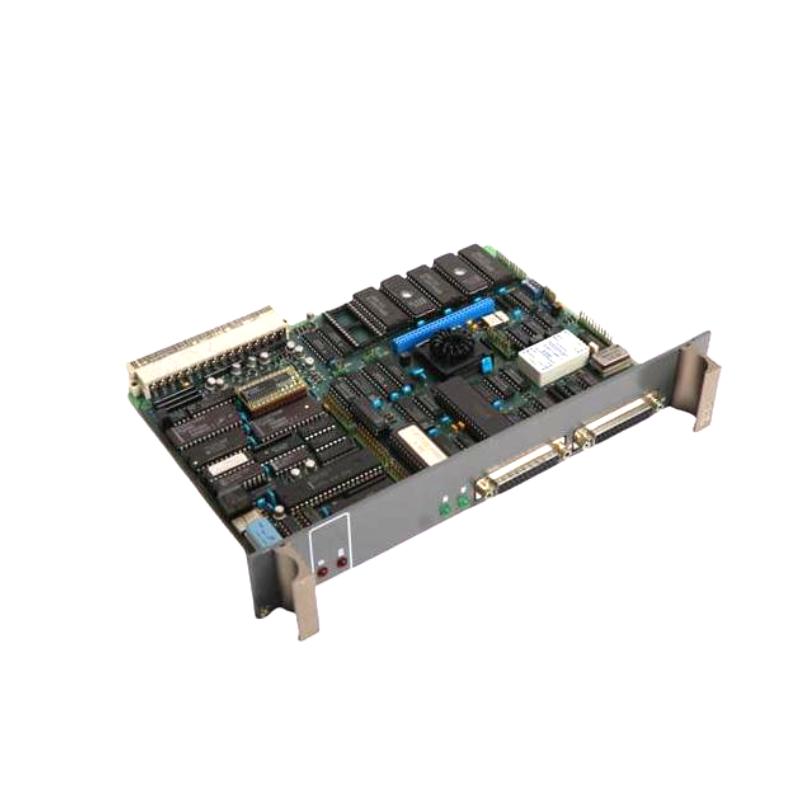
The ABB 87TS01I-E GJR2368900R2342 Coupler Module is a communication interface device designed to connect various modules within industrial automation systems. Modern control environments rely on multiple interconnected components that must exchange operational data in real time. Coupler modules enable these systems to function as a unified control network.
Installed within industrial control cabinets, this module acts as a communication intermediary that allows controllers and peripheral modules to interact effectively. Its design emphasizes reliability and compatibility with modular automation architectures commonly used in process industries and manufacturing.
Engineers rely on such coupler modules to maintain structured communication within distributed control systems. The device’s compact construction also allows efficient integration into dense panel layouts without compromising accessibility or system performance.
Technical Specifications
| Parameter | Specification |
|---|
| Product Type | Industrial Coupler Module |
| Manufacturer | ABB |
| Model Numbers | 87TS01I-E / GJR2368900R2342 |
| Function | Automation Communication Coupler |
| Installation | Control System Rack or Panel |
| Application | Distributed Automation and Control Systems |
| Operating Environment | Industrial Control Installations |
| Dimensions | 105 mm × 110 mm × 40 mm |
| Weight | 0.15 kg (0.33 lb) |
Operational Use in Industrial Control Architectures
The ABB 87TS01I-E GJR2368900R2342 Coupler Module is developed to support stable communication pathways within modular automation systems. In large-scale industrial control environments, different subsystems—such as controllers, I/O stations, and communication interfaces—must exchange data continuously. Coupler modules ensure these interactions occur efficiently and reliably.
This module is commonly deployed in:
-
Distributed control systems across chemical processing plants
-
Industrial manufacturing lines with modular automation racks
-
Power plant monitoring systems requiring synchronized subsystem communication
-
Water and wastewater treatment facilities using distributed I/O networks
-
Industrial equipment control panels integrating multiple automation modules
Its role is to provide a structured interface that enables consistent signal and data exchange between connected system components.
Functional Strengths for Automation Engineers
Reliable Data Coupling
The module acts as a communication bridge that ensures data is transferred smoothly between automation modules and control units.
Designed for ABB Modular Systems
Engineered to operate within ABB automation platforms, the module integrates easily with compatible racks and system components.
Improved System Coordination
By enabling efficient communication between subsystems, the coupler helps maintain synchronized operation across the control infrastructure.
Space-Efficient Hardware Layout
The compact physical design allows installation in control cabinets where space optimization is important.
Simplified System Monitoring
Operational indicators and system diagnostics allow maintenance engineers to quickly verify communication status and identify faults.
Technical FAQs
1. What is the main function of the 87TS01I-E coupler module?
It connects automation modules and facilitates reliable data exchange between different parts of an industrial control system.
2. Where is this coupler typically installed?
It is usually mounted within an automation rack or control cabinet alongside controllers and I/O modules.
3. Can the module support distributed automation architectures?
Yes, it is designed for systems where multiple remote I/O or subsystem nodes must communicate with a central controller.
4. How does the module contribute to automation system stability?
By maintaining consistent communication channels between devices, it helps prevent data loss or synchronization errors.
5. Does the module provide status indication?
Yes, most coupler modules include LED indicators to display communication activity and module condition.
6. Can the module be used in continuous industrial operation?
Yes, it is built for long-term operation in demanding industrial automation environments.
7. How is configuration normally carried out?
Configuration is typically handled through the engineering software used for the ABB automation platform.
8. What happens if a communication link fails?
The control system can detect the fault condition and initiate alarms or diagnostic messages.
9. Can the coupler be used in large multi-rack automation systems?
Yes, it supports communication within larger modular automation infrastructures.
10. What maintenance practices are recommended for this module?
Routine inspection of connections and monitoring through system diagnostics is usually sufficient to ensure reliable operation.
 A DCS Q Co., Ltd. - PLC and DCS Industrial Control Equipment Wholesale