Common Deployment Environments
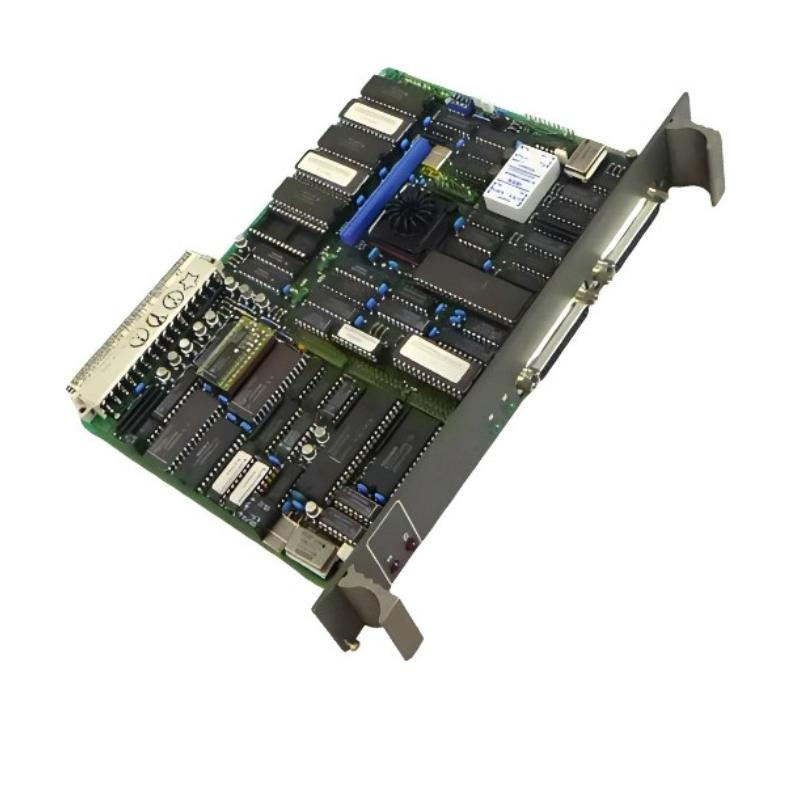
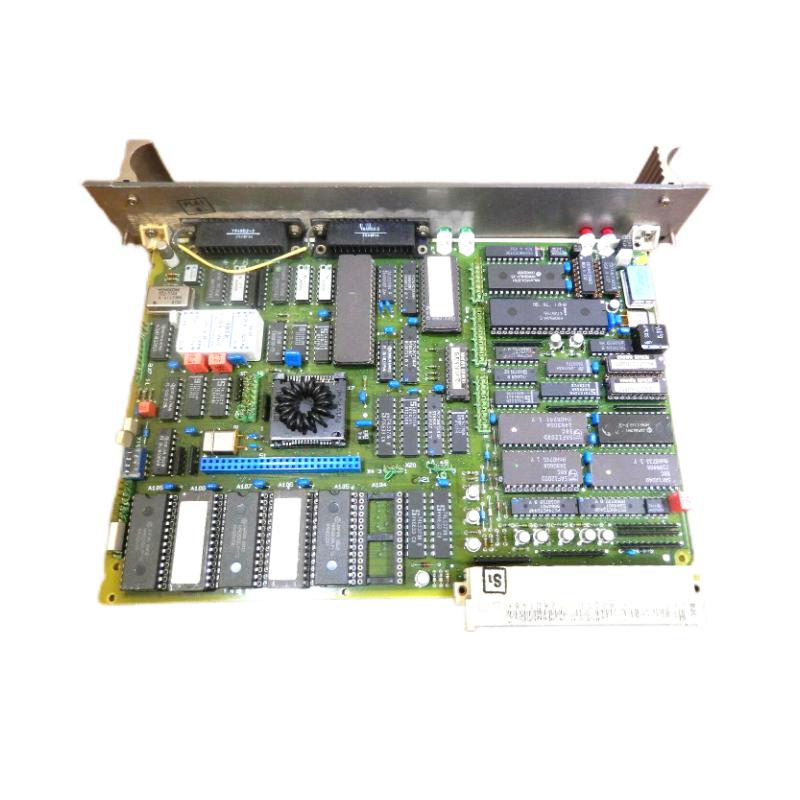
The ABB 87TS01I-E GJR2368900R2313 Coupler Module is designed to establish reliable communication links within modular industrial automation systems. In complex control architectures, coupler modules serve as essential communication bridges, enabling synchronized data exchange between controllers, remote I/O stations, and other automation devices.
Typical applications include:
-
Distributed control systems in large manufacturing facilities
-
Power generation plants requiring stable data communication between subsystems
-
Industrial process automation such as chemical and pharmaceutical production
-
Water treatment plants integrating multiple monitoring and control units
-
Automated production lines where various control modules must operate in coordination
By ensuring consistent signal transfer between connected devices, the module contributes to stable system performance and efficient industrial operations.
Engineering Advantages
Stable Communication Interface
The module provides a dependable interface for connecting automation subsystems, supporting uninterrupted communication between controllers and peripheral modules.
Seamless Integration with Automation Infrastructure
Designed for compatibility with ABB automation architectures, the module can be easily incorporated into existing control racks and distributed systems.
Efficient Data Synchronization
The coupler enables fast and accurate data exchange between system components, improving overall control responsiveness.
Compact Industrial Design
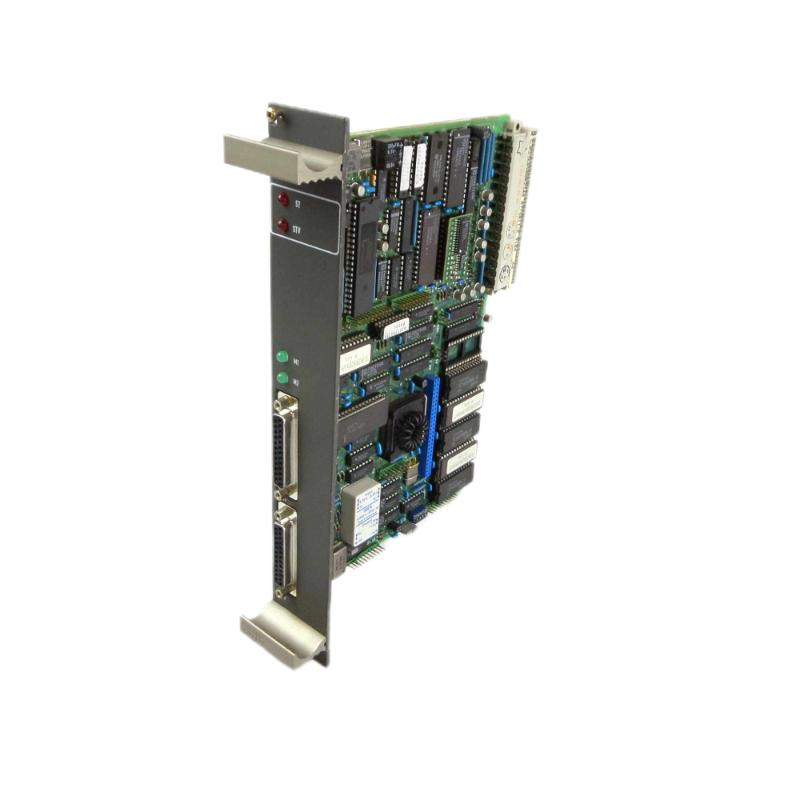
Its slim form factor allows it to fit within densely populated control cabinets without occupying excessive space.
Simplified Diagnostics and Maintenance
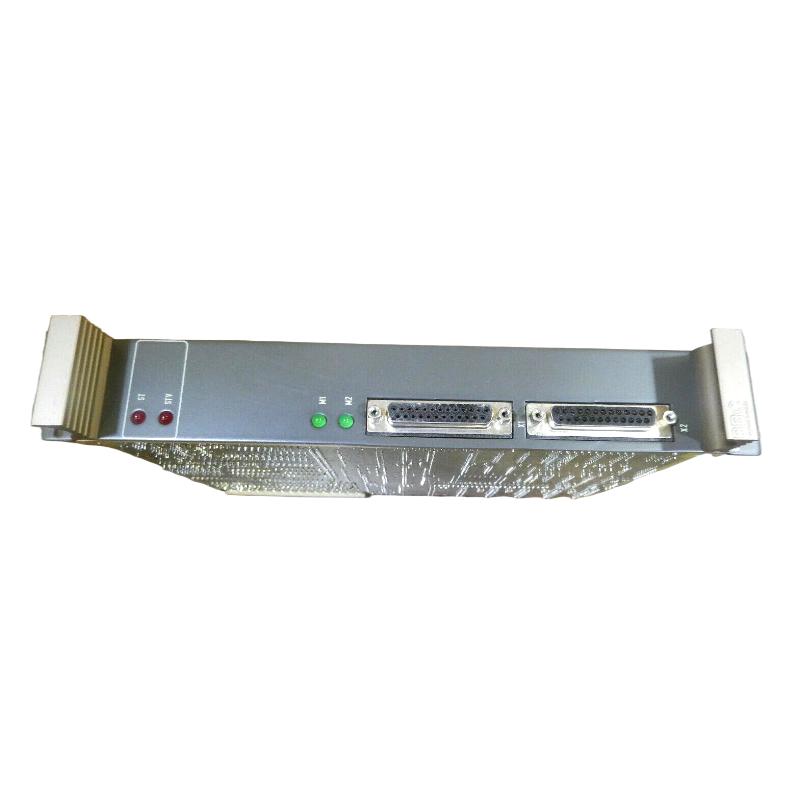
Status indicators and structured module integration help maintenance engineers identify operational conditions and potential communication issues quickly.
Technical FAQs
1. What is the primary purpose of the 87TS01I-E coupler module?
The module connects different automation components and facilitates communication between system segments.
2. Can the module be used in distributed I/O architectures?
Yes, it is commonly used to link distributed I/O racks with the central automation controller.
3. How does the coupler contribute to system reliability?
It maintains stable communication channels that prevent data transmission interruptions between modules.
4. Is the module compatible with modular automation racks?
Yes, it is designed to operate within ABB rack-based automation systems.
5. What type of diagnostics are available on the module?
The module typically provides status indicators that display communication activity and module health.
6. Can the module operate continuously in industrial environments?
Yes, it is designed for continuous operation in demanding automation applications.
7. How is configuration normally performed?
Configuration is typically carried out through engineering software associated with the automation platform.
8. What happens if communication between modules is interrupted?
The control system can detect the loss of communication and initiate alarms or fallback logic.
9. Can the coupler be used in large automation networks?
Yes, it supports integration into extensive industrial control infrastructures.
10. What role does the coupler play in data synchronization?
It helps ensure that operational data is transferred accurately and promptly between automation devices.
 A DCS Q Co., Ltd. - PLC and DCS Industrial Control Equipment Wholesale