Typical Industry Use Cases
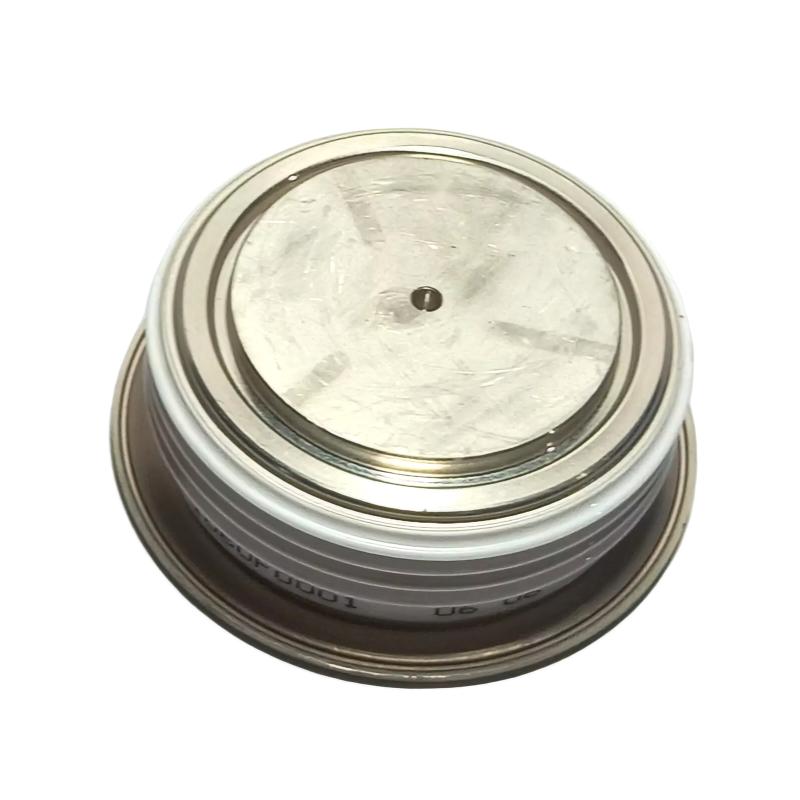
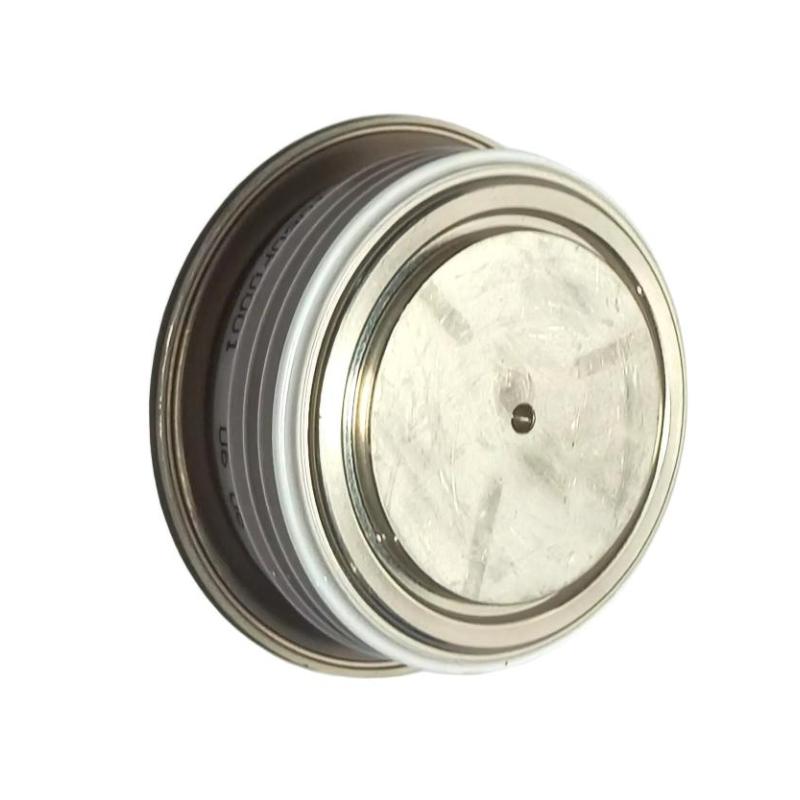
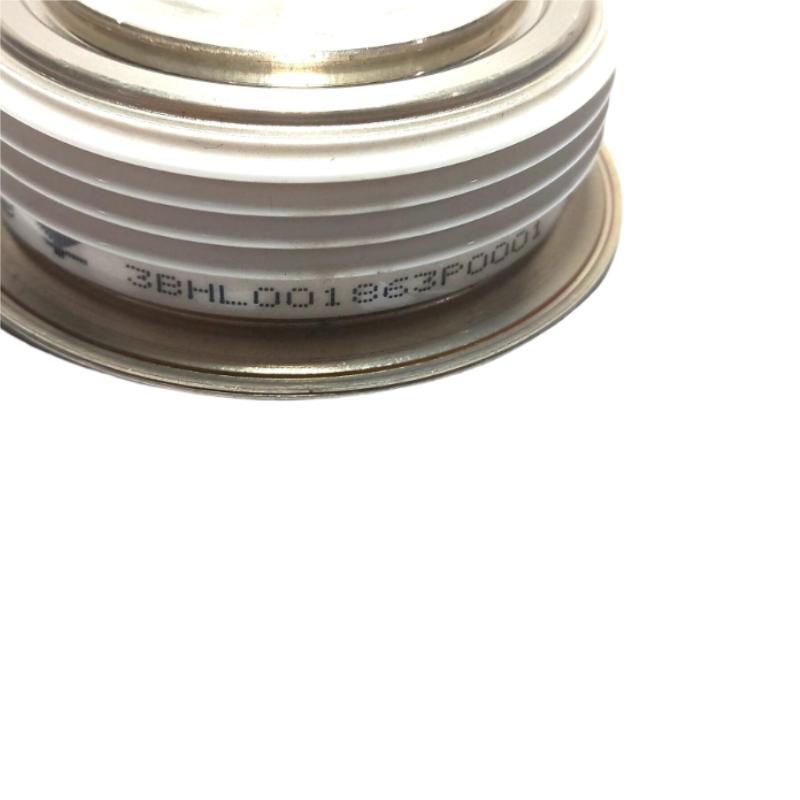
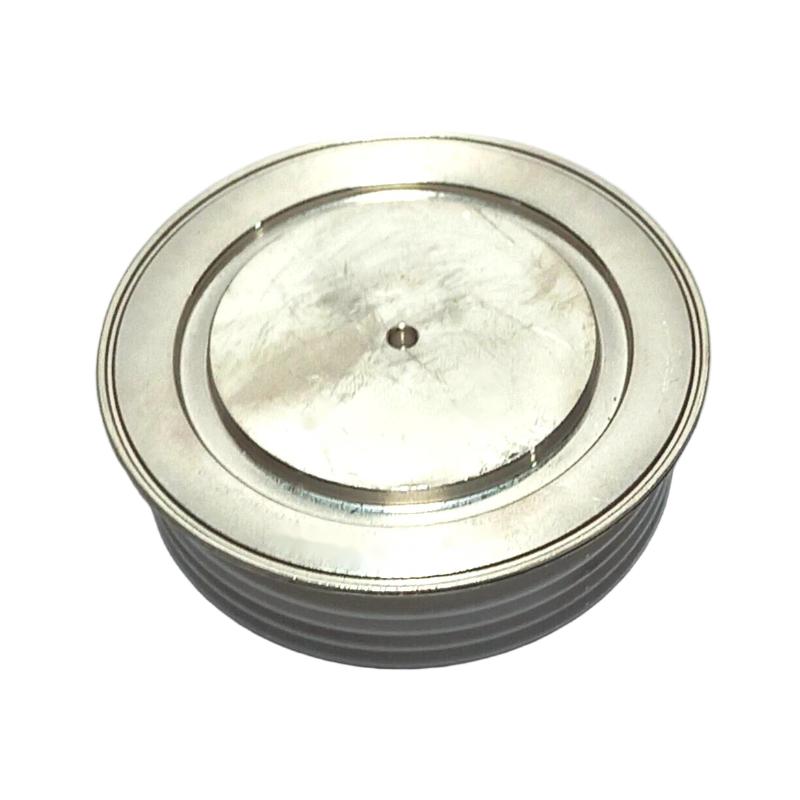
The ABB 5SDD1060F0001 3BHL001863P0001 Diode is an industrial power semiconductor component widely used in high-power rectification and power conversion systems. Designed for demanding electrical environments, this diode is commonly installed in power electronic assemblies that require reliable current control and voltage regulation.
It is frequently used in the following sectors:
-
High-voltage direct current (HVDC) transmission systems
-
Industrial motor drive and converter equipment
-
Traction power systems for rail transportation
-
Power supply units for heavy industrial machinery
-
Renewable energy conversion systems such as wind power converters
In these applications, the diode plays a key role in converting alternating current to direct current and ensuring controlled power flow within the electrical system.
Performance and Engineering Advantages
High Power Handling Capability
This diode is engineered to operate under high current and voltage conditions, making it suitable for industrial power electronics where reliability is critical.
Robust Thermal Stability
The component is designed to maintain stable electrical characteristics even when operating under elevated temperatures common in converter systems.
Compact Disc-Type Design
The circular housing structure enables efficient installation within high-power semiconductor stacks used in converters and rectifier bridges.
Reliable Electrical Isolation
Industrial-grade insulation materials provide stable performance while protecting the surrounding power system from electrical stress.
Long Service Life in Power Systems
The diode is designed to withstand repeated electrical switching cycles and heavy operational loads typical in large-scale industrial power equipment.
Technical FAQs
1. What is the primary function of the 5SDD1060F0001 diode?
It acts as a power rectification component that allows current to flow in one direction while blocking reverse current in high-power electrical circuits.
2. In what types of power electronic systems is this diode typically installed?
It is commonly used in rectifiers, converters, and inverter assemblies within industrial and utility power systems.
3. How does the diode contribute to AC to DC conversion?
It enables directional current flow, forming part of rectifier bridge circuits that convert alternating current into direct current.
4. What installation method is typically used for this type of diode?
Disc-type power diodes are usually mounted between heat sinks in clamped semiconductor stacks to ensure efficient thermal management.
5. Why is thermal management important for high-power diodes?
Power diodes generate heat during conduction, and proper cooling ensures stable electrical characteristics and prevents component degradation.
6. Can the diode operate in high-voltage power transmission equipment?
Yes, similar diodes are widely used in HVDC converter stations and high-voltage rectification equipment.
7. What type of protection systems are typically used with this diode?
Industrial converter systems often integrate surge protection, snubber circuits, and monitoring systems to protect semiconductor components.
8. How does the diode maintain reliability under heavy electrical loads?
It is designed with robust semiconductor materials and mechanical structure to withstand high current density and voltage stress.
9. Is the diode suitable for renewable energy conversion systems?
Yes, it can be integrated into power conversion systems used in wind or solar power installations.
10. What happens if reverse voltage exceeds the rated limit?
Exceeding the reverse voltage rating may cause breakdown of the semiconductor junction and potential component failure.
 A DCS Q Co., Ltd. - PLC and DCS Industrial Control Equipment Wholesale