Product Overview
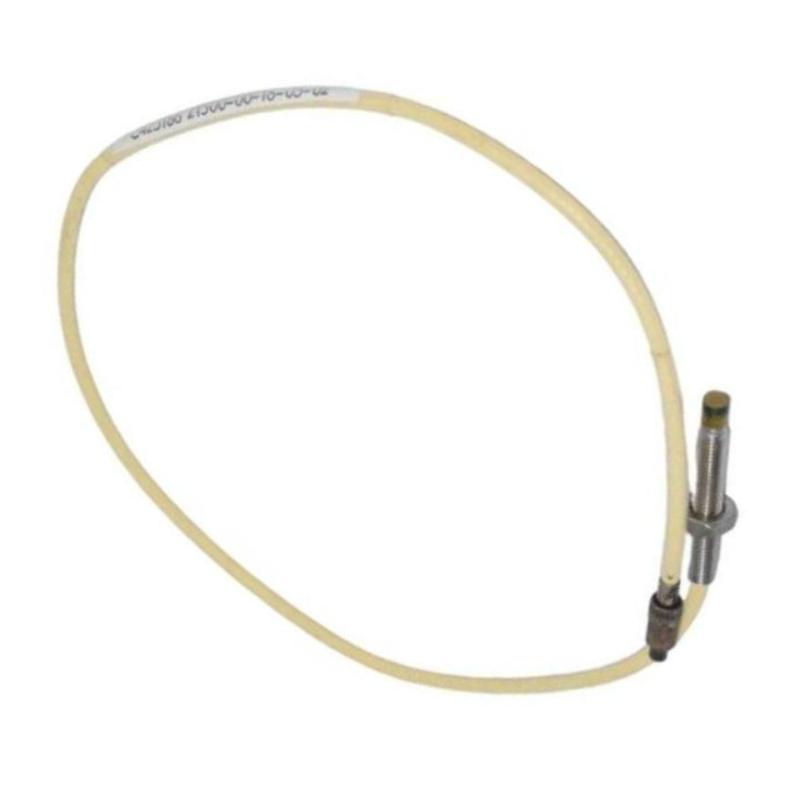
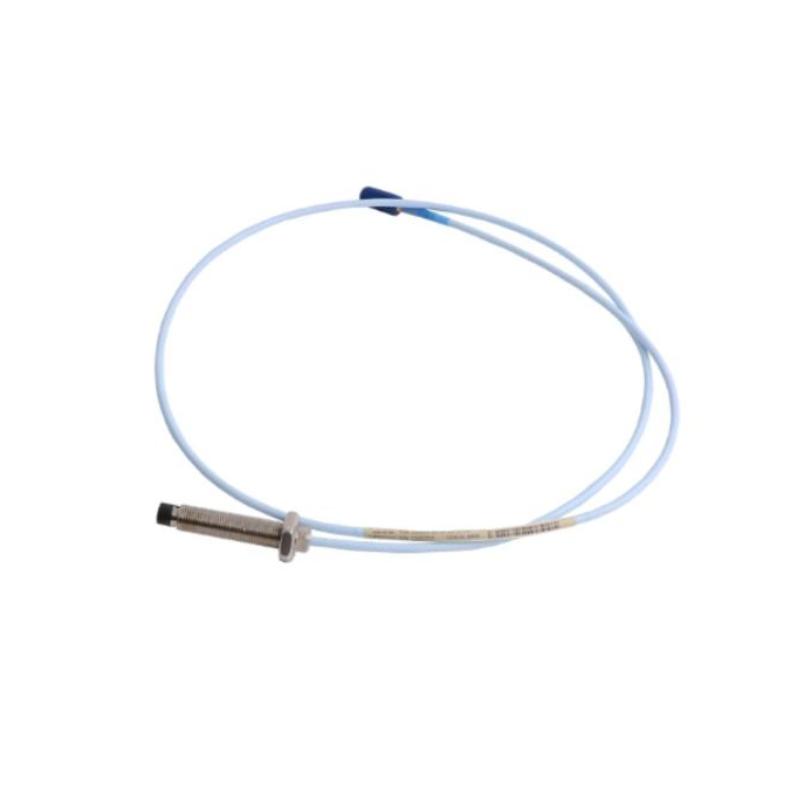
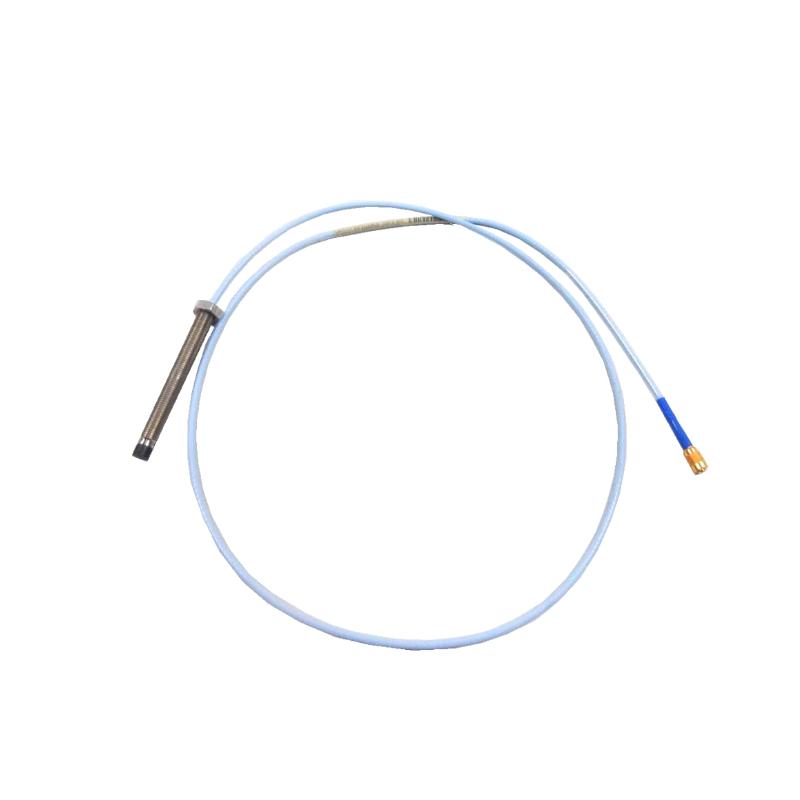
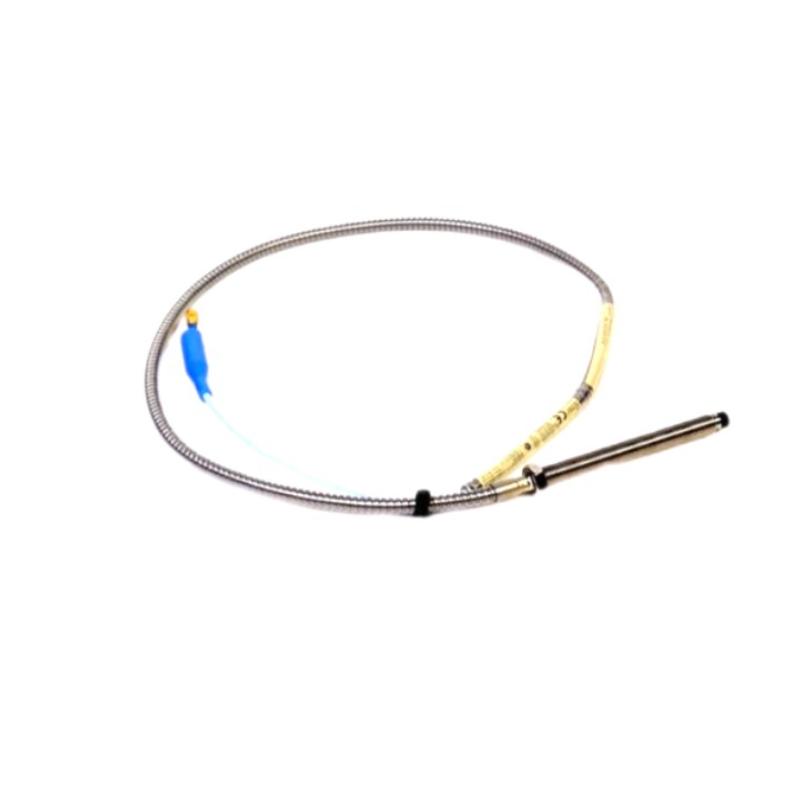
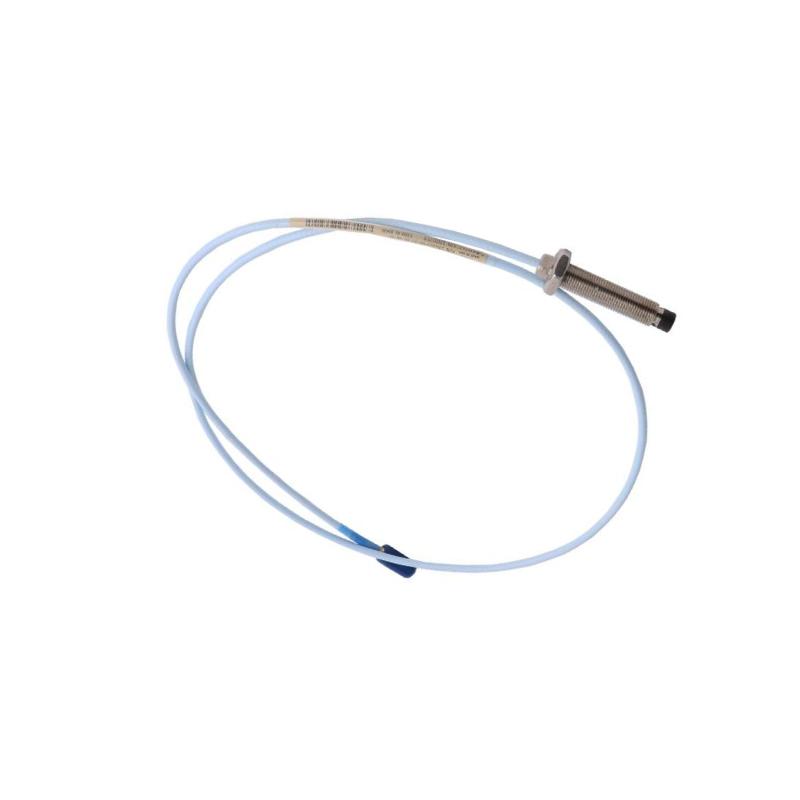
The Bently Nevada 330196‑05‑30‑10‑CN 3300 XL 8 mm ETR Reverse Mount Probe is a specialized non‑contact displacement sensor designed for advanced machinery vibration and position monitoring. As part of the 3300 XL Proximity Transducer System, this reverse‑mount probe delivers precise measurement of shaft motion in applications where standard probe orientations are impractical.
Featuring an 8 mm sensing tip and engineered for “ETR” (End‑To‑Rear) mounting configurations, this probe excels in installations with limited access or confined spaces within machinery housings. Its rugged construction and eddy‑current technology ensure reliable performance in high‑vibration environments encountered in power generation, petrochemical, and heavy industrial facilities.
Technical Specifications
| Specification | Details |
|---|
| Manufacturer | Bently Nevada |
| Model | 330196‑05‑30‑10‑CN |
| Product Type | ETR Reverse Mount Proximity Probe |
| Series | 3300 XL Proximity Transducer System |
| Probe Diameter | 8 mm |
| Sensing Technology | Eddy‑current non‑contact sensing |
| Mount Type | Reverse / ETR mount configuration |
| Connector Type | Miniature coaxial connector |
| Cable Type | FEP insulated coaxial cable |
| Linear Measurement Range | Approx. 2.0 mm |
| Frequency Response | 0 Hz – 10 kHz |
| Operating Temperature | −51 °C to +177 °C |
| Probe Tip Material | Polyphenylene Sulfide (PPS) |
| Probe Body Material | Stainless Steel |
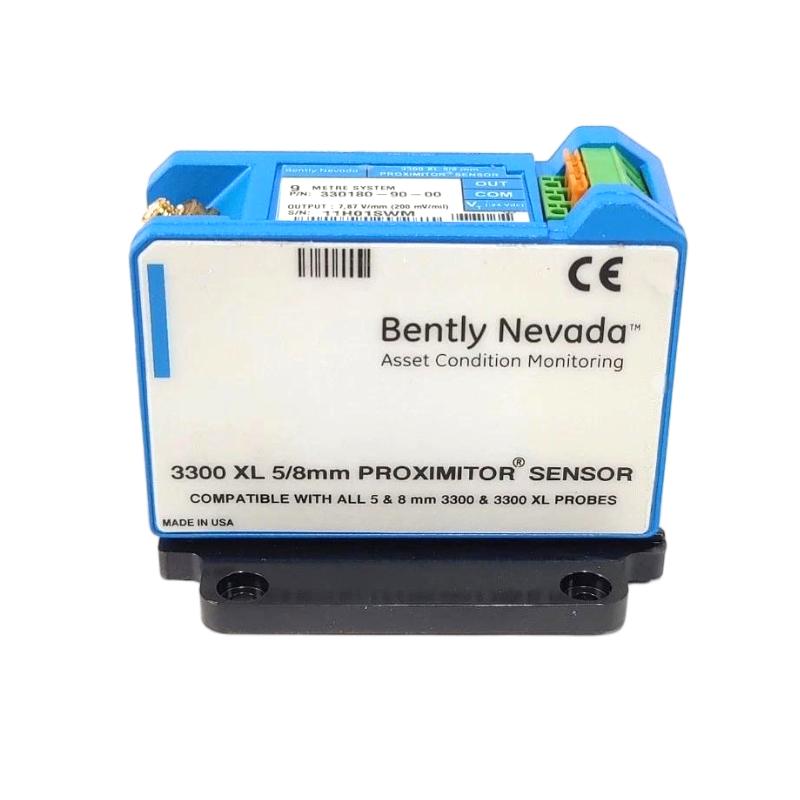
| System Compatibility | 3300 XL Proximitor sensors |
Industrial Applications
The 330196‑05‑30‑10‑CN reverse mount probe is ideal for machinery installations that require non‑standard probe orientation while maintaining precise displacement and vibration measurement.
Typical applications include:
-
Reverse‑mount installations on turbine casings
-
Generator and alternator shaft position monitoring
-
Compressor housings with limited access
-
Pumps and gearboxes with confined sensor locations
-
Industrial equipment where ETR mounting is required
-
Machinery protection and predictive maintenance systems
This configuration ensures accurate measurement even in constrained installation environments.
Key Advantages
ETR Reverse Mount Capability
The reverse mount design allows the probe to be installed where space restrictions or mechanical layout prevent standard probe placement.
High‑Accuracy Sensing
Eddy‑current measurement technology delivers precise, non‑contact monitoring of shaft motion and vibration.
Rugged Construction
Stainless steel housing and durable cable insulation provide stable performance under harsh conditions with vibration, heat, and contaminants.
Seamless Integration
Designed for direct compatibility with Bently Nevada 3300 XL Proximitor sensors and extension accessories.
Stable Signal Output
Low electrical noise and consistent linearity make this probe suitable for condition monitoring and protection applications.
Technical FAQs
1. What is an ETR reverse mount probe?
An ETR (End‑To‑Rear) reverse mount probe is configured so the sensing tip faces opposite to the cable exit, enabling installation in confined or non‑standard spaces.
2. What does this probe measure?
It measures vibration, displacement, and shaft position using non‑contact eddy‑current sensing.
3. What is the probe diameter?
The probe has an 8 mm sensing tip.
4. What is the linear measurement range?
The typical calibrated range is approximately 2 mm.
5. What environments is it suitable for?
It works reliably under industrial temperature, vibration, and moisture conditions.
6. What type of cable does it use?
FEP‑insulated coaxial cable for stable signal integrity.
7. What industries use this probe?
Power generation, petrochemical, oil & gas, and heavy manufacturing sectors.
8. Is this compatible with standard 3300 XL systems?
Yes, it interfaces with 3300 XL Proximitor sensors and monitoring systems.
9. Does the reverse mount design affect signal quality?
No, the measurement performance remains consistent with conventional probe orientations.
10. Can this probe be calibrated in the field?
Calibration is typically performed during initial system commissioning.
 A DCS Q Co., Ltd. - PLC and DCS Industrial Control Equipment Wholesale