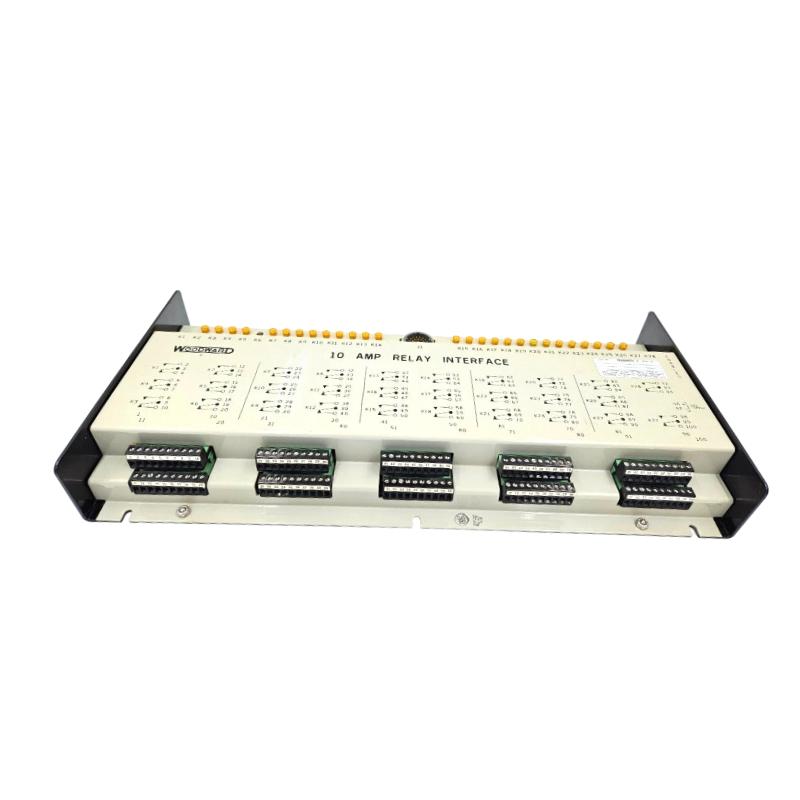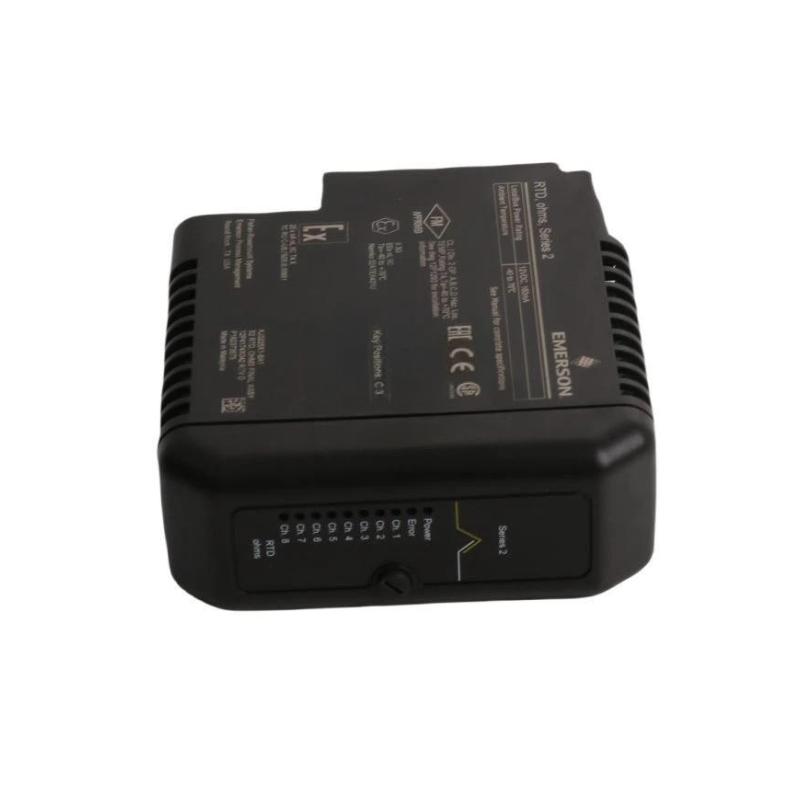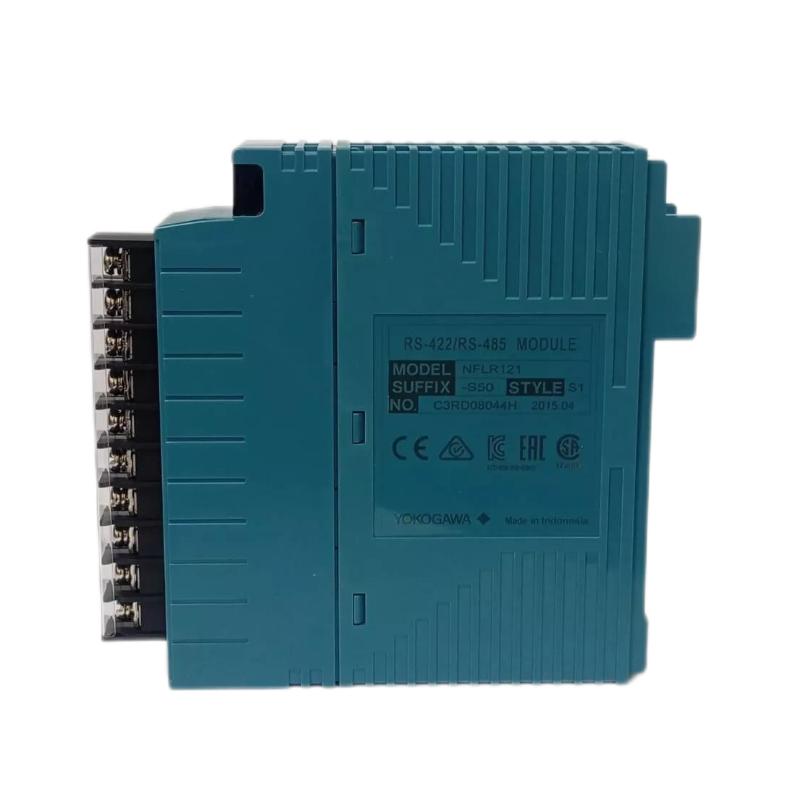
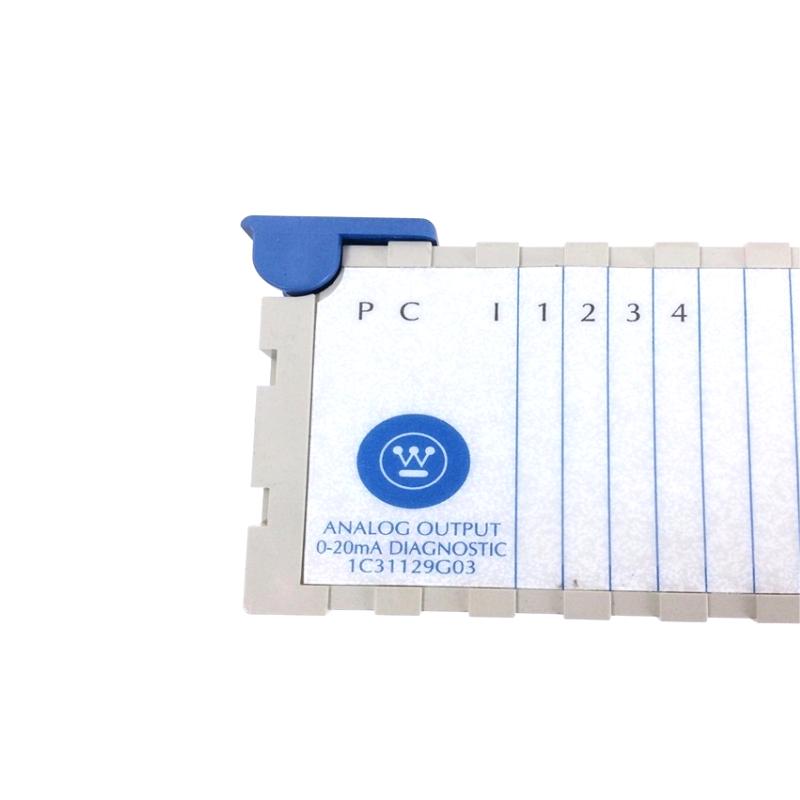
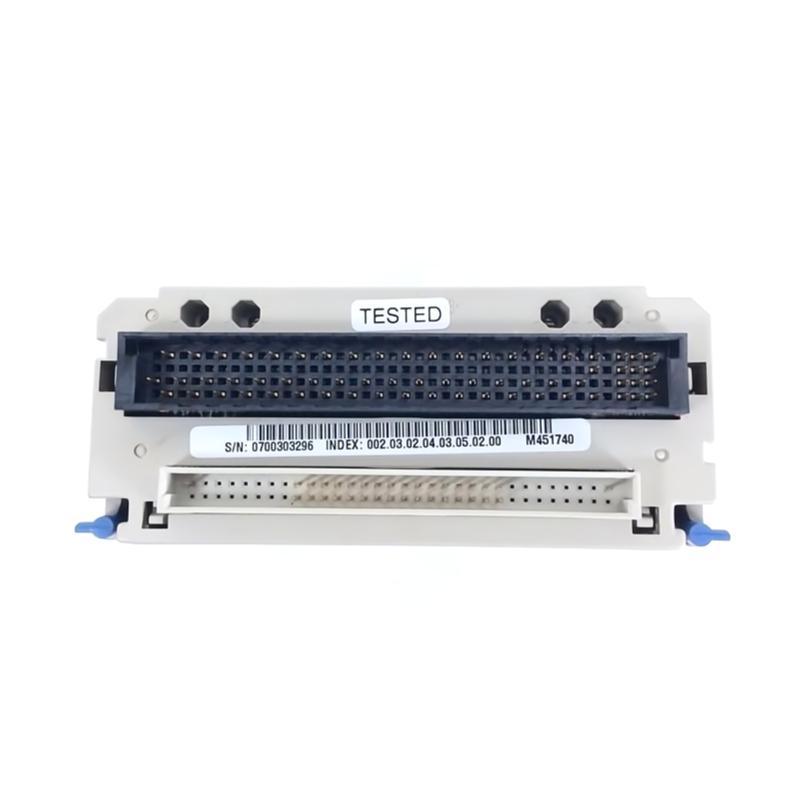
Product Introduction
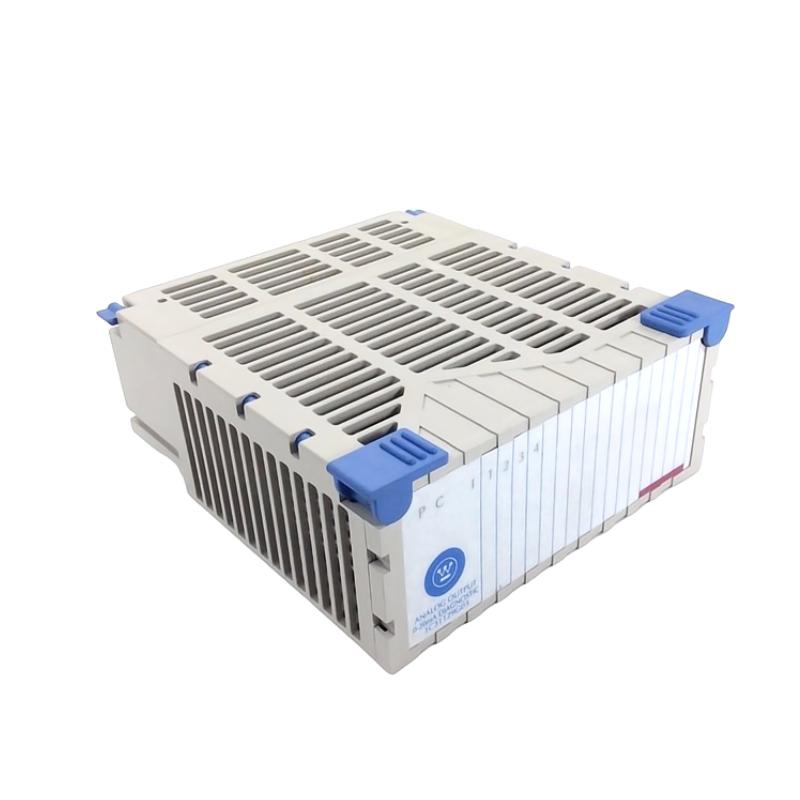
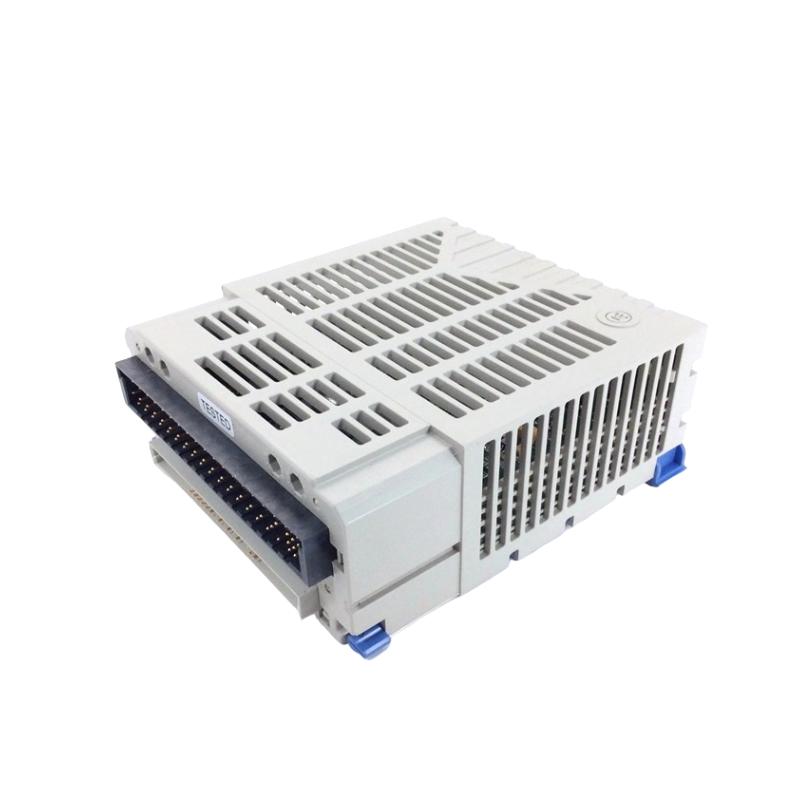
The Ovation 1C31129G02 Analog Output Module is an interface component used to transmit continuous control signals from the Ovation distributed control system to industrial field devices. It plays a critical role in automation systems that require variable control signals rather than discrete switching commands.
Industrial equipment such as control valves, variable speed drives, and process actuators often require precise analog signals to adjust operating parameters. The 1C31129G02 module enables the control system to send these signals, allowing gradual and accurate adjustments to process conditions.
Because of its compatibility with Ovation automation platforms and its ability to support stable analog signal output, the module is commonly deployed in large-scale industrial automation systems including power plants, oil and gas processing facilities, and chemical production plants.
Technical Specifications
| Parameter | Specification |
|---|
| Manufacturer | Ovation |
| Model | 1C31129G02 |
| Module Type | Analog Output Module |
| System Platform | Ovation Distributed Control System |
| Function | Continuous analog signal output for actuator control |
| Application | Industrial process automation and regulation |
| Installation | Control system rack / cabinet |
| Dimensions | 40 mm × 260 mm × 200 mm |
| Weight | 5.44 kg (11.99 lb) |
Process Actuation and Control Applications
The Ovation 1C31129G02 Analog Output Module is designed for use within Ovation distributed control systems (DCS), providing continuous analog signals that regulate industrial field devices. Analog output modules convert digital commands from the control processor into precise electrical signals capable of controlling actuators that require variable input rather than simple on/off commands.
In modern industrial automation environments, analog outputs are used to regulate process variables with high precision. The 1C31129G02 module allows control systems to continuously adjust equipment operation, helping maintain stable production conditions and efficient plant performance.
Typical application areas include:
-
Power generation facilities, where analog outputs regulate turbine control valves, fuel systems, and boiler feedwater flow.
-
Oil and gas processing plants, where flow control valves and pump speed systems require continuous signal control.
-
Chemical and petrochemical production, where accurate dosing and reaction control depend on precise analog outputs.
-
Water and wastewater treatment plants, where chemical injection and pump control require stable analog signals.
-
Industrial manufacturing systems, where automated equipment uses analog control signals to maintain process consistency.
Through precise signal output, the module enables responsive and stable control of industrial equipment.
Functional Advantages
Precise Continuous Signal Generation
The module provides stable analog output signals used to regulate industrial actuators and control devices.
Seamless Ovation DCS Integration
It is designed specifically for Ovation distributed control system architectures, ensuring compatibility and straightforward installation.
Fast Response to Control Commands
Analog outputs adjust quickly in response to changes in control system instructions.
Improved Process Regulation
Accurate signal output helps maintain consistent process variables and improves operational efficiency.
Expandable Control System Design
Multiple analog output modules can be installed to increase the number of available control channels.
Technical FAQs
1. What is the primary function of the 1C31129G02 module?
It converts digital control commands from the Ovation system into continuous analog output signals for field equipment.
2. What types of devices are typically controlled by this module?
Control valves, variable frequency drives, actuators, and other devices requiring analog control signals.
3. How does the module receive instructions from the control system?
Commands are transmitted through the system backplane from the Ovation controller.
4. Can the module support closed-loop control systems?
Yes. It provides the analog signals required for continuous adjustment in feedback-based control loops.
5. Is the module suitable for demanding industrial environments?
Yes. It is designed for reliable operation in industrial automation cabinets.
6. Can the module be used in power plant automation systems?
Yes. It is widely applied in power generation for regulating turbine and boiler systems.
7. How does the module improve process stability?
By delivering accurate control signals that maintain steady operation of valves and actuators.
8. Can multiple modules be installed in a single control rack?
Yes. Systems can expand their control capacity by adding additional analog output modules.
9. Does the module support real-time control adjustments?
Yes. The module updates output signals immediately in response to system commands.
10. What role does the module play in industrial automation systems?
It acts as the interface that translates control system commands into analog signals used to regulate physical equipment.
 A DCS Q Co., Ltd. - PLC and DCS Industrial Control Equipment Wholesale