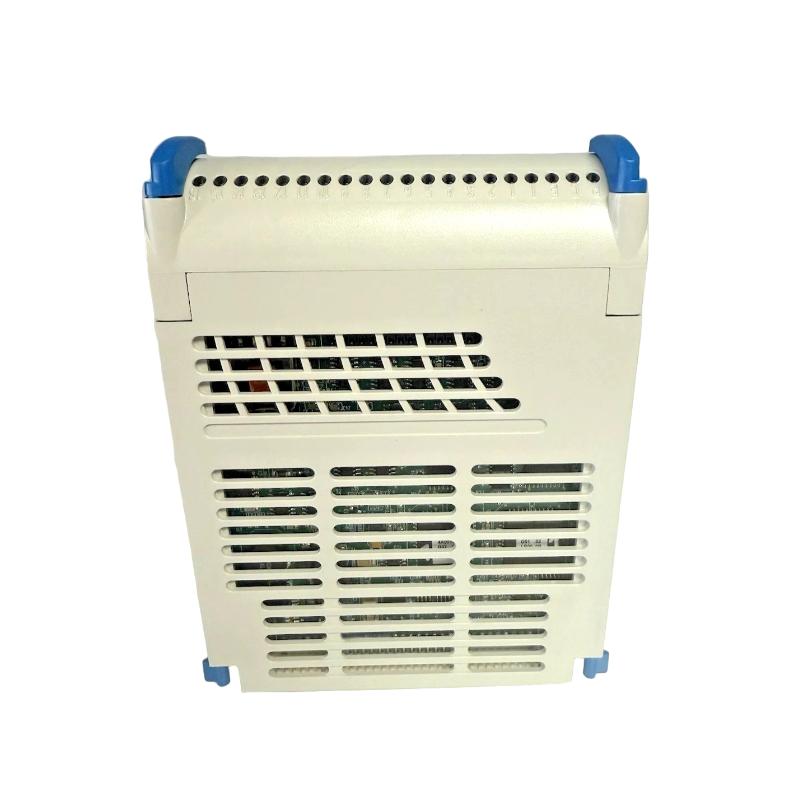
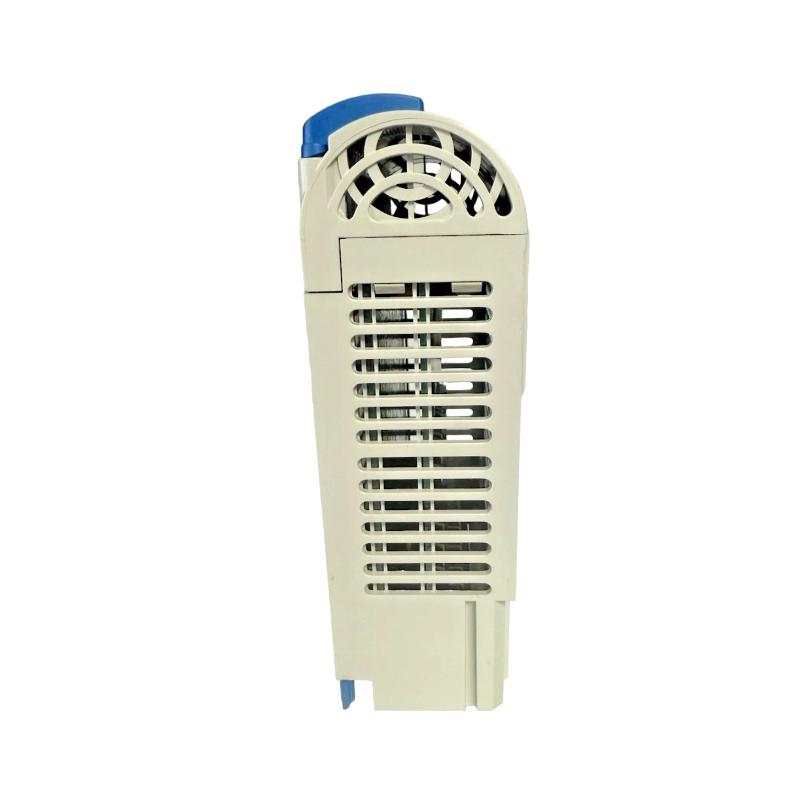
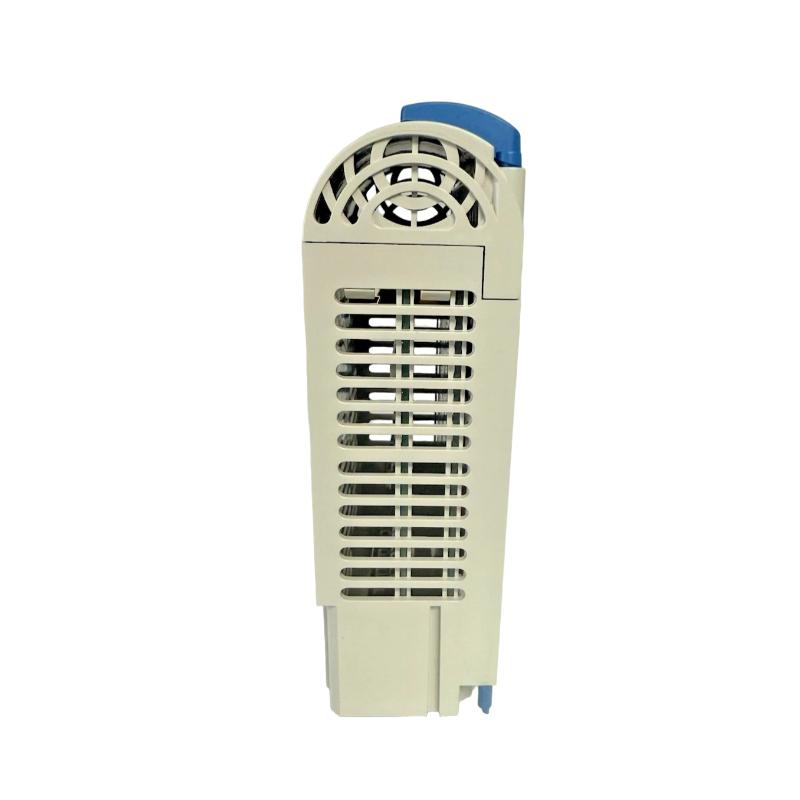
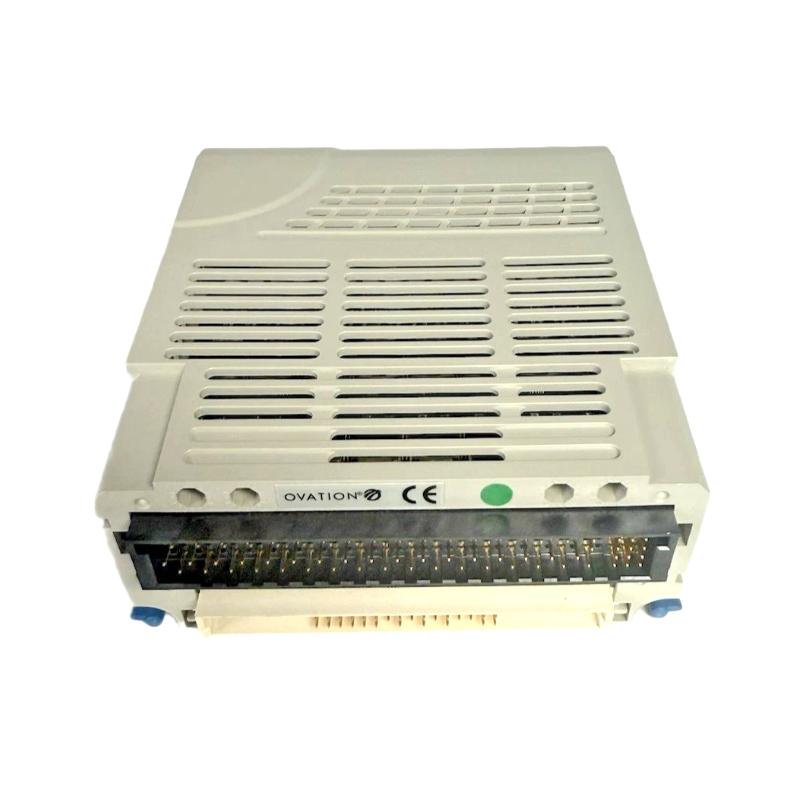
Product Overview
The Ovation 1C31123G01 Digital Output Module acts as a control interface between the Ovation distributed control system and industrial field equipment. It converts digital commands from the control processor into electrical switching signals that activate or deactivate external devices.
In many industrial automation systems, discrete outputs are used to control equipment with binary operating states, such as on/off or open/closed. The module allows the control system to manage equipment like pumps, valves, and alarms efficiently while maintaining coordinated process operations.
Because of its compatibility with Ovation control architectures and its dependable signal switching capability, the 1C31123G01 module is widely used in industries that require reliable equipment control and automated process management.
Technical Specifications
| Parameter | Specification |
|---|
| Manufacturer | Ovation |
| Model | 1C31123G01 |
| Module Type | Digital Output Module |
| System Platform | Ovation Distributed Control System |
| Function | Discrete signal output for field device control |
| Application | Industrial automation and process control |
| Installation | Control system rack / cabinet |
| Dimensions | 120 mm × 80 mm × 40 mm |
| Weight | 0.5 kg (1.10 lb) |
Typical Control System Implementations
The Ovation 1C31123G01 Digital Output Module is designed for use within Ovation distributed control systems, providing discrete control signals to operate field equipment and automation devices. Digital output modules are essential components in process control architectures because they convert control commands from the system processor into electrical switching signals that directly drive external equipment.
In industrial automation environments, these output signals are used to control actuators, activate alarms, and manage equipment sequences. The 1C31123G01 module ensures that commands issued by the control system are transmitted reliably to the connected devices.
This module is typically used in industrial sectors such as:
-
Power generation plants, where digital outputs control pumps, valves, and turbine auxiliary systems.
-
Oil and gas processing facilities, where discrete signals activate safety interlocks and process equipment.
-
Chemical and petrochemical plants, where digital control signals operate agitators, feeders, and process valves.
-
Water and wastewater treatment plants, where pumps and gate valves are controlled through discrete outputs.
-
Industrial manufacturing systems, where automated production lines rely on digital control signals for machine sequencing.
Through accurate signal switching, the module enables effective equipment control within the automation system.
Functional Advantages
Reliable Discrete Output Control
The module delivers stable digital signals that allow the control system to activate and deactivate field devices precisely.
Optimized for Ovation DCS Integration
It is specifically designed for compatibility with Ovation control system architectures.
Fast and Deterministic Switching
Digital outputs respond quickly to system commands, ensuring timely operation of connected devices.
Enhanced Process Automation
The module supports automated process sequences by controlling multiple discrete devices.
Scalable Automation Infrastructure
Additional digital output modules can be installed to increase the number of available control channels.
Technical FAQs
1. What is the main function of the 1C31123G01 module?
It provides digital output signals that allow the Ovation control system to operate external devices.
2. What types of equipment can be controlled by this module?
Pumps, valves, alarms, contactors, relays, and other discrete devices.
3. How does the module receive its control instructions?
Commands are transmitted from the Ovation system processor through the control system backplane.
4. Can the module be used in automated process control environments?
Yes. It supports discrete equipment control within distributed automation systems.
5. Is the module suitable for continuous industrial operation?
Yes. It is designed for reliable operation in industrial control cabinets.
6. Can multiple digital output modules be installed in one control system?
Yes. Additional modules can expand the system’s control capacity.
7. How does the module contribute to automation efficiency?
By enabling automated control of equipment and reducing the need for manual operation.
8. Can the module trigger alarms or protective devices?
Yes. Digital outputs can activate alarm systems and safety-related equipment.
9. Does the module support real-time control actions?
Yes. It responds rapidly to commands from the control system.
10. What role does the module play in equipment sequencing?
It enables the control system to perform step-by-step control operations during automated processes.
 A DCS Q Co., Ltd. - PLC and DCS Industrial Control Equipment Wholesale