Applications
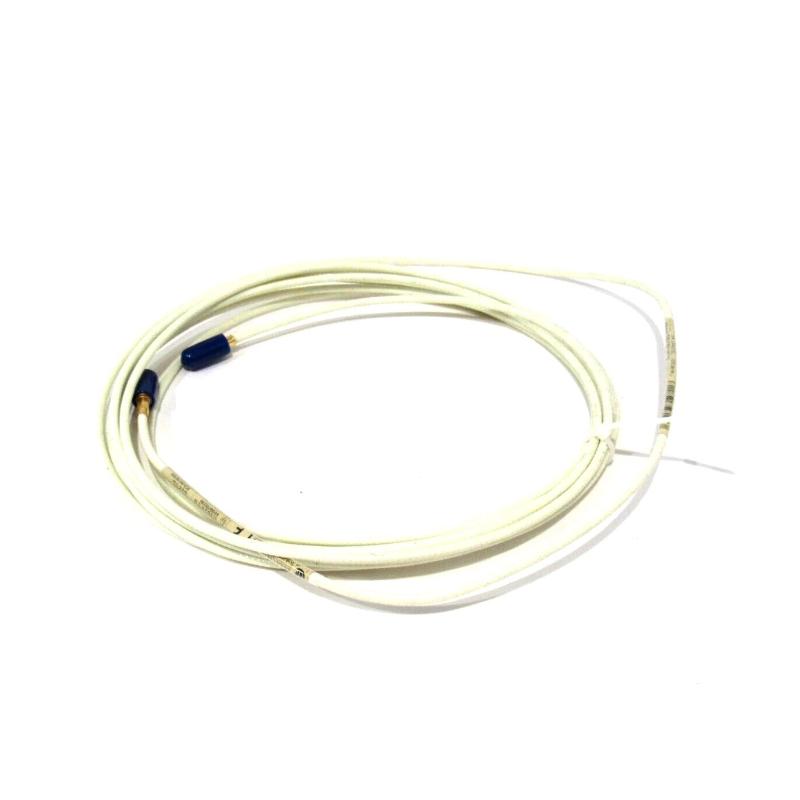
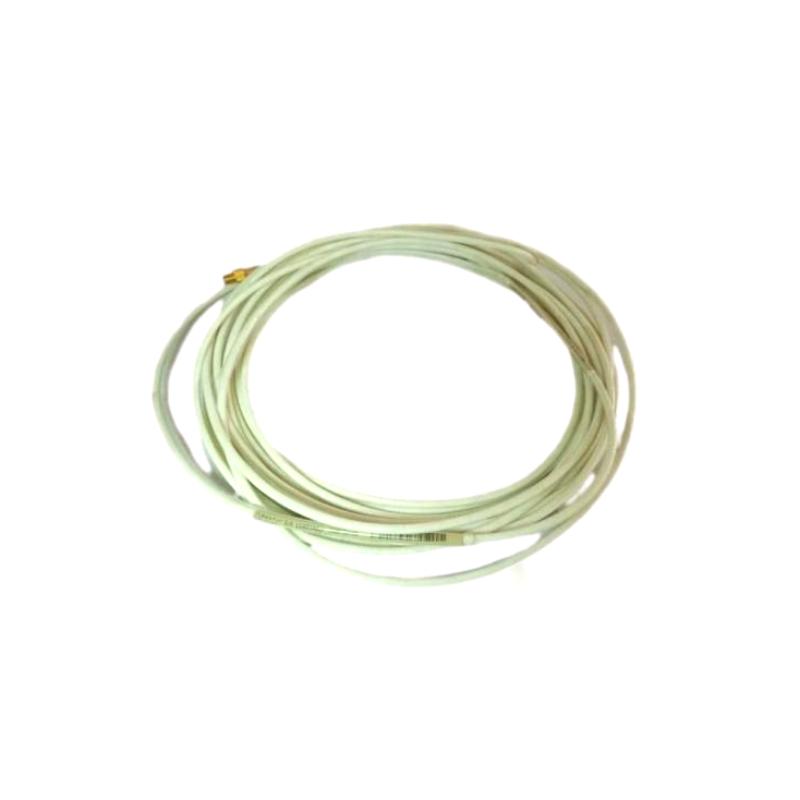
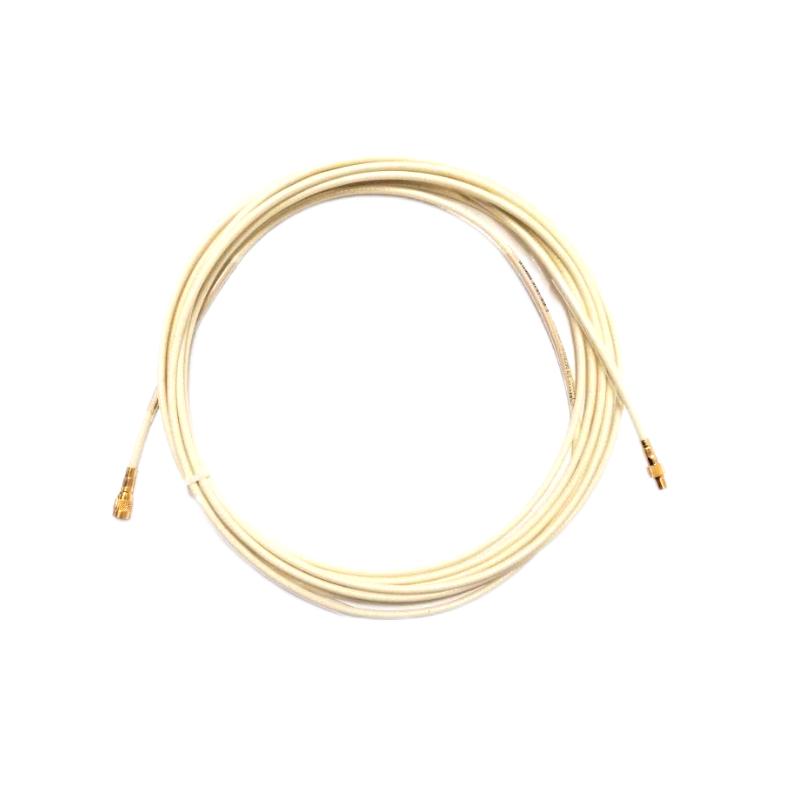
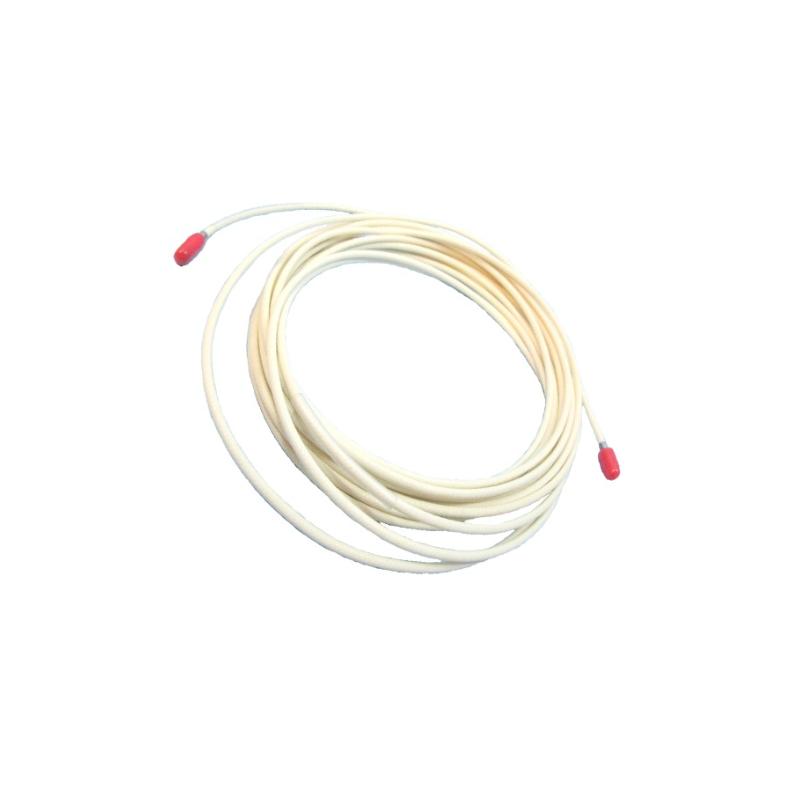
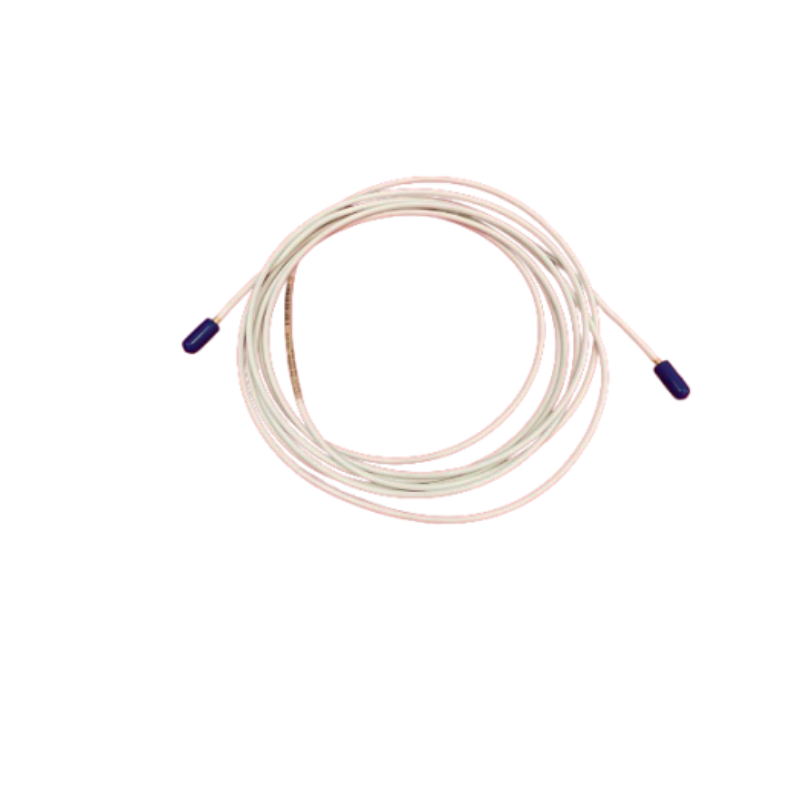
The 21747‑045‑00 Proximitor Probe Extension is used where precise vibration, position, or shaft displacement measurements are critical. It is especially useful when the sensor must be positioned away from the monitoring unit due to plant layout, shielding, or maintenance access constraints.
Common application environments include:
-
Gas and steam turbine vibration monitoring
-
Generator protection systems
-
Compressor and pump vibration diagnostics
-
Industrial process plant rotating equipment
-
Power generation control systems
By maintaining signal integrity over extended distances, this extension supports continuous monitoring and early fault detection for critical machinery.
Advantages
Signal Integrity Preservation
The extension is engineered to maintain high‑fidelity sensor signals, minimizing noise and attenuation even over extended lengths.
Installation Flexibility
Provides additional reach between the Proximitor sensor and monitoring module without degrading performance, accommodating complex equipment layouts.
Industrial‑Grade Build
Durable cable and connectors withstand vibration, temperature variations, and mechanical stress common to industrial environments.
Compatible with Bently Nevada Systems
Specifically designed to match the electrical and mechanical interface of Proximitor probes, ensuring reliable integration and reduced troubleshooting.
Ease of Maintenance
Simplified connector interfaces support fast installation and field replacement when needed, reducing downtime and service costs.
Technical FAQs
1. What is the purpose of the 21747‑045‑00 Proximitor Probe Extension?
It extends the connection between a Proximitor vibration probe and the monitoring module while preserving signal quality.
2. What length does this extension provide?
Approximately 4.5 meters of high‑integrity cable.
3. Is this cable compatible with all Proximitor sensors?
It is designed to interface with Bently Nevada Proximitor sensor systems requiring matched connectors.
4. Does the extension affect vibration signal accuracy?
No. It maintains signal integrity through shielded design and matched connectors.
5. Can it be used in high‑temperature environments?
Yes, it is built for typical industrial temperature ranges encountered around rotating equipment.
6. What industries commonly use this extension?
Power generation, oil & gas, petrochemical, and heavy industrial sectors.
7. Is the cable assembly rugged enough for plant conditions?
Yes, it features industrial‑grade construction suitable for vibration and mechanical stress.
8. Can this extension be replaced in the field?
Yes, the connector design supports straightforward field replacement.
9. Does the extension require calibration after installation?
In most cases, no calibration is required beyond standard sensor system commissioning.
10. What benefit does this extension offer in complex machinery layouts?
It allows for flexible routing and placement of sensors while maintaining high‑quality signal transmission.
 A DCS Q Co., Ltd. - PLC and DCS Industrial Control Equipment Wholesale