Typical Field Deployment
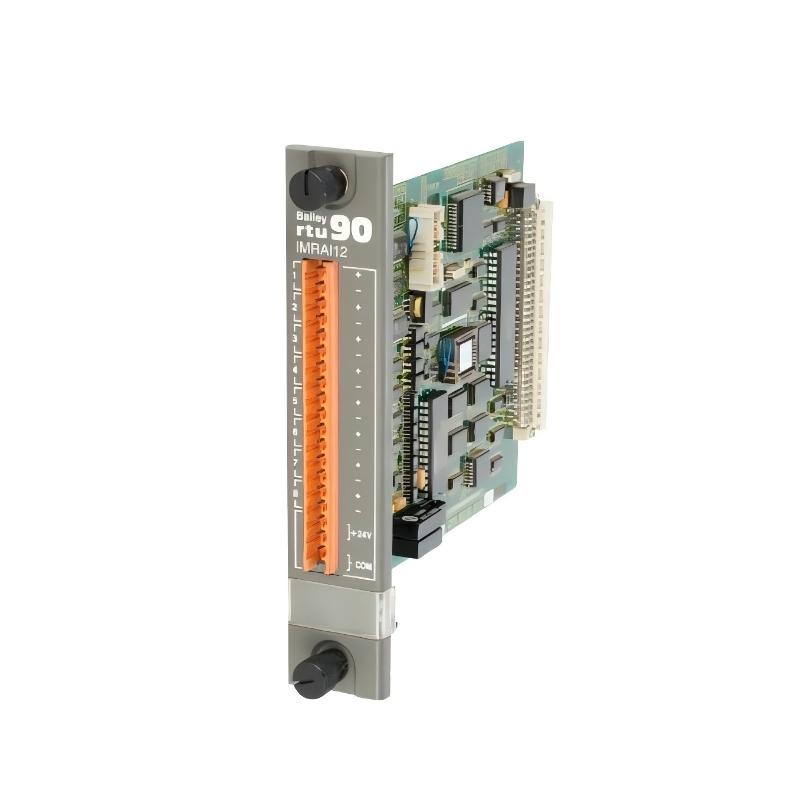
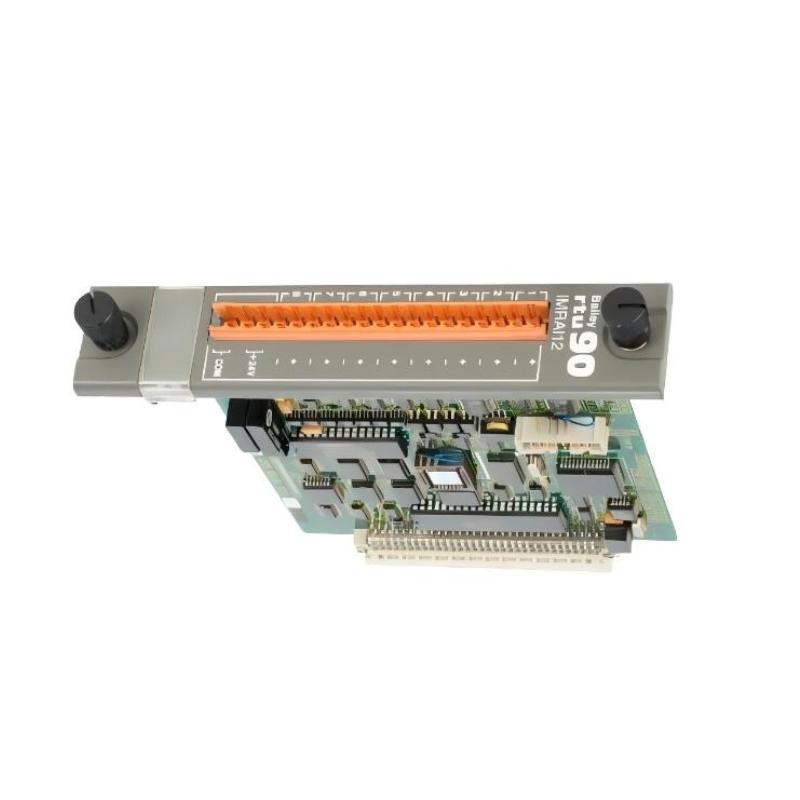
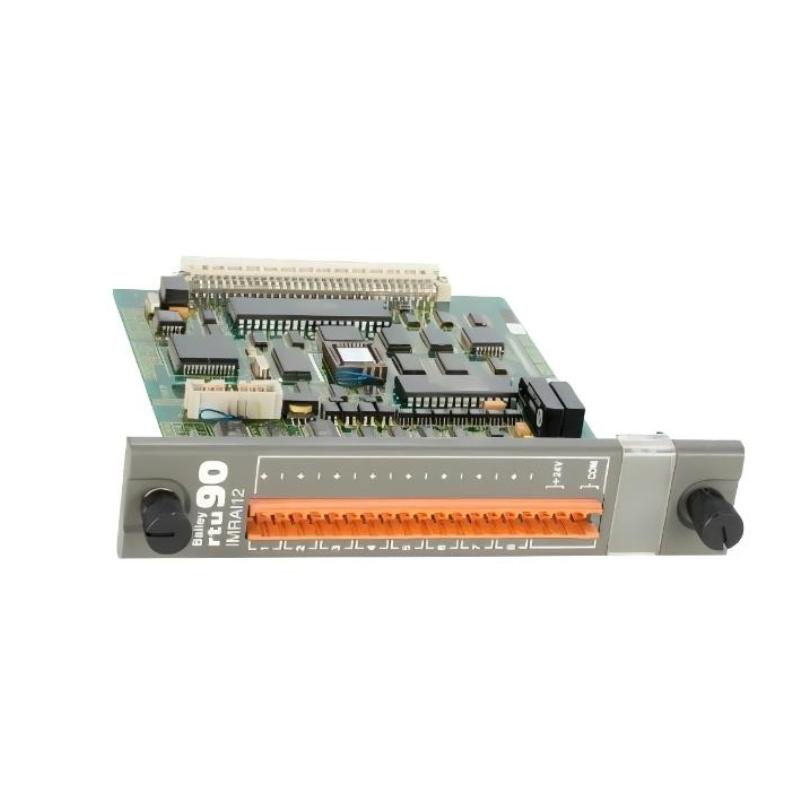
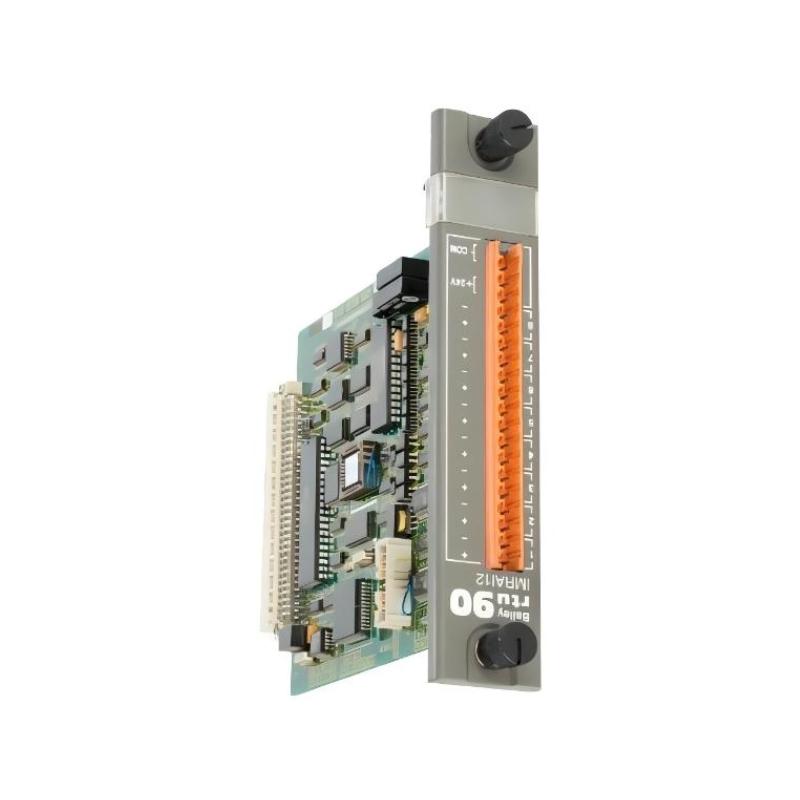
The ABB Bailey IMRAI12 Modular RTU Non-Isolated Input Module is designed for integration within modular remote terminal unit (RTU) systems used in distributed industrial monitoring and control environments. In automation architectures where process data must be collected from geographically distributed assets, RTU input modules serve as the interface between field instrumentation and supervisory control systems.
This module is commonly installed in applications such as:
-
Pipeline monitoring systems, where distributed sensors measure pressure, temperature, and flow across long transmission networks.
-
Electrical utility substations, where field measurements from transformers and switchgear must be transmitted to central SCADA systems.
-
Water and wastewater infrastructure, where pumping stations and reservoirs require continuous data acquisition.
-
Oil and gas production sites, where wellhead instrumentation sends process signals to centralized monitoring systems.
-
Industrial plant utilities, where distributed measurement points support facility-wide process visibility.
Within a modular RTU architecture, the IMRAI12 receives analog signals from field transmitters and forwards the measured values to higher-level control or SCADA platforms.
Functional Strengths
Direct Analog Signal Acquisition
The module captures analog input signals from field devices and converts them into digital data suitable for remote monitoring and control systems.
Optimized for Modular RTU Systems
Designed for use in modular RTU configurations, the module allows flexible expansion of measurement points in distributed control environments.
Efficient Data Transmission
The module delivers stable measurement data to the RTU processor, enabling real-time monitoring and remote diagnostics.
Compact Industrial Design
Its compact housing allows installation in space-constrained control cabinets or field enclosures commonly used in remote installations.
Reliable Operation in Continuous Monitoring Systems
The module supports long-term operation in infrastructure systems that require uninterrupted data acquisition.
Technical FAQs
1. What is the primary function of the IMRAI12 module?
It collects analog input signals from field instruments and sends the processed data to the RTU controller.
2. Why is the module described as non-isolated?
Non-isolated inputs share a common electrical reference with the system, simplifying circuit design in certain RTU configurations.
3. What types of sensors typically connect to this module?
Analog transmitters measuring parameters such as pressure, flow, temperature, and liquid level.
4. Is the module designed for remote monitoring systems?
Yes. It is intended for modular RTU installations connected to SCADA or distributed monitoring systems.
5. Can the module support continuous process measurement?
Yes. It is designed for real-time monitoring applications where process variables must be measured continuously.
6. How does the module communicate with the control system?
It transmits collected measurement data to the RTU processor, which then communicates with supervisory systems.
7. What industries typically deploy this module?
Utilities, oil and gas, water management, and infrastructure monitoring systems.
8. Can the module be used in distributed field installations?
Yes. It is designed for installation in remote cabinets or control enclosures connected to RTU networks.
9. Does the module support integration with SCADA systems?
Yes. Through the RTU processor, collected input data can be transmitted to SCADA platforms.
10. What benefit does modular RTU architecture provide?
It allows flexible expansion of measurement channels and easier adaptation to changing monitoring requirements.
 A DCS Q Co., Ltd. - PLC and DCS Industrial Control Equipment Wholesale