Industrial Signal Acquisition Scenarios
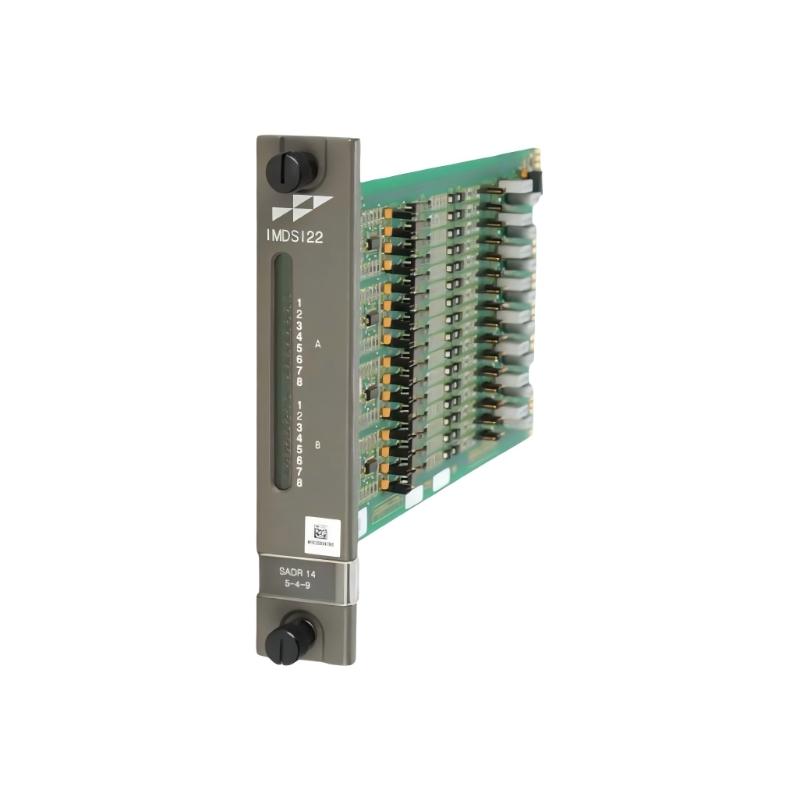
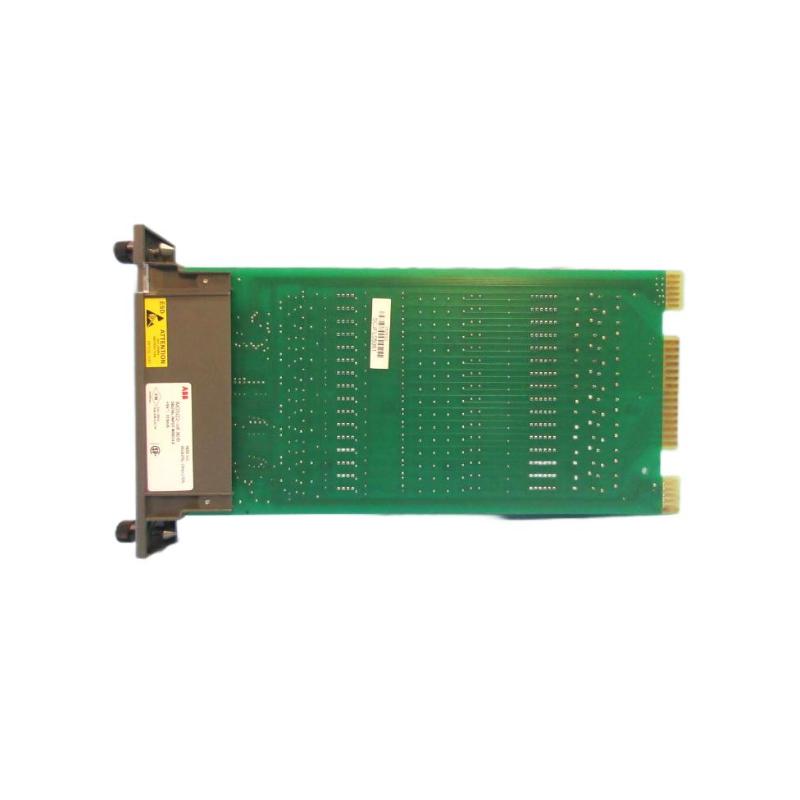
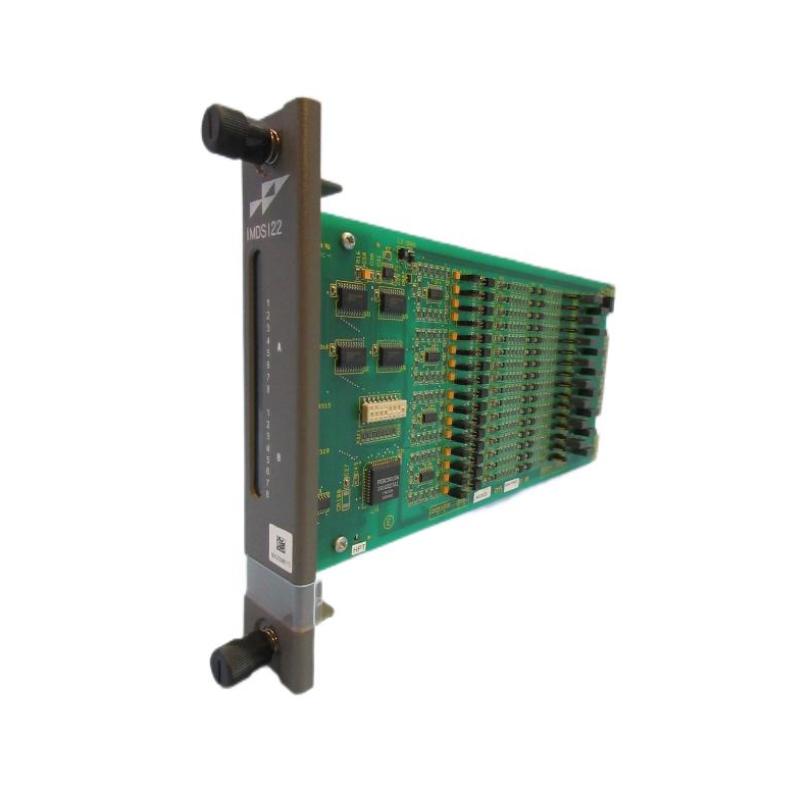
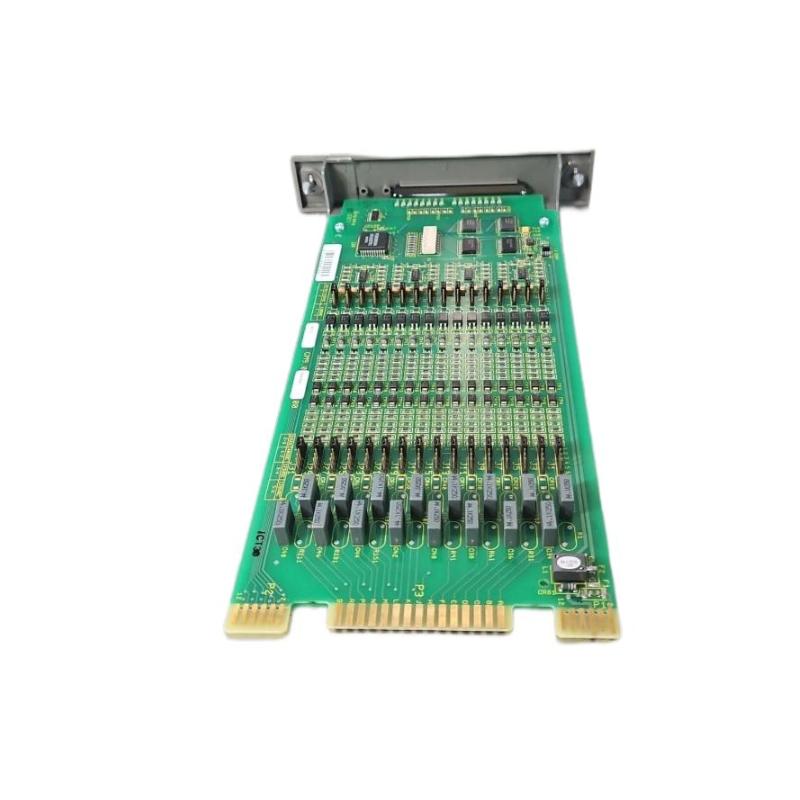
The ABB Bailey IMDSI22 Numeric Input Slave Module is designed to capture discrete input signals within the ABB Bailey INFI 90 distributed control system architecture. In large-scale industrial facilities, digital input modules collect operational status signals from field equipment and deliver them to the control system for monitoring and automation logic execution.
This module is typically deployed in environments where reliable digital signal monitoring is critical, including:
-
Power generation facilities, where digital signals from protection relays, switchgear, and auxiliary systems must be monitored continuously.
-
Oil and gas processing plants, where valves, pumps, and safety systems provide discrete status signals to the control network.
-
Chemical and petrochemical production, where safety interlocks and equipment status indicators require stable digital input acquisition.
-
Water and wastewater treatment plants, where pumps, gates, and alarms generate continuous digital monitoring signals.
-
Automated manufacturing systems, where sensors, limit switches, and machine indicators provide real-time operational status.
As a slave input module, the IMDSI22 operates in coordination with a master interface module, expanding the digital input capacity available within the automation system.
Operational Advantages
Reliable Digital Signal Monitoring
The module receives discrete input signals from field instrumentation and converts them into system-readable data for automation control.
Slave Expansion Architecture
Operating within a master–slave configuration, the module increases the number of digital inputs that can be integrated into the distributed control system.
Efficient Data Communication
The module transfers input data to the master module for processing, ensuring that system controllers receive real-time equipment status information.
Seamless INFI 90 Integration
Designed specifically for the ABB Bailey INFI 90 platform, the module works smoothly with other controllers and I/O modules within the system.
Industrial-Grade Reliability
The module is engineered for stable performance in continuous industrial environments where signal monitoring is essential for safe plant operation.
Technical FAQs
1. What is the primary function of the IMDSI22 module?
It captures discrete digital signals from field devices and transmits them to the distributed control system.
2. Why is the module categorized as a slave input module?
Because it communicates through a master interface module that manages interaction with the system controller.
3. What types of signals can the module receive?
It accepts digital signals such as on/off states from switches, relays, and sensor contacts.
4. Can the module expand digital input capacity in a system?
Yes. It allows additional digital input points to be integrated into the control architecture.
5. What devices are commonly connected to this module?
Limit switches, proximity sensors, relay contacts, safety interlocks, and equipment status indicators.
6. Is the module compatible with ABB Bailey INFI 90 systems?
Yes. It is specifically designed for integration within the INFI 90 distributed control platform.
7. Can the module monitor alarm or safety signals?
Yes. Digital inputs can represent alarms, equipment states, or safety interlocks.
8. How does the module communicate with controllers?
It sends data to a master module, which then communicates with the system controller.
9. Is the device suitable for continuous industrial operation?
Yes. It is designed for long-term operation in control cabinets and automation racks.
10. What role does the module play in automation control strategies?
It provides real-time input signals that controllers use to execute automation logic and safety functions.
 A DCS Q Co., Ltd. - PLC and DCS Industrial Control Equipment Wholesale