Overview
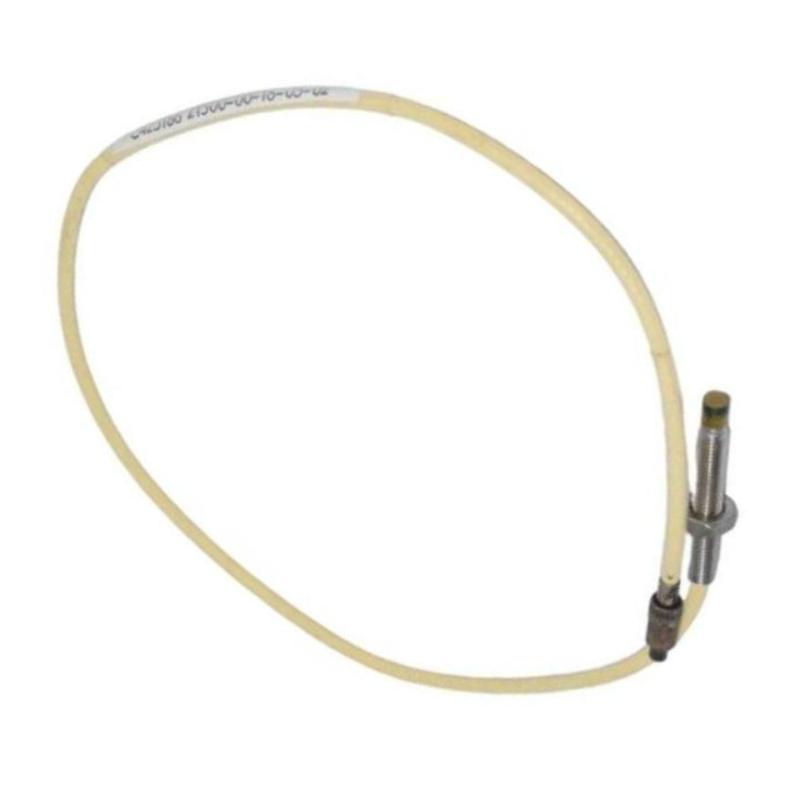
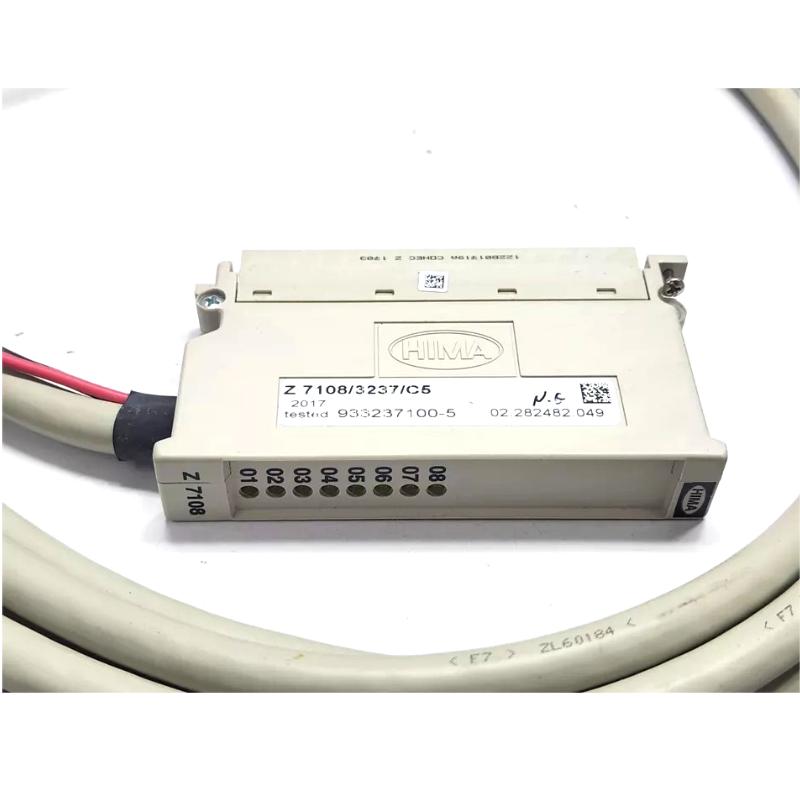
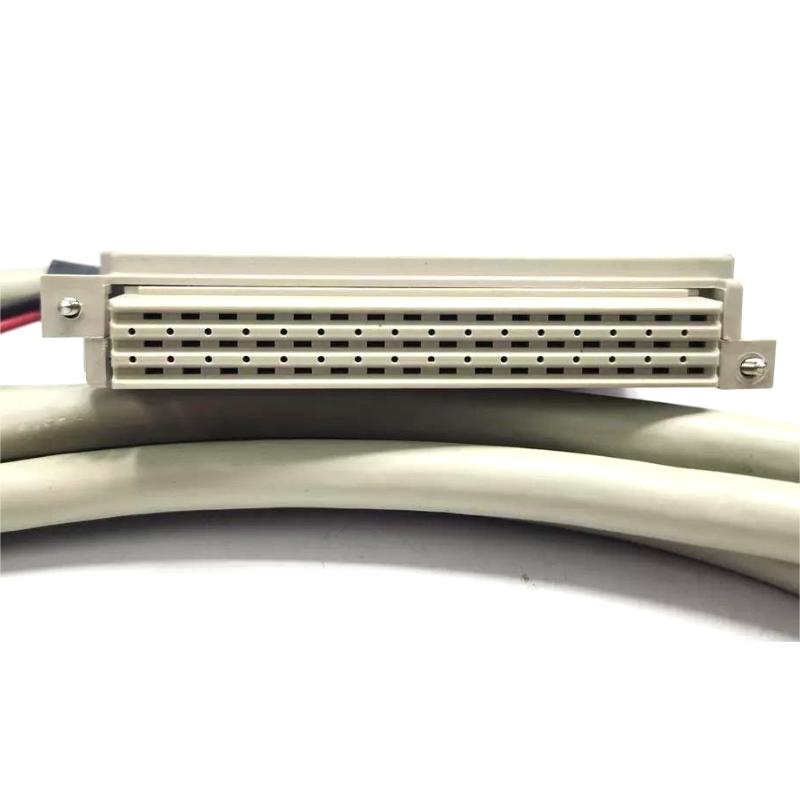
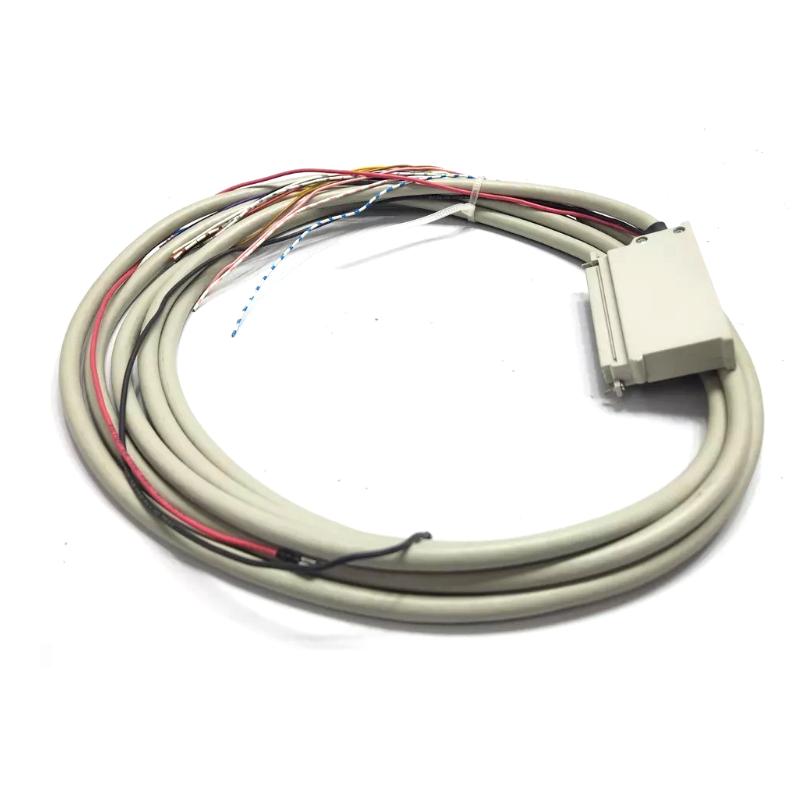
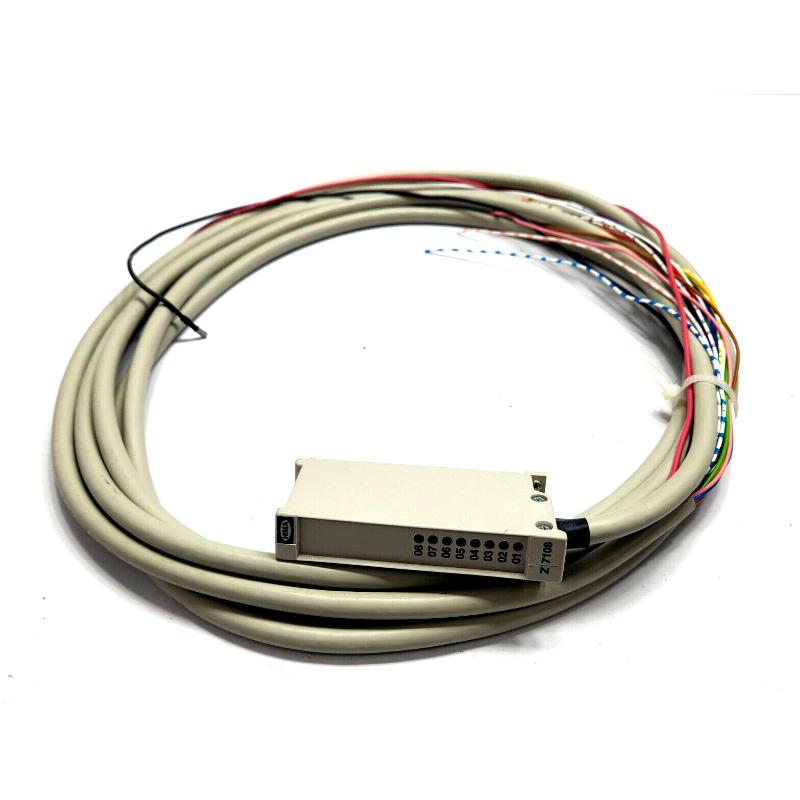
The HIMA Z7108/3237/C5 Cable Plug is a purpose-built industrial connection component designed for HIMA safety automation systems. It provides a secure electrical interface between field sensors and safety input modules, ensuring accurate signal transfer in mission-critical process control environments.
Optimized for use with HIMA digital input modules such as the F3237 series, the Z7108/3237/C5 cable plug supports reliable connection of proximity switches, safety sensors, and other monitoring devices. Its integrated cable configuration simplifies installation while maintaining signal stability and system reliability.
In industries where operational safety and system availability are essential, this cable plug plays an important role in maintaining consistent communication between field instrumentation and safety controllers. Its rugged design and dependable electrical characteristics make it suitable for demanding industrial automation systems.
Technical Specifications
| Parameter | Specification |
|---|
| Manufacturer | HIMA |
| Model | Z7108/3237/C5 |
| Module Type | Cable Plug |
| Compatible Module | F3237 Digital Input Module |
| System Compatibility | HIMA Safety Automation Systems |
| Cable Configuration | Integrated industrial cable assembly |
| Supported Devices | Proximity switches, safety sensors |
| Operating Voltage | 8.2 V |
| Switching Time | Approx. 10 ms |
| Maximum Line Impedance | ≤ 50 Ω |
| Maximum Cable Length | Up to 1000 m (depending on cable type) |
| Installation Method | Direct plug connection |
Industrial Applications
The Z7108/3237/C5 cable plug is widely used in safety-oriented automation systems where stable signal communication between sensors and controllers is essential.
Typical application scenarios include:
-
Safety Instrumented Systems (SIS)
-
Oil and gas production platforms
-
Chemical and petrochemical plants
-
Power generation facilities
-
Emergency shutdown systems (ESD)
-
Industrial process monitoring systems
These environments require reliable wiring interfaces to ensure safety-critical signals are transmitted accurately and without interruption.
Key Advantages
Optimized for Safety Modules
The cable plug is engineered to integrate seamlessly with HIMA safety input modules, ensuring reliable connectivity in safety systems.
Stable Electrical Performance
Precision contacts and high-quality cable materials help maintain consistent signal transmission and reduce interference.
Quick and Efficient Installation
The pre-assembled cable design simplifies wiring and reduces installation time within control cabinets.
Industrial-Grade Construction
Durable housing materials and robust cable protection allow reliable operation in challenging industrial environments.
Improved System Maintenance
Clear connection structure enables easy diagnostics and straightforward replacement when necessary.
Technical FAQs
1. What is the main purpose of the Z7108/3237/C5 cable plug?
It connects field sensors to HIMA safety input modules, ensuring reliable signal transmission.
2. Which module is typically used with this cable plug?
It is designed primarily for the HIMA F3237 digital input module.
3. What devices can be connected using this cable plug?
Proximity switches, limit switches, and other safety monitoring sensors.
4. What is the typical switching time of the signal?
The signal switching time is approximately 10 milliseconds.
5. What is the operating voltage?
The cable plug typically operates at around 8.2 volts.
6. How long can the cable run be?
The connection can support cable lengths up to approximately 1000 meters depending on cable specifications.
7. Is this component suitable for safety systems?
Yes, it is designed for integration within safety-instrumented automation architectures.
8. Can the cable plug be installed easily?
Yes, the plug-in design and integrated cable simplify installation and reduce wiring complexity.
9. What industries typically use this product?
Industries such as oil & gas, chemical processing, power generation, and industrial automation.
10. Does the cable plug require regular maintenance?
Only routine inspection of connectors and cable condition is generally required.
 A DCS Q Co., Ltd. - PLC and DCS Industrial Control Equipment Wholesale