Product Introduction
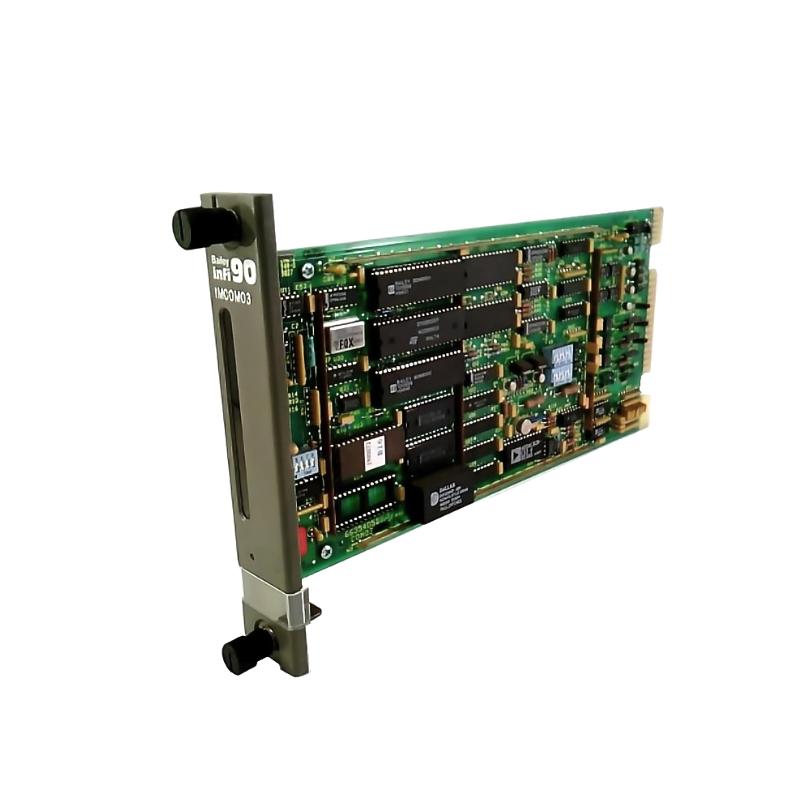
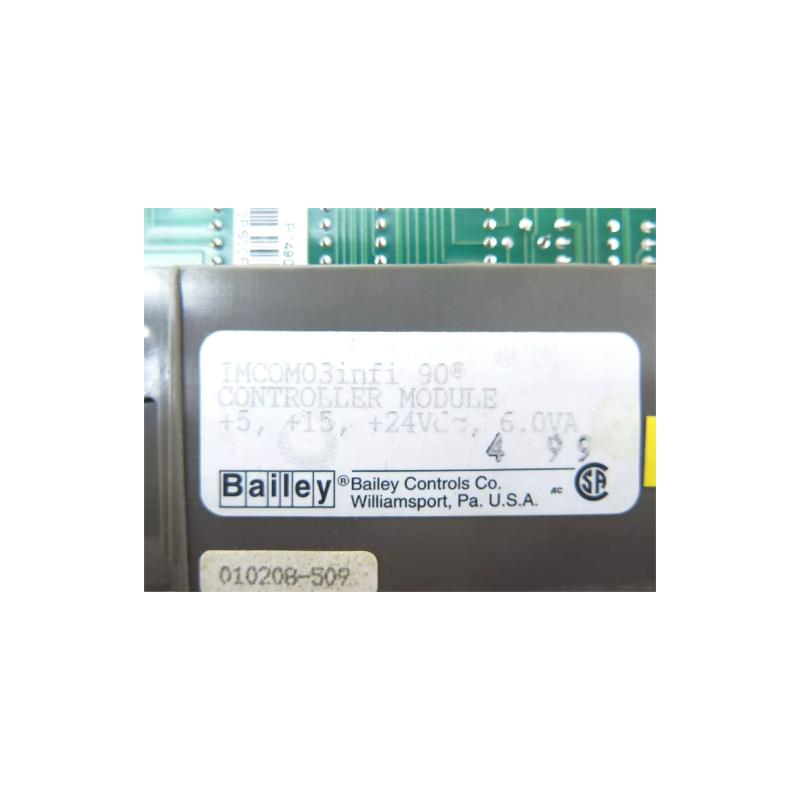
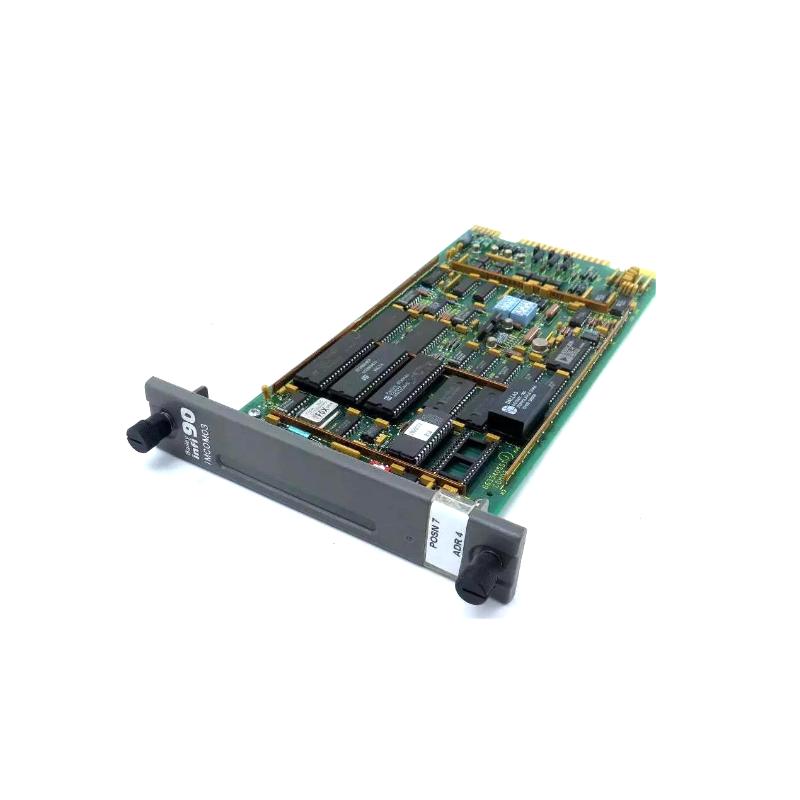
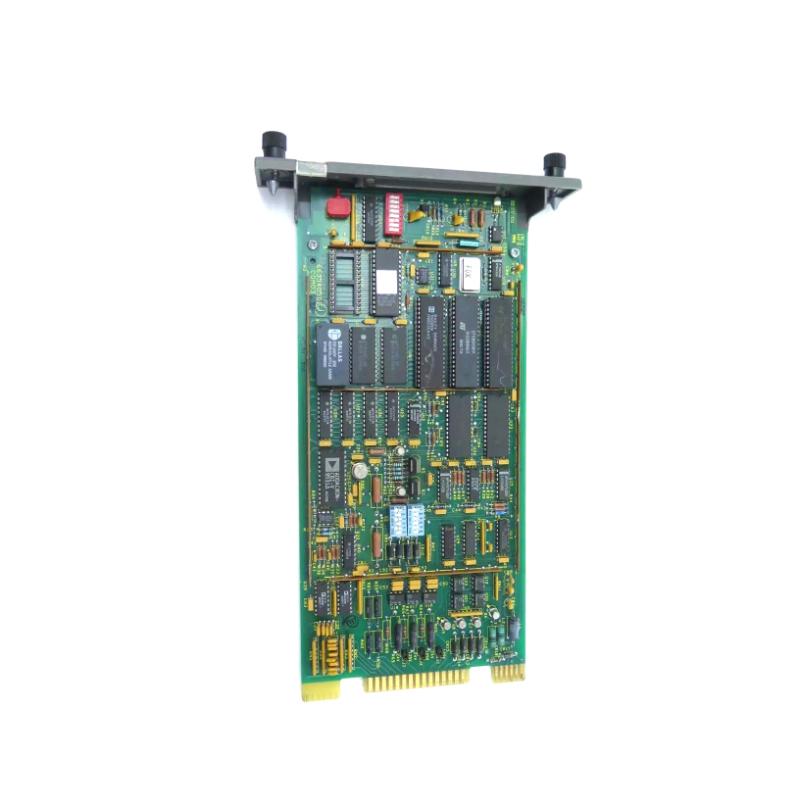
The ABB Bailey IMCOM03 Enhanced Controller Module is a powerful control processor designed for the ABB Bailey INFI 90 distributed control platform. Acting as a central automation engine within the system architecture, it executes control algorithms, handles process logic, and manages communication between field devices and supervisory systems.
The module provides the computational capability required for modern process automation tasks such as batch sequencing, PID loop control, alarm management, and real-time data acquisition. Its flexible programming environment allows engineers to implement structured control strategies while maintaining high reliability in continuous industrial operations.
Due to its robust design and versatile processing capabilities, the IMCOM03 is widely deployed in process industries where system stability, precise control, and long-term operational reliability are essential.
Technical Specifications
| Parameter | Specification |
|---|
| Manufacturer | ABB Bailey |
| Model | IMCOM03 |
| Module Type | Enhanced Controller Module |
| System Platform | ABB Bailey INFI 90 DCS |
| Processor | Motorola 68030 |
| Memory | Up to 4 MB RAM, 4 MB EPROM |
| Communication Interfaces | Dual RS-232 ports, optional Network 90 bus |
| Programming Methods | Ladder Logic, Sequential Function Chart (SFC) |
| Control Functions | PID control, timers, counters, event sequencing |
| Installation | DCS rack / control cabinet |
| Dimensions | 270 mm × 125 mm × 30 mm |
| Weight | 0.4 kg (0.88 lb) |
Industrial Process Control Applications
In distributed control systems used across heavy industries, controller modules play a central role in executing automation logic and coordinating field devices. The ABB Bailey IMCOM03 Enhanced Controller Module is designed to operate within the ABB Bailey INFI 90 distributed control system (DCS), where it performs complex control and sequencing tasks required in industrial automation.
Typical deployment environments include:
-
Power generation plants, where process control for turbines, boilers, and auxiliary systems requires reliable controller execution.
-
Oil and gas processing facilities, where multiple control loops manage pressure, flow, and temperature in pipelines and refineries.
-
Chemical production plants, where sequential process control ensures safe batch and continuous manufacturing.
-
Water and wastewater treatment plants, where controllers coordinate pump stations, filtration processes, and chemical dosing.
-
Large manufacturing plants, where machine sequencing, alarm management, and process monitoring must operate continuously.
Within these systems, the module executes control programs, manages communication with I/O modules, and coordinates process data exchange across the network.
Engineering Advantages
High-Performance Control Processing
The module incorporates a Motorola 68030 processor capable of executing complex control logic, sequence control, and PID algorithms for industrial processes.
Flexible Programming Capability
It supports structured control development using programming methods such as ladder logic and sequential function charts (SFC), enabling engineers to design sophisticated automation routines.
Reliable Industrial Communication
Dual RS-232 communication ports and optional network bus connectivity allow the module to exchange data with other controllers, field devices, and system servers.
Integrated Process Control Functions
Built-in PID control, timer functions, counters, and event sequencing allow precise regulation of process parameters such as temperature, flow, and pressure.
Diagnostic and Event Logging Features
Alarm monitoring and event recording capabilities assist operators in identifying process abnormalities and troubleshooting system faults quickly.
Technical FAQs
1. What is the primary function of the IMCOM03 module?
It executes control programs and logical operations within an ABB Bailey INFI 90 distributed control system.
2. Which processor architecture does the module use?
The controller is built around a Motorola 68030 processor for industrial control processing tasks.
3. What programming methods are supported?
Control programs can be developed using ladder logic and sequential function chart (SFC) methodologies.
4. What types of industrial processes can it control?
The module can regulate process variables such as temperature, pressure, and flow through integrated PID algorithms.
5. Does the module support event sequencing functions?
Yes. Timer and counter functions allow engineers to implement complex process sequences.
6. What communication interfaces are available?
The controller includes two RS-232 ports and optional connections to the Network 90 system bus.
7. How much memory does the controller provide?
The module supports up to 4 MB RAM and 4 MB EPROM for storing control programs and process data.
8. Can the module interact with field devices through I/O modules?
Yes. It communicates with sensors, actuators, and field equipment through the system’s I/O interface modules.
9. Is the controller suitable for continuous industrial operation?
Yes. It is designed for long-term operation in industrial control cabinets and DCS racks.
10. What role does the module play in system diagnostics?
It supports alarm monitoring and event logging to improve troubleshooting and process safety.
 A DCS Q Co., Ltd. - PLC and DCS Industrial Control Equipment Wholesale











