Industrial Use Environments
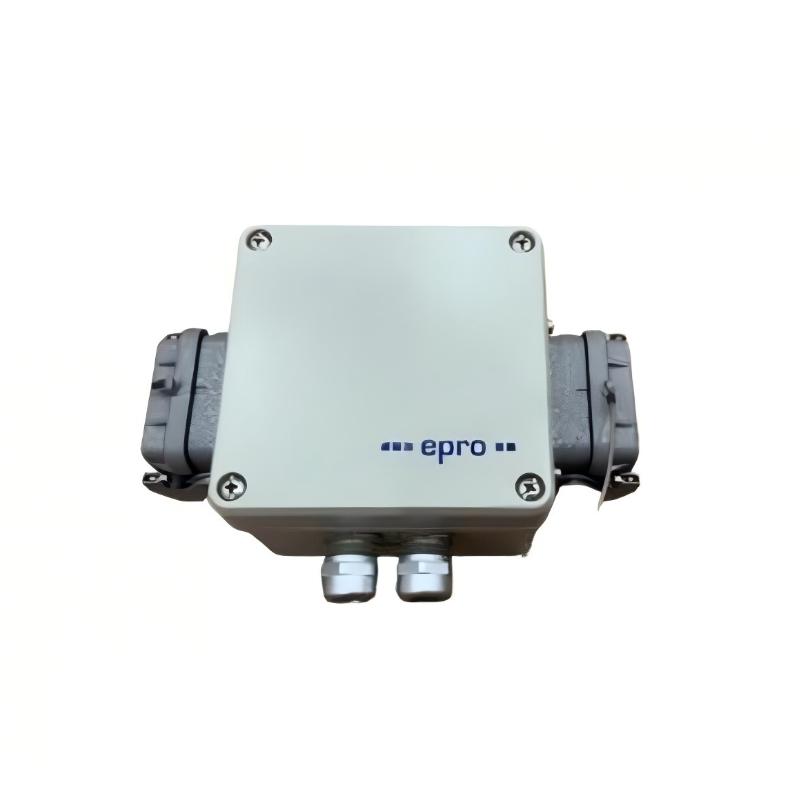
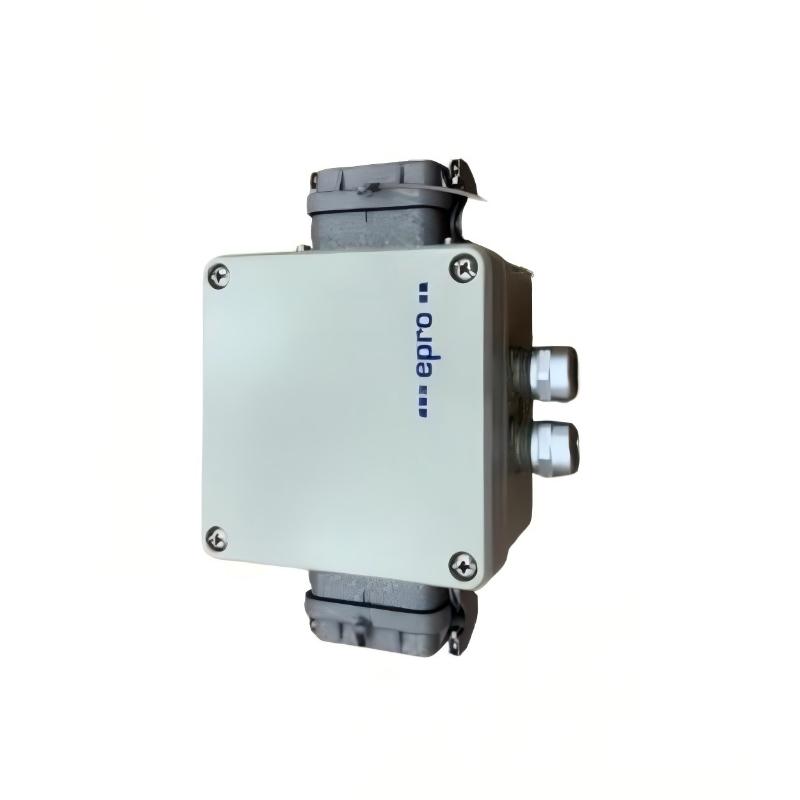
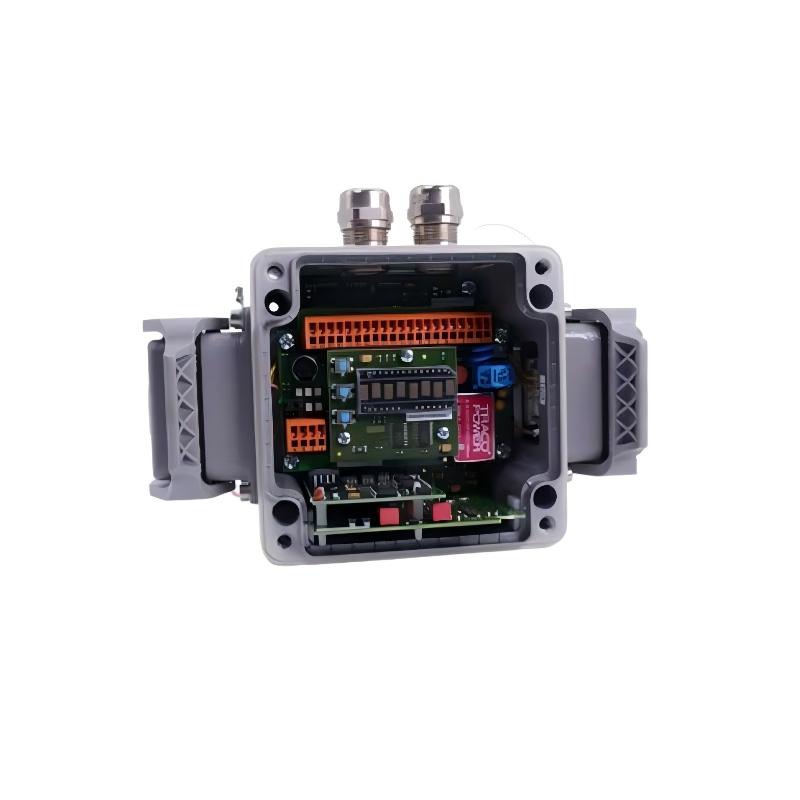
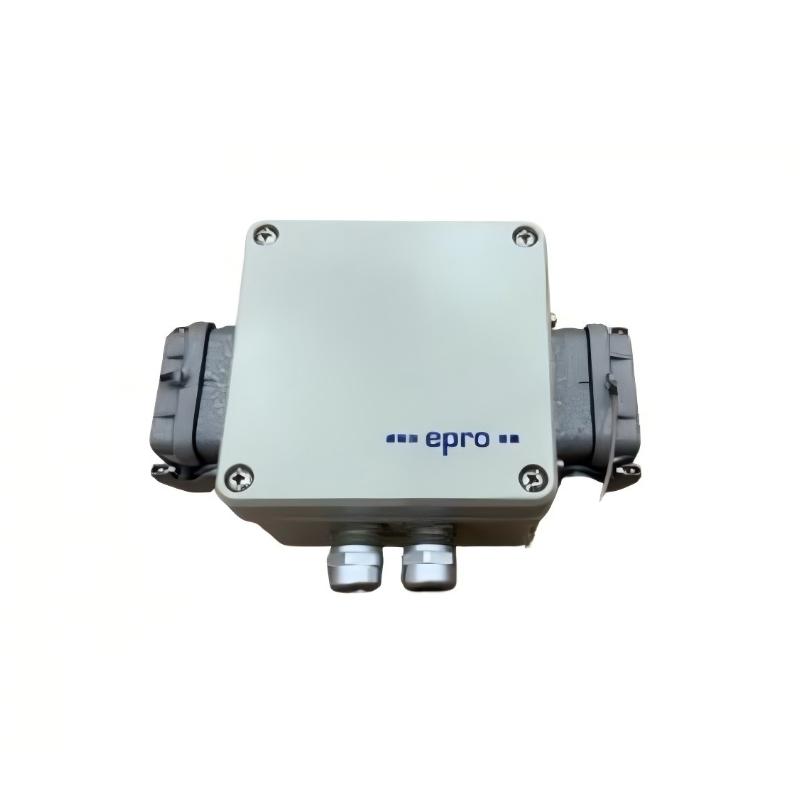
In heavy industrial systems, rotating equipment reliability directly affects production continuity and operational safety. The Epro MMS3125/022-020 Dual-Channel Bearing Vibration Transmitter is designed to monitor vibration signals from critical bearings and provide stable output signals for industrial monitoring and control platforms.
This transmitter is typically installed in environments such as:
-
Power generation plants, where steam turbines and generators require continuous vibration supervision to prevent mechanical damage.
-
Oil and gas compressor stations, where rotating equipment operates under high mechanical stress and continuous duty cycles.
-
Large industrial pump systems, especially in chemical processing plants and water treatment facilities.
-
Steel and cement manufacturing plants, where heavy-duty motors and drive systems generate significant vibration loads.
-
Offshore platforms and marine machinery, where monitoring bearing health is essential for maintaining operational safety.
The dual-channel design enables simultaneous monitoring of two vibration measurement points, making it possible to observe vibration behavior across multiple bearings within a single machine.
Core Functional Advantages
Two Independent Monitoring Channels
The transmitter supports two vibration inputs, allowing operators to track vibration levels from separate bearings or measurement axes.
Accurate Signal Conditioning
Built-in signal processing converts vibration sensor signals into standardized outputs that can be reliably interpreted by PLC or DCS monitoring systems.
Designed for Continuous Monitoring
The module is built for long-term operation in industrial environments where equipment runs continuously and requires stable monitoring.
Efficient Machinery Protection
Early detection of abnormal vibration patterns helps prevent mechanical failures caused by imbalance, misalignment, or bearing wear.
Flexible Integration into Monitoring Systems
The transmitter can easily become part of centralized machine condition monitoring systems used across large industrial facilities.
Technical FAQs
1. What type of sensors are compatible with this transmitter?
The device is designed to work with industrial vibration sensors used for bearing condition monitoring.
2. How many measurement channels does the transmitter provide?
The transmitter supports two independent vibration channels.
3. What is the primary function of the transmitter in a monitoring system?
It converts vibration sensor signals into standardized outputs suitable for control and monitoring systems.
4. Can the transmitter connect directly to PLC or DCS systems?
Yes. The output signals are designed for integration with industrial automation platforms.
5. What types of mechanical faults can vibration monitoring detect?
Common issues include rotor imbalance, shaft misalignment, bearing deterioration, looseness, and mechanical resonance.
6. Is the transmitter suitable for continuous operation?
Yes. It is intended for permanent installation in industrial monitoring systems.
7. Does the device include internal signal processing?
Yes. Signal conditioning is integrated within the transmitter.
8. Can vibration data be used for alarm or protection systems?
Yes. Monitoring systems can set alarm thresholds based on the transmitter output signals.
9. How does dual-channel monitoring improve equipment diagnostics?
It allows monitoring of multiple bearing locations or vibration directions, improving fault detection accuracy.
10. Is cabinet installation supported?
Yes. The device is designed for installation in monitoring cabinets or machinery protection panels.
 A DCS Q Co., Ltd. - PLC and DCS Industrial Control Equipment Wholesale