Industrial Equipment Monitoring Use Cases
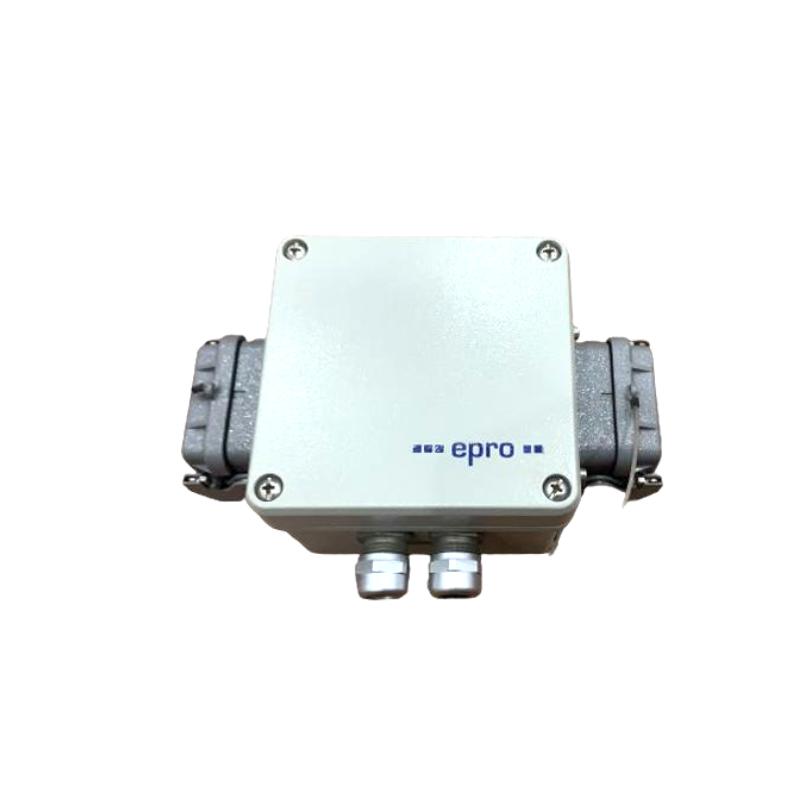
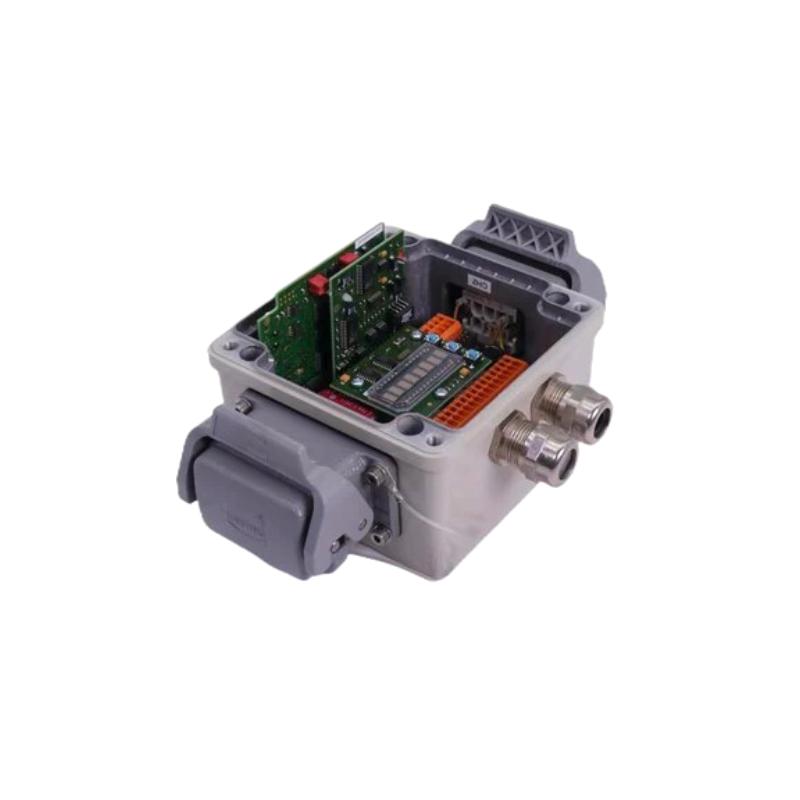
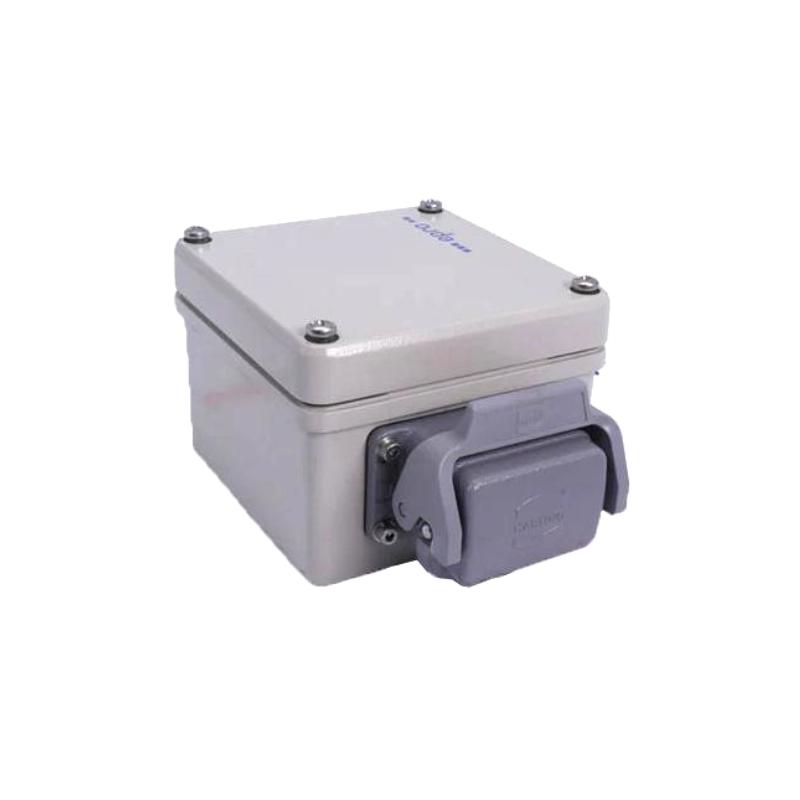
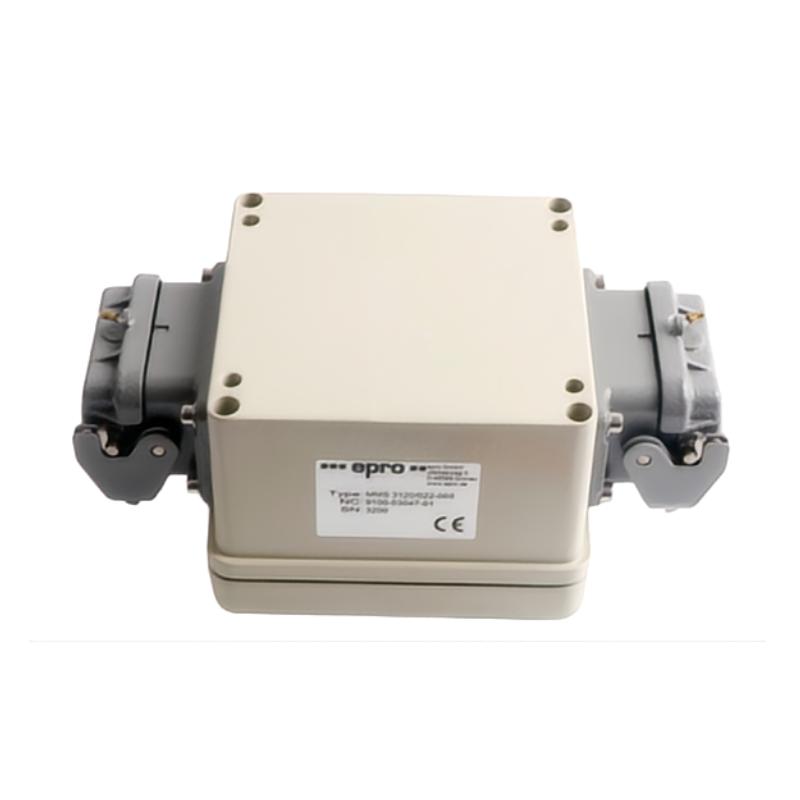
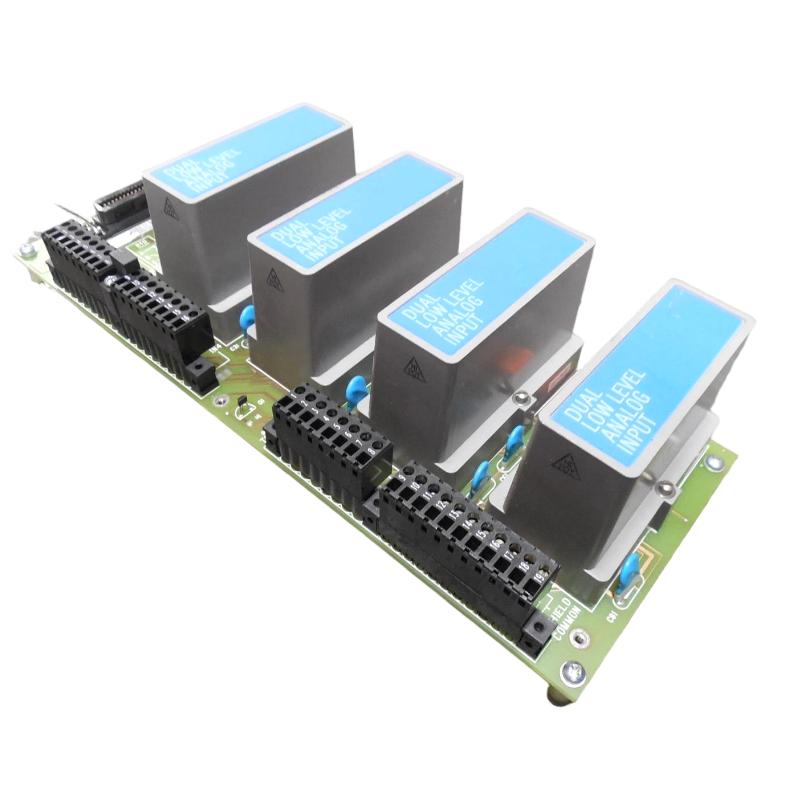
In facilities that rely heavily on rotating equipment, monitoring bearing vibration is one of the most effective ways to detect mechanical issues before they lead to costly failures. The Epro MMS3120/022-100 Dual-Channel Bearing Vibration Transmitter is engineered to provide continuous vibration monitoring for critical machinery operating under demanding industrial conditions.
Common installation environments include:
-
Thermal and combined-cycle power plants, where turbines and generators require constant vibration supervision.
-
Petrochemical and refinery compressor stations, where rotating equipment reliability is essential for continuous process flow.
-
Large industrial pump systems used in water treatment plants and pipeline transport facilities.
-
Steel and cement production lines, where heavy-duty motors and gear-driven machines experience high mechanical stress.
-
Marine propulsion and offshore platforms, where early detection of bearing degradation prevents unplanned equipment shutdowns.
The device’s dual-channel design enables simultaneous monitoring of two vibration points, allowing engineers to track bearing conditions more accurately and respond quickly to abnormal operating patterns.
Operational Benefits
Dual Measurement Capability
Two independent monitoring channels allow operators to measure vibration signals from multiple bearings or directions simultaneously, improving diagnostic accuracy.
Stable Signal Conversion
The transmitter converts vibration sensor inputs into standardized signals that can be easily processed by PLCs, DCS platforms, or dedicated machinery protection systems.
Compact and Cabinet-Friendly Design
Its compact form factor allows efficient installation in control cabinets or monitoring racks, making it suitable for machinery protection panels and centralized monitoring systems.
Continuous Condition Monitoring
Designed for permanent installation, the transmitter delivers real-time vibration data that supports predictive maintenance programs and long-term machine health tracking.
Enhanced Equipment Protection
By detecting abnormal vibration levels early, the device helps operators prevent bearing damage, shaft imbalance, and mechanical resonance that could otherwise lead to major equipment failures.
Technical FAQs for Maintenance Engineers
1. What type of machinery is typically monitored with this transmitter?
It is commonly used for rotating equipment such as turbines, compressors, pumps, fans, and electric motors.
2. How many vibration inputs does the transmitter support?
The device supports two independent vibration input channels for simultaneous monitoring.
3. Can the transmitter integrate with industrial automation systems?
Yes. Its output signals can be connected directly to PLC or DCS systems for monitoring, trending, and alarm handling.
4. What vibration faults can be identified using this device?
Typical detectable issues include imbalance, misalignment, bearing wear, looseness, and structural resonance.
5. Is external signal conditioning required?
No. The transmitter includes built-in signal conditioning to convert sensor signals into usable outputs.
6. Can the transmitter support continuous machine monitoring?
Yes. It is designed for continuous operation in industrial monitoring applications.
7. What maintenance benefits does vibration monitoring provide?
Continuous monitoring helps maintenance teams implement predictive maintenance, reducing unexpected shutdowns.
8. Is the transmitter suitable for installation near heavy machinery?
Yes. The device is designed to operate reliably in industrial environments with vibration and electrical noise.
9. Can alarm thresholds be configured through the control system?
Yes. Control systems receiving the transmitter output can apply alarm limits for machine protection.
10. Does the dual-channel configuration improve fault analysis?
Yes. Monitoring multiple points provides better insight into vibration sources and machine behavior.
 A DCS Q Co., Ltd. - PLC and DCS Industrial Control Equipment Wholesale