Product Introduction
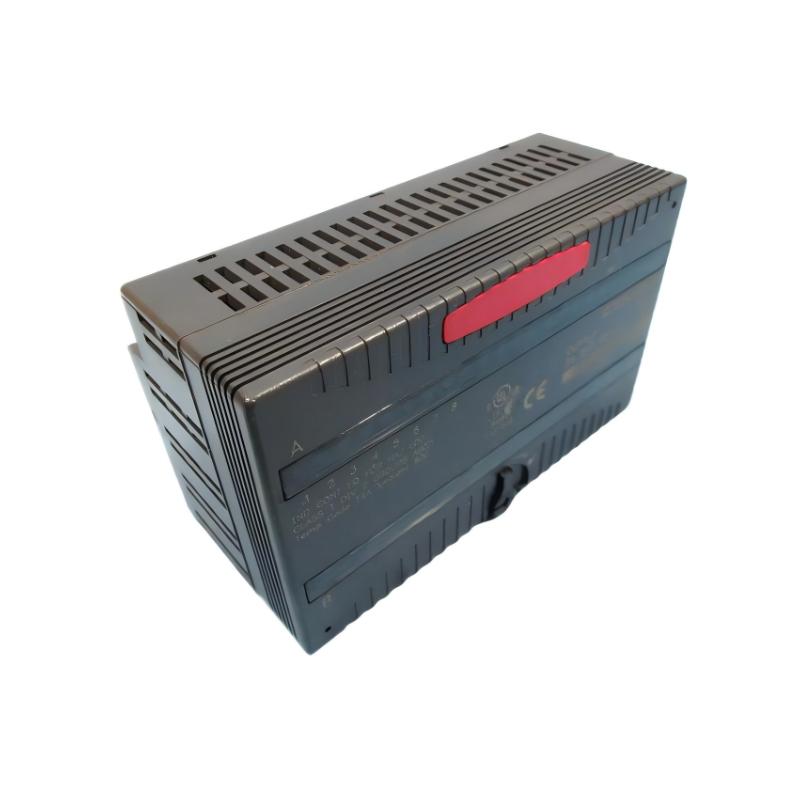
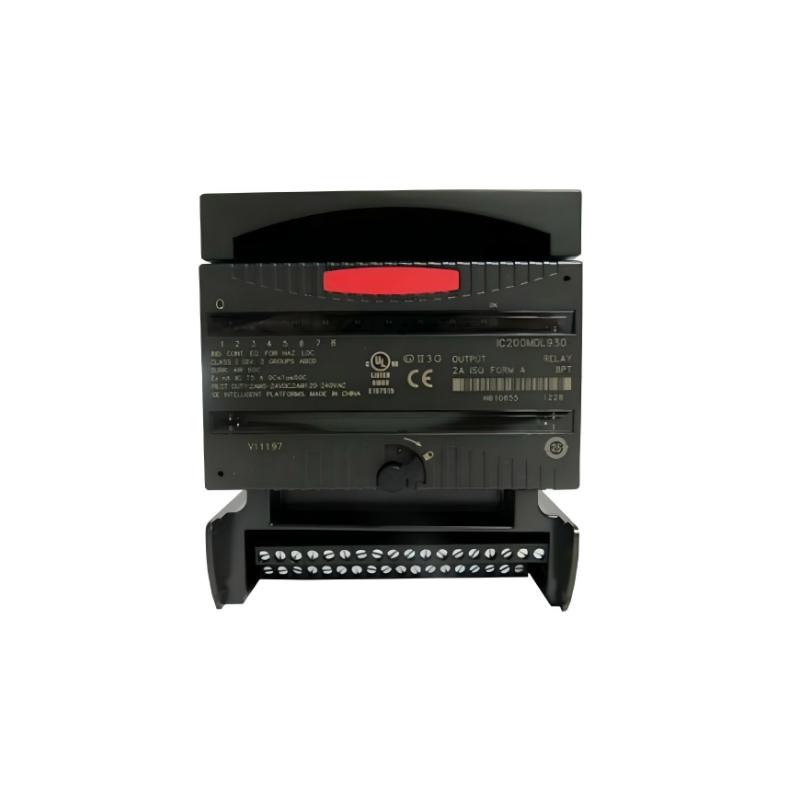
The GE Fanuc IC200MDL930B VersaMax Relay Output Module is a key component used in PLC-based automation systems to control external devices and equipment. By converting digital commands from the PLC into relay switching actions, the module enables automation systems to operate machinery, activate alarms, and control process equipment.
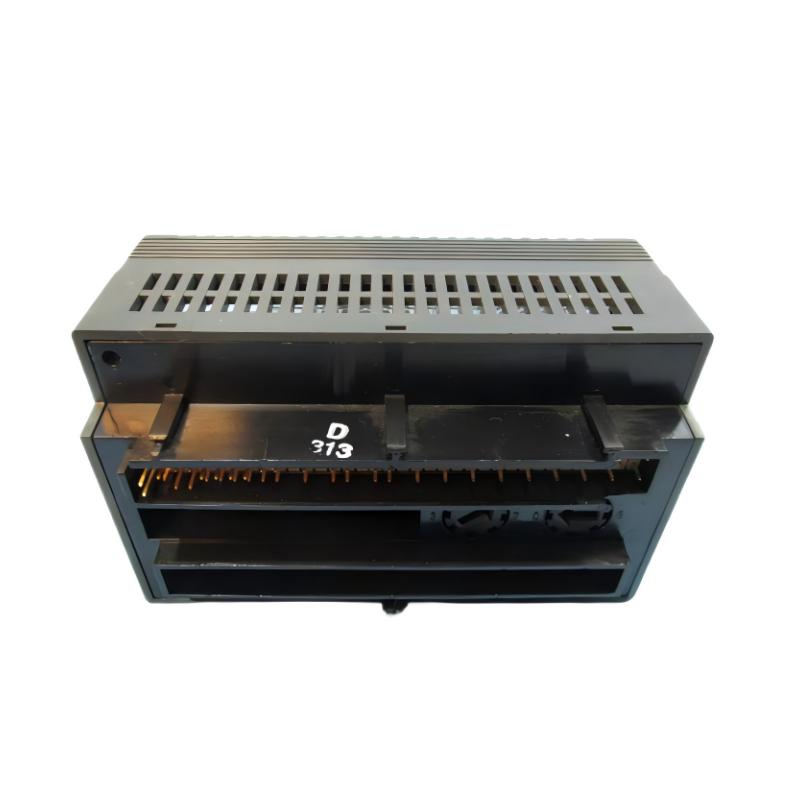
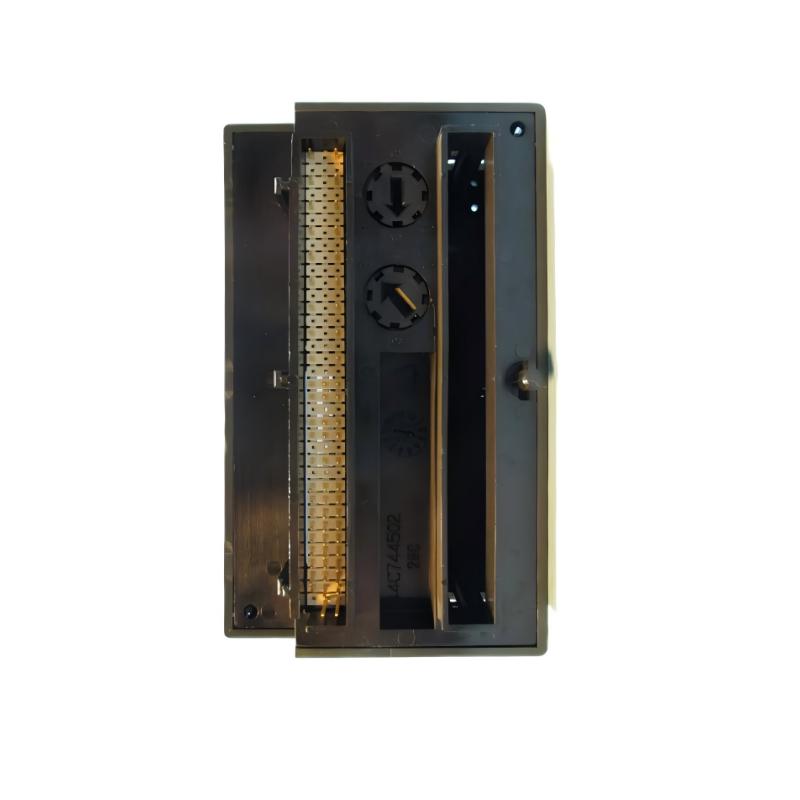
Installed within a VersaMax I/O rack, the module communicates with the PLC processor through the system backplane. When the PLC program issues a command, the relay output switches the connected electrical circuit, allowing field devices to operate according to the programmed control logic.
Relay output modules like the IC200MDL930B play an essential role in industrial control systems by linking digital automation logic with real-world equipment and machinery.
Technical Specifications
| Parameter | Specification |
|---|
| Manufacturer | GE Fanuc |
| Model | IC200MDL930B |
| Product Type | Relay Output Module |
| Series | VersaMax I/O System |
| Function | Digital relay output control |
| Application | Industrial automation and PLC systems |
| Installation | I/O rack / control cabinet |
| Dimensions | 110 mm × 66.8 mm × 50 mm |
| Weight | 0.24 kg |
Industrial Application Overview
The GE Fanuc IC200MDL930B VersaMax Relay Output Module is an industrial digital output module designed for the VersaMax PLC I/O System developed by GE Fanuc (now part of Emerson Automation Solutions). The module provides relay-based digital outputs that allow a PLC system to control external field devices such as motors, solenoid valves, alarms, and indicator lights.
In industrial automation systems, relay output modules convert digital control signals from the PLC processor into electrical switching actions. These switching actions enable the PLC to activate or deactivate connected field equipment, making relay output modules essential for process control and machine automation.
This module is widely used in industrial environments where PLC systems are responsible for controlling equipment and machinery, including:
-
Manufacturing and production automation lines
-
Oil and gas processing facilities
-
Power generation plants
-
Water and wastewater treatment plants
-
Industrial machine control systems
By enabling reliable switching of field devices, the module helps ensure accurate and responsive control of industrial processes.
Key Advantages in Automation Systems
Relay-Based Output Control
Allows the PLC system to switch external electrical loads through relay contacts.
Compatible with VersaMax I/O Platform
Designed for use with the VersaMax distributed I/O system.
Electrical Isolation
Relay outputs provide isolation between the PLC control circuit and field devices.
Flexible Industrial Control
Suitable for controlling various devices such as motors, lamps, relays, and solenoid valves.
Compact Module Design
Optimized size allows efficient installation within control cabinets.
Technical FAQs
1. What is the main function of the IC200MDL930B module?
It provides relay-based digital outputs for controlling field devices from a PLC system.
2. Which PLC platform uses this module?
It is designed for the VersaMax PLC I/O system.
3. What types of devices can be controlled with this module?
Motors, alarms, solenoid valves, indicator lights, and other electrical loads.
4. How does a relay output module work?
The PLC sends a digital signal that energizes a relay, which then opens or closes an electrical circuit.
5. Where is the module installed?
It is installed in a VersaMax I/O rack within an industrial control cabinet.
6. Why are relay outputs used in automation systems?
They provide reliable switching and electrical isolation for controlling external equipment.
7. Can the module control high-power devices directly?
It can switch certain electrical loads depending on relay ratings, but heavy loads often use external contactors.
8. What happens if a relay output fails?
The connected device may not switch on or off as commanded by the PLC.
9. Is this module used for signal input?
No, it is specifically designed for digital output control.
10. Why are output modules important in PLC systems?
They allow the PLC to interact with and control physical equipment in industrial processes.
 A DCS Q Co., Ltd. - PLC and DCS Industrial Control Equipment Wholesale