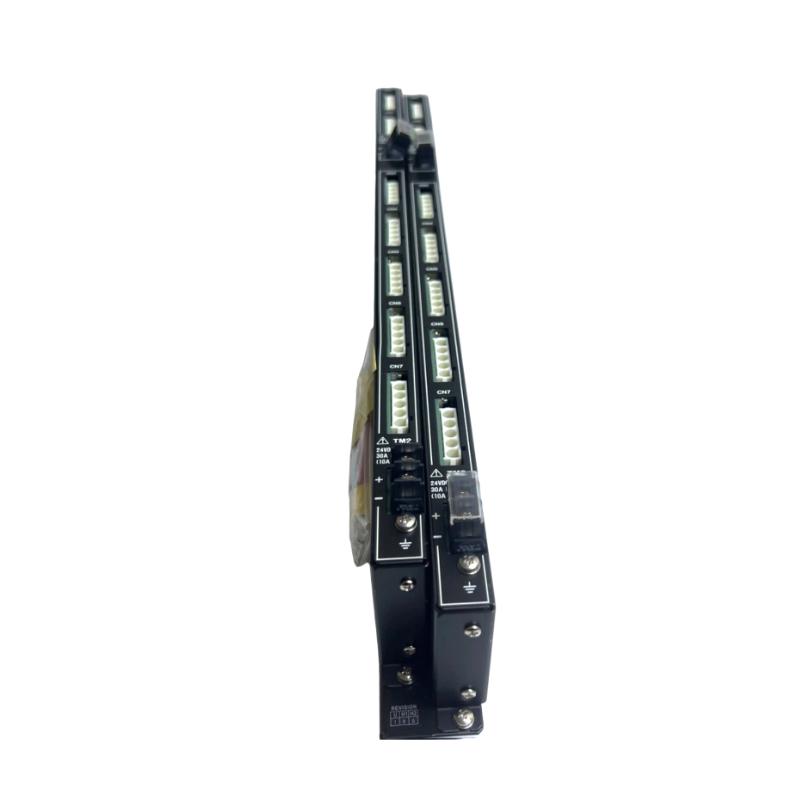
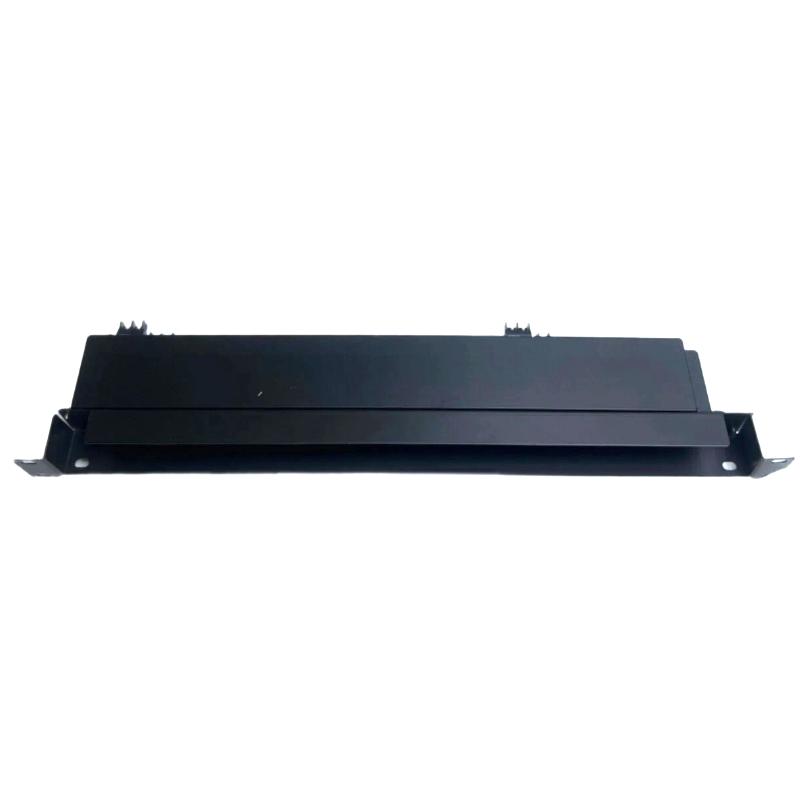
Product Introduction
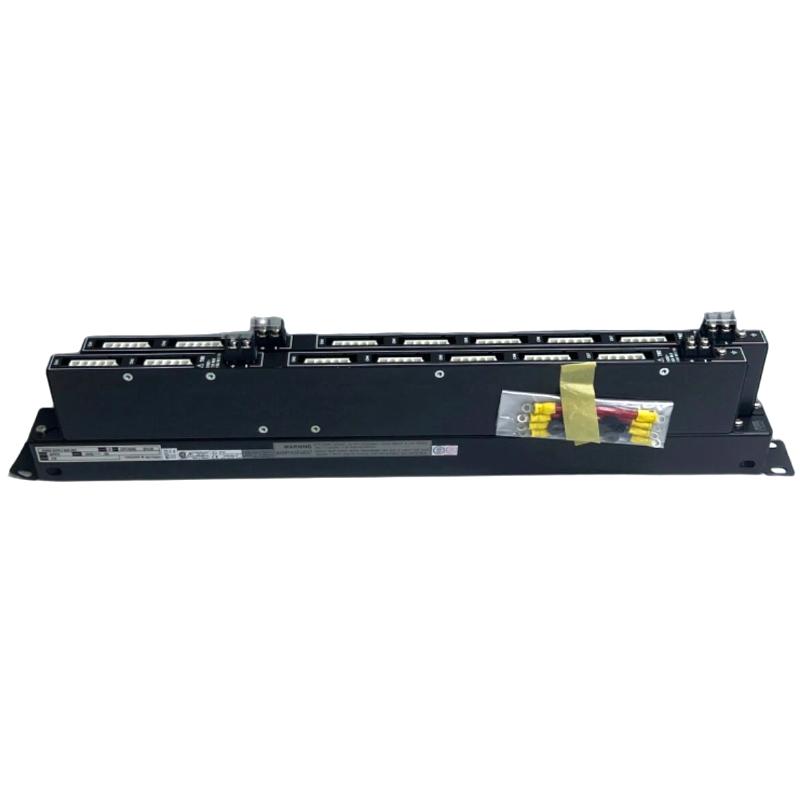
The Yokogawa AEPV7D-215 Power Bus Unit is an industrial power distribution component used within Yokogawa automation systems. In complex distributed control architectures, multiple modules require consistent and reliable electrical power to operate correctly.
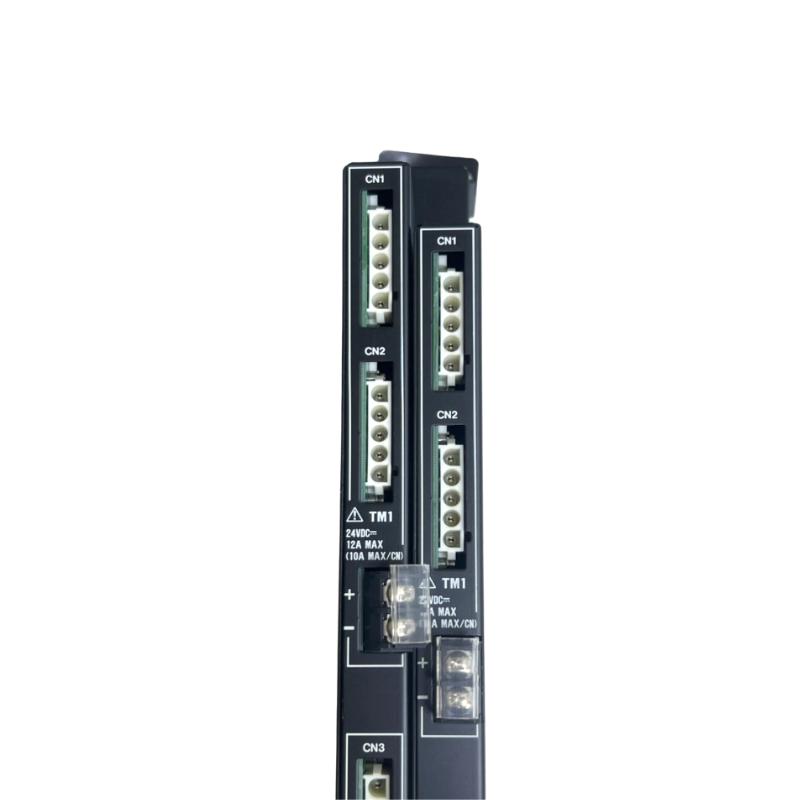
This unit acts as a central power distribution path within the control rack, delivering electrical power from the main supply to connected system modules. By organizing power delivery through a structured bus design, the unit helps maintain stable operation and simplifies system installation.
With its role in maintaining reliable power supply across the automation infrastructure, the AEPV7D-215 is an important component for ensuring continuous and efficient industrial control system operation.
Technical Specifications
| Parameter | Specification |
|---|
| Manufacturer | Yokogawa |
| Model | AEPV7D-215 |
| Product Type | Power Bus Unit |
| Function | Power distribution for control system modules |
| Application | Distributed control systems and industrial automation |
| Installation | Control cabinet / system rack |
| Dimensions | 630 mm × 166 mm × 43.6 mm |
| Weight | 2.9 kg |
Industrial Application Overview
The Yokogawa AEPV7D-215 Power Bus Unit is a power distribution component designed for use in Yokogawa distributed control systems (DCS). It functions as a central power bus that distributes electrical power efficiently to multiple system modules installed within the control rack.
In large industrial automation environments, numerous I/O modules and control units require stable and continuous power supply. The power bus unit ensures that electrical power is delivered consistently across the entire system, enabling reliable operation of controllers, communication modules, and I/O interfaces.
This unit is typically installed inside system cabinets and is commonly used in industries such as:
-
Oil and gas processing facilities
-
Power generation plants
-
Chemical and petrochemical production plants
-
Manufacturing automation systems
-
Water and wastewater treatment facilities
By providing stable power distribution within the automation rack, the unit helps maintain uninterrupted operation of critical control system components.
Key Advantages in Control System Architecture
Centralized Power Distribution
The unit distributes electrical power efficiently to multiple modules within the system rack.
Stable System Power Supply
It helps ensure reliable voltage delivery to connected control and I/O modules.
Designed for Yokogawa Automation Platforms
The unit is engineered for seamless integration within Yokogawa control system architectures.
Support for High-Density System Configurations
Its design allows multiple modules to receive power through a single structured power bus.
Industrial Reliability
Built for long-term operation in demanding industrial environments where control systems must operate continuously.
Technical FAQs
1. What is the main function of the AEPV7D-215 power bus unit?
It distributes electrical power from the system power supply to various modules installed in the control rack.
2. Why is a power bus unit necessary in distributed control systems?
It provides a structured and reliable method for delivering power to multiple modules simultaneously.
3. What components typically receive power from this unit?
Controllers, communication modules, digital I/O modules, and analog I/O modules.
4. Where is the power bus unit installed?
It is installed inside a control cabinet as part of the system rack assembly.
5. How does the unit contribute to system reliability?
By providing stable and consistent power distribution to all connected automation components.
6. Can multiple modules be powered simultaneously through this unit?
Yes, the unit distributes power to several modules within the same rack.
7. Is the unit designed for continuous industrial operation?
Yes, it is built for systems that operate 24/7 in industrial environments.
8. What happens if power distribution becomes unstable?
Control systems may experience module faults or shutdowns, which is why stable power bus units are essential.
9. Does the power bus unit interact directly with process signals?
No, it primarily handles power distribution rather than signal processing.
10. Why is centralized power distribution important in automation systems?
It simplifies system design and ensures reliable electrical supply to all automation components.
 A DCS Q Co., Ltd. - PLC and DCS Industrial Control Equipment Wholesale