Industrial Application Overview
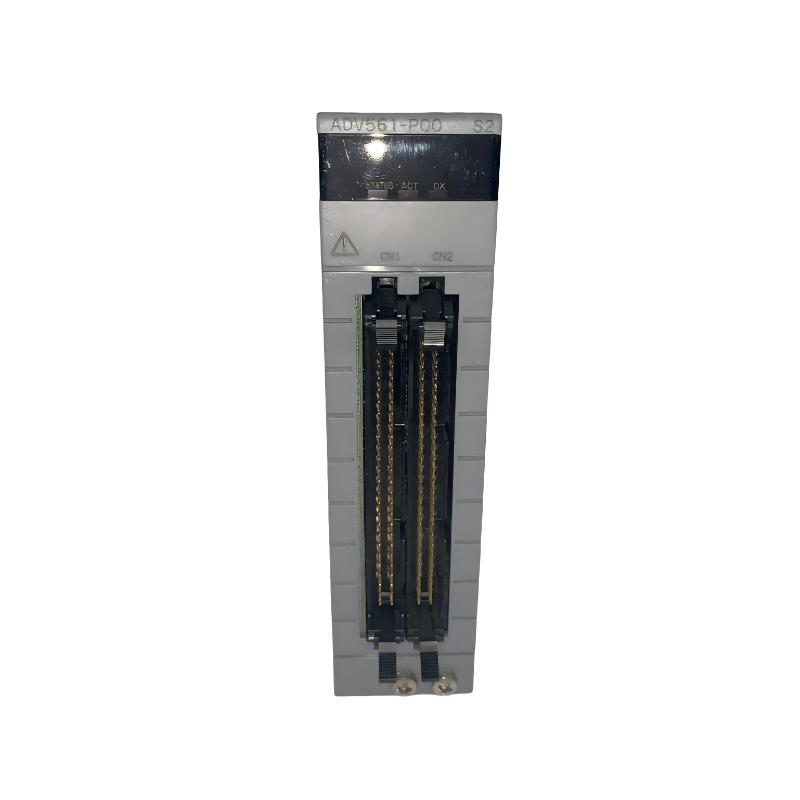
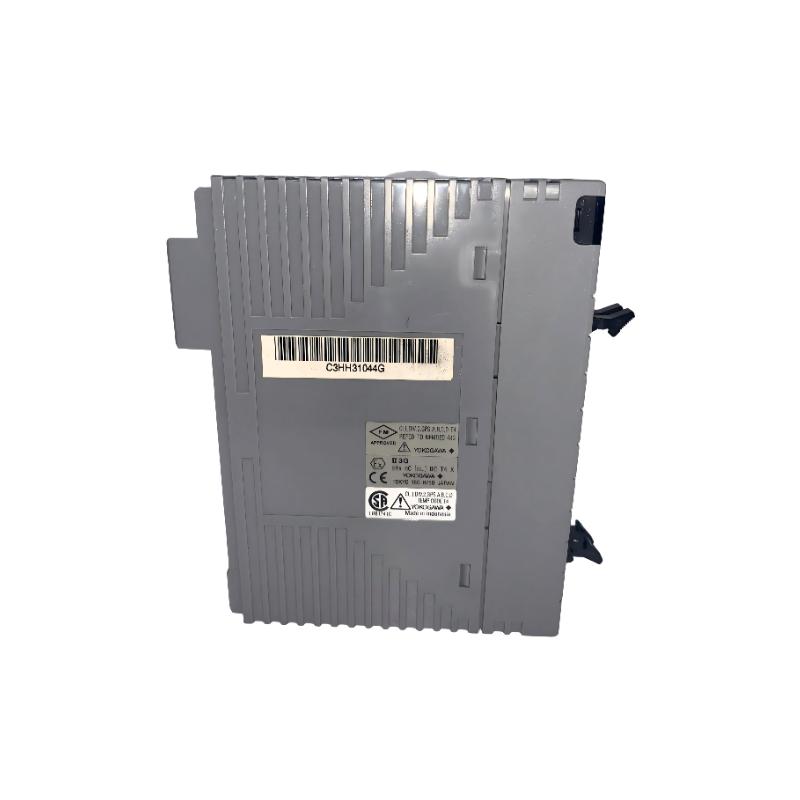
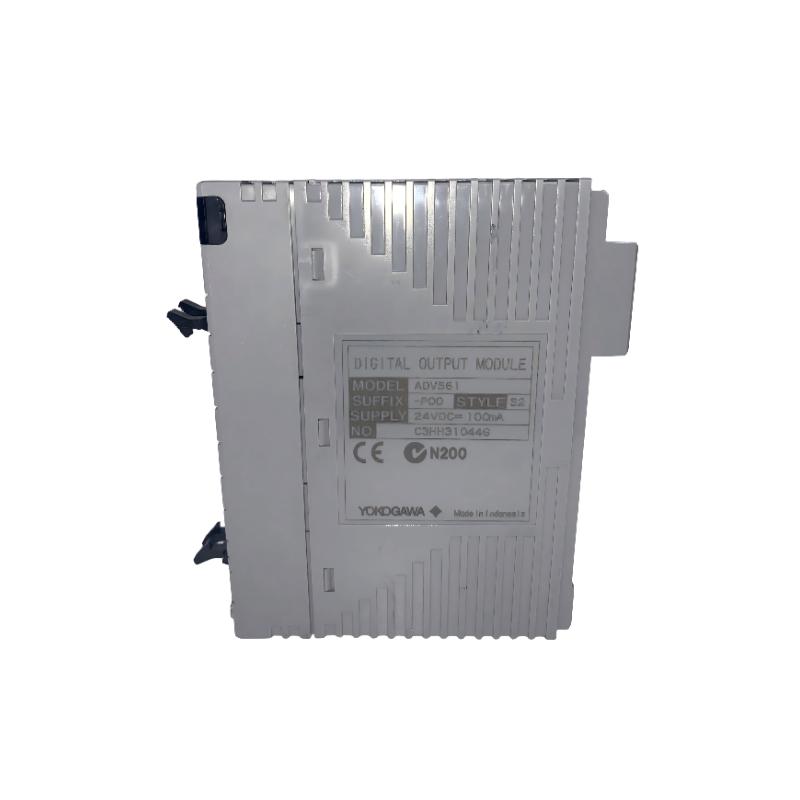
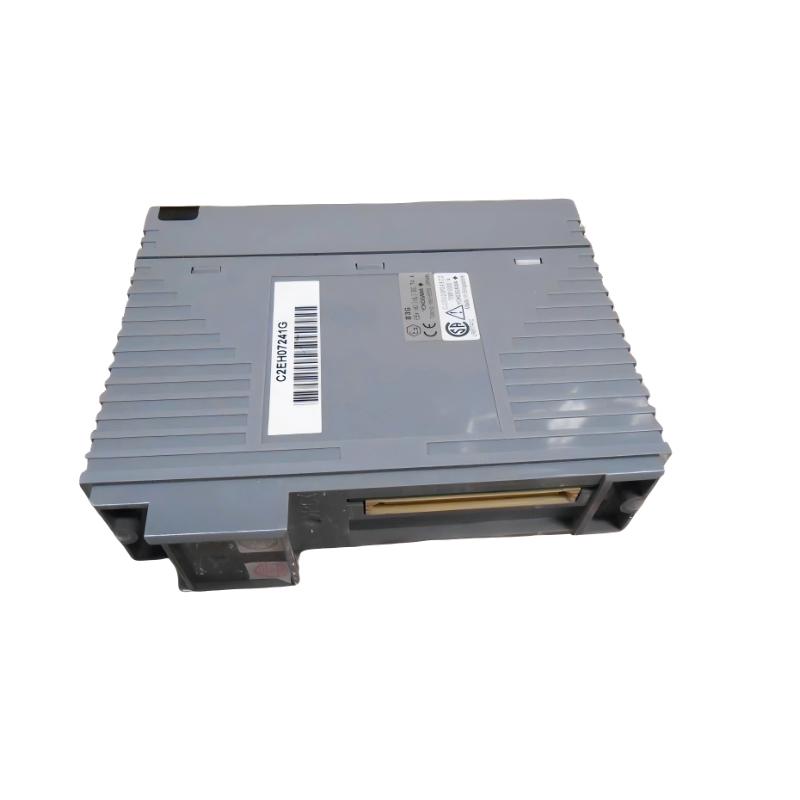
The Yokogawa ADV561 Digital Output Module is designed to transmit discrete control signals from a distributed control system (DCS) to field devices in industrial automation environments. Digital output modules are essential components that enable control systems to operate external equipment such as valves, relays, alarms, and motors.
Installed in an I/O rack within a control cabinet, the module receives commands from the control processor and converts them into electrical output signals. These signals activate connected devices, allowing automated control of industrial processes.
The module is commonly used in the following industries:
-
Oil and gas processing facilities for valve and pump control
-
Power generation plants for auxiliary system operation
-
Chemical and petrochemical production plants for process equipment control
-
Manufacturing automation lines for machine operation
-
Water and wastewater treatment plants for pump and alarm activation
By ensuring accurate signal transmission from the controller to field devices, the module supports reliable automated operations.
Key Operational Advantages
Stable Digital Output Control
The module converts control system commands into reliable electrical output signals.
Designed for Yokogawa Automation Systems
It integrates seamlessly into Yokogawa distributed control system architectures.
Rapid Response to Control Signals
The module quickly activates output channels in response to commands from the control processor.
Compact Rack-Mountable Design
Its slim structure allows efficient installation in high-density I/O cabinets.
Continuous Industrial Operation
Built for demanding environments where automation systems operate continuously.
Technical FAQs
1. What is the primary function of the ADV561 digital output module?
It sends digital control signals from the automation controller to field devices.
2. What types of devices can be controlled by this module?
Relays, solenoid valves, alarm systems, indicator lamps, and other equipment requiring digital activation.
3. What type of signals does the module output?
Discrete ON/OFF electrical signals used to trigger field device operation.
4. Why are digital output modules important in industrial automation?
They allow the control system to execute commands by directly operating equipment.
5. How does the module communicate with the controller?
It receives digital commands through the system communication network from the control processor.
6. Can the module control multiple devices simultaneously?
Yes, digital output modules typically include multiple channels for controlling several devices.
7. How quickly does the module respond to control commands?
Digital output modules are designed to respond rapidly to ensure immediate equipment operation.
8. What happens if an output channel experiences a fault?
The control system typically detects the abnormal condition and alerts operators through diagnostics.
9. Can the module be used for alarm or safety systems?
Yes, digital outputs are often used to trigger alarms or emergency control devices.
10. Why is reliable digital output important for plant operations?
Accurate output signals ensure equipment operates correctly and maintain stable industrial processes.
 A DCS Q Co., Ltd. - PLC and DCS Industrial Control Equipment Wholesale