Core Product Introduction
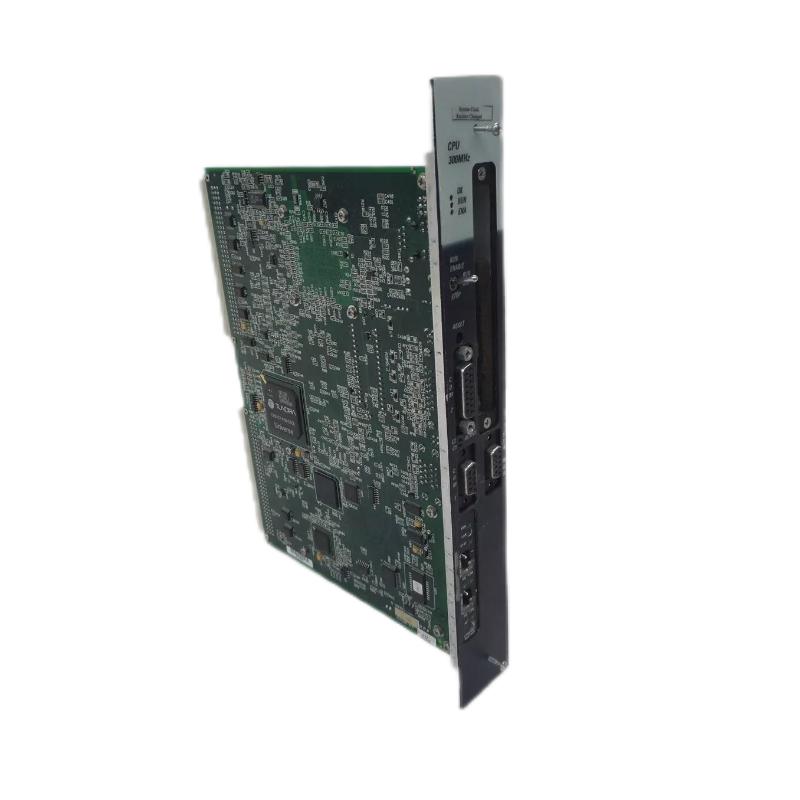
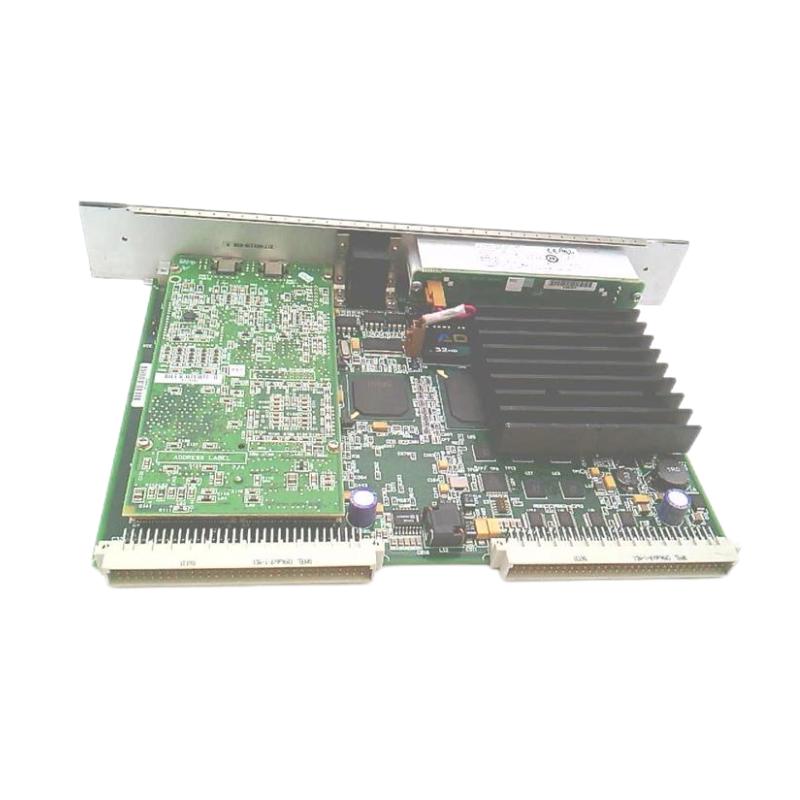
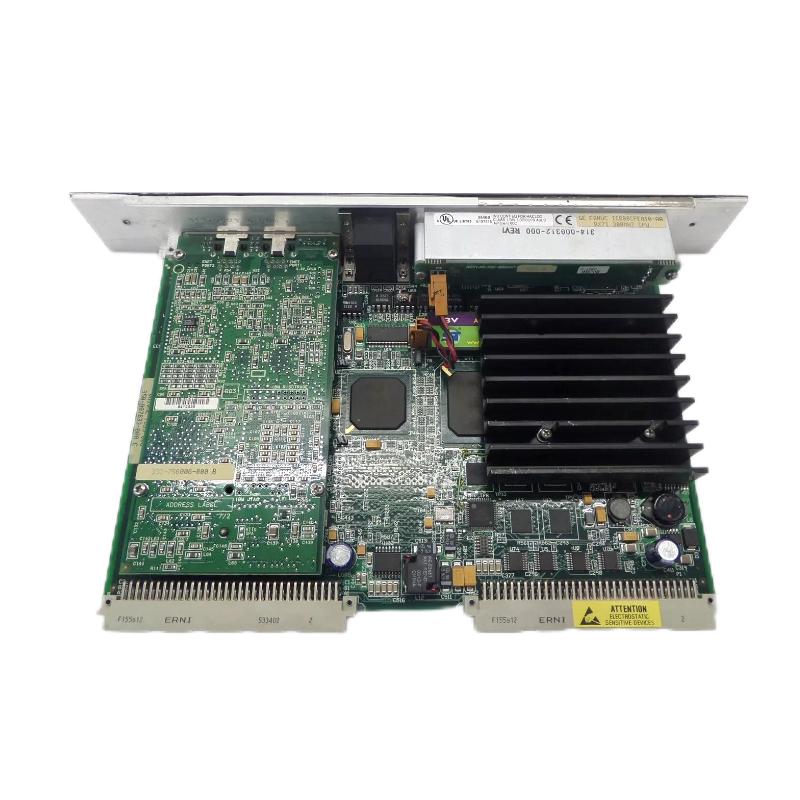
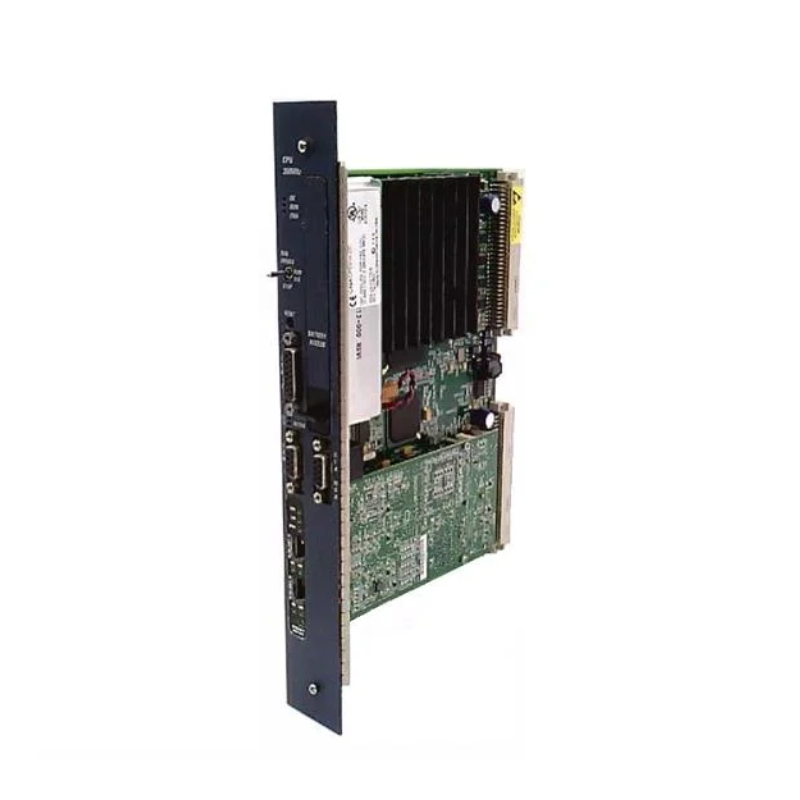
The GE IC698CPE010 is a rack-mounted CPU Module designed for the PACSystems RX7i programmable automation controller platform. As the primary processing unit within the system, this module manages control logic execution, coordinates communication between field devices and I/O modules, and supports advanced automation strategies in complex industrial environments.
Equipped with a powerful processor and flexible networking capabilities, the IC698CPE010 enables reliable real-time control and efficient data processing. It integrates seamlessly with RX7i backplane architecture and supports multiple industrial communication protocols, making it suitable for large-scale automation systems where stability and performance are critical.
Its design supports long-term continuous operation and provides engineers with a reliable solution for demanding automation applications across manufacturing, energy, and process industries.
Technical Specifications
| Parameter | Specification |
|---|
| Manufacturer | GE (General Electric) |
| Model Number | IC698CPE010 |
| Product Type | CPU Module |
| Series | PACSystems RX7i |
| Processor | 300 MHz Intel Celeron |
| User Memory | 10 MB battery-backed RAM |
| Flash Memory | 10 MB non-volatile memory |
| Boolean Execution Speed | 0.33 ms per 1000 contacts |
| Maximum Program Blocks | 512 |
| Maximum Program Block Size | 128 KB |
| Discrete I/O Capacity | 32 Kbits |
| Analog I/O Capacity | 32 Kwords |
| Ethernet Ports | 2 × 10/100 Mbps RJ45 |
| Serial Ports | RS-232 and RS-485 interfaces |
| Supported Protocols | SRTP, Modbus TCP, Modbus RTU, Ethernet Global Data |
| Operating Voltage | 5–12 V DC |
| Backplane Current | Approx. 3.2–3.4 A @ 5 V DC |
| Operating Temperature | 0°C to 50°C (up to 60°C with fan tray) |
Industrial Applications
The IC698CPE010 CPU module is widely deployed in industrial automation systems that require reliable control processing and high-speed communication.
Typical use cases include:
-
Large-scale manufacturing automation systems
-
Distributed control systems (DCS)
-
Power generation and energy management plants
-
Oil and gas processing facilities
-
Water treatment and environmental monitoring systems
-
SCADA-integrated process control architectures
Its high I/O capacity and advanced networking capabilities allow it to coordinate complex plant operations efficiently.
Performance Advantages
Reliable Industrial Processing
The 300 MHz processor provides dependable execution of ladder logic and control algorithms for demanding automation tasks.
Large Memory Capacity
10 MB battery-backed RAM and 10 MB flash memory support large programs, historical data storage, and system configuration files.
Flexible Communication Interfaces
Dual Ethernet ports and serial communication channels allow integration with SCADA systems, HMIs, and external automation equipment.
High I/O Data Handling Capability
Supports up to 32 Kbits of discrete I/O and 32 Kwords of analog I/O, enabling management of extensive automation networks.
VME-Based System Architecture
Designed on the VME64 backplane standard, providing high-speed communication between controllers, I/O modules, and intelligent devices.
Technical FAQs
1. What is the main function of the IC698CPE010 CPU module?
It executes automation programs, processes data, and coordinates communication between system components.
2. Which controller platform uses this CPU?
It is designed for the PACSystems RX7i controller platform.
3. What processor does the module use?
It features a 300 MHz Intel Celeron microprocessor.
4. How much memory is available?
10 MB battery-backed RAM and 10 MB flash memory for program and data storage.
5. How many Ethernet ports are included?
Two integrated 10/100 Mbps Ethernet ports.
6. What communication protocols are supported?
Protocols include SRTP, Modbus TCP, Modbus RTU, and Ethernet Global Data.
7. How many program blocks can it store?
Up to 512 program blocks with a maximum size of 128 KB each.
8. Can it support large I/O networks?
Yes, it supports 32 Kbits discrete and 32 Kwords analog I/O capacity.
9. What programming languages are supported?
Ladder Diagram, Structured Text, Function Block Diagram, and C language.
10. Which configuration software is typically used?
It is commonly configured using industrial PLC programming software designed for PACSystems platforms.
 A DCS Q Co., Ltd. - PLC and DCS Industrial Control Equipment Wholesale