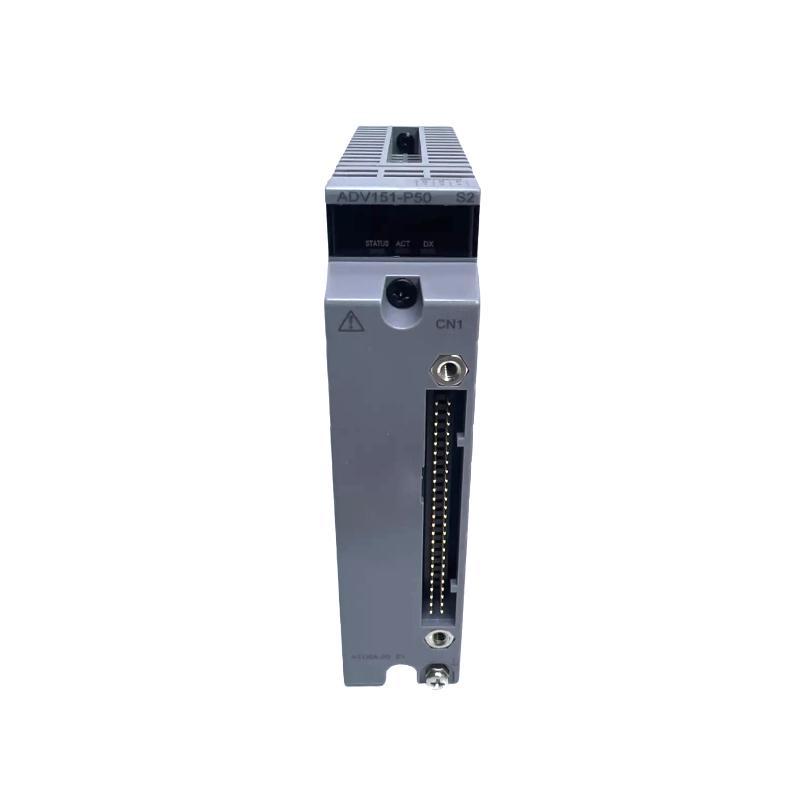
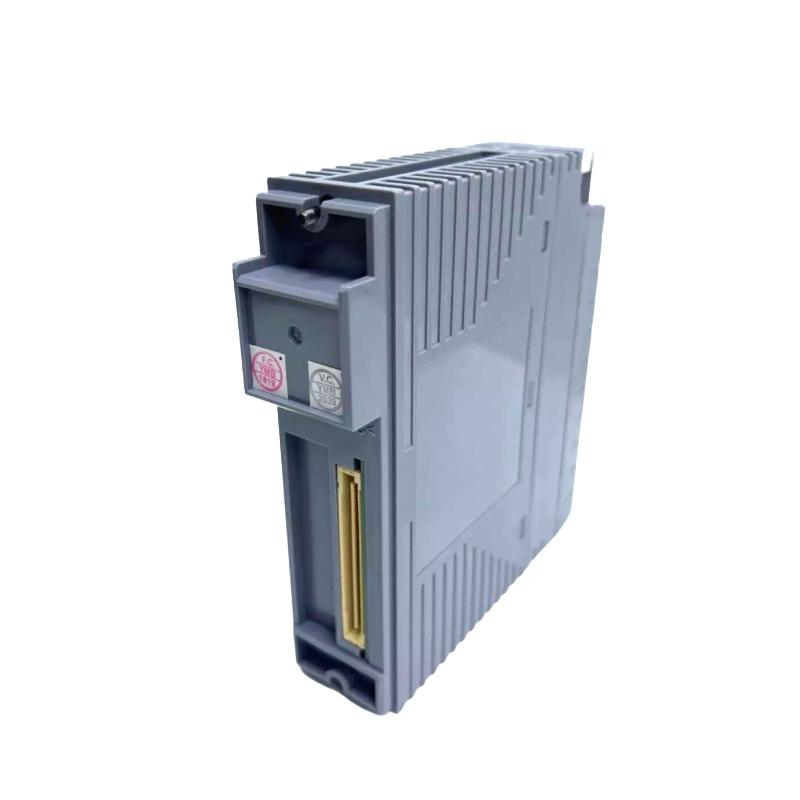
Product Introduction
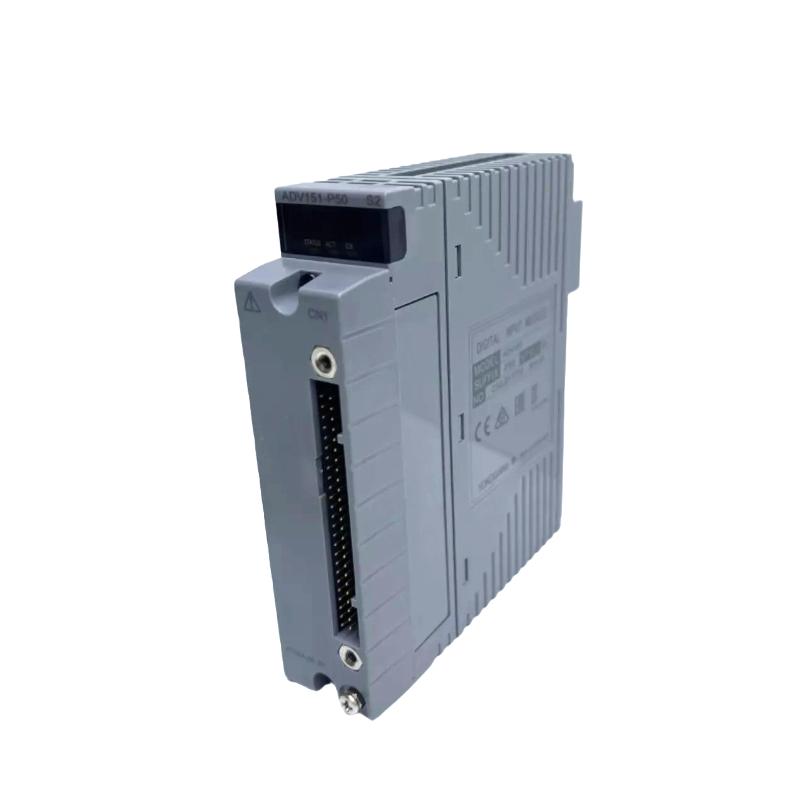
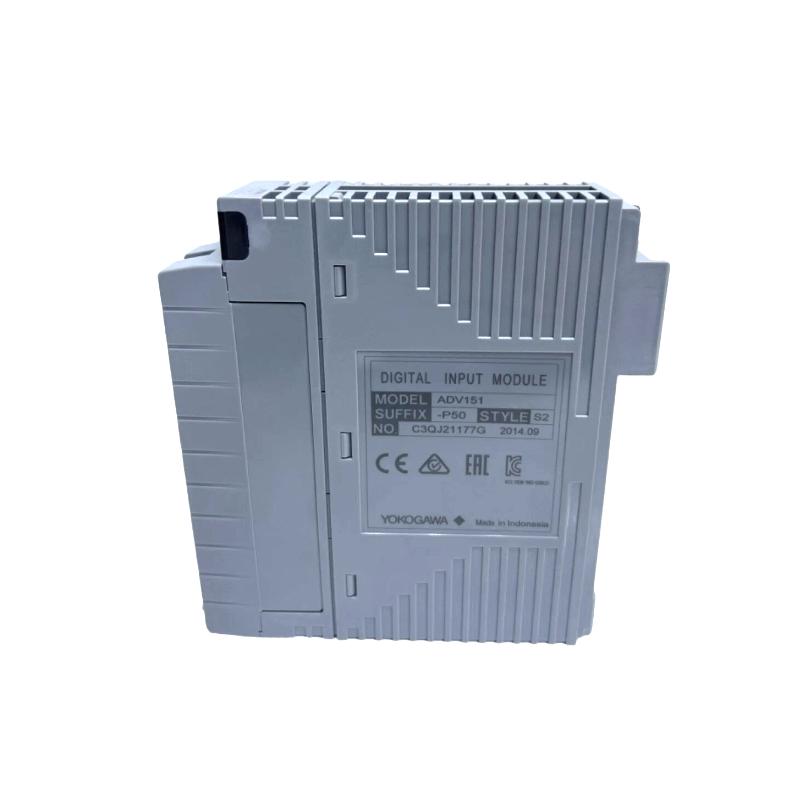
The Yokogawa ADV151-P50 S1 Numeric Input Module is an industrial I/O interface component designed to capture digital signals from field devices within a distributed control system. In large automation environments, numerous sensors and switches generate discrete signals that represent equipment conditions or process events.
This module continuously scans its input channels to detect changes in signal states. Once detected, these signals are transmitted to the control processor, allowing the automation system to respond appropriately through control logic or operator notifications.
By enabling reliable digital signal acquisition, the module supports efficient process monitoring, automated control, and safe plant operation.
Technical Specifications
| Parameter | Specification |
|---|
| Manufacturer | Yokogawa |
| Model | ADV151-P50 S1 |
| Module Type | Numeric Input Module |
| Function | Digital signal acquisition from field devices |
| Application | Distributed control systems and industrial automation |
| Installation | I/O rack or control cabinet mounting |
| Dimensions | 107.5 mm × 130 mm × 32.8 mm |
| Weight | 0.3 kg (0.66 lb) |
Typical Deployment in Industrial Control Environments
The Yokogawa ADV151-P50 S1 Numeric Input Module is engineered to collect discrete digital signals from field devices and deliver them to a distributed control system (DCS) for processing. Within modern automation infrastructures, digital input modules are essential for monitoring machine status, detecting alarms, and enabling automated responses to field events.
This module is installed within an I/O rack where it continuously scans connected input channels. Each channel receives a signal representing the operational condition of a connected device, allowing the control system to monitor processes in real time.
Industries that commonly use such modules include:
-
Oil and gas processing plants for equipment status monitoring
-
Power generation facilities for turbine and auxiliary system signals
-
Chemical manufacturing plants for safety and alarm signal acquisition
-
Automated production lines for machine condition monitoring
-
Water and wastewater treatment systems for operational status detection
Reliable digital signal acquisition allows control systems to maintain efficient process operation and ensure quick responses to abnormal conditions.
Engineering Advantages
Stable Digital Signal Acquisition
The module captures discrete signals from field devices with reliable accuracy, ensuring dependable process monitoring.
Integration with Yokogawa DCS Platforms
It is designed to operate within Yokogawa distributed control systems, enabling smooth integration with other control components.
Rapid Response to Signal Changes
The module detects input state transitions quickly, allowing controllers to execute timely control actions.
Compact Control Cabinet Installation
Its streamlined design allows efficient installation in control racks with multiple I/O modules.
Reliable Continuous Operation
Built for industrial environments, the module supports long-term operation in automation systems that run 24/7.
Technical FAQs
1. What is the main function of the ADV151-P50 S1 numeric input module?
It receives discrete digital signals from field devices and communicates their status to the distributed control system.
2. What types of signals does the module process?
It processes binary signals representing states such as ON/OFF, OPEN/CLOSED, or ACTIVE/INACTIVE.
3. What devices typically connect to this module?
Limit switches, relay contacts, push buttons, safety switches, and other discrete-output devices.
4. How does the module interact with the control system?
It converts incoming electrical signals into digital data that the control processor can interpret.
5. Why are digital input modules important in automation systems?
They provide real-time visibility into equipment status and operational events across the plant.
6. Can the module detect rapid state changes from field devices?
Yes, it is designed to respond quickly to changes in digital input signals.
7. What happens if a signal becomes unstable or disconnected?
The control system may detect the abnormal condition and generate a diagnostic alarm.
8. Can the module monitor multiple input channels simultaneously?
Yes, digital input modules typically support several channels to monitor multiple devices at once.
9. How does the module contribute to safety monitoring?
It can receive signals from emergency switches and protective systems, allowing the control system to respond immediately.
10. Why is reliable digital signal monitoring critical in industrial plants?
Accurate signal detection ensures controllers receive correct information about equipment states, enabling safe and efficient operations.
 A DCS Q Co., Ltd. - PLC and DCS Industrial Control Equipment Wholesale