Product Introduction
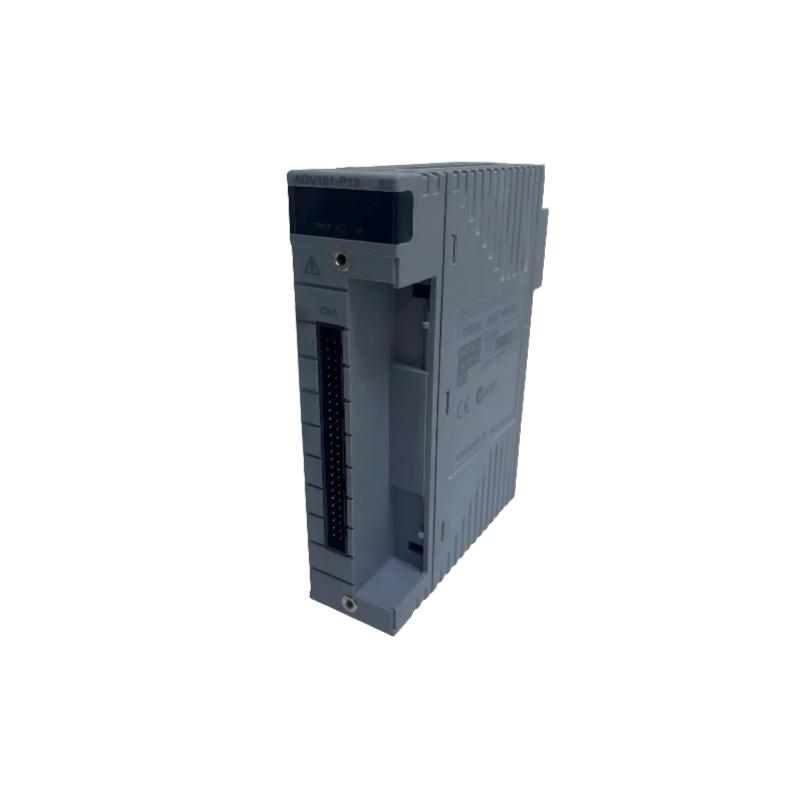
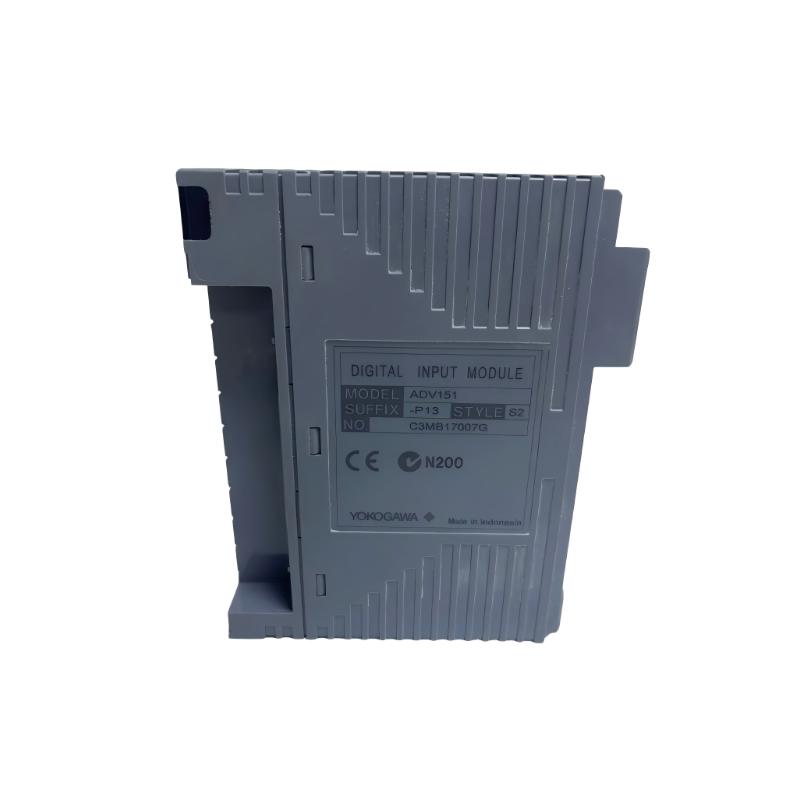
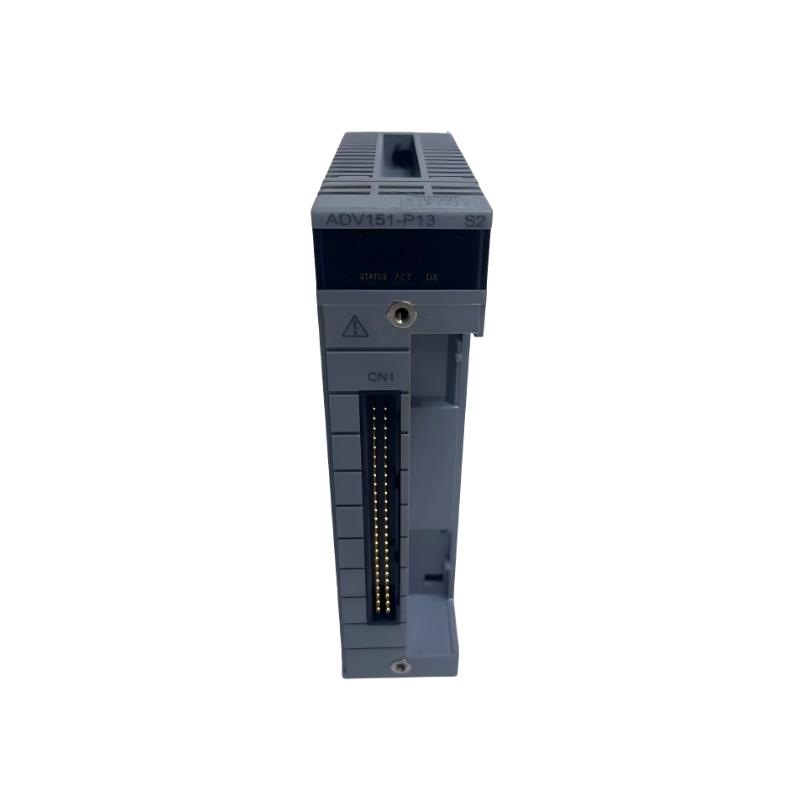
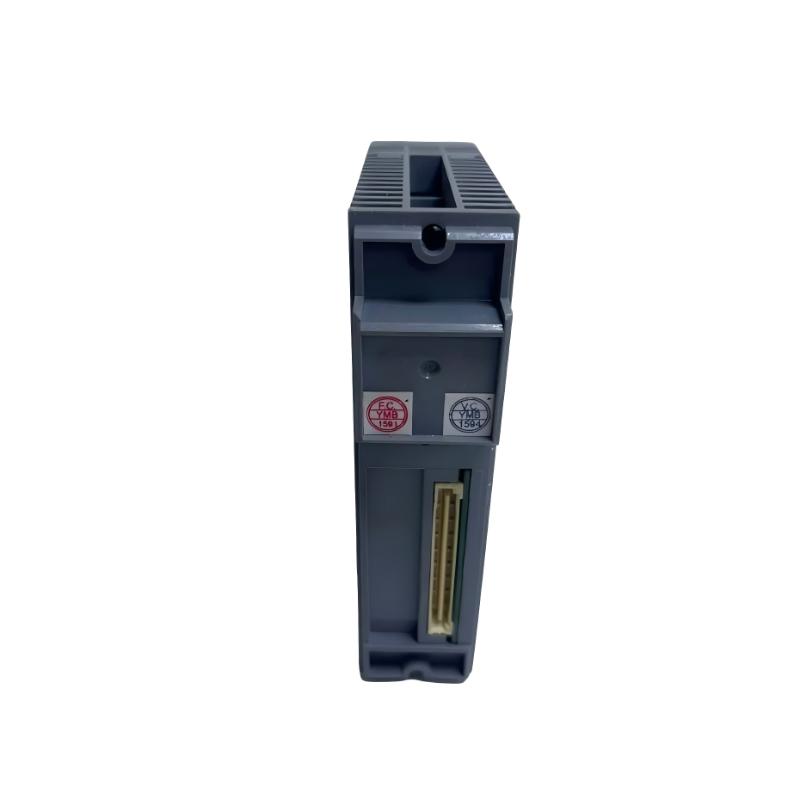
The Yokogawa ADV151-P13 S2 Numeric Input Module is an industrial I/O interface component used in distributed control systems to collect digital signals from field devices. In modern industrial plants, numerous sensors, switches, and safety devices generate discrete signals that must be monitored continuously by the control system.
The module receives these signals and converts them into structured digital data that can be interpreted by the automation controller. By providing accurate real-time status information, the module enables operators and automated control logic to detect events, trigger alarms, and manage equipment operation.
Because industrial automation systems require reliable and continuous monitoring, digital input modules like the ADV151-P13 S2 are essential components in maintaining stable plant operations.
Technical Specifications
| Parameter | Specification |
|---|
| Manufacturer | Yokogawa |
| Model | ADV151-P13 S2 |
| Module Type | Numeric Input Module |
| Function | Digital signal acquisition from field devices |
| Application | Industrial automation and distributed control systems |
| Installation | I/O rack or control cabinet mounting |
| Dimensions | 107.5 mm × 130 mm × 32.8 mm |
| Weight | 0.3 kg (0.66 lb) |
Where This Module Is Commonly Implemented
The Yokogawa ADV151-P13 S2 Numeric Input Module is developed to acquire discrete digital signals from field devices and transmit them to the distributed control system for monitoring and logic processing. In large industrial automation environments, digital input modules are essential for capturing equipment states, alarm signals, and operational events.
Installed within the I/O rack of an automation system, this module continuously monitors incoming signals from switches, relays, and other digital-output devices. These signals represent equipment conditions that the control system uses to make operational decisions.
Common industrial applications include:
-
Equipment status monitoring in chemical processing plants
-
Alarm and interlock signal acquisition in oil and gas facilities
-
Machine operation monitoring in manufacturing production lines
-
Safety system signal detection in industrial plants
-
Process event monitoring in power generation control systems
Accurate acquisition of digital signals allows automation systems to respond quickly and maintain safe plant operation.
Advantages for Control System Integration
Reliable Digital Signal Monitoring
The module captures discrete input signals from various field devices with stable accuracy.
Seamless Integration with Yokogawa Control Platforms
It is designed to operate within Yokogawa distributed control architectures, enabling efficient system configuration.
Fast Response to Equipment State Changes
Rapid detection of signal transitions ensures controllers can respond immediately to operational events.
Compact Industrial Module Design
Its slim form factor allows efficient use of cabinet space in high-density automation racks.
Continuous Operational Reliability
The module supports long-term operation in industrial facilities where control systems run continuously.
Technical FAQs
1. What is the main function of the ADV151-P13 S2 numeric input module?
It receives digital signals from field devices and transfers the signal status to the control system.
2. What types of devices typically connect to this module?
Limit switches, push buttons, relay contacts, safety switches, and other digital-output field devices.
3. What type of signals does the module process?
It processes discrete binary signals such as ON/OFF, OPEN/CLOSED, or TRUE/FALSE states.
4. Why are digital input modules essential in distributed control systems?
They allow controllers to monitor machine conditions and detect operational events from field equipment.
5. How does the module communicate with the control processor?
It converts incoming electrical signals into digital data transmitted through the system communication infrastructure.
6. Can the module detect rapid signal transitions?
Yes, it is designed to respond quickly to state changes in connected field devices.
7. What happens if a signal line becomes disconnected?
The control system may generate diagnostic alerts indicating abnormal input conditions.
8. How does the module contribute to plant safety?
It can receive signals from safety devices and emergency systems, allowing immediate system responses.
9. Can multiple input channels be monitored simultaneously?
Yes, digital input modules typically monitor several channels at the same time.
10. Why is reliable digital signal acquisition important in industrial automation?
Accurate signal monitoring ensures that controllers receive correct equipment status information, enabling safe and efficient process control.
 A DCS Q Co., Ltd. - PLC and DCS Industrial Control Equipment Wholesale











