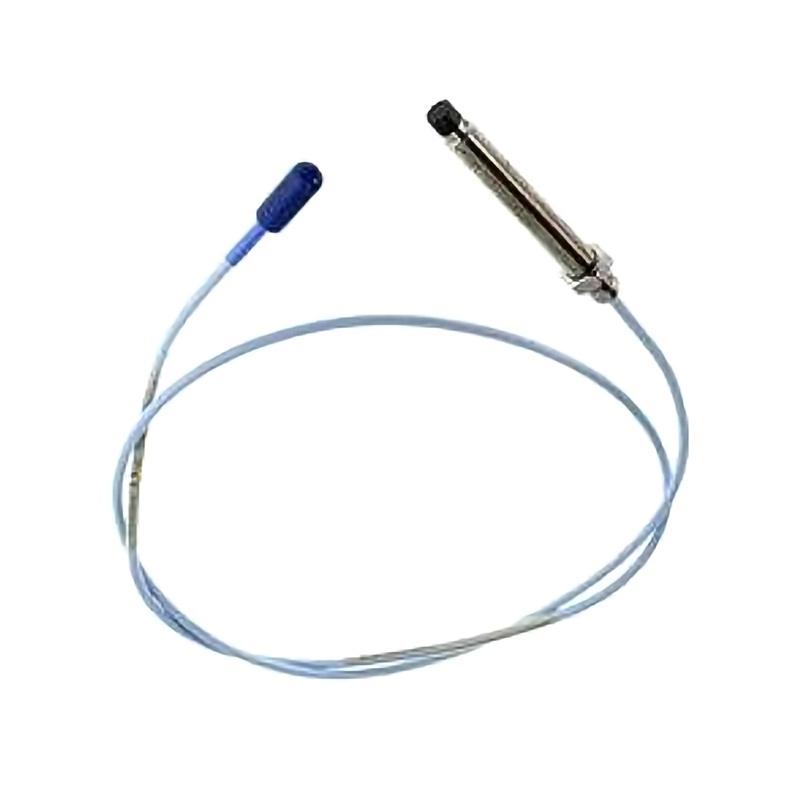
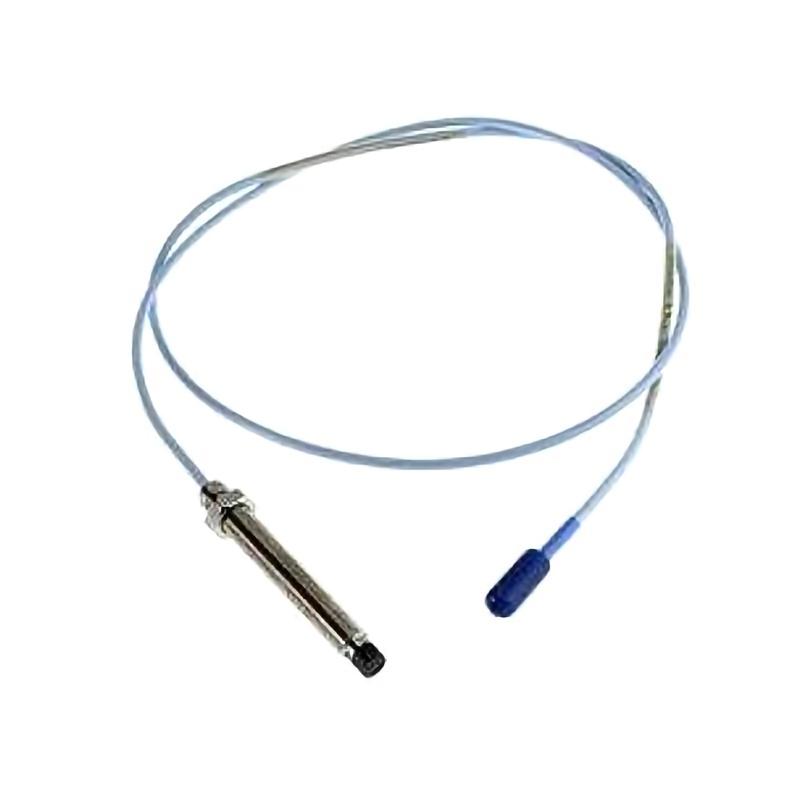
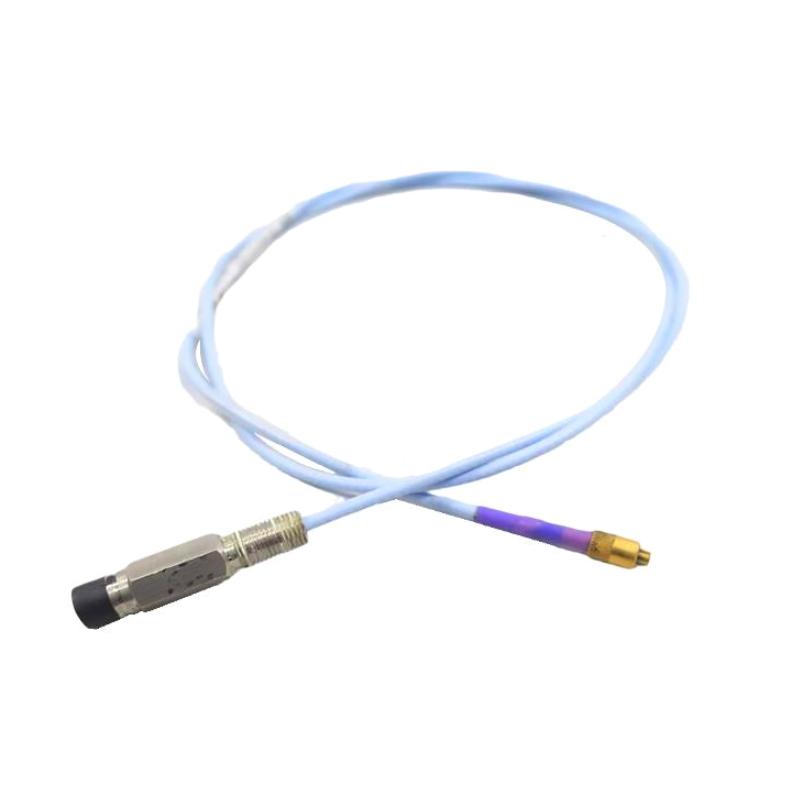
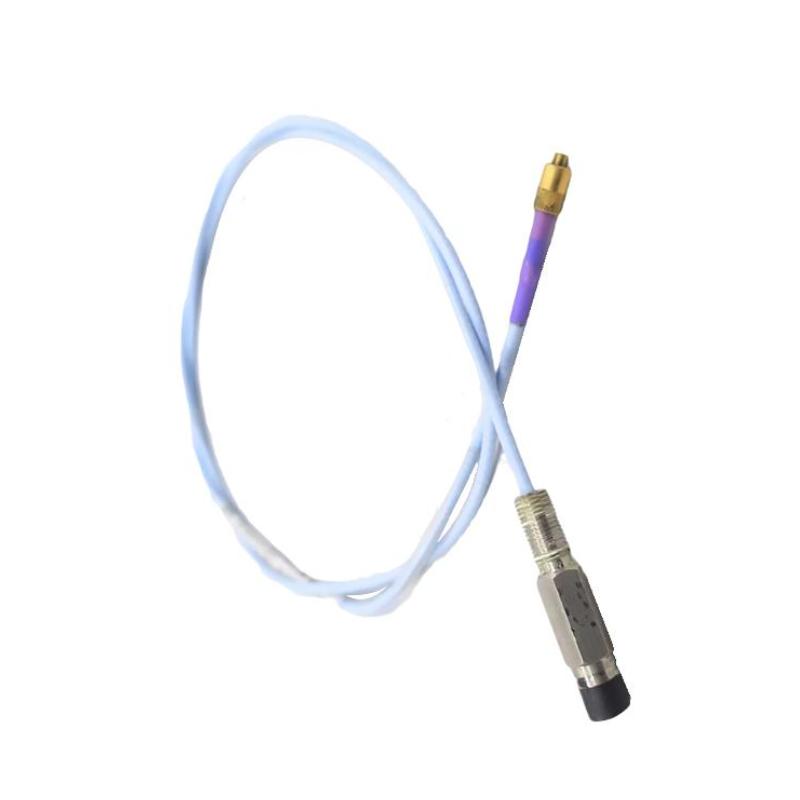
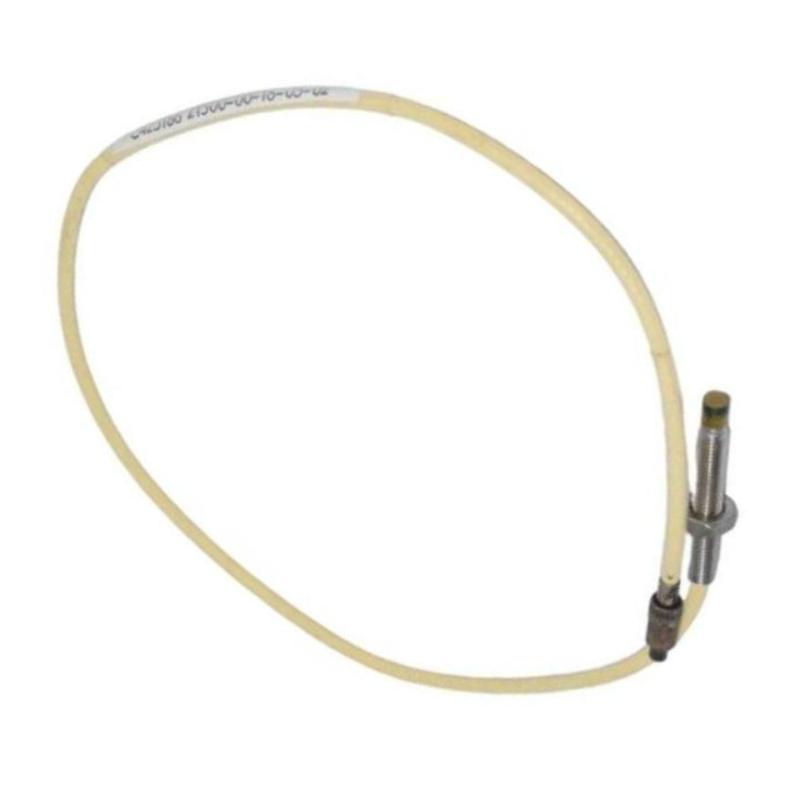
Brand:Bently Nevada PLC Item No.:130539-17 Product Origin:USA Product Dimensions:Cable Length: 17 ft Product Weight:Shipping Weight: 3kg Payment:T/T, Western Union, Credit Card Goods_stock:15 Shipping Port:Xiamen, China Lead Time:1-3 Days Condition:Brand New And Original Warranty:1 Year Certificate:COO Evaluation:
The Bently Nevada 130539-17 Interconnecting Cable is an industrial cable designed for use within machinery monitoring and protection systems. These systems rely on accurate communication between sensors, monitoring modules, and processing units to analyze equipment condition.
Interconnecting cables provide the essential electrical pathways that allow system components to exchange information. Without stable connections, monitoring systems cannot reliably interpret vibration signals or machine operating conditions.
This cable is designed to meet the requirements of industrial monitoring installations, where reliability, durability, and signal integrity are essential for maintaining effective condition monitoring and machinery protection.
Technical Specifications
Parameter
Specification
Manufacturer
Bently Nevada
Model
130539-17
Component Type
Interconnecting Cable
Application
Machinery monitoring and protection systems
Cable Length
17 ft
Installation
Monitoring rack and control cabinet wiring
Function
Signal and system communication connection
Dimensions
Cable length: 17 ft
Weight
3 kg (6.61 lb)
Typical Integration Scenarios in Machinery Monitoring Systems
The Bently Nevada 130539-17 Interconnecting Cable is designed to provide stable electrical connections between components within industrial machinery monitoring systems. In large-scale condition monitoring installations, multiple modules, sensors, and control units must communicate with each other through reliable wiring infrastructure.
Interconnecting cables play a critical role in linking monitoring modules, signal processors, and rack-mounted components within vibration monitoring platforms. Proper cable connectivity ensures that sensor data and control signals are transmitted accurately between different elements of the monitoring architecture.
Typical industrial environments where these cables are used include:
Turbine monitoring systems in power generation plants
Compressor protection systems in oil and gas facilities
Pump vibration monitoring in chemical processing plants
Electric motor condition monitoring in manufacturing industries
Rotating equipment diagnostics in mining and heavy industrial facilities
Reliable interconnection between monitoring components is essential for maintaining accurate machinery condition analysis and equipment protection.
Operational Advantages for Monitoring Infrastructure
Reliable Signal Connectivity
The cable ensures stable communication between monitoring system modules and connected devices.
Compatibility with Machinery Monitoring Platforms
It is designed to support integration within industrial vibration monitoring systems.
Extended Installation Flexibility
The 17 ft cable length allows flexible routing between rack components and monitoring equipment.
Industrial-Grade Construction
The cable is engineered for operation in environments with vibration, temperature changes, and electrical interference.
Improved System Organization
Using dedicated interconnecting cables simplifies system wiring and maintenance in complex monitoring installations.
Technical FAQs
1. What is the main purpose of the 130539-17 interconnecting cable?
It connects different modules and components within machinery monitoring systems.
2. What is the cable length of this model?
The cable length is 17 feet.
3. Why are interconnecting cables important in monitoring systems?
They allow modules and sensors to communicate reliably, ensuring accurate system operation.
4. What types of systems typically use these cables?
They are commonly used in vibration monitoring and machinery protection systems.
5. Can cable quality affect monitoring performance?
Yes. Properly designed cables maintain signal integrity and reduce interference.
6. Are these cables suitable for continuous operation environments?
Yes. They are designed for long-term installation in continuously operating monitoring systems.
7. How does shielding benefit industrial cables?
Shielding helps reduce electromagnetic interference that may affect signal transmission.
8. What happens if an interconnecting cable fails?
Communication between system modules may be interrupted, affecting monitoring accuracy.
9. Can the cable be installed in control cabinets?
Yes. It is typically routed inside monitoring racks or control panels.
10. Why is reliable wiring important in turbine monitoring systems?
Stable connections ensure accurate transmission of vibration data required for machinery protection.
 A DCS Q Co., Ltd. - PLC and DCS Industrial Control Equipment Wholesale