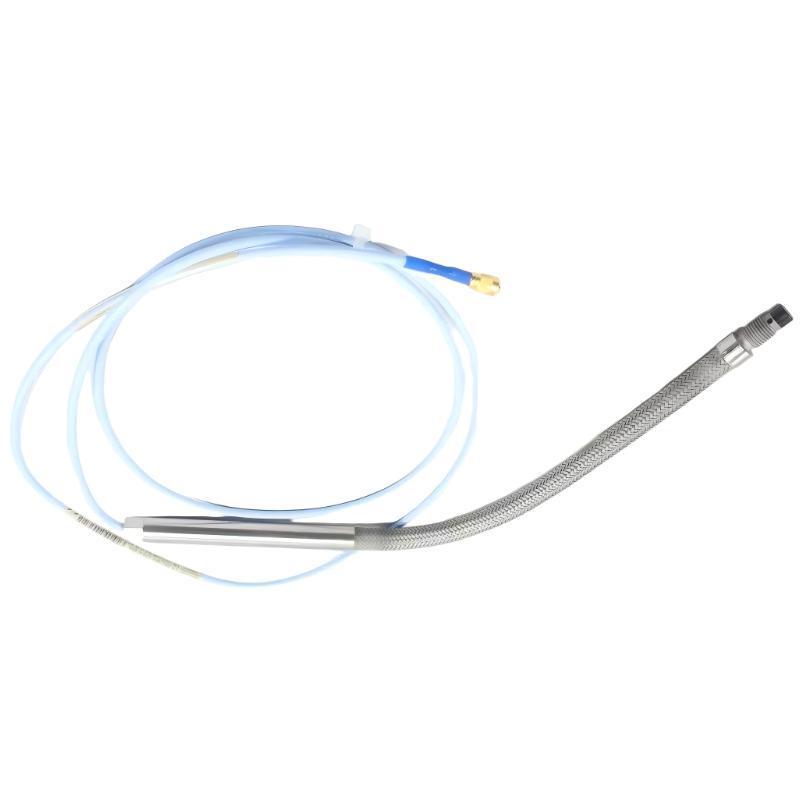
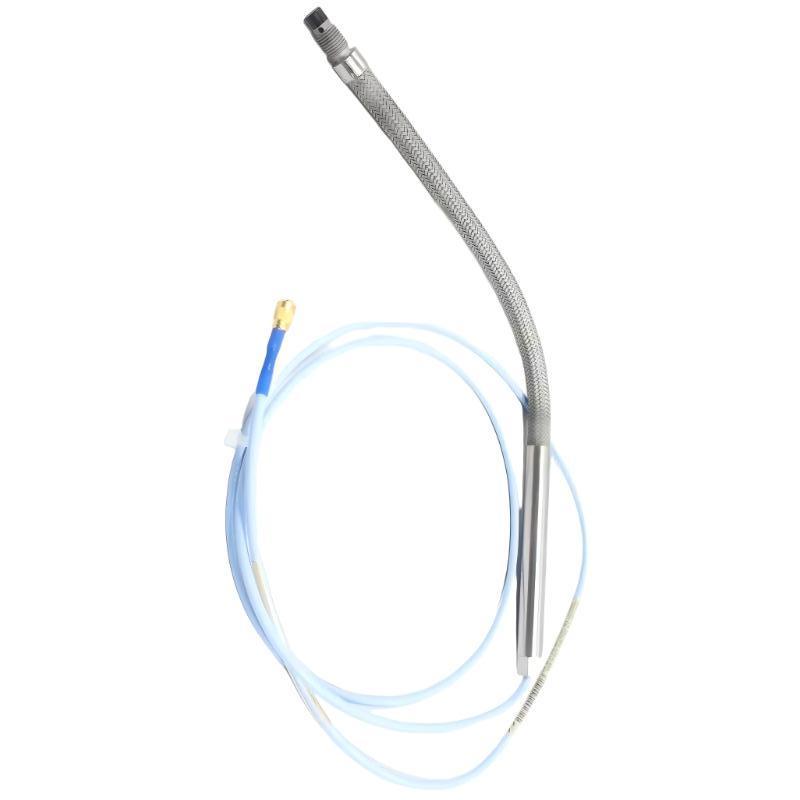
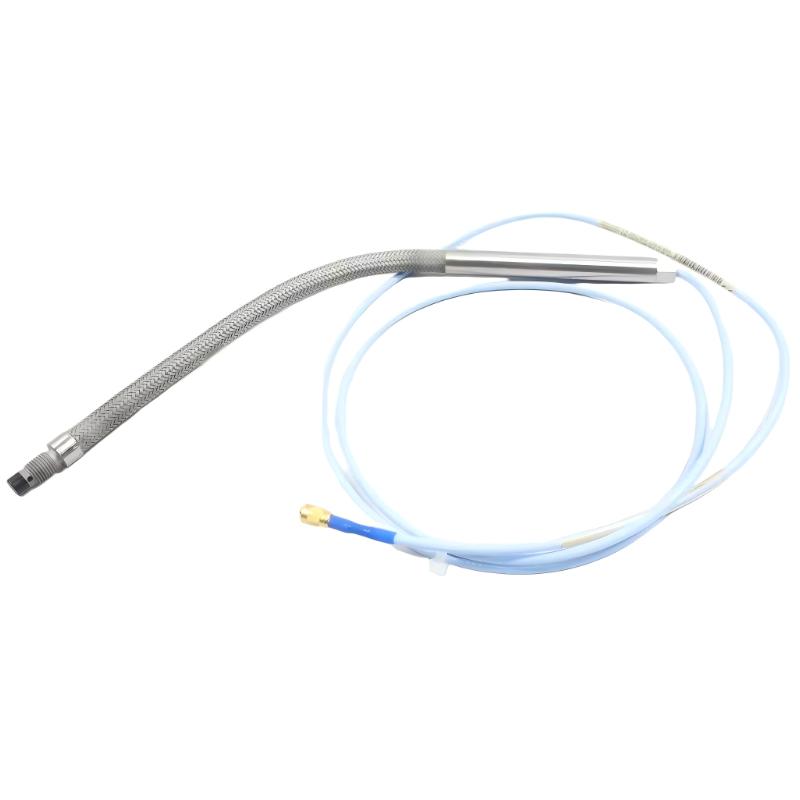
Product Overview
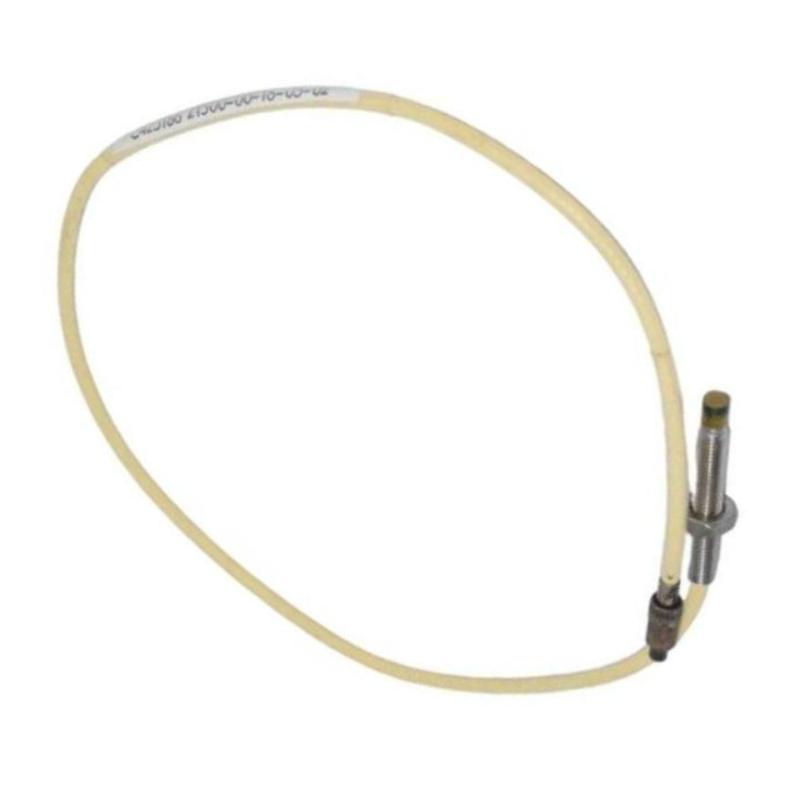
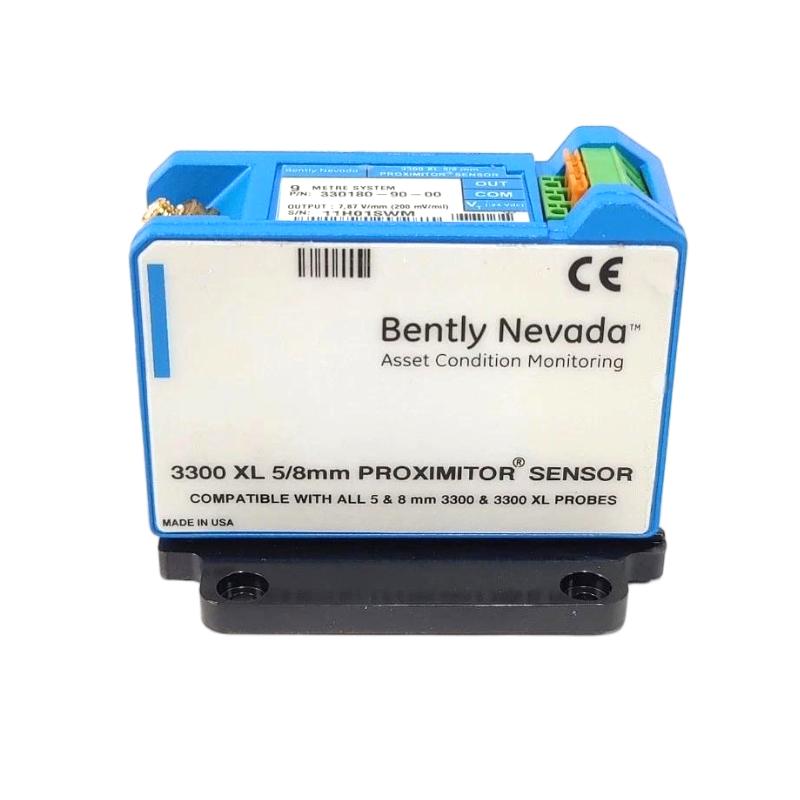
The Bently Nevada 129716-126-040-15-05 3300 XL Proximity Sensor is a high-precision sensing device used in industrial machinery monitoring systems to measure shaft displacement. It plays an essential role in vibration analysis and machine protection strategies.
Using eddy current sensing technology, the probe detects the distance between the sensor tip and the rotating shaft without physical contact. As the shaft vibrates or shifts position, the sensor converts these movements into electrical signals.
These signals are transmitted to monitoring modules that analyze machine behavior, helping operators understand equipment health and performance. In facilities where continuous operation is critical, proximity sensors provide valuable data that supports predictive maintenance and safe machine operation.
Technical Specifications
| Parameter | Specification |
|---|
| Manufacturer | Bently Nevada |
| Model | 129716-126-040-15-05 |
| Series | 3300 XL |
| Device Type | Proximity Sensor |
| Measurement Principle | Eddy current non-contact sensing |
| Sensor Head Diameter | 8 mm |
| Application | Shaft displacement and vibration monitoring |
| Installation | Machinery protection and condition monitoring systems |
| Dimensions | Sensor Head Diameter: 8 mm |
| Weight | 3 kg (6.61 lb) |
Deployment in Critical Machinery Monitoring Systems
The Bently Nevada 129716-126-040-15-05 3300 XL Proximity Sensor is engineered for precise shaft displacement and vibration measurement in industrial rotating equipment. As part of a machine protection architecture, this proximity sensor provides essential data used to monitor the mechanical condition of turbines, compressors, pumps, and other high-value rotating assets.
Positioned near the shaft surface, the sensor detects microscopic changes in distance between the probe tip and the conductive shaft. These changes correspond to shaft vibration or displacement during operation. The generated signal is then processed by monitoring systems to evaluate machine stability and operating conditions.
Typical industrial deployments include:
-
Gas and steam turbine monitoring in power generation plants
-
Compressor protection systems in petrochemical facilities
-
Pump shaft vibration monitoring in chemical processing plants
-
Motor shaft position measurement in manufacturing operations
-
Gear-driven rotating equipment monitoring in mining and heavy industries
Continuous shaft monitoring is essential in these environments because even small mechanical deviations can lead to severe equipment damage if left undetected.
Engineering Benefits for Reliability and Predictive Maintenance
Non-Contact Displacement Measurement
The probe measures shaft movement without touching the rotating component, eliminating wear and maintaining long-term measurement stability.
High Sensitivity Detection
The sensor captures very small changes in shaft position, allowing early identification of mechanical abnormalities.
Continuous Condition Monitoring
It is designed for permanent installation within machinery monitoring systems operating around the clock.
Industrial Environment Durability
The sensor construction supports operation under vibration, temperature variation, and other demanding industrial conditions.
Optimized for 3300 XL Monitoring Systems
It integrates with monitoring and protection systems built around the 3300 XL platform used in machinery protection applications.
Technical FAQs
1. What is the main function of the 129716-126-040-15-05 proximity sensor?
It measures shaft displacement and vibration in rotating machinery for condition monitoring and machine protection.
2. What sensing technology does the probe use?
The probe uses eddy current sensing technology to measure the distance between the probe tip and a conductive shaft surface.
3. Why is non-contact sensing important for rotating equipment monitoring?
Non-contact measurement eliminates mechanical friction and allows precise monitoring of high-speed rotating components.
4. What types of equipment typically use this proximity sensor?
Turbines, compressors, motors, pumps, and gearboxes commonly use proximity sensors for vibration and displacement monitoring.
5. What mechanical faults can be detected using this sensor?
The sensor helps identify imbalance, shaft misalignment, bearing wear, looseness, and rotor instability.
6. Where should the proximity sensor be installed?
It is usually mounted near a bearing housing or close to the rotating shaft to measure radial or axial movement.
7. How does the sensor support predictive maintenance programs?
By monitoring vibration trends and displacement patterns over time, engineers can detect developing faults before failure occurs.
8. Can the sensor operate continuously in industrial plants?
Yes. It is designed for long-term continuous monitoring within machine protection systems.
9. What happens if abnormal vibration is detected?
Monitoring systems can trigger alarms or initiate automated shutdown procedures to prevent equipment damage.
10. Why is shaft displacement monitoring essential in turbines and compressors?
High-speed rotating equipment is highly sensitive to mechanical instability, and early detection of abnormal movement helps prevent catastrophic failures.
 A DCS Q Co., Ltd. - PLC and DCS Industrial Control Equipment Wholesale