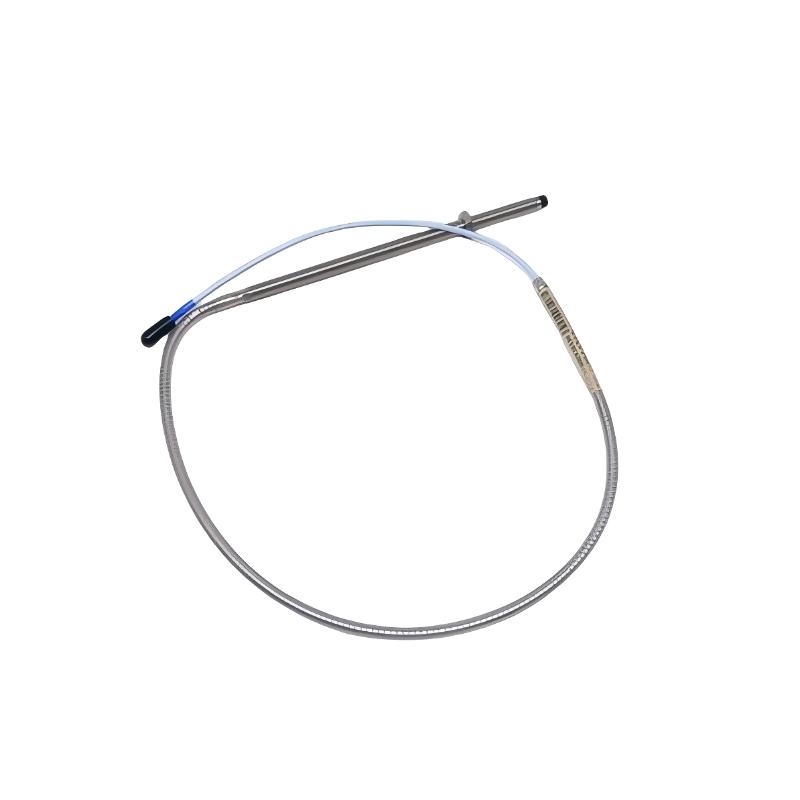
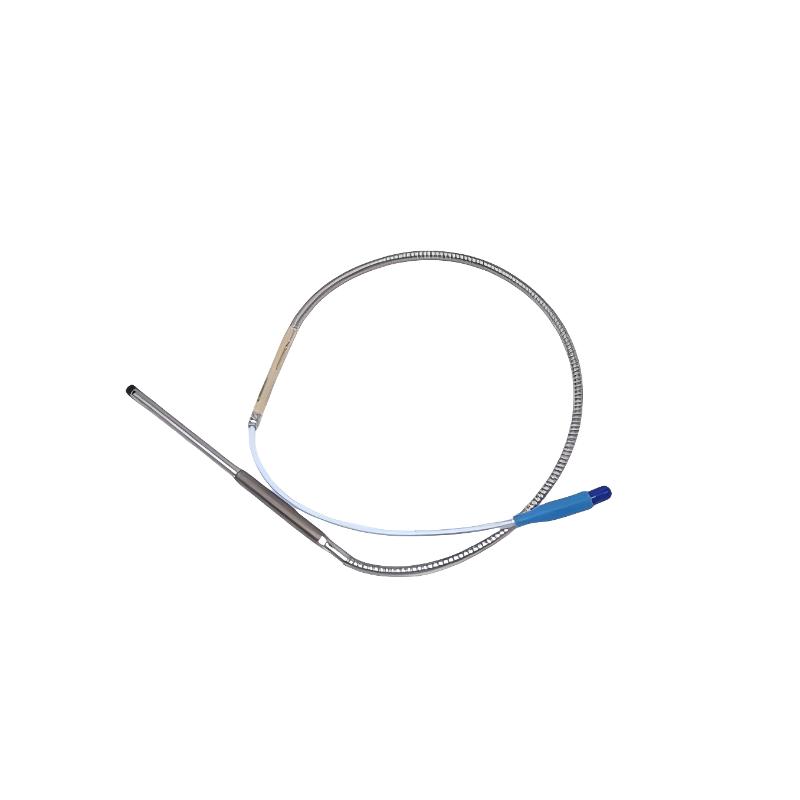
Product Introduction
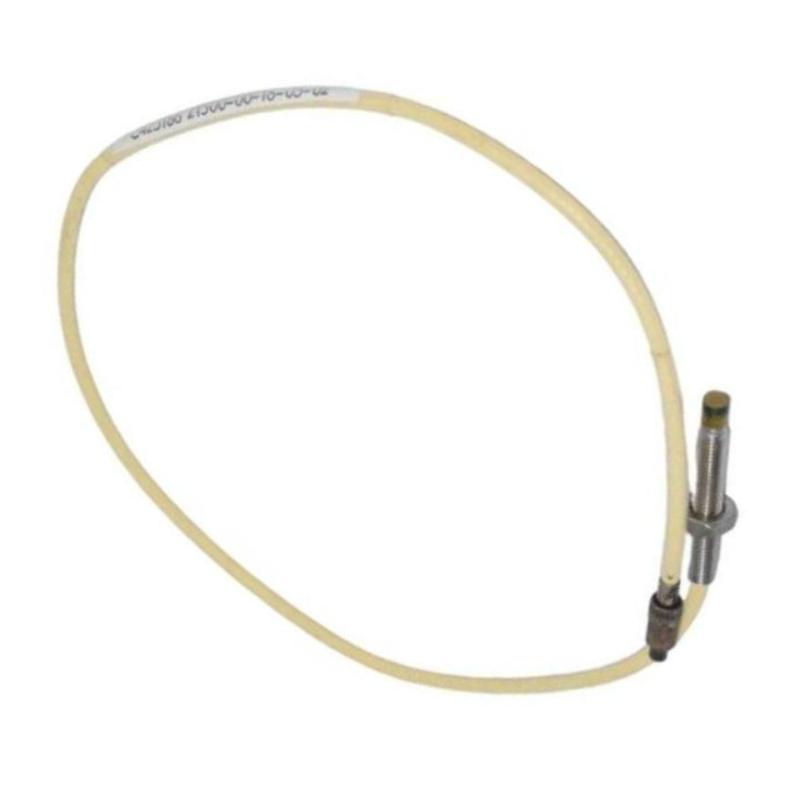
The Bently Nevada 128987-130-02-05 3300 XL 8mm Proximity Sensor Probe is an industrial sensing device used for non-contact measurement of shaft displacement in rotating equipment. It forms part of a comprehensive machinery monitoring system designed to track vibration, position, and dynamic behavior of rotating components.
By detecting minute changes in the distance between the probe tip and the shaft surface, the sensor generates electrical signals that represent shaft motion. These signals are processed by monitoring systems to analyze machine health and operating conditions.
In high-value industrial equipment where unexpected downtime can result in significant financial losses, proximity probes play a crucial role in predictive maintenance and machinery protection.
Technical Specifications
| Parameter | Specification |
|---|
| Manufacturer | Bently Nevada |
| Model | 128987-130-02-05 |
| Series | 3300 XL |
| Device Type | Proximity Sensor Probe |
| Measurement Principle | Eddy current non-contact sensing |
| Measuring Range | 8 mm |
| Application | Shaft displacement and vibration monitoring |
| Installation | Machinery monitoring system probe mounting |
| Dimensions | Standard probe configuration |
| Weight | 0.2 kg (0.44 lb) |
Typical Applications in Rotating Machinery Diagnostics
The Bently Nevada 128987-130-02-05 3300 XL 8mm Proximity Sensor Probe is designed for precise non-contact measurement of shaft displacement and position in rotating equipment. Proximity probes are essential components of machinery condition monitoring systems where continuous observation of shaft movement is required.
Installed near rotating shafts, the probe measures radial displacement and vibration by detecting changes in distance between the probe tip and the metallic shaft surface. This capability allows operators to monitor machine health and identify early signs of mechanical problems.
Typical industrial use cases include:
-
Turbine shaft vibration monitoring in power plants
-
Compressor shaft displacement measurement in oil and gas facilities
-
Motor shaft monitoring in manufacturing plants
-
Pump vibration analysis in chemical processing systems
-
High-speed rotating machinery protection systems
By enabling accurate shaft motion measurement, the probe supports predictive maintenance strategies and helps prevent equipment failures.
Engineering Advantages
Non-Contact Measurement Technology
The probe measures shaft displacement without physical contact, eliminating mechanical wear and maintaining long-term measurement stability.
High-Resolution Monitoring
It provides precise detection of small shaft movements, which is essential for early fault detection in rotating machinery.
Reliable Continuous Operation
Designed for integration with machine monitoring systems, the probe can operate continuously in industrial environments.
Compatibility with Machinery Protection Systems
The probe is part of vibration monitoring architectures used to protect critical equipment such as turbines and compressors.
Stable Measurement Range
With an 8 mm measuring range, the probe provides reliable shaft displacement monitoring for many industrial applications.
Technical FAQs
1. What is the main purpose of the 3300 XL 8mm proximity sensor probe?
It measures shaft displacement and vibration in rotating machinery using non-contact sensing technology.
2. What type of measurement principle does the probe use?
It uses eddy current sensing to detect the distance between the probe tip and the metallic shaft surface.
3. Why is non-contact measurement important for shaft monitoring?
Non-contact sensing avoids mechanical wear and allows precise measurement of high-speed rotating components.
4. What types of machinery commonly use proximity probes?
Turbines, compressors, pumps, motors, and gearboxes are commonly monitored using proximity probes.
5. What does the 8 mm measuring range indicate?
It represents the maximum displacement range within which the probe can accurately measure shaft movement.
6. How does the probe help detect mechanical faults?
Changes in shaft vibration or displacement patterns may indicate imbalance, misalignment, or bearing problems.
7. Where is the probe typically installed on machinery?
It is mounted near the shaft or bearing housing to measure radial or axial shaft movement.
8. Can the probe be used for continuous monitoring systems?
Yes. It is designed for continuous integration with machine protection and vibration monitoring systems.
9. What happens if abnormal shaft movement is detected?
Monitoring systems can trigger alarms or initiate protective actions to prevent machine damage.
10. Why are proximity probes important in turbine protection systems?
Because turbines operate at high speeds, accurate shaft monitoring is essential to detect dangerous vibration conditions early.
 A DCS Q Co., Ltd. - PLC and DCS Industrial Control Equipment Wholesale