Industrial Monitoring and Rotating Equipment Protection
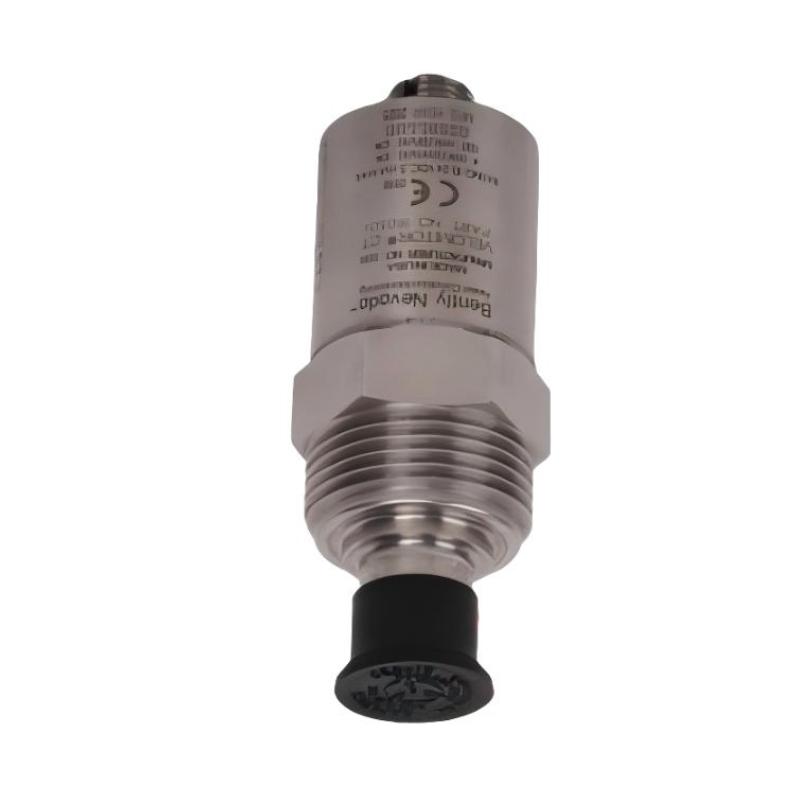
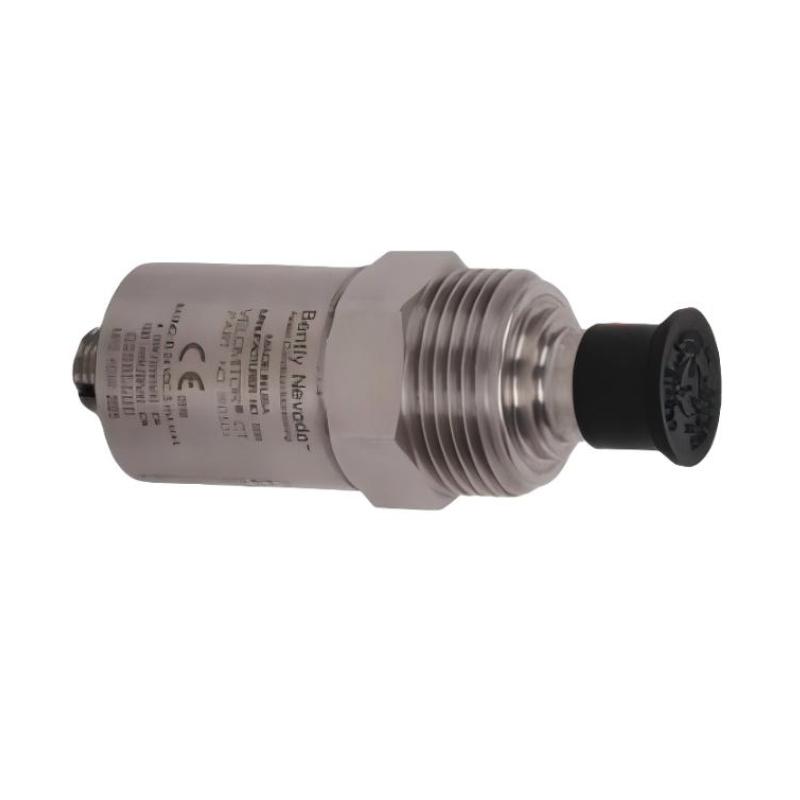
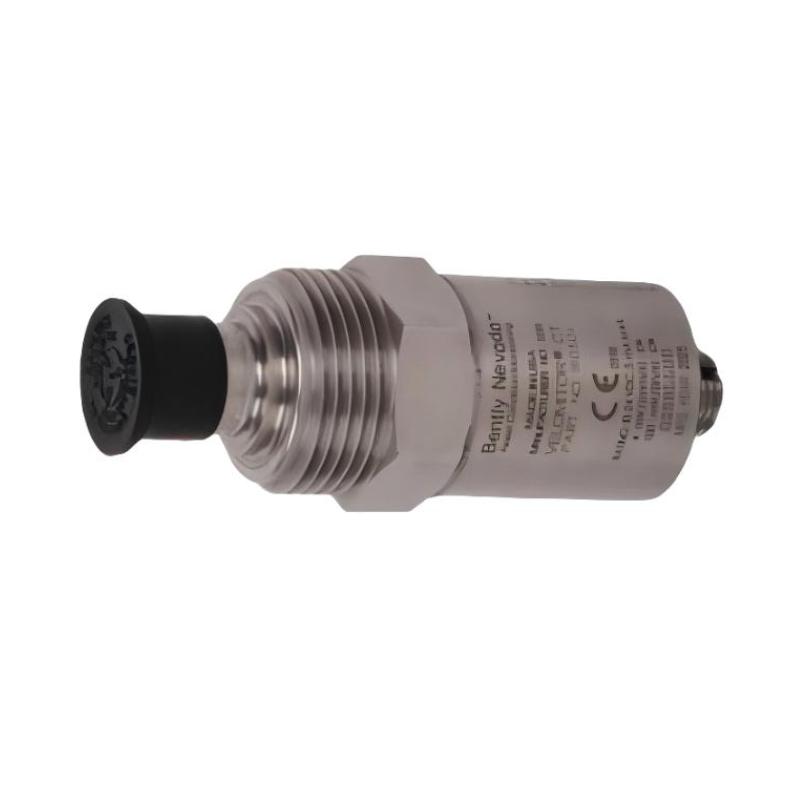
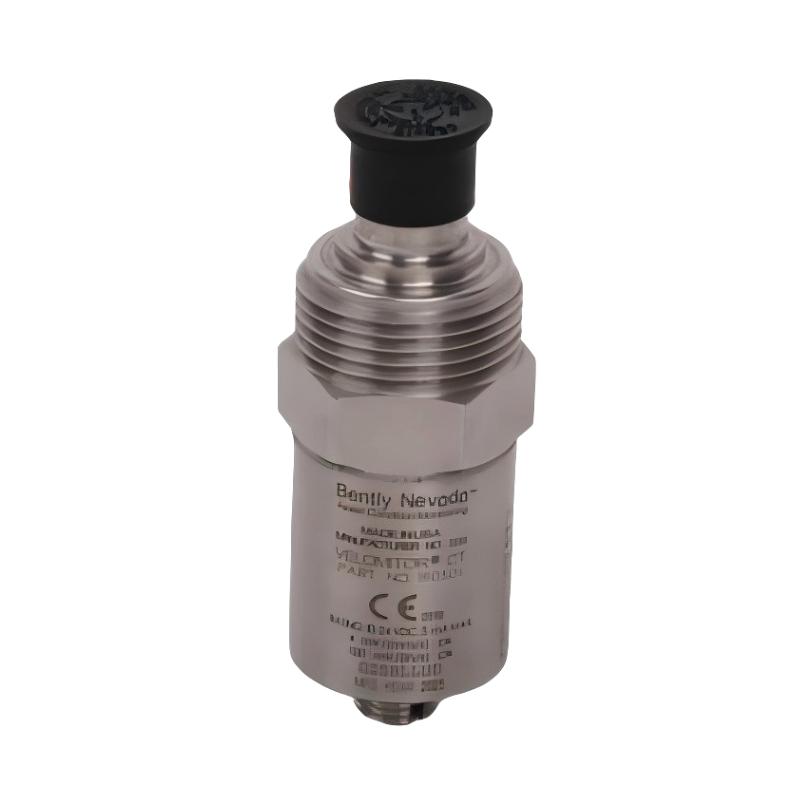
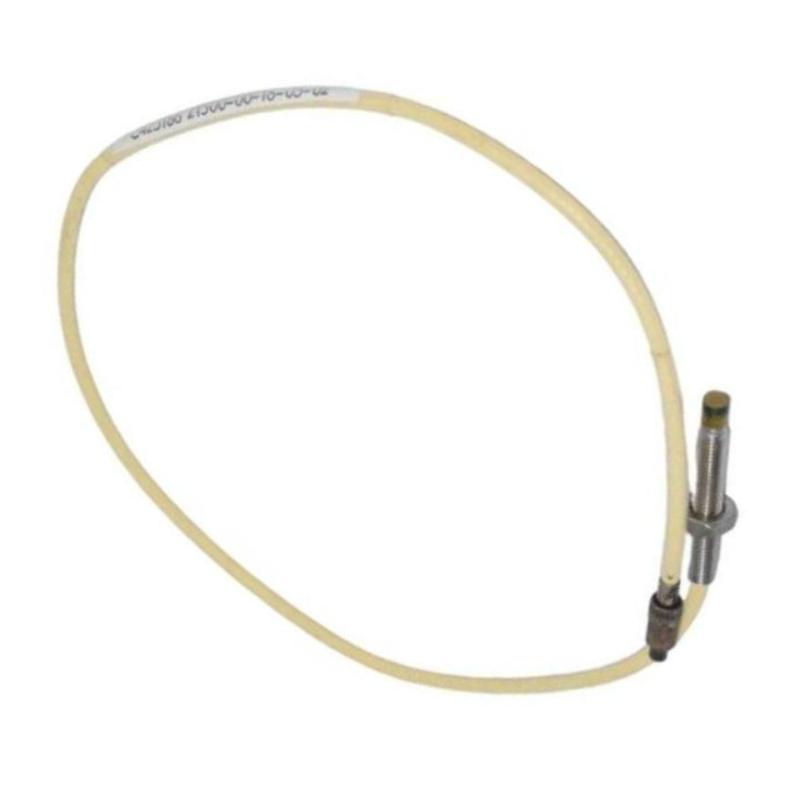
The Bently Nevada 125094-01 Vibration Sensor is engineered for precise vibration monitoring in rotating machinery. In industrial plants where equipment reliability is critical, vibration sensors play a key role in predictive maintenance and machine protection strategies.
The sensor is typically installed near rotating components such as shafts, bearings, and couplings. It continuously measures vibration characteristics that may indicate mechanical issues such as imbalance, misalignment, looseness, or bearing wear.
Common deployment environments include:
-
Steam and gas turbines in power generation facilities
-
Large industrial compressors and pumps in petrochemical plants
-
Motor-driven equipment in manufacturing plants
-
Rotating machinery in mining and heavy industry
-
Process equipment used in chemical production
By providing accurate vibration data, the sensor helps operators detect abnormal machine behavior before it develops into costly failures.
Operational Advantages for Condition Monitoring
High Sensitivity Detection
The sensor is designed to detect subtle vibration changes, enabling early identification of developing mechanical problems.
Reliable Continuous Monitoring
It operates continuously within machine monitoring systems, providing constant feedback on equipment condition.
Robust Industrial Construction
Built to withstand demanding industrial environments, the sensor maintains accuracy under vibration, temperature variations, and mechanical stress.
Compatible with Machinery Protection Systems
The sensor integrates with machine monitoring systems used for vibration analysis, alarm generation, and automated shutdown protection.
Metric Stud Mounting for Secure Installation
The M8×1 metric stud design allows stable mounting on machinery surfaces to ensure consistent vibration measurement.
Technical FAQs
1. What is the primary purpose of the 125094-01 vibration sensor?
It measures vibration levels from rotating machinery and sends the signal to monitoring systems for condition analysis and equipment protection.
2. What types of machinery are typically monitored using this sensor?
Common machines include turbines, compressors, motors, pumps, and gearboxes.
3. Why is vibration monitoring important in industrial equipment?
Vibration patterns often reveal mechanical problems early, allowing maintenance teams to correct issues before major failures occur.
4. How does the sensor detect machine vibration?
It converts mechanical vibration into electrical signals that are transmitted to monitoring or control systems.
5. What types of mechanical faults can vibration sensors help identify?
They can detect imbalance, misalignment, bearing wear, shaft defects, looseness, and resonance conditions.
6. How does the mounting method affect measurement accuracy?
Secure mounting using the M8×1 stud ensures stable contact with the machine surface, allowing accurate vibration transmission to the sensor.
7. Can this sensor operate in continuous monitoring systems?
Yes. It is designed for continuous operation in industrial machinery monitoring systems.
8. How does vibration monitoring support predictive maintenance?
By analyzing vibration trends over time, maintenance teams can predict when components may require service or replacement.
9. What happens if abnormal vibration levels are detected?
Monitoring systems can trigger alarms, notify operators, or initiate protective shutdown procedures.
10. Why are vibration sensors critical for turbine and compressor protection?
Because high-speed rotating equipment can fail rapidly if faults develop, early vibration detection helps prevent catastrophic damage.
 A DCS Q Co., Ltd. - PLC and DCS Industrial Control Equipment Wholesale