Industrial Measurement and Monitoring Applications
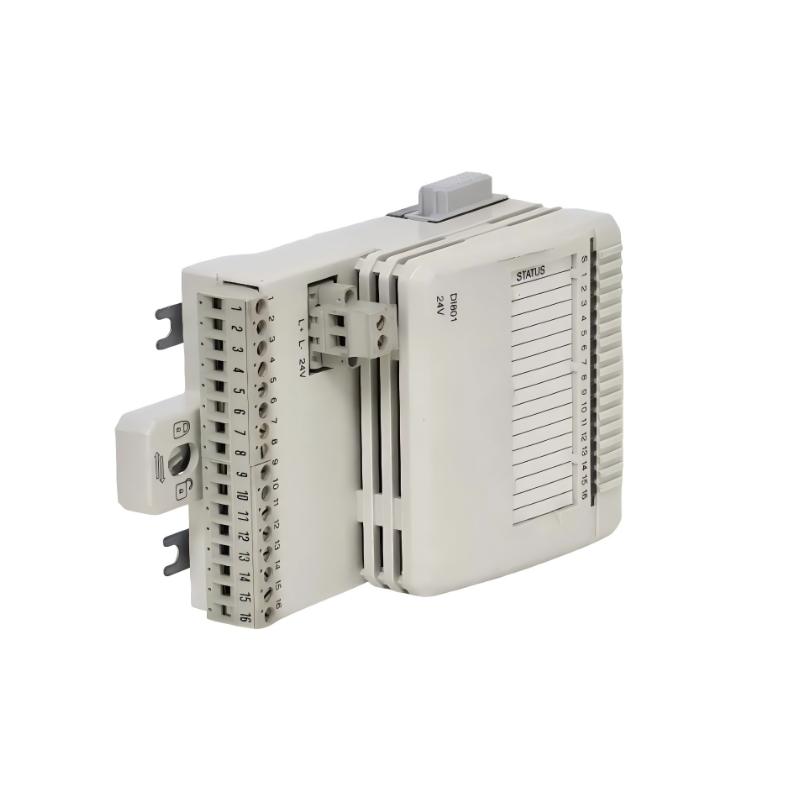
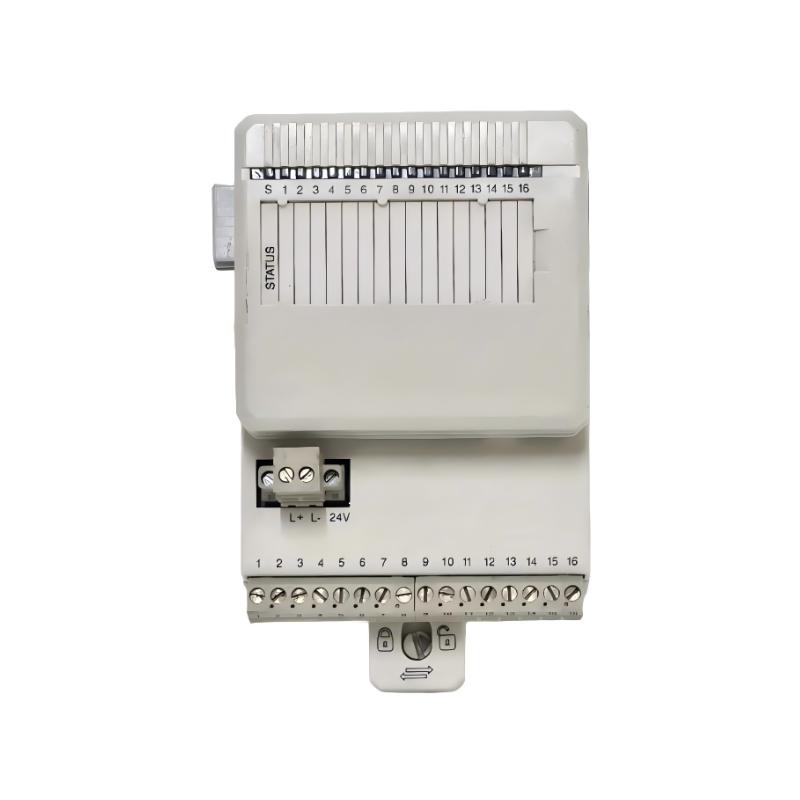
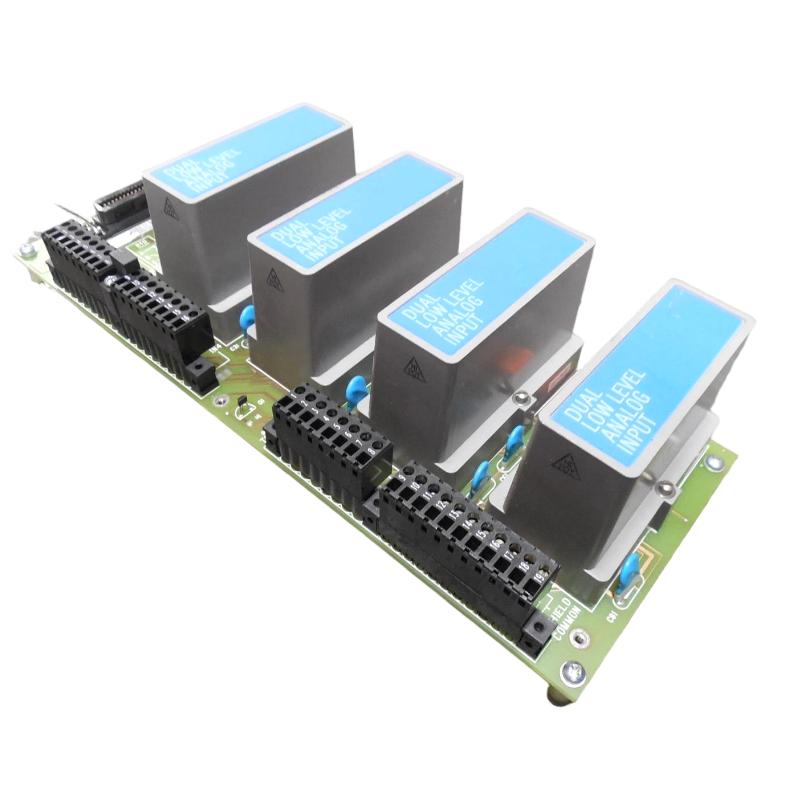
The ABB 3BSE031105R100 Analog Input Unit is designed to collect and convert analog signals from field instruments into digital data that can be processed by industrial control systems. Analog input modules are essential in automation environments where continuous process variables such as temperature, pressure, flow, or level must be monitored accurately.
This unit is commonly used in:
-
Process automation systems in chemical and petrochemical plants
-
Power generation facilities monitoring turbine and boiler parameters
-
Water and wastewater treatment plants supervising flow and level sensors
-
Pharmaceutical production lines requiring precise environmental control
-
Manufacturing plants integrating sensor feedback into centralized automation platforms
By converting analog signals into usable control data, the unit allows operators and control systems to maintain stable and efficient process conditions.
Practical Advantages for Automation Engineers
Accurate Signal Acquisition
The unit is designed to capture analog signals with high reliability, supporting stable monitoring of critical process variables.
Seamless System Integration
It integrates with ABB automation platforms, allowing straightforward configuration and diagnostics within the system environment.
Reliable Continuous Monitoring
The module supports constant acquisition of sensor data, enabling real-time process analysis and control adjustments.
Compact Industrial Design
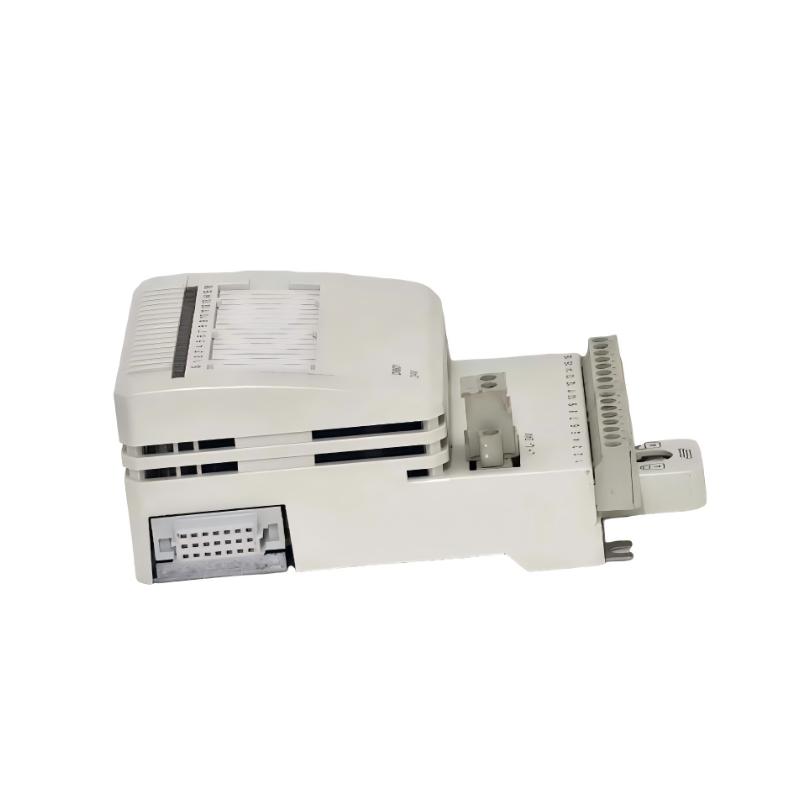
Its compact size allows efficient installation within control cabinets where multiple modules must coexist.
Simplified Maintenance and Diagnostics
Diagnostic capabilities assist technicians in identifying wiring issues, sensor faults, or signal anomalies.
Technical FAQs
1. What types of signals can the 3BSE031105R100 analog input unit receive?
The module typically supports industrial analog signals such as voltage or current inputs from sensors and transmitters used in process monitoring.
2. What types of field devices connect to this unit?
Common connected devices include temperature transmitters, pressure sensors, flow transmitters, and level measurement instruments.
3. How does the module convert analog signals into digital data?
It uses internal analog-to-digital conversion circuits that translate incoming electrical signals into digital values readable by the control system.
4. How does the module help maintain process stability?
By continuously providing accurate sensor data to the controller, it enables the system to adjust outputs such as valves, pumps, or heaters accordingly.
5. What happens if an input signal becomes abnormal or disconnected?
The control system can detect irregular signal values or communication faults and generate alarms for operator attention.
6. Can multiple process variables be monitored simultaneously?
Yes. Analog input modules typically support multiple channels, allowing several field signals to be monitored at the same time.
7. How is signal noise minimized in industrial environments?
Signal filtering, shielding, and proper grounding practices help reduce electromagnetic interference affecting analog measurements.
8. Is calibration required for accurate measurements?
Calibration procedures may be performed periodically to ensure measurement accuracy, especially in precision process applications.
9. Can the module be replaced without affecting other system components?
Yes. In modular automation architectures, individual I/O units can usually be replaced independently during maintenance.
10. Why are analog input modules important in automation systems?
They provide the critical interface between physical process measurements and digital control systems, enabling real-time monitoring and control.
 A DCS Q Co., Ltd. - PLC and DCS Industrial Control Equipment Wholesale