Industrial Application Environment
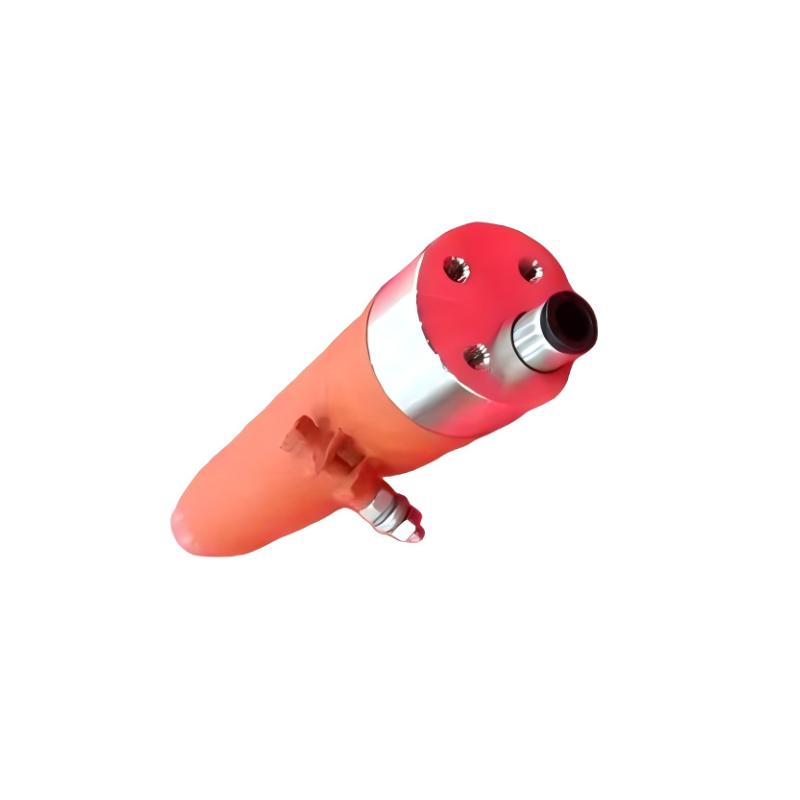
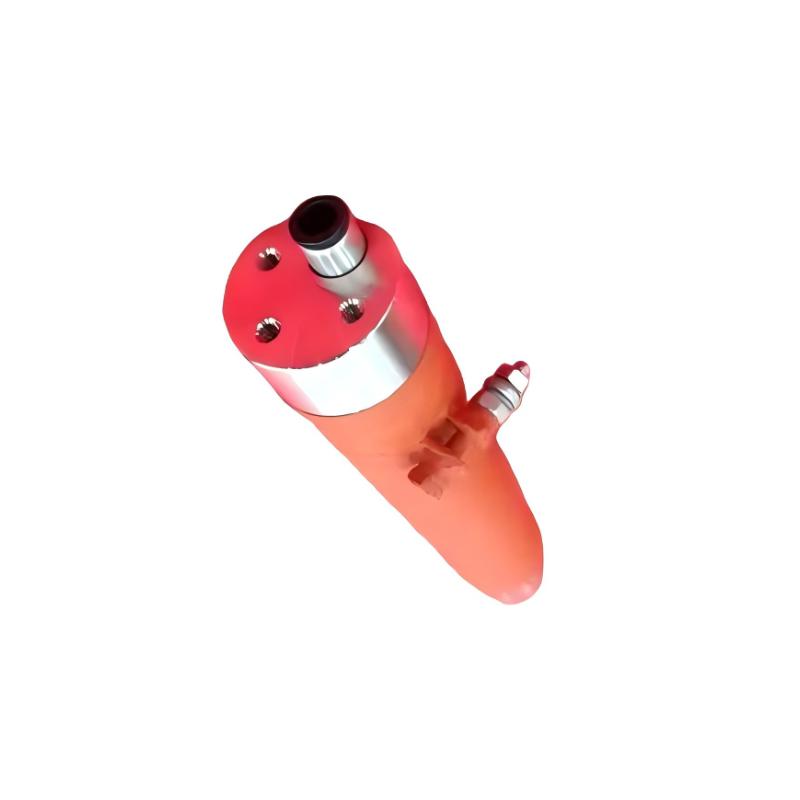
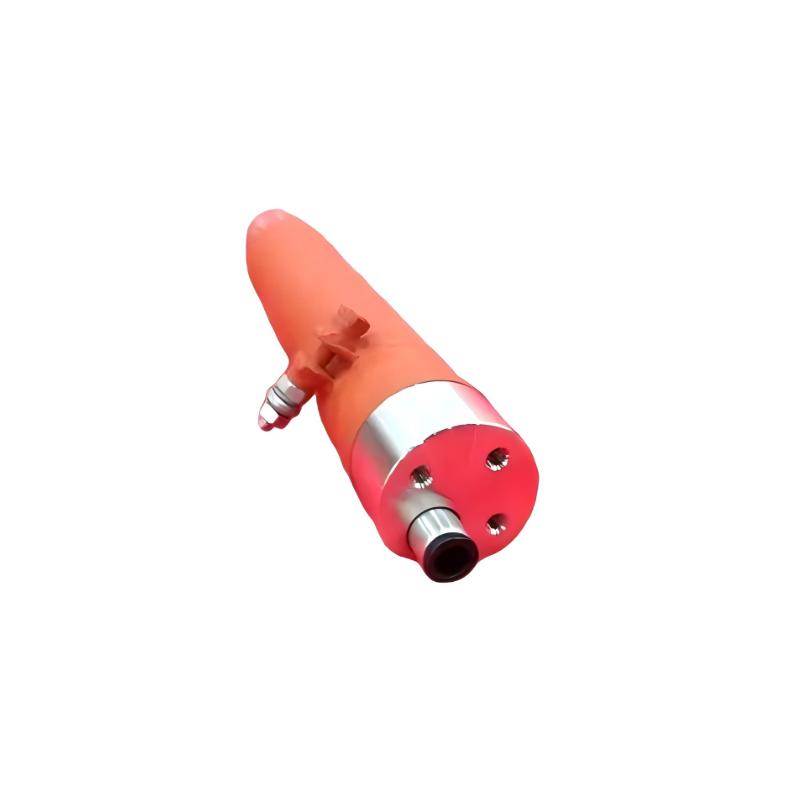
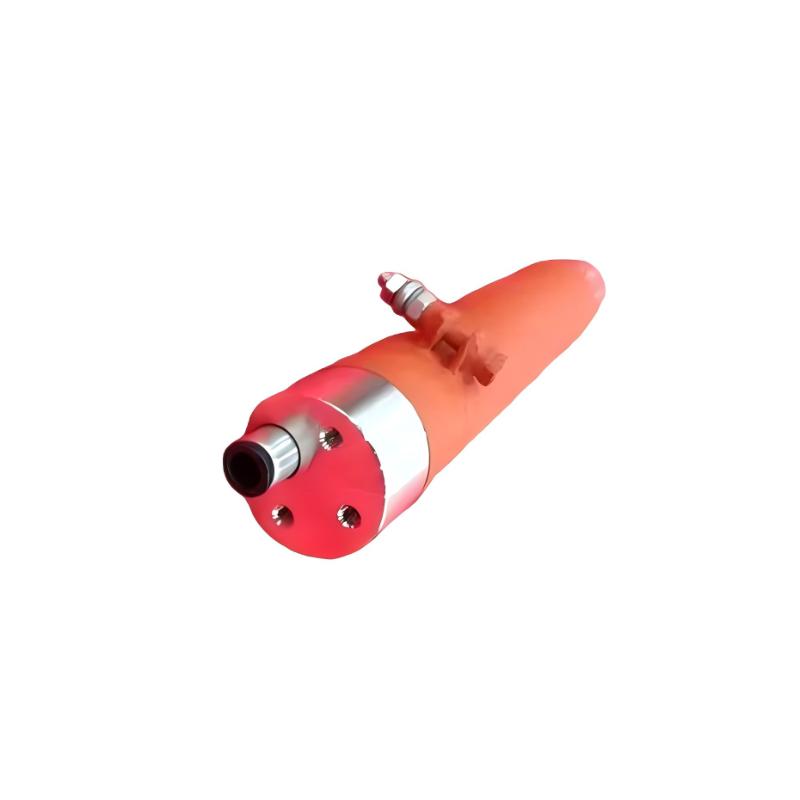
The ABB 3BHB010662R0250 Water-Cooled Resistor Module is designed for high-power electrical systems where efficient energy dissipation and thermal management are critical. Water-cooled resistors are commonly used in power electronics and drive systems where conventional air cooling may not provide sufficient heat removal.
Typical application environments include:
-
Medium- and high-voltage industrial drive systems
-
Power converter and rectifier assemblies
-
Energy dissipation circuits in regenerative braking systems
-
Industrial test equipment requiring controlled load resistance
-
Heavy manufacturing facilities operating large electric motors
In these installations, the resistor module absorbs and dissipates electrical energy generated during system operation, helping maintain stable performance and protecting sensitive components.
Key Engineering Advantages
Efficient Thermal Dissipation
The water-cooled design allows effective removal of heat generated during high-power electrical operation.
Suitable for High-Power Applications
The module is engineered to handle substantial electrical loads commonly encountered in industrial drive and converter systems.
Compact Cooling Design
Water cooling enables the resistor to operate efficiently while maintaining a relatively compact physical footprint.
Enhanced System Stability
By dissipating excess electrical energy, the resistor helps protect power electronics and maintain safe operating conditions.
Integration with Industrial Cooling Systems
The module can be incorporated into existing cooling circuits within drive cabinets or power control assemblies.
Technical FAQs
1. What is the primary function of the 3BHB010662R0250 water-cooled resistor?
The resistor absorbs electrical energy and converts it into heat, which is then removed through a water-cooling system to prevent overheating.
2. Why is water cooling used instead of air cooling?
Water cooling provides higher heat removal efficiency, which is essential in high-power electrical systems where air cooling alone may be insufficient.
3. In which systems are water-cooled resistors typically installed?
They are commonly used in power converters, industrial drives, braking circuits, and energy dissipation units.
4. How does the resistor contribute to motor drive systems?
It helps dissipate regenerative energy generated during braking or deceleration of motors, preventing excessive voltage buildup.
5. What cooling infrastructure is required for operation?
The module must be connected to a circulating water cooling system capable of removing the generated thermal energy.
6. What could happen if cooling flow is insufficient?
Inadequate cooling can lead to excessive temperature rise, potentially damaging the resistor or affecting system performance.
7. Can the module operate continuously under industrial load conditions?
Yes. It is designed for continuous operation in systems where high-power energy dissipation is required.
8. What maintenance procedures are recommended?
Regular inspection of cooling connections, monitoring water flow, and ensuring proper system pressure are important maintenance steps.
9. How are faults in the resistor module typically detected?
System diagnostics or temperature monitoring may indicate abnormal thermal conditions or electrical performance issues.
10. What safety considerations should be followed during servicing?
Technicians should isolate electrical power and verify that the cooling system is depressurized before handling the module.
 A DCS Q Co., Ltd. - PLC and DCS Industrial Control Equipment Wholesale