Where This Board Fits in Industrial Systems
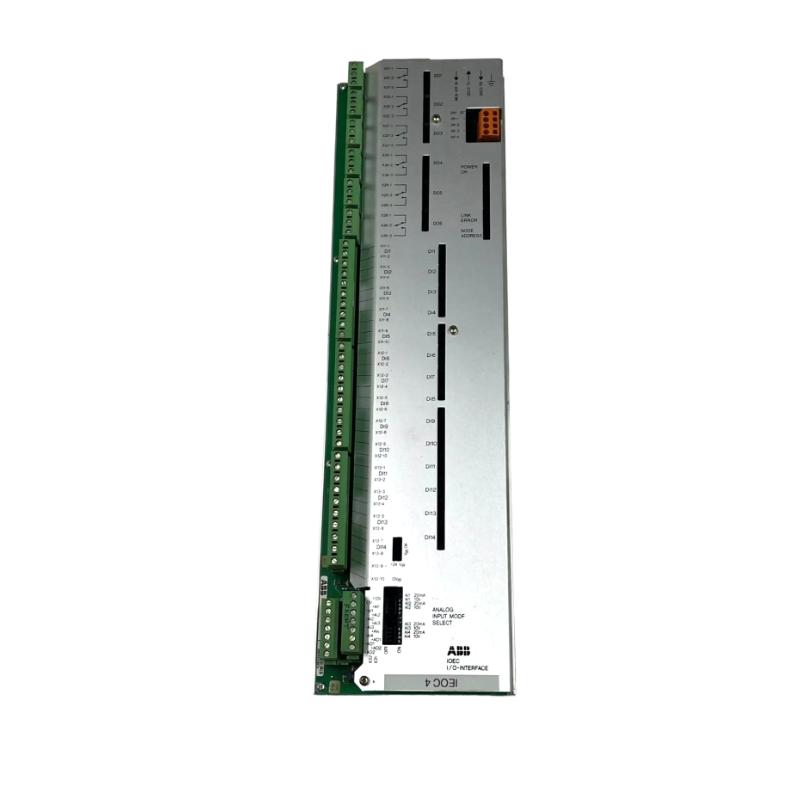
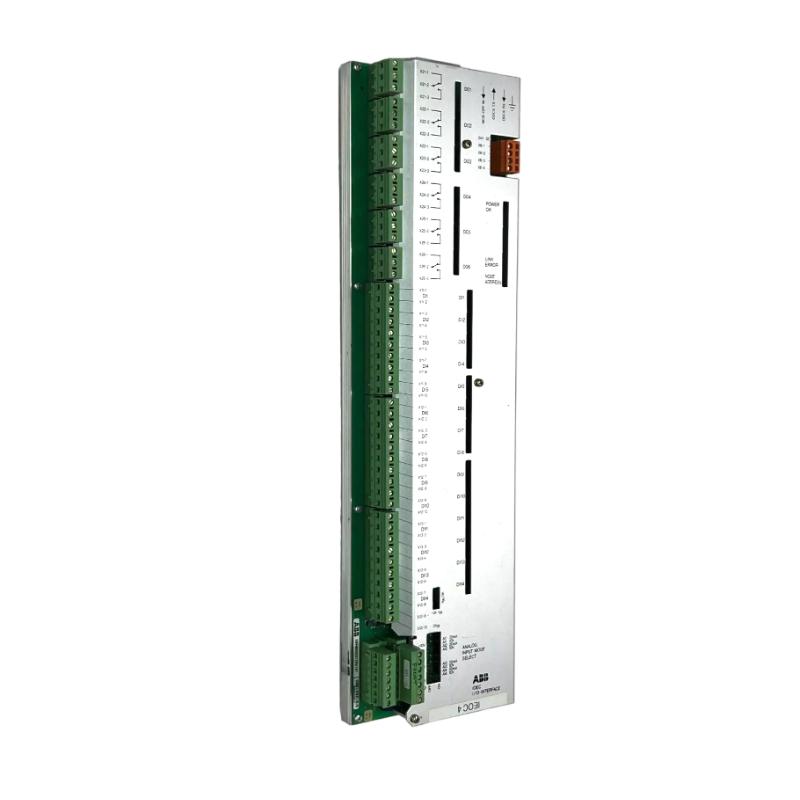
The ABB UF C719 AE101 Control Board is designed to operate as an internal control and signal-processing component within industrial automation and power electronics equipment. Control boards are critical in coordinating system operations, managing signal flow, and enabling communication between different functional modules inside complex machinery.
This board is typically integrated into:
-
Industrial motor drive systems used in manufacturing plants
-
Power conversion and electrical control platforms
-
Automation cabinets used in process industries such as chemical or petrochemical production
-
Energy management and power regulation equipment
-
Heavy machinery control systems in mining, steel, and material processing industries
In these environments, the board helps maintain efficient coordination between sensors, controllers, and output devices that operate throughout the system.
Engineering Advantages
Centralized Signal Processing
The board helps coordinate communication signals and control data exchanged between different electronic modules within the system.
Compatibility with Modular Automation Platforms
It is designed to function within ABB modular control and drive systems, allowing integration with other electronic boards and system components.
Stable Operational Performance
The electronic design supports reliable signal routing and communication in systems that operate continuously in demanding industrial environments.
Optimized Board Layout
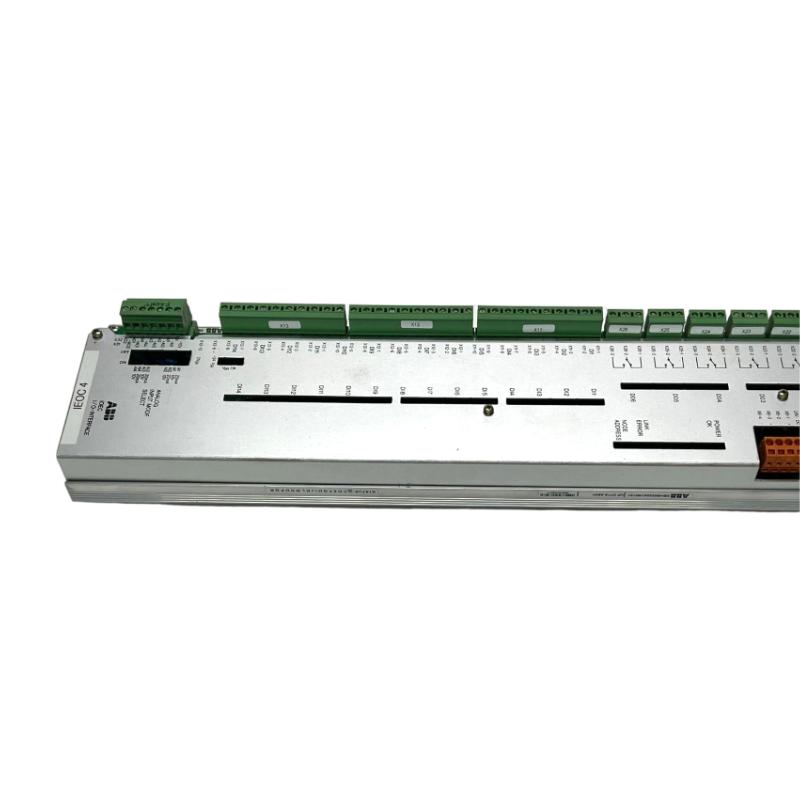
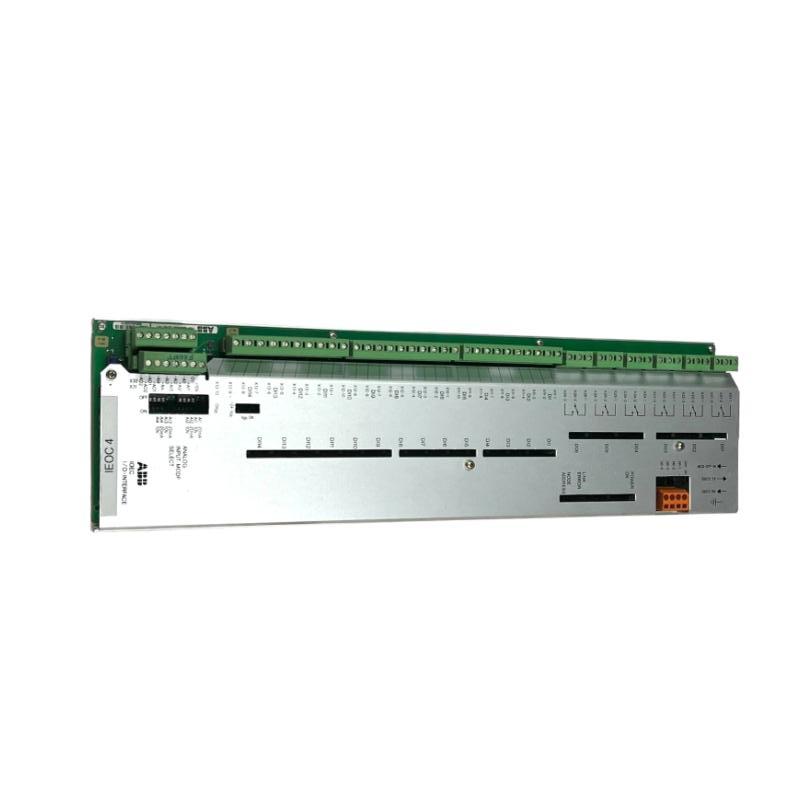
The physical configuration allows efficient installation inside electronic assemblies while maintaining proper connector access.
Service-Oriented Modular Structure
Engineers can remove or replace the board during maintenance procedures without extensive system disassembly.
Technical FAQs
1. What is the main purpose of the UF C719 AE101 control board?
The board processes and distributes control signals within an industrial automation or drive control system, enabling coordinated operation of electronic modules.
2. In which types of ABB equipment is this board commonly used?
It is typically installed in drive control units, automation platforms, and power electronics assemblies that require internal signal processing and communication.
3. How does the board communicate with other modules?
Communication is typically achieved through connectors and system buses that link the board with controllers, sensors, and interface boards.
4. What types of signals does the board handle?
It can manage control commands, feedback signals, monitoring data, and internal communication signals used by the automation system.
5. How does the board contribute to system reliability?
By ensuring stable signal transmission and coordination between hardware modules, the board helps maintain consistent system performance.
6. Can the board be replaced independently during maintenance?
Yes. In most modular control systems, the board can be removed and replaced as part of standard maintenance procedures.
7. What installation conditions are recommended for this board?
It should be installed within a properly ventilated and protected control cabinet to prevent exposure to excessive heat, dust, or moisture.
8. How are faults in the board typically detected?
System diagnostics or monitoring software can identify communication errors or operational faults associated with the board.
9. Are special handling precautions required when installing the board?
Yes. Electrostatic discharge protection and careful connector alignment should be observed during installation or servicing.
10. Why are control boards essential in modern automation systems?
They provide the electronic infrastructure needed for coordinating communication and control signals between multiple system components.
 A DCS Q Co., Ltd. - PLC and DCS Industrial Control Equipment Wholesale